

Seeing your dog vomit yellow liquid or foam can be unsettling, especially when they seemed perfectly fine just a few minutes earlier. If you’re wondering, “Why is my dog vomiting yellow?” the color often comes from bile, a digestive fluid that can appear in vomit when the stomach is empty or irritated.
Sometimes, a dog brings up yellow bile after going too long without food, particularly first thing in the morning. Other times, vomiting can indicate a digestive problem that needs veterinary attention.
The most important clues aren’t just the color. How often your dog vomits, their appetite, energy level, behavior, and any additional symptoms can help you decide what to do next. Here’s how to recognize common causes, respond safely, and know when your dog needs help.
Table of Contents
Quick Answer: Why Is My Dog Vomiting Yellow?
Your dog may be vomiting yellow because bile has entered an empty or irritated stomach. An occasional episode in an otherwise healthy adult dog may be minor, but repeated vomiting can also occur with infections, pancreatitis, intestinal blockages, and other illnesses. If your dog seems weak, has a swollen abdomen, repeatedly retches, or cannot keep water down, seek veterinary care promptly.
What Does Yellow Vomit Mean in Dogs?
Yellow vomit often contains bile, a digestive fluid produced by the liver, stored in the gallbladder, and released into the small intestine to help digest fats.
When bile flows backward into the stomach, it may irritate the stomach lining. If your dog vomits while their stomach contains little or no food, the material may look yellow or yellow-green.
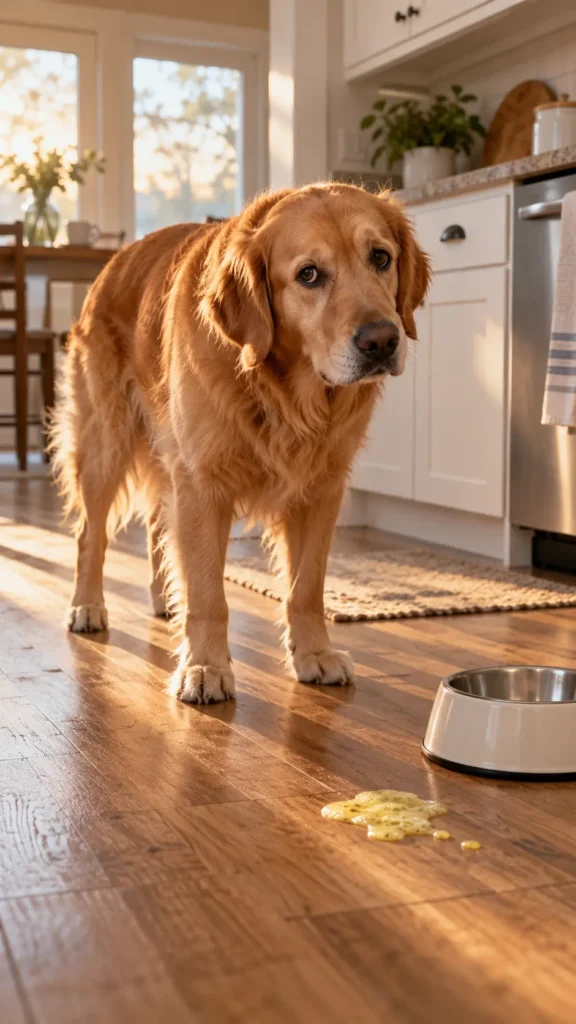
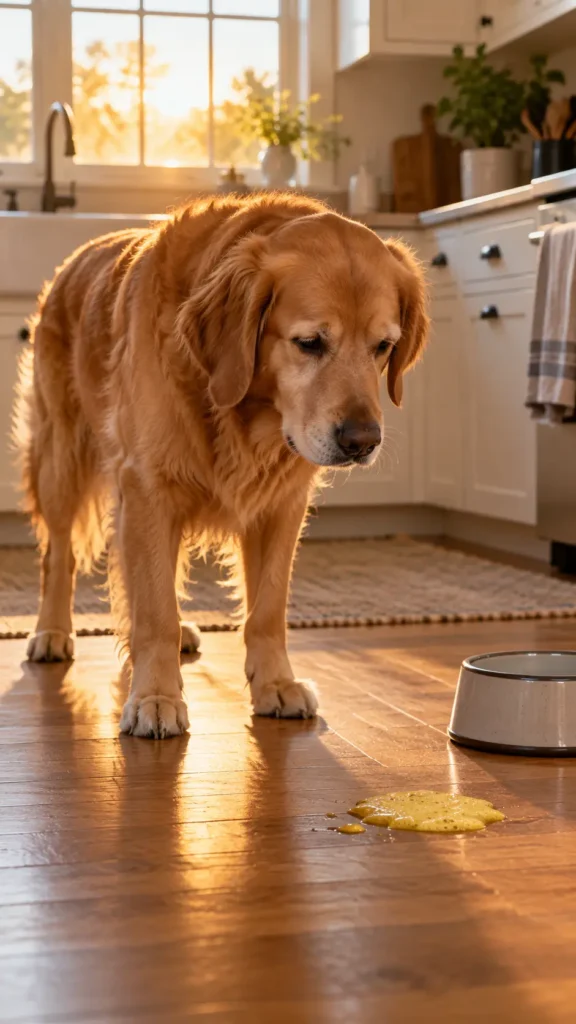
Yellow dog vomit can have several appearances:
- Yellow liquid: A thin, watery fluid that may contain bile.
- Yellow foam: Frothy fluid produced when bile or stomach fluids mix with mucus and air.
- Yellow mucus: A thicker, slippery substance that can accompany stomach irritation.
- Yellow vomit with food: Partly digested food mixed with yellow-tinged digestive fluids.
The appearance alone cannot tell you why your dog is vomiting. Two dogs can produce similar-looking yellow vomit for very different reasons.
For example, a healthy adult dog may vomit a small amount of yellow foam before breakfast and then eat normally. Another dog might vomit yellow fluid repeatedly while refusing food and showing abdominal pain. The second situation requires much more urgent attention.

7 Possible Reasons Your Dog Is Vomiting Yellow
There isn’t one explanation for every episode of yellow vomiting. Some causes involve feeding patterns or temporary digestive upset, while others require medical treatment.
1. An Empty Stomach or Long Gap Between Meals
One possible explanation is that your dog has gone several hours without eating. During a prolonged gap between meals, bile may move backward into the stomach and contribute to irritation.
This can happen overnight, especially when a dog eats dinner early and doesn’t have breakfast until much later.
You might notice:
- A small amount of yellow liquid or foam before breakfast.
- Normal energy and behavior afterward.
- A healthy appetite once food is offered.
- No diarrhea, abdominal pain, or other concerning symptoms.
However, don’t automatically assume an empty stomach is the cause. If vomiting becomes frequent or follows a new pattern, your veterinarian should evaluate your dog.
2. Bilious Vomiting Syndrome
Bilious vomiting syndrome, sometimes called BVS, describes a pattern of intermittent bile vomiting that often happens early in the morning or after a long period without food.
Dogs with this condition are often otherwise healthy between episodes. They may have a normal appetite, maintain their weight, and behave normally throughout the day.
Veterinary specialists believe changes in stomach movement and the backward flow of intestinal fluid may contribute to the problem. The exact mechanism is not completely understood.
Your veterinarian may suspect BVS when the timing is consistent and other possible causes have been excluded.
For a dog diagnosed with this condition, dividing the usual daily food allowance into smaller meals or offering part of dinner later in the evening may help. This shouldn’t mean adding extra calories or starting medication without veterinary guidance.
The American Kennel Club’s veterinary-informed explanation of bilious vomiting syndrome discusses why this pattern occurs and when additional testing may be needed.
3. Eating Something That Upsets the Stomach
Dogs are curious. A dropped piece of greasy food, spoiled leftovers, unfamiliar treats, or a sudden change in diet can sometimes trigger vomiting.
Digestive irritation may be accompanied by:
- Nausea or repeated lip licking.
- Reduced interest in food.
- Soft stool or diarrhea.
- Stomach discomfort.
- Vomiting food initially, followed by yellow liquid once the stomach is empty.
Don’t assume all stomach upsets are harmless. Eating trash may also expose a dog to toxins, sharp objects, or items that can cause a blockage.
If you know or suspect your dog swallowed a poisonous substance or dangerous object, contact a veterinarian or animal emergency service immediately rather than waiting for additional symptoms.
4. Gastroenteritis or Other Digestive Inflammation
Gastroenteritis is inflammation involving the stomach and intestines. It can develop for several reasons, including infections, parasites, dietary irritation, and certain medications.
Dogs with gastroenteritis may vomit yellowish fluid, especially after their stomach has emptied. Diarrhea, reduced appetite, and abdominal discomfort may occur as well.
Unlike an occasional episode associated with a long gap between meals, gastroenteritis may cause repeated vomiting or signs that your dog feels unwell.
Veterinary evaluation helps determine whether your dog needs fluid support, diagnostic tests, or treatment for an underlying cause.
5. Pancreatitis
Pancreatitis occurs when the pancreas becomes inflamed. Vomiting is one possible symptom, and the vomit may appear yellow after food has left the stomach.
Other possible signs include:
- Loss of appetite.
- Repeated vomiting.
- Abdominal pain.
- Diarrhea.
- Unusual tiredness.
- A hunched posture or reluctance to move normally.
Pancreatitis can range in severity and may require veterinary treatment. Rich or fatty foods can be a contributing factor in some cases, although not every case has an identifiable trigger.
If your dog is vomiting and appears painful or unwell, don’t try to manage the problem with household remedies.
6. Intestinal Blockage or Swallowed Object
An intestinal obstruction occurs when something partially or completely prevents material from moving through the digestive tract.
Dogs may swallow pieces of toys, socks, corn cobs, bones, or other objects that cannot pass normally.
Possible warning signs include:
- Repeated vomiting, sometimes becoming yellow after the stomach empties.
- Refusing food.
- Abdominal pain or swelling.
- Unusual lethargy.
- Difficulty keeping water down.
- Changes in bowel movements.
A suspected intestinal blockage is a veterinary emergency. Some dogs may initially appear relatively normal, so waiting for severe symptoms can be dangerous.
The Merck Veterinary Manual’s guidance on gastrointestinal obstruction explains why prompt diagnosis and treatment matter.

7. Other Medical Conditions
Yellow vomiting can also occur alongside illnesses that aren’t limited to the stomach.
Depending on your dog’s age, history, and other symptoms, a veterinarian may consider problems such as intestinal parasites, chronic intestinal disease, liver or kidney disease, Addison’s disease, or other medical conditions.
Yellow vomit does not, by itself, indicate liver disease. Likewise, a dog that occasionally vomits bile shouldn’t automatically be diagnosed with food allergies or acid reflux.
Persistent symptoms deserve a proper veterinary examination rather than guessing based on the color.
Why Is My Dog Vomiting Yellow in the Morning?
Morning vomiting is particularly noticeable because your dog may have gone all night without eating.
Imagine a dog that finishes dinner at 5:30 p.m. and doesn’t eat breakfast until 8:00 a.m. That creates a long overnight gap between meals. In some dogs, this feeding pattern can be associated with bile vomiting shortly before breakfast.
When a dog has bilious vomiting syndrome, the pattern may look like this:
- The dog vomits a small amount of yellow foam before breakfast.
- The dog appears comfortable afterward.
- The usual appetite and energy return quickly.
- The episode happens intermittently at roughly the same time.
If your veterinarian has ruled out other conditions, adjusting the feeding schedule may reduce the problem.
However, a consistent morning pattern does not prove your dog has BVS. Morning vomiting accompanied by weight loss, diarrhea, poor appetite, or worsening symptoms needs veterinary assessment.
What to Do When Your Dog Vomits Yellow
If your otherwise healthy adult dog vomits only once and immediately returns to normal behavior, careful observation may be reasonable. Use the following steps to decide what happens next.
Step 1: Check Your Dog’s Overall Condition
Look beyond the vomit. Is your dog alert, moving normally, and interested in their surroundings? Do they appear comfortable, or are they pacing, whining, hiding, or standing in an unusual posture?
Check for a swollen abdomen, repeated retching, weakness, or difficulty breathing. These are not signs to monitor casually at home.
Young puppies, frail senior dogs, and dogs with existing medical conditions may need earlier veterinary attention, even when symptoms initially seem mild.
Step 2: Record What Happened
If possible, take a quick photograph of the vomit before cleaning it up.
Write down:
- The time vomiting happened.
- How many times your dog vomited.
- Whether the material was yellow foam, liquid, food, or something else.
- When your dog last ate.
- Any recent food changes or access to trash, toys, or medications.
- Additional symptoms, including diarrhea or reduced appetite.
These details can help your veterinarian identify patterns and decide what tests may be useful.
Step 3: Offer Water Carefully
If your dog is alert, comfortable, and no longer vomiting, offer small amounts of fresh water rather than allowing them to gulp a large quantity at once.
Don’t force water into your dog’s mouth. If even small amounts trigger more vomiting, call your veterinarian promptly.
Do not withhold water for long periods unless your veterinarian specifically directs you and provides an appropriate hydration plan.
Step 4: Ask About Feeding if Your Dog Remains Well
If the vomiting has stopped and your dog is behaving normally, contact your veterinarian for feeding advice if you’re uncertain what to offer or when to resume meals.
For some mild cases, a veterinarian may recommend a small portion of easily digestible food followed by a gradual return to the usual diet.
Avoid greasy leftovers, rich treats, bones, and sudden changes to your dog’s diet. Do not impose a prolonged fast, especially on puppies, tiny dogs, or dogs with medical conditions.
Step 5: Watch for Another Episode
Continue checking your dog’s appetite, energy, water intake, and bowel movements.
If vomiting happens again, or your dog develops diarrhea, weakness, discomfort, or unusual behavior, contact your veterinarian. Repeated vomiting shouldn’t be treated as an ordinary empty-stomach problem.

When Is Yellow Dog Vomit an Emergency?
Vomiting can sometimes signal an urgent medical problem. The yellow color itself isn’t the deciding factor; your dog’s other symptoms and the circumstances matter more.
Seek Emergency Veterinary Care Now If:
- Your dog repeatedly tries to vomit but produces little or nothing, especially with a bloated abdomen.
- Your dog collapses, has trouble breathing, or shows extreme weakness.
- Your dog has severe abdominal pain or a rapidly swelling belly.
- You suspect your dog swallowed a toxic substance or a dangerous object.
- The vomit contains significant blood or looks like coffee grounds.
- Your dog is severely ill, unable to keep fluids down, or showing signs of serious dehydration.
Repeated unproductive retching with abdominal swelling can be associated with gastric dilatation-volvulus (GDV), commonly called bloat. This is a life-threatening emergency and requires immediate veterinary care.
Contact Your Veterinarian the Same Day If:
- Your dog vomits more than once or continues vomiting.
- Vomiting occurs alongside diarrhea or reduced appetite.
- Your dog seems unusually tired or uncomfortable.
- Your puppy vomits, especially if vaccinations are incomplete.
- Your dog has a significant existing health condition.
Even without dramatic warning signs, vomiting that keeps returning over several days or weeks deserves a scheduled veterinary visit.
When unsure whether your dog’s symptoms are urgent, call your veterinary clinic or local emergency animal hospital for triage.

Can You Prevent Your Dog From Vomiting Yellow Bile?
Not every cause of vomiting is preventable. However, a few consistent habits can support digestive health and may reduce episodes linked to feeding schedules.
Keep Meals Consistent
Feed a nutritionally complete diet appropriate for your dog’s life stage and follow a predictable meal routine.
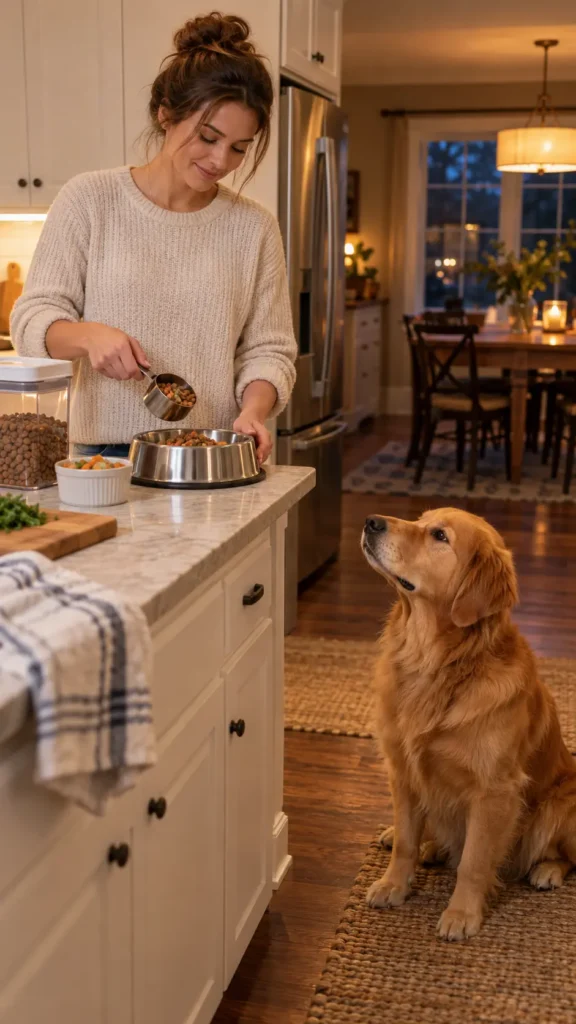
If your veterinarian identifies bilious vomiting syndrome, smaller, more frequent meals may help. An evening portion can sometimes reduce the gap between dinner and breakfast.
Use food from your dog’s normal daily allowance rather than adding an extra meal’s worth of calories.
Make Diet Changes Gradually
When changing dog food, introduce the new diet gradually according to your veterinarian’s advice and your dog’s tolerance.
A sudden change can contribute to digestive upset in some dogs.
Prevent Access to Dangerous Items
Keep medications, household chemicals, food waste, and small swallowable objects out of reach.
Choose toys appropriate for your dog’s size and chewing behavior. Replace damaged toys before pieces can be swallowed.
Stay Current With Preventive Care
Regular veterinary visits, recommended vaccinations, and appropriate parasite prevention can help address health problems before they become more serious.
If your dog repeatedly vomits despite a steady diet and meal schedule, book an examination instead of continuing to experiment with feeding changes.
How Veterinarians Diagnose Repeated Yellow Vomiting
If your dog keeps vomiting yellow, the veterinarian will usually begin with a medical history and physical examination.
Be prepared to explain how long the vomiting has been happening, when it usually occurs, what your dog eats, and whether other symptoms have appeared.
Depending on the findings, your veterinarian may recommend:
- Blood tests: To evaluate organ function and look for signs of certain medical problems.
- Fecal testing: To investigate parasites or other intestinal concerns.
- Abdominal X-rays: To check for some foreign objects, abnormal gas patterns, or other changes.
- Ultrasound: To examine abdominal organs and the digestive tract in greater detail.
- Additional testing: When the history suggests pancreatitis, hormonal disease, or a chronic intestinal condition.
Not every dog needs every test. A veterinarian will choose an appropriate diagnostic plan based on the examination and the level of concern.
Treatment depends on the cause. For example, a dog with a suspected blockage needs a very different approach from a healthy dog diagnosed with bilious vomiting syndrome.
If you needed more guide about your dog than check this: https://dogsdailycare.com/new-dog-owner-checklist/
Common Mistakes to Avoid When Your Dog Throws Up Yellow
It’s understandable to want to help your dog feel better immediately. But some common responses can make the situation more difficult.
- Assuming yellow means harmless bile: Bile can be present during serious illness, including intestinal obstruction.
- Giving human medications: Antacids, pain relievers, and anti-nausea medications can be inappropriate or dangerous without veterinary instructions.
- Ignoring repeated episodes: Even a dog that seems normal between episodes may have an underlying problem.
- Offering rich foods to encourage eating: Greasy treats or leftovers can worsen some digestive conditions.
- Forcing food or water: This can create additional problems in a nauseated dog.
- Delaying care after suspected toxin exposure: Some poisonings require treatment before severe symptoms develop.
Also avoid trying to induce vomiting unless an appropriate veterinary professional specifically instructs you to do so.
Frequently Asked Questions About Yellow Vomit in Dogs
Is it normal for a dog to vomit yellow bile occasionally?
An isolated episode can happen in an otherwise healthy adult dog, particularly after a long gap between meals. However, vomiting should not be considered normal if it becomes frequent, changes in pattern, or comes with other symptoms.
Why is my dog throwing up yellow foam but acting normal?
Yellow foam can appear when the stomach contains little food and bile mixes with digestive fluids. Bilious vomiting syndrome is one possible explanation, but other causes cannot be ruled out from behavior alone. Recurrent episodes warrant a veterinary appointment.
Should I feed my dog after they vomit yellow bile?
If your dog has stopped vomiting and otherwise seems healthy, your veterinarian may advise offering a small, easily digestible meal. Feeding instructions depend on age, medical history, and the cause of vomiting. Don’t force food or use prolonged fasting without veterinary guidance.
Why is my puppy vomiting yellow liquid?
Puppies can vomit yellow fluid for several reasons, including stomach irritation, parasites, infections, or swallowed objects. Because puppies can become dehydrated quickly and some infectious diseases are serious, contact your veterinarian promptly rather than assuming it’s simply an empty stomach.
Can yellow vomiting be a sign of a blockage?
Yes. Dogs with intestinal obstructions may vomit yellow liquid after their stomach has emptied. Other signs can include loss of appetite, repeated vomiting, abdominal discomfort, and lethargy. A suspected blockage needs immediate veterinary assessment.
Will feeding my dog before bedtime stop morning bile vomiting?
A small late-evening portion of the normal daily food allowance may help dogs whose veterinarian has identified bilious vomiting syndrome. It won’t resolve every cause of morning vomiting. If episodes continue or other symptoms develop, your dog needs further evaluation.
Final Thoughts: Pay Attention to the Whole Dog, Not Just the Vomit
If you’re asking why your dog is vomiting yellow, remember that the color is only one piece of information. An empty stomach may explain an occasional episode, but persistent vomiting or a change in your dog’s behavior can point to something more serious.
Start by checking how your dog feels, recording the episode, and watching for warning signs. If the vomiting repeats, your dog seems unwell, or you suspect an emergency, contact a veterinarian rather than relying on home treatment.
Veterinary disclaimer: This article provides general educational information and is not a substitute for diagnosis or treatment by a licensed veterinarian. Seek professional veterinary advice for your dog’s individual symptoms, and obtain emergency care for serious warning signs.