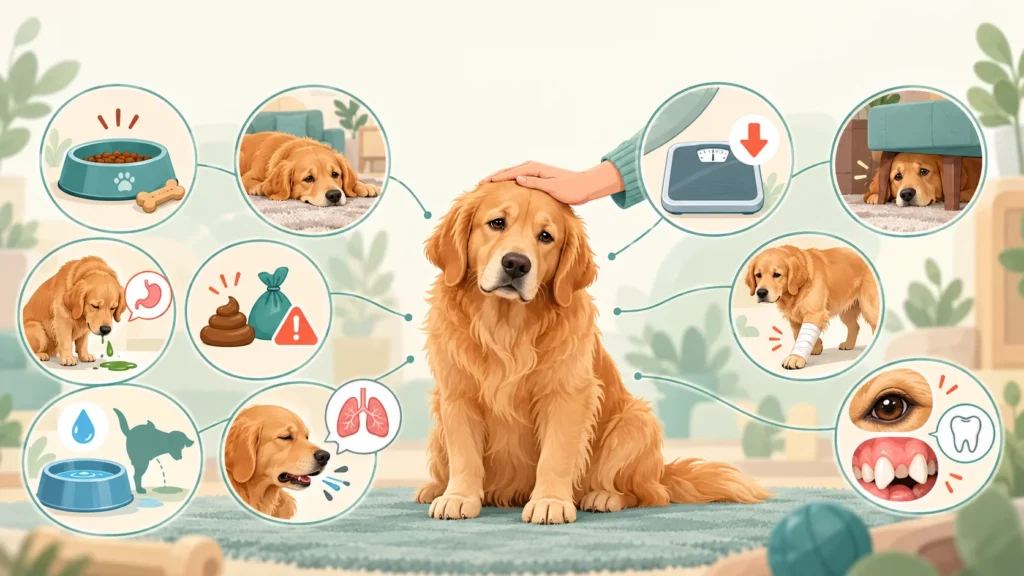

If your dog is scratching more than usual, licking their paws at night, or dealing with ear trouble that keeps coming back, allergies may be part of the picture. The signs of dog allergies often look different from human allergies. Instead of sneezing and watery eyes, dogs usually show their discomfort through their skin, ears, and paws, and sometimes through their stomach.
This guide explains what to look for, how the signs differ by allergy type, which symptoms can mean something else, and when to call your veterinarian. It is meant to help you notice patterns and have a better conversation with your vet, not to diagnose your dog at home.
Table of Contents
Quick Answer: What Are the Signs of Allergies in Dogs?
The most common signs of dog allergies are itching, scratching, and licking or chewing the paws, belly, or skin. Redness, recurring ear infections, hair loss, and hot spots are also common. Food allergies can add vomiting or diarrhea. Facial swelling, hives, or trouble breathing need urgent veterinary care.
What Is an Allergy in Dogs?
An allergy is an overreaction of the immune system to something that is normally harmless. That trigger, called an allergen, might be a flea bite, pollen, dust mites, mold, or an ingredient in food. Once the immune system reacts, the result is inflammation, and in dogs that inflammation most often shows up in the skin.
Allergies can appear at different ages. Environmental allergies (atopic dermatitis) commonly first show up between about six months and three years of age, according to Cornell University’s veterinary college. Food allergies can start at any age, even in dogs who have eaten the same food for years.

Common Signs of Dog Allergies
No single sign proves your dog has allergies, and many allergy symptoms overlap with other conditions. What matters is the pattern: where the problem shows up, how often, and whether it returns at certain times of year or after certain exposures.
Itching and Scratching
Itching (called pruritus) is the most common sign. A dog with allergies may scratch, rub against furniture, roll on the carpet, or chew at one area repeatedly. Occasional scratching is normal. Itching that happens daily, wakes your dog at night, or interrupts play and rest deserves attention.
Skin Redness, Rashes, and Hair Loss
Look under the fur, especially in the armpits, belly, groin, and inner thighs, where skin is thin and easy to see. Common changes include:
- Red or pink skin
- Small bumps or scabs
- Thinning or patchy hair
- Darkened or thickened skin in long-standing cases
- A greasy coat or a musty smell
Constant scratching can break the skin, which makes it easier for bacteria and yeast to take hold. These secondary infections can look like allergies, or they can occur alongside them, so your dog may need treatment for both.
Hot Spots
Hot spots are moist, red, painful patches that appear quickly, often after intense licking or scratching in one area. They can grow fast and are sore to the touch. Do not wait on these. Ask your vet to look at them, especially if your dog flinches or the area is oozing.
Paw Licking and Chewing
Dogs with allergies often lick, chew, or nibble their feet. Look for reddish-brown staining on the fur between the toes, which can come from saliva. Redness, swelling, or odor between the toes can also point to a yeast or bacterial problem.

Ear Problems and Recurring Ear Infections
Repeated ear infections are one of the classic clues. Allergies can inflame the ear canal and make infections more likely, sometimes in both ears. Signs include head shaking, scratching at the ears, redness inside the ear flap, discharge, and a sour or yeasty smell. Some ear infections come from moisture after swimming or bathing, but if they keep returning, ask your vet whether allergies could be the underlying cause.
Digestive Signs
Food allergies and sensitivities may cause vomiting, diarrhea, gas, or frequent bowel movements, often along with itchy skin. The AKC notes that food allergies are less common than many owners assume, and that skin and ear symptoms are often the main signs. Digestive upset alone has many possible causes, so it needs a veterinary workup rather than a guess.
Watery Eyes, Sneezing, and Runny Nose
These do occur, but they are less typical in dogs than in people. If eye discharge, squinting, or nasal discharge is the main problem, an eye or respiratory issue is just as likely as an allergy, and your vet should take a look.
Facial Swelling and Hives
Swelling around the muzzle, lips, eyelids, or ear flaps, or raised welts across the body, can signal an acute allergic reaction. This can happen after an insect sting, a vaccine, a medication, or a food trigger. Treat it as urgent and call your veterinarian or an emergency clinic right away.
Types of Allergies in Dogs and What They Tend to Look Like
Dogs can have more than one type of allergy at the same time, which is part of why they are tricky to sort out. Here are the main categories.
Flea Allergy
Some dogs are allergic to proteins in flea saliva, so a single bite can set off intense itching. The itching is often concentrated over the lower back and base of the tail, with scabs, redness, and hair loss. You may not see any fleas, because a sensitive dog can scratch them away quickly. Your vet can recommend a safe, dog-appropriate flea preventive.
Environmental Allergies (Atopic Dermatitis)
Pollen, mold, dust mites, and similar triggers can cause itching of the face, ears, paws, armpits, belly, and groin. Some dogs flare seasonally, while dogs reacting to indoor allergens such as dust mites may itch year-round. Atopic dermatitis is common, and Cornell’s veterinary college notes it may affect as much as 10 to 15 percent of dogs.

Food Allergies
A true food allergy involves the immune system reacting to a food ingredient, often a protein. Signs can include itchy ears and paws, skin infections, and sometimes vomiting or diarrhea. Because the signs resemble those of other allergies, food allergy is usually identified by a veterinarian-guided elimination diet. The AKC notes that these trials generally last at least eight weeks to be reliable, and switching foods on your own can muddy the results.
Contact Allergies
Less commonly, a dog reacts to something that touches the skin, such as certain cleaning products, lawn treatments, shampoos, or fabrics. The rash usually appears where the skin made contact, such as the belly, chin, or feet. If symptoms began soon after you changed a product, mention it to your vet.
Is It Allergies or Something Else?
Itching is not exclusive to allergies. Several conditions look similar, and some can occur at the same time:
- Fleas and mites: Parasites such as fleas and mange mites cause intense itching and need specific treatment.
- Bacterial or yeast skin infections: These are often secondary to allergies but need their own treatment.
- Ringworm: A fungal infection that can cause patchy hair loss and scaly skin.
- Dry skin: Flaking and mild itching can be related to environment or grooming habits.
- Pain or boredom behaviors: Constant licking can also stem from joint pain or anxiety.
Because the signs overlap, it is hard to tell these apart at home. Clues that lean toward allergy include itching in several areas, a seasonal pattern, a link to a new food or product, and ear problems that keep coming back. Still, only a veterinary exam can sort out the cause.
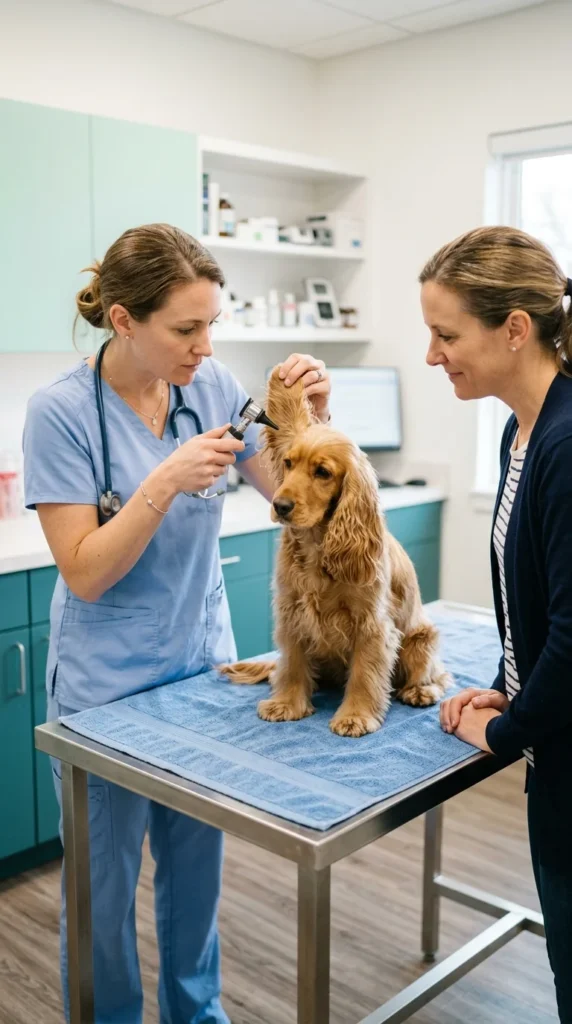
When to Call the Vet and When It Is an Emergency
Schedule a veterinary visit if you notice:
- Itching that lasts more than a few days or keeps returning
- Recurring ear infections or head shaking
- Open sores, oozing skin, or a strong odor
- Hair loss or changes in skin color or texture
- Loss of sleep or appetite because of itching
- Vomiting or diarrhea together with skin signs
Seek emergency care right away for:
- Swelling of the face, lips, or throat
- Trouble breathing, wheezing, or pale or bluish gums
- Widespread hives
- Repeated vomiting, collapse, or extreme weakness
Severe allergic reactions (anaphylaxis) are uncommon in dogs, but they can progress quickly. If you are unsure whether it is an emergency, call your vet or the nearest emergency clinic on the way.
What to Track Before Your Vet Visit
Allergies are often diagnosed by pattern and by ruling out other causes, so your observations are valuable. Keep a short log for one to two weeks if your dog’s symptoms are not an emergency:
- Where it itches: Note the body areas your dog scratches, licks, or chews.
- When it happens: Mark whether it is seasonal, daily, or tied to certain places.
- What changed: Write down new foods, treats, shampoos, cleaning products, or medications.
- Flea prevention: Record which product you use and when you last gave it.
- Digestive signs: Note any vomiting, loose stool, or gas.
- Photos: Take pictures of redness, rashes, or swelling, since they can fade by appointment time.

How Veterinarians Diagnose Dog Allergies
Your veterinarian will usually start with a physical exam and a history of when and where symptoms occur. They may check for fleas and mites, test skin or ear samples for bacteria and yeast, and treat any infections first. Environmental allergies are typically diagnosed by combining the dog’s history and signs with the exclusion of other conditions, and allergy testing may be used later to guide long-term treatment. Food allergies generally call for an elimination diet trial.
Treatment depends on the cause and may include parasite control, medication to ease itching, treatment of infections, diet changes, or immunotherapy. Your vet will choose what is safe for your dog.
Mistakes to Avoid
- Giving human allergy medicine on your own: Some human medications are unsafe for dogs, and the wrong product or amount can cause harm. Ask your vet first.
- Switching foods repeatedly: Frequent changes make it harder to identify a food trigger.
- Assuming “grain-free” is the answer: Do not change your dog’s diet in response to itching without veterinary guidance.
- Ignoring ear problems: Untreated ear infections are painful and can worsen.
- Skipping flea prevention: Even indoor dogs can get fleas.
- Letting your dog keep chewing at skin: Early treatment is easier than treating an infected hot spot.
Everyday Ways to Reduce Exposure
These steps may help make a dog more comfortable, but they do not replace a diagnosis or treatment plan from your veterinarian:
- Wipe your dog’s paws and coat with a damp cloth after walks during high-pollen periods.
- Wash bedding regularly in hot water, and vacuum often.
- Keep up with year-round parasite prevention as your vet recommends.
- Use only grooming products your vet or groomer says are suitable for your dog’s skin.
- Dry the ears gently after swimming or bathing.

Frequently Asked Questions
How do I know if my dog has allergies or just dry skin?
Dry skin tends to cause mild flaking and light scratching. Allergies are more likely when itching is frequent, affects the paws, ears, belly, or face, or comes with redness, recurring ear infections, or hair loss. Your vet can tell the difference.
Can dogs develop allergies later in life?
Yes. Environmental allergies often start in young dogs, but allergies can appear at any age, and a dog can develop a food allergy to a food they have eaten for years.
Do dog allergies go away on their own?
Rarely. Allergies are usually managed rather than cured, and signs may come and go with seasons or exposures. A veterinarian can help you build a plan that keeps flare-ups under control.
Why does my dog lick their paws so much?
Paw licking is a common sign of allergies, but it can also come from infection, parasites, pain, or boredom. Redness, odor, or staining between the toes is a good reason to book an exam.
Can dogs be allergic to chicken or beef?
Yes. Proteins such as beef, dairy, and chicken are among the more commonly reported food triggers. Still, food allergies are less common than many owners think, so confirm with your vet before changing your dog’s diet.
Are some breeds more prone to allergies?
Some breeds are reported to be more prone to skin allergies, and Golden Retrievers and German Shepherds are among those mentioned in connection with food allergies. Any dog, including mixed breeds, can be affected.
Final Thoughts
Learning the signs of dog allergies comes down to watching for patterns: itching in the same places, ears that keep getting infected, paws that never stop being licked, or skin that changes over time. Start a simple symptom log, keep flea prevention current, and bring your notes and photos to your veterinarian. Getting help early usually means a more comfortable dog and an easier path to the right treatment.
This article is for general education and is not a substitute for veterinary advice. If you are concerned about your dog’s health, contact your veterinarian.
You can visit site for more info: https://dogsdailycare.com/