When the temperature drops, most owners ask the same question: is my dog actually warm enough? A thick coat does not guarantee comfort, and a dog who loves snow can still get dangerously cold. Small dogs, short-coated dogs, puppies, seniors, and dogs with health problems tend to feel winter first.
Knowing how to keep your dog warm in winter comes down to a few habits: a warm, dry, draft-free place to rest, sensible walks, protective gear when it helps, careful paw care, and a plan for emergencies. This guide walks through each one, plus the warning signs that mean it is time to head inside or call your veterinarian.
Table of Contents
Quick Answer
Keep your dog indoors in cold weather, with dry bedding off cold floors and away from drafts. Shorten walks, use a dry coat or sweater for short-haired or small dogs, wipe paws and bellies afterward, and watch for shivering or slowing down. If your dog seems weak or very cold, call your veterinarian.
How Cold Is Too Cold? Know Your Dog’s Limits
There is no single temperature that is safe for every dog. According to the American Veterinary Medical Association (AVMA), cold tolerance varies from pet to pet based on coat, body fat, activity level, and health. The belief that fur makes dogs far more resistant to cold than people is, the AVMA says, untrue: dogs can develop frostbite and hypothermia, and they generally should be kept inside in cold weather.
Wind, wet fur, and damp ground make cold feel worse. A dog that is fine on a dry, sunny 35-degree morning may struggle in the same temperature with wind and slush. Think of it as a sliding scale, and adjust to the dog in front of you rather than a number on a chart.
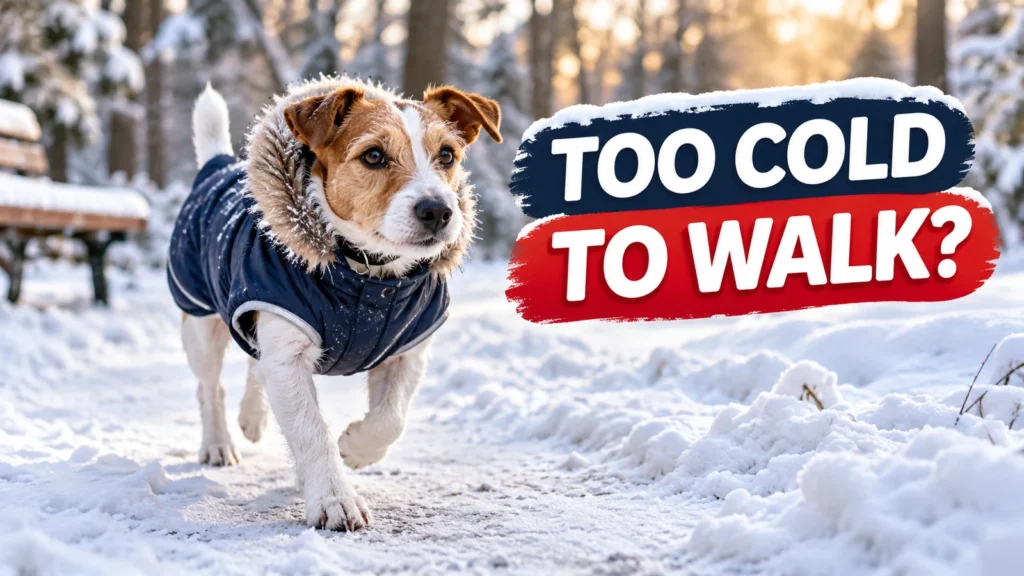
If you want a deeper look at walking limits, our guide on whether 20°F is too cold for a dog to walk covers how to decide when to head outside and when to stay in.
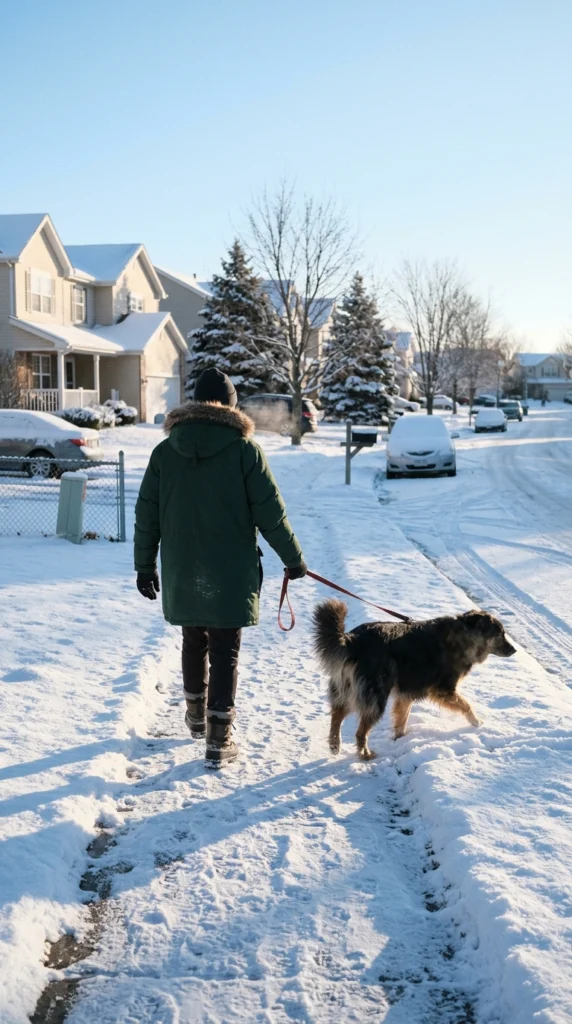
Which Dogs Get Cold the Fastest
Some dogs need extra help. The AVMA notes that short-haired pets feel the cold faster because they have less protection, and short-legged pets can chill quickly when their bellies touch snow-covered ground. Keep a closer eye on:
- Small and toy breeds, which have less body mass to hold heat
- Short-coated or thin-coated dogs, including many hounds and terriers
- Puppies and senior dogs, who may struggle to regulate body temperature
- Dogs with arthritis or other health conditions. The AVMA notes cold weather may worsen some medical conditions, so a winter checkup is a good idea.
- Thin dogs, who have less body fat to insulate them
Even dogs bred for cold climates should not stay outside for long periods in freezing weather, the AVMA says. A thick coat helps, but it is not a replacement for shelter, shade from wind, and sensible limits.
How to Keep Your Dog Warm in Winter Indoors
Most of your dog’s time is spent at home, so this is where small changes pay off.
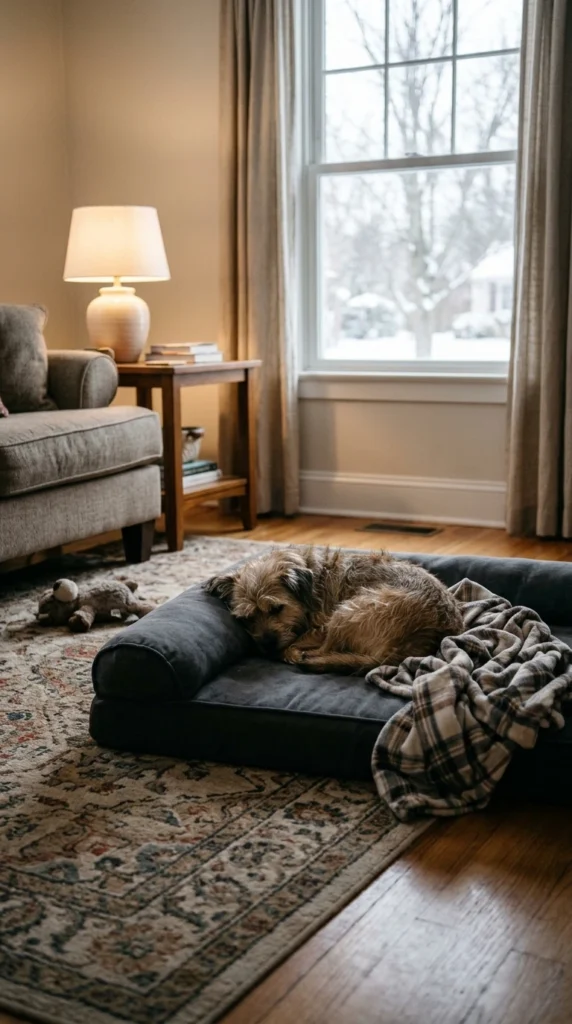
Give your dog a warm, dry bed
Place your dog’s bed away from drafty doors and windows, and lift it off cold tile or concrete with a thick bed or a folded blanket. Keep bedding dry. A damp bed pulls heat away from your dog’s body, so wash and dry it regularly.
Offer choices
The AVMA points out that pets prefer comfortable sleeping places and may move depending on how much warmth they want. Instead of forcing one spot, offer two or three: a bed near a warm room, a blanket on the sofa, and a quieter spot away from vents. Your dog will usually tell you what works.
Use heat sources carefully
Space heaters can burn a dog or be knocked over, and the AVMA and Red Cross both warn about this. Heated pet mats can also cause burns, so use them with caution and check the manufacturer’s directions. Have your furnace checked before winter and install carbon monoxide detectors, which protect your whole household.
Keep the coat in good shape
The Red Cross suggests keeping your dog’s coat longer in winter for warmth and limiting baths, since frequent bathing can dry the skin. If your dog needs a bath, use a moisturizing shampoo and dry them thoroughly before they go outside.
Dog Coats and Sweaters: When They Help
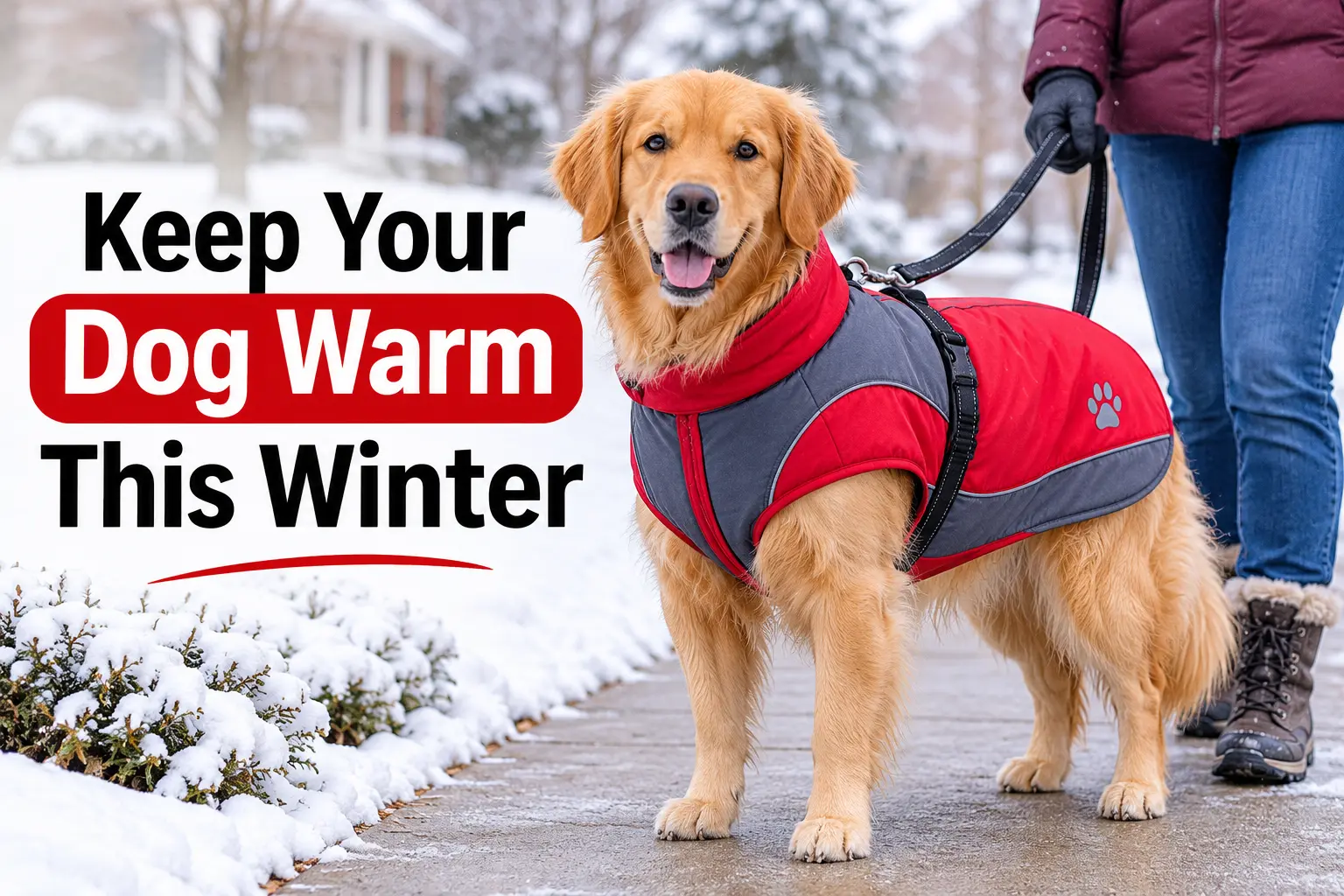
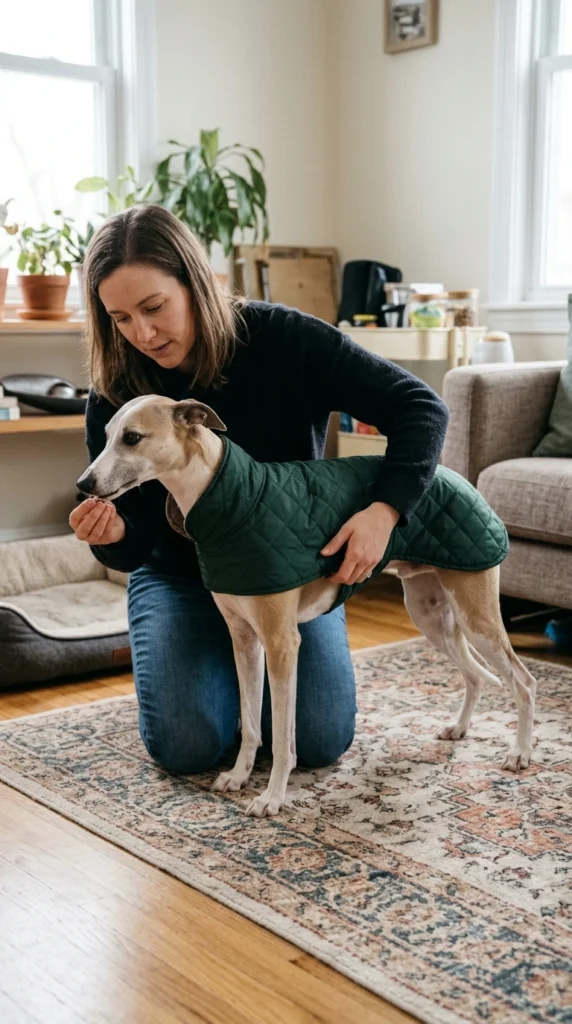
Both the AVMA and the Red Cross suggest a sweater or coat for dogs with short coats or dogs who seem bothered by cold. A few practical rules make them work better:
- Choose a good fit. A coat should cover the back and chest without restricting walking, breathing, or going to the bathroom. If your dog shuffles or tries to wriggle out, it is probably too tight or uncomfortable.
- Keep spares on hand. The AVMA recommends having several so you can put a dry sweater or coat on each time your dog goes outside. A wet coat does more harm than good.
- Introduce it gradually. Let your dog sniff the coat, reward calm behavior with treats, and start with short wear. Rushing can turn it into a fight.
- Do not rely on it. A coat helps your dog stay warmer, but it does not make extreme cold safe. Limits on time outside still apply.
- Check for overheating indoors. If your dog is panting, restless, or hot to the touch, take the coat off.
Some owners also use booties for icy sidewalks, which the AVMA mentions as an option. Not every dog accepts them, so practice at home first.
Winter Walks, Paw Care, and Ice
Dogs still need exercise in winter, but walks may need to be shorter or planned differently. The AVMA suggests adjusting the route and length of walks in very cold weather, especially for arthritic or older dogs, who may slip on snow and ice. Keep your dog on a leash, since snow and ice can hide familiar scents, and make sure your dog’s collar has current ID. The AVMA also recommends keeping contact information in your microchip registry up to date.
Check and clean paws after every walk
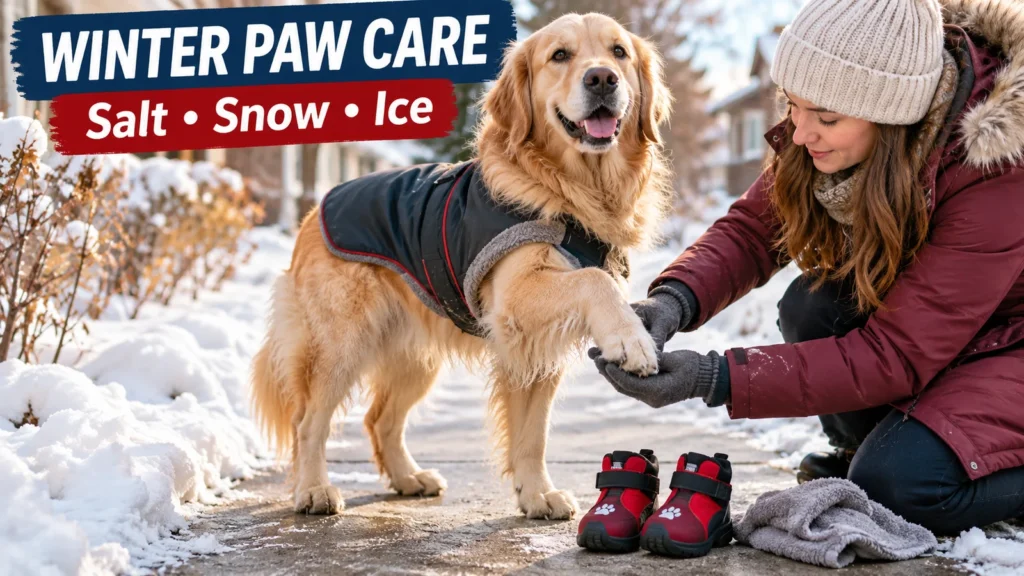
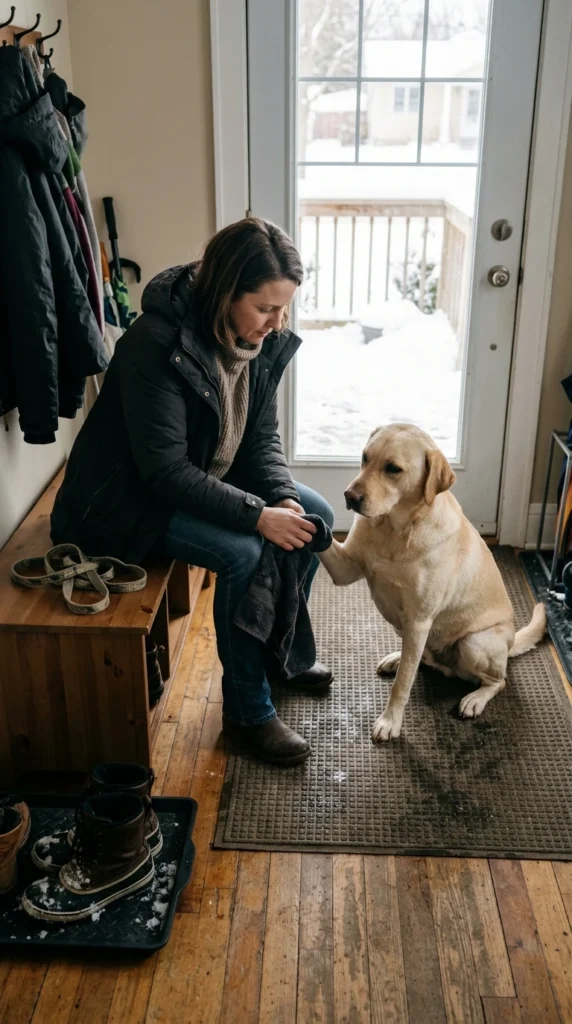
De-icing products, antifreeze, and other chemicals can stick to your dog’s feet, legs, and belly. The AVMA advises wiping them down or washing them when you come inside, so your dog does not lick the chemicals off. Check the paws regularly for cracked or bleeding pads. The Red Cross also recommends removing any snow from between the toes and drying your dog with a towel.
For a full routine, see our guide on winter paw care for dogs, which covers salt, ice, and snow in more detail.
This article may contain affiliate links. If you purchase through these links, we may earn a commission at no additional cost to you.
Some owners add a paw wax to their routine for outdoor walks. One option is Musher’s Secret Paw Wax, a 60-gram wax designed for paw care. It is not a substitute for wiping paws after walks, and it will not protect against every hazard, so keep up the cleaning and check pads often. If your dog’s paws are painful, cracked, or bleeding, call your veterinarian instead of relying on a product.
Stay off frozen water
The AVMA and the Red Cross both warn against walking your dog on frozen ponds, lakes, and other water. You cannot know whether the ice will hold, and falling through can be deadly.
Signs Your Dog Is Too Cold
Watch for these signals during walks and at home. The AVMA says that if your pet is whining, shivering, anxious, slowing down or stopping, seems weak, or starts looking for warm places to burrow, get them back inside quickly, because those are signs of hypothermia.
Imagine your small terrier trotting happily at the start of a morning walk. Ten minutes in, the pace slows, a front paw lifts, and your dog keeps glancing back toward the house. That is not stubbornness. It is a message. This is an illustrative scenario, not a documented case, but it shows how subtle early signs can be.
Frostbite is harder to spot. The AVMA notes it may not be fully recognized until a few days after the damage is done, so watch the paws, ears, and tail in the days after a long cold exposure, and call your veterinarian if something looks wrong.
If Your Dog Spends Time Outside
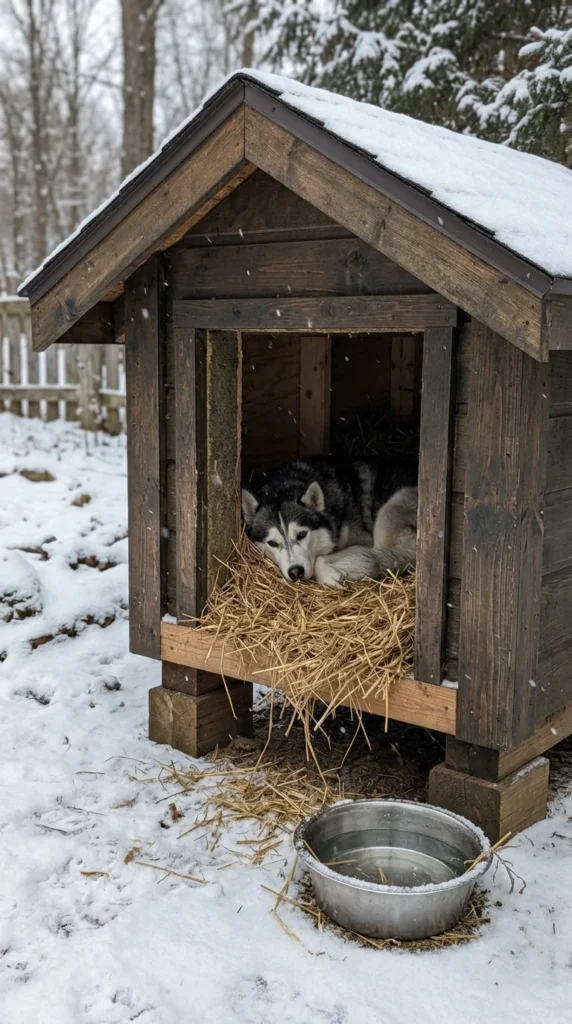
The AVMA does not recommend keeping any pet outdoors for long periods in cold weather. If you cannot keep your dog inside, the AVMA advises a warm, solid shelter that blocks wind. The shelter floor should be off the ground to reduce heat loss, the bedding should be thick, dry, and changed regularly, and the door should face away from prevailing winds. Your dog also needs unlimited access to fresh water that is not frozen, so change it often or use a pet-safe heated bowl.
The AVMA says to avoid space heaters and heat lamps in shelters because of burn and fire risks, and to use heated mats with caution. Never leave your dog alone in a parked car in cold weather. The AVMA warns that cold cars also pose a serious risk, especially for young, old, ill, or thin dogs.
Feeding Your Dog in Winter
Keep your dog at a healthy weight through the season. The AVMA cautions that some owners feel a little extra weight protects against cold, but the health risks outweigh any benefit. Outdoor dogs may need more calories to generate body heat, though the right amount depends on the dog, so ask your veterinarian before changing portions. Do not guess, and do not add supplements without veterinary advice.
Common Winter Mistakes to Avoid
- Assuming fur alone is enough protection
- Leaving a dog outside “just for a minute” in freezing weather
- Putting a wet coat or sweater on your dog
- Skipping paw checks after salty or icy walks
- Placing beds right next to a space heater or on a cold floor
- Letting your dog drink from puddles or lick de-icers, which can be toxic
- Ignoring early signs such as lifting paws, slowing down, or shivering
- Waiting too long to call a vet about suspected frostbite
Prepare for Storms and Power Outages
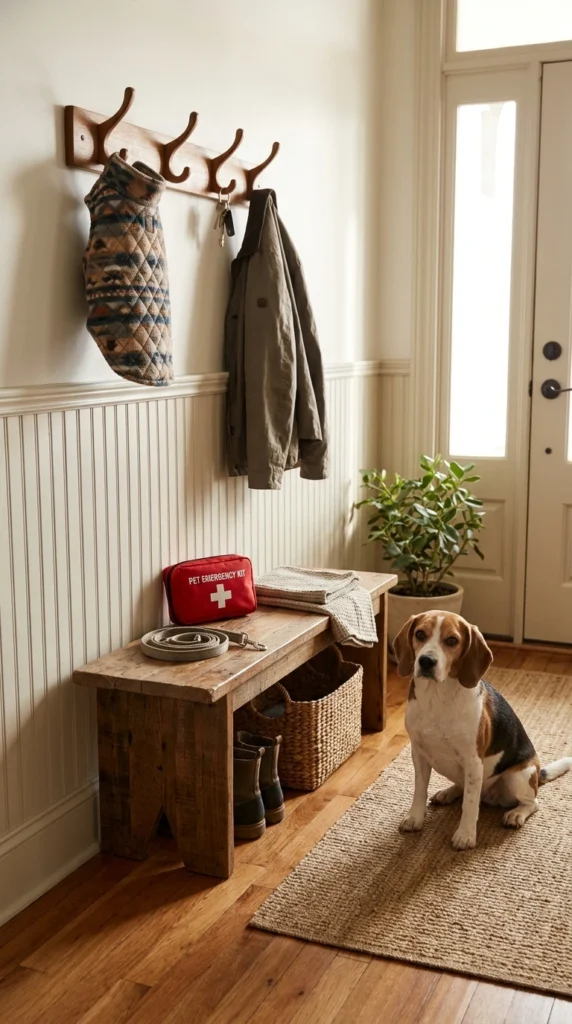
Winter storms can knock out heat. The AVMA recommends an emergency kit that includes your pet, with enough food, water, and medicine (including prescription medications and heartworm and flea/tick preventives) to last at least five days. Keep a towel, extra blanket, a leash, and a copy of your dog’s records in an easy-to-grab spot. If you lose power, put your dog in a smaller interior room with blankets, and never use a grill or generator indoors.
When to Call a Veterinarian
Routine care: Ask your vet at a winter checkup about arthritis, nutrition, and any concerns about your dog’s cold tolerance.
Call your vet the same day if your dog has cracked or bleeding paw pads, limps after a walk, shows signs of skin irritation from de-icers, or is eating less than usual.
Treat as an emergency if your dog is shivering heavily, very weak, unusually sleepy, slow to respond, has trouble breathing, or you suspect frostbite or hypothermia. Wrap your dog in dry blankets and call your veterinarian or an emergency clinic right away. If your dog licked antifreeze or another chemical, call a veterinarian or an animal poison service immediately. Do not wait for symptoms, and do not induce vomiting unless a professional tells you to.
Helpful Winter Supplies for Dogs
A few items make cold-weather routines easier. A properly fitted dog coat or sweater (with a spare), a towel kept by the door, pet-safe de-icer for your own walkway, a thick bed off the floor, and an emergency kit cover most needs. You can browse more options on our recommended dog products page. Choose items that fit your dog’s size and coat, and skip anything that restricts movement.
Frequently Asked Questions
Do dogs need a coat in winter?
Not all of them. Short-coated, small, senior, and thin dogs often benefit, while thick-coated dogs may not need one for short outings. The AVMA suggests a sweater or coat if your dog has a short coat or seems bothered by the cold.
Is it okay to keep my dog in the garage or on the porch in winter?
The AVMA says dogs should generally be kept inside in cold weather. If your dog must stay outside, a wind-blocking, dry, insulated shelter and unfrozen water are the minimum, but indoors is safer.
Should my dog sleep under blankets?
Many dogs enjoy a blanket they can burrow into or leave. Make sure your dog can easily get out from under it and move to a cooler spot if needed. Avoid heavy covers on puppies, seniors, or dogs with breathing problems unless your vet says otherwise.
How long can my dog stay out in the cold?
It depends on the dog, the weather, and conditions like wind and wet ground. Keep outings short, watch your dog’s behavior, and head inside at the first signs of discomfort.
Can I use a space heater near my dog’s bed?
It is risky. The AVMA and Red Cross warn that space heaters can burn pets or be knocked over. Warm the room safely and use bedding, rather than a heater placed beside your dog.
Final Thoughts
Keeping your dog warm in winter does not require anything complicated. Give your dog a dry, draft-free bed, adjust walks to the weather, protect paws, use a coat when it helps, and learn the warning signs. Your next step is simple: this week, check your dog’s bed, set out a towel by the door, and call your veterinarian if your dog is small, senior, or has a health condition that cold could affect.
Sources and Further Reading
- American Veterinary Medical Association: Keeping Pets Safe During Cold Weather (news release, January 22, 2026, as published by the Village of Riverwoods)
- American Red Cross: Cold Weather Can Be Dangerous for Your Pets
This article is for general education and does not replace advice from your veterinarian. Talk with your vet about your dog’s health, age, breed, and cold-weather needs.