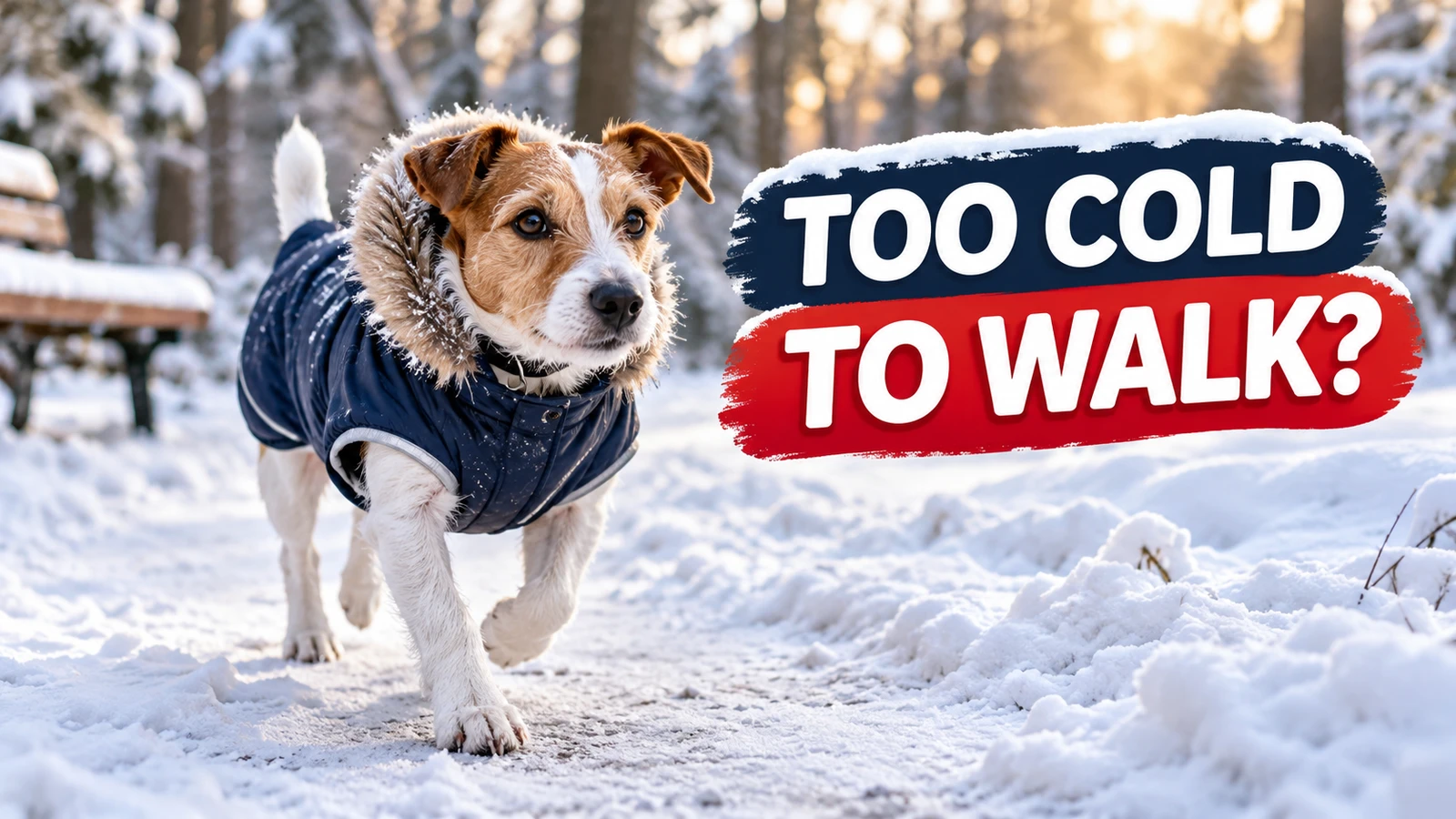
Quick answer: Yes, 20°F (about −7°C) can be too cold for some dogs to walk comfortably or safely. Other healthy, cold-adapted dogs may tolerate a short outing, but there is no universal safe time limit. Wind, moisture, ice, coat type, body size, age, and health all matter. If your dog shivers, repeatedly lifts their paws, slows down, or wants to turn back, go inside.
A winter walk can be a welcome break for both you and your dog. But when the thermometer reads 20 degrees Fahrenheit, the question is no longer simply whether your dog wants to go. It is whether the conditions and your dog’s individual needs make that outing a sensible choice. Below is a practical way to decide, without relying on misleading breed charts or one-size-fits-all minute limits.
Table of Contents
What does 20°F feel like to a dog?
Twenty degrees Fahrenheit is well below freezing: approximately −6.7°C. At that temperature, uncovered skin, paws, and ears can get uncomfortably cold, especially in wind or wet conditions. Dogs have natural insulation, but it varies enormously. A thick double coat is not the same as a thin, short coat; a lean, small dog is not insulated like a larger dog with substantial body mass.
Air temperature also tells only part of the story. A dry, calm afternoon at 20°F may be easier to manage than a windy, snowy evening at the same temperature. Wet fur reduces insulation, and contact with icy sidewalks or deicing chemicals adds a separate paw hazard. Your dog’s behavior is more useful than the number on the weather app alone.
Which dogs are more vulnerable at 20°F?
Small and toy breeds: Their bodies often lose heat more quickly relative to their size. A Chihuahua or other small, thin-coated dog may need a very brief potty outing rather than a full walk.
Short-haired or lean dogs: Dogs with little undercoat or body fat, including many sighthounds, can become chilled sooner. A properly fitted coat may help, but it does not make freezing weather risk-free.
Puppies and senior dogs: Young puppies may not regulate temperature as effectively, while older dogs may have reduced mobility, joint discomfort, or health conditions that affect tolerance.
Dogs with medical conditions: Heart or respiratory disease, arthritis, reduced mobility, and other illnesses can change what is appropriate. Follow your veterinarian’s individual advice rather than using a general cold-weather chart.
Cold-adapted breeds: Some healthy dogs with dense double coats are more comfortable in cold weather. That does not make them immune to frostbite, hypothermia, slippery surfaces, or prolonged exposure. Watch them just as closely.
How long can a dog walk in 20-degree weather?
There is no evidence-based number of minutes that is safe for every dog at 20°F. A brief bathroom break may be enough for a vulnerable dog; another dog may comfortably manage a somewhat longer, supervised outing. Even two dogs of the same breed can differ because of fitness, age, health, wind exposure, and whether their fur is dry.
Instead of choosing a fixed time, plan a short route close to home. Check your dog from the first few minutes and return before they show discomfort. If the forecast includes strong wind, freezing rain, or hazardous ice, replace the walk with a quick potty trip and indoor enrichment. Never force a dog to continue because a timer has not run out.
Seven steps for a safer cold-weather walk
- Check the full forecast. Look at wind chill, precipitation, and icy conditions, not just the air temperature.
- Assess your dog. Consider coat, size, age, medical needs, and how they handled previous cold outings.
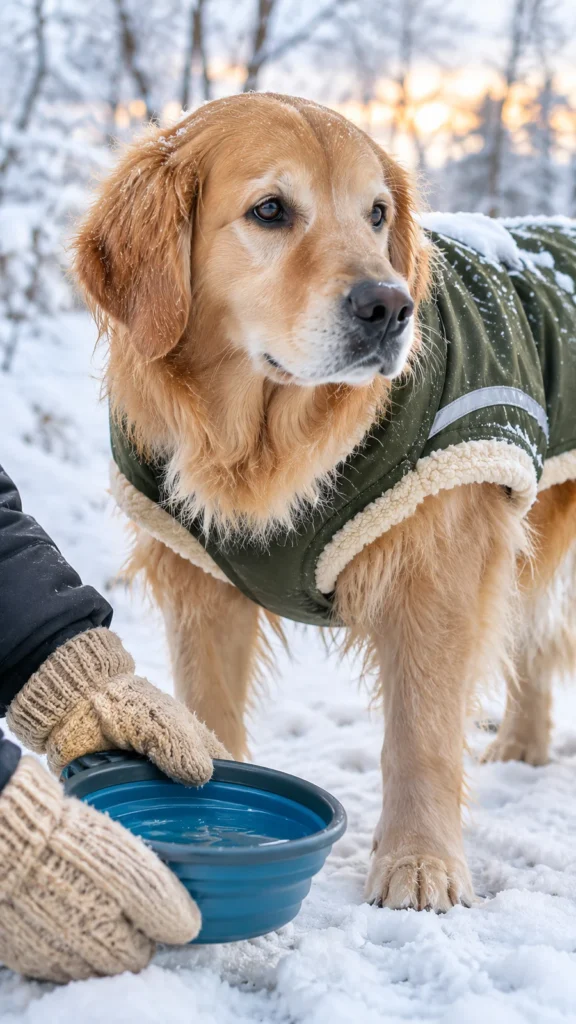
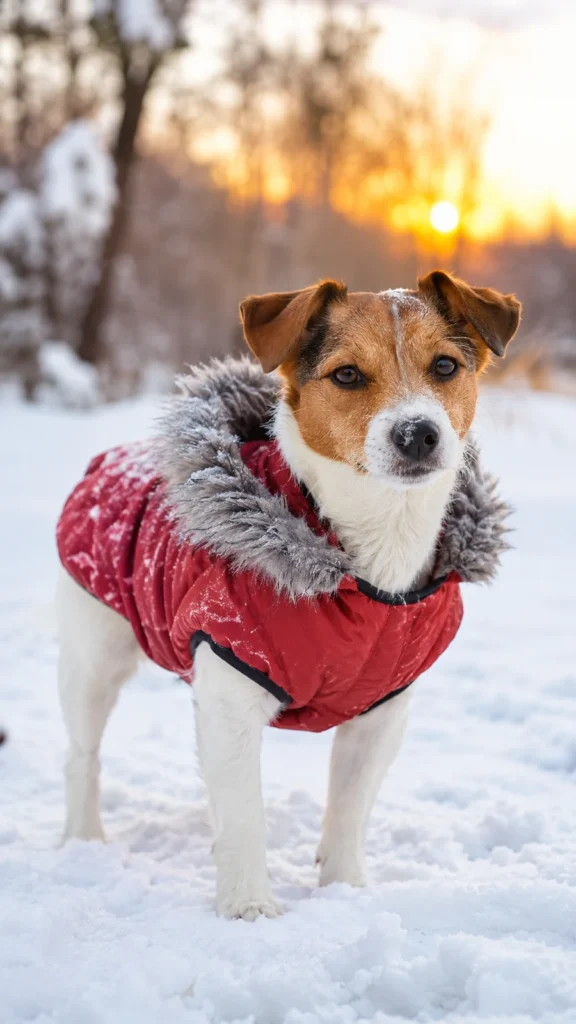
- Choose appropriate clothing. For dogs that need it, use a dry, well-fitting insulated coat that does not restrict movement or bathroom access.
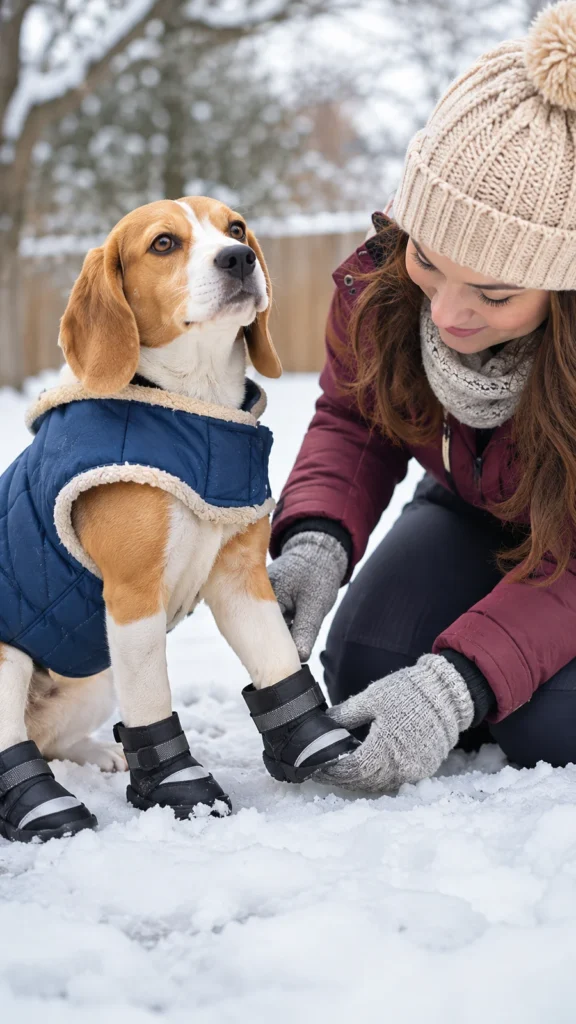
- Protect paws. Dog boots may reduce exposure to ice and deicers if your dog accepts them. Practice wearing them indoors first; never assume they fit without checking.
- Keep the route short and familiar. Stay near home, avoid frozen water, and use a secure leash on slippery ground.
- Watch continuously. Look for paw lifting, shivering, unusual slowness, whining, tucked posture, or a strong desire to return.
- Clean and dry afterward. Wipe paws and between toes to remove salt and deicing residue. Dry damp fur, and provide a warm resting place and drinking water.
Warning signs: when to end the walk immediately
Turn back at once if your dog begins shivering, repeatedly holding up a paw, limping, slowing markedly, whining, hunching, or seeking shelter. These are signs that the outing is not going well. Do not wait for more dramatic symptoms.
Possible hypothermia is an emergency. Weakness, marked lethargy, stumbling, confusion, collapse, or abnormal breathing after cold exposure require urgent veterinary attention. Bring your dog into a warm, dry place, remove wet items, wrap them in dry blankets, and contact an emergency veterinarian. Warm gradually; avoid direct heating pads, very hot water, or vigorous rubbing.
Possible frostbite also needs veterinary care. Ears, tails, and paws are especially exposed. Skin may appear pale, grayish, blue-tinged, swollen, or painful; damage can be more apparent after warming. Do not rub or massage affected areas, and do not apply intense heat. Ask a veterinarian for immediate instructions.
What about snow, ice, and sidewalk salt?
Snow itself is not the only problem. Ice can cause slips and injuries; compacted snow may form painful clumps between toes; and deicing products can irritate paw pads or become harmful when licked off. Choose cleared, less-treated paths when possible. Avoid allowing your dog to lick puddles, road slush, or residue from sidewalks.
After every winter outing, gently wipe all four paws, including between the toes, and dry them thoroughly. If your dog has cracked, bleeding, or persistently painful paw pads, contact your veterinarian. Never use human hand cream or a topical product without confirming it is safe if licked.
Does a winter coat make a 20°F walk safe?
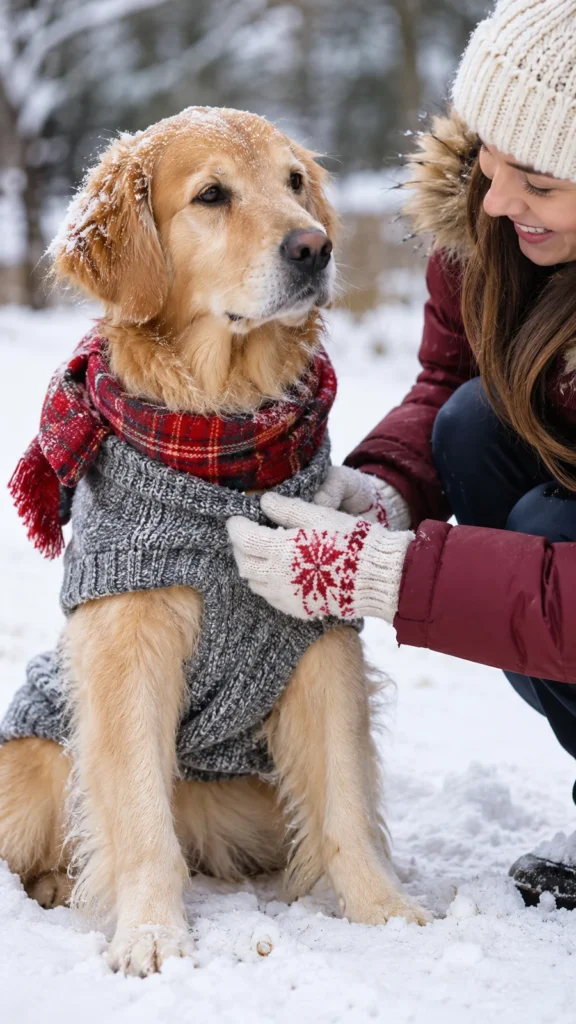
A coat can help some dogs retain warmth, especially those with short hair or limited natural insulation. It cannot eliminate risks from wind, prolonged exposure, icy ground, or illness. Select a coat that covers the torso, stays dry, fits snugly without chafing, and allows your dog to move normally. Remove it indoors so your dog does not overheat.
Boots are similarly helpful for some dogs but are not a guarantee. Poorly fitted boots can rub, twist, or fall off. Introduce them gradually with treats and short indoor practice sessions. If your dog refuses boots, focus on very short outings, avoiding treated surfaces, and careful paw cleaning afterward.
Indoor alternatives when it is too cold
Skipping a long walk does not mean skipping your dog’s needs. Try several five- to ten-minute activities throughout the day, adjusted to your dog’s age and ability: hide a few pieces of their regular kibble for a scent game, practice simple cues, use a food puzzle, or play gentle indoor fetch in a non-slip space. Count treats toward the day’s food allowance.
For dogs with joint pain or limited mobility, low-impact sniffing games and calm training are often more suitable than vigorous jumping. Make sure your dog still has a safe, accessible way to toilet, even if that means a brief trip outside or a veterinarian-approved indoor arrangement.
Quick decision checklist before opening the door
- Is it windy, wet, icy, or actively snowing?
- Is my dog small, short-coated, young, older, or medically vulnerable?
- Can we stay close enough to return home immediately?
- Are the leash, coat, and optional boots comfortable and secure?
- Do I have a plan to wipe and dry paws afterward?
- Am I prepared to end the outing at the first sign of discomfort?
If several answers raise concerns, choose a quick potty break and indoor activity instead. A missed long walk is much safer than pushing through a potentially dangerous one.
Frequently asked questions
Is 20°F too cold for a puppy?
It may be. Puppies can be more vulnerable to cold, particularly if they are small or short-coated. Keep toilet trips brief and supervised, and ask your veterinarian about your puppy’s individual needs and vaccination-safe exercise options.
Can a husky walk in 20-degree weather?
Many healthy, cold-adapted huskies tolerate cold better than thin-coated dogs, but there is no automatic safe duration. Wind, wet fur, icy ground, conditioning, and health still matter. Monitor the dog and return when needed.
Should I use dog boots in freezing weather?
Boots can help protect paws from ice, rough surfaces, and some deicing exposure when they fit properly. Introduce them slowly and inspect paws after use. They do not replace supervision or post-walk cleaning.
What if my dog refuses to walk in the cold?
Do not drag or force them. Return indoors, check for paw pain or discomfort, and offer indoor enrichment. If reluctance is sudden, persistent, or accompanied by limping, contact your veterinarian.
Can dogs get frostbite or hypothermia at 20°F?
Yes. Risk depends on exposure and individual factors, and it can rise with wind or wet conditions. Suspected frostbite or hypothermia warrants prompt veterinary assessment; severe weakness, collapse, or breathing changes are emergencies.
Final thoughts
At 20°F, the safest question is not “How many minutes can my dog stay out?” but “Is this particular outing comfortable and appropriate for my dog right now?” Check the conditions, start conservatively, watch closely, and turn back early. A short bathroom break followed by a cozy indoor game is a perfectly good winter plan.
Editorial note: This is general pet-care information, not a substitute for veterinary advice. It has not been reviewed by a veterinarian.
Further reading
For broader cold-weather pet safety guidance, consult the American Veterinary Medical Association’s cold-weather animal safety resources. For urgent symptoms, contact your veterinarian or a local emergency veterinary clinic.