Winter can be beautiful, but cold weather can create real risks for dogs. Snow, ice, freezing temperatures, road salt, and antifreeze can all affect your dog’s comfort and safety.
Good winter dog care does not have to be complicated. A few simple changes can help your dog stay warm, comfortable, active, and protected during colder months.
In this guide, you’ll learn practical winter dog care tips for walks, paws, grooming, food, indoor activities, and cold-weather safety.
Table of Contents
1. Keep Your Dog Warm Indoors
Your dog should have a warm, comfortable place to rest during cold weather. Keep their bed away from cold floors, drafts, and doors that open often.
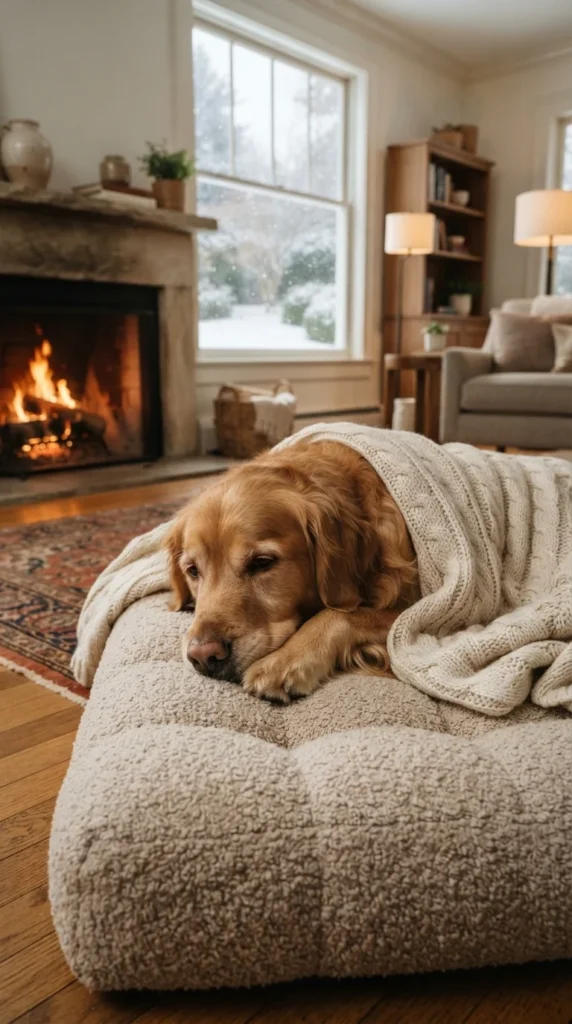
A soft bed with a warm blanket can make the resting area more comfortable. Senior dogs, puppies, small dogs, and dogs with short coats may need extra protection from the cold.
Avoid assuming that a thick coat makes every dog safe in freezing weather. Dogs can still become too cold when exposed for too long.
2. Limit Time Outside in Very Cold Weather
Dogs still need fresh air and bathroom breaks during winter. However, outdoor time may need to be shorter when temperatures become very cold.
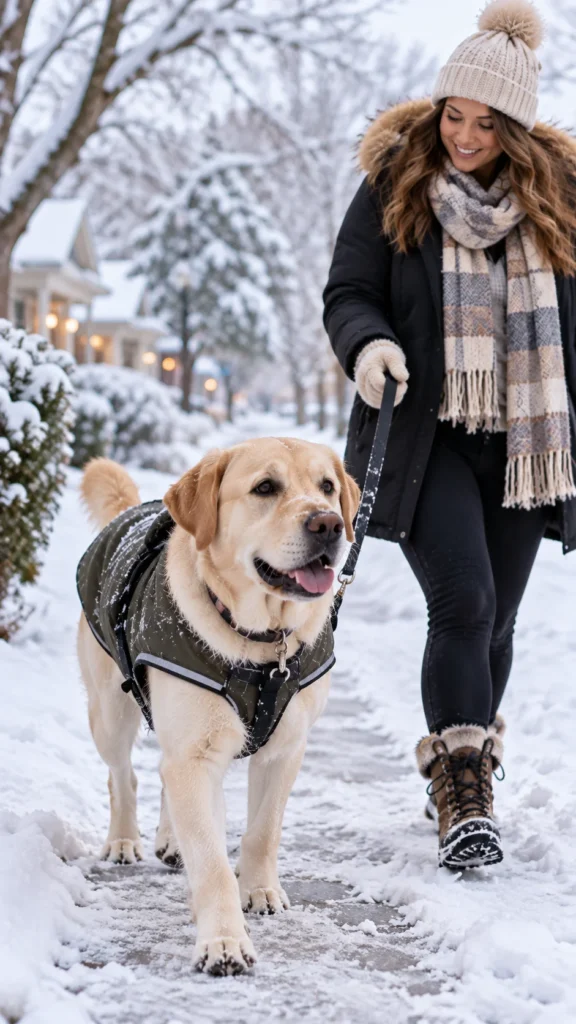
Watch your dog instead of relying only on the temperature. Shivering, whining, lifting paws, weakness, or reduced energy can mean your dog is becoming too cold.
When the weather is extremely cold, choose shorter walks and return indoors sooner. Dogs that are very young, elderly, small, or have health concerns may be more sensitive to cold.
3. Use a Winter Coat When Your Dog Needs One
Some dogs benefit from wearing a sweater or winter coat outdoors. This can be especially helpful for dogs with short coats or dogs that are more sensitive to cold.
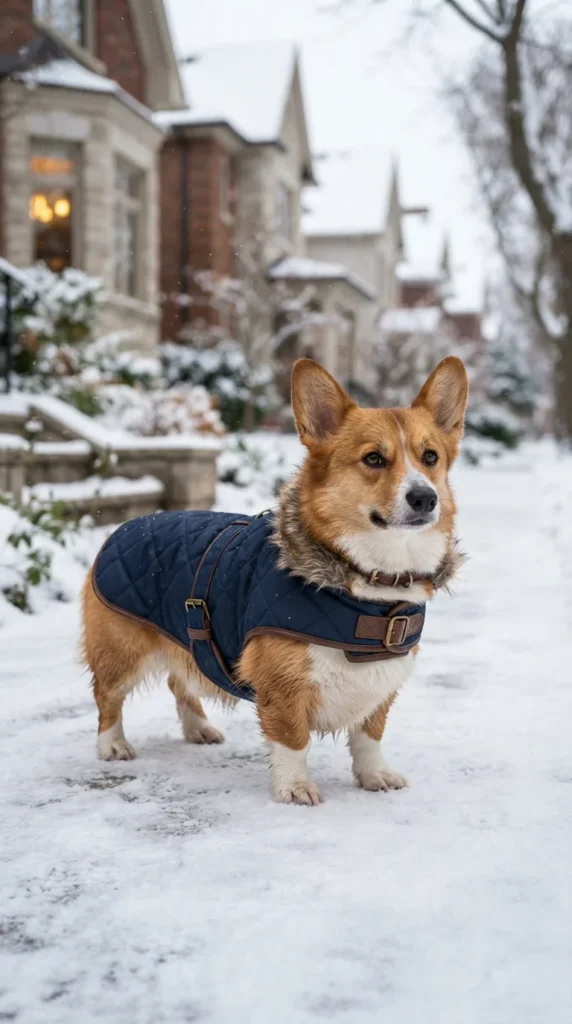
Choose a coat that fits comfortably around the chest and body. Your dog should still be able to walk, sit, and move naturally.
Introduce winter clothing slowly if your dog has never worn it before. Never leave clothing on your dog unattended if there is a risk of discomfort or entanglement.
4. Protect Your Dog’s Paws From Ice and Salt
Winter walks can be tough on your dog’s paws. Ice, snow, road salt, and chemical ice melts can irritate paw pads.
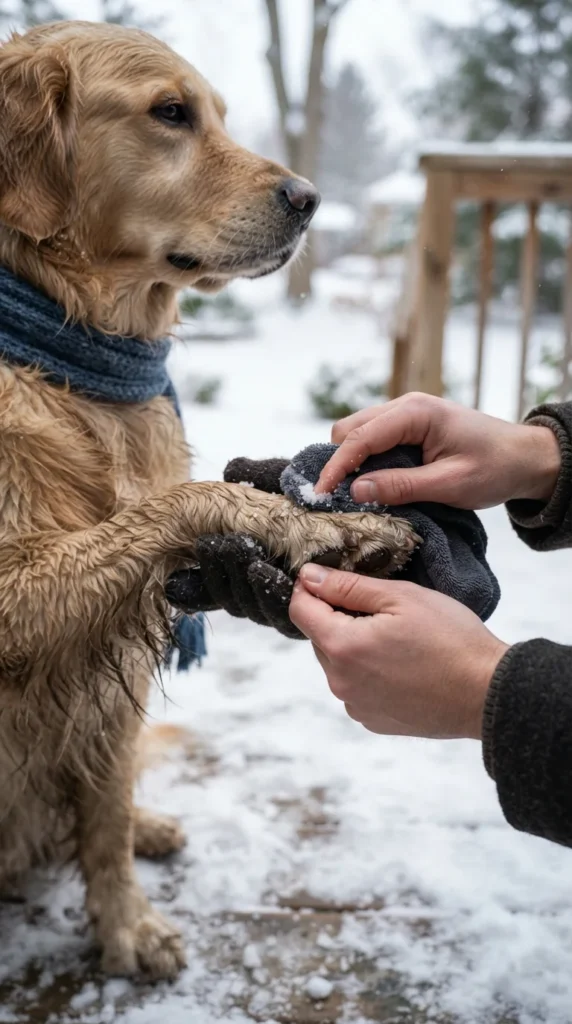
Check your dog’s paws after every winter walk. Look between the toes and around the pads for ice, salt, redness, cracks, or debris.
A warm, damp cloth can help remove salt and other winter chemicals. Some dogs may also benefit from properly fitted booties or a veterinarian-approved paw protectant.
5. Dry Your Dog After Snow or Rain
Wet fur can make your dog feel colder after outdoor activities. When your dog comes inside, towel-dry wet fur as soon as possible.
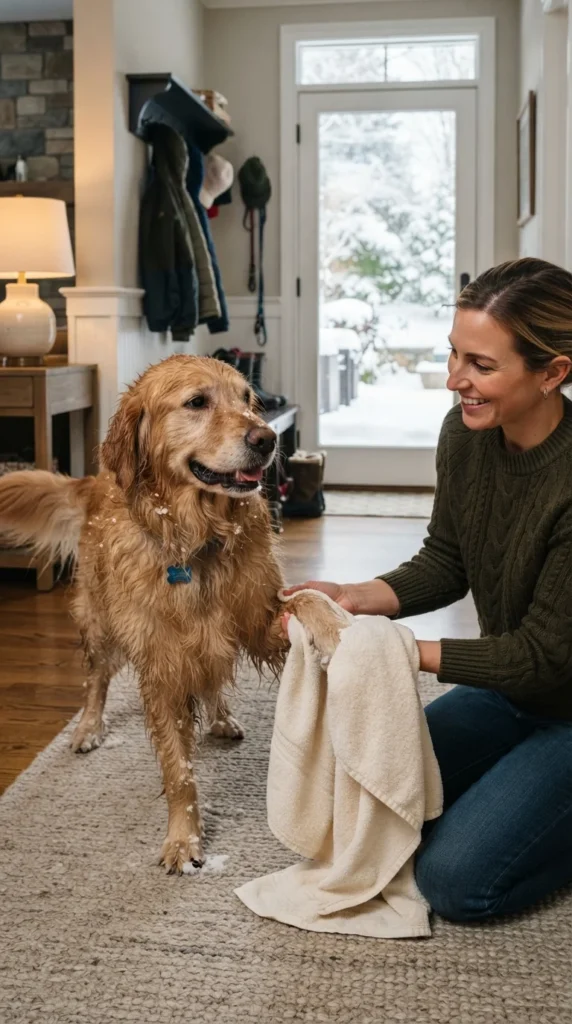
Pay special attention to the paws, belly, legs, and areas between the toes. Remove snow or ice that has collected around the feet.
Drying your dog also helps prevent moisture from sitting against the skin for long periods.
6. Don’t Shave Your Dog’s Coat Too Short
Your dog’s coat can provide natural insulation during winter. Avoid shaving the coat down to the skin during cold weather unless your veterinarian or groomer recommends it for a specific reason.
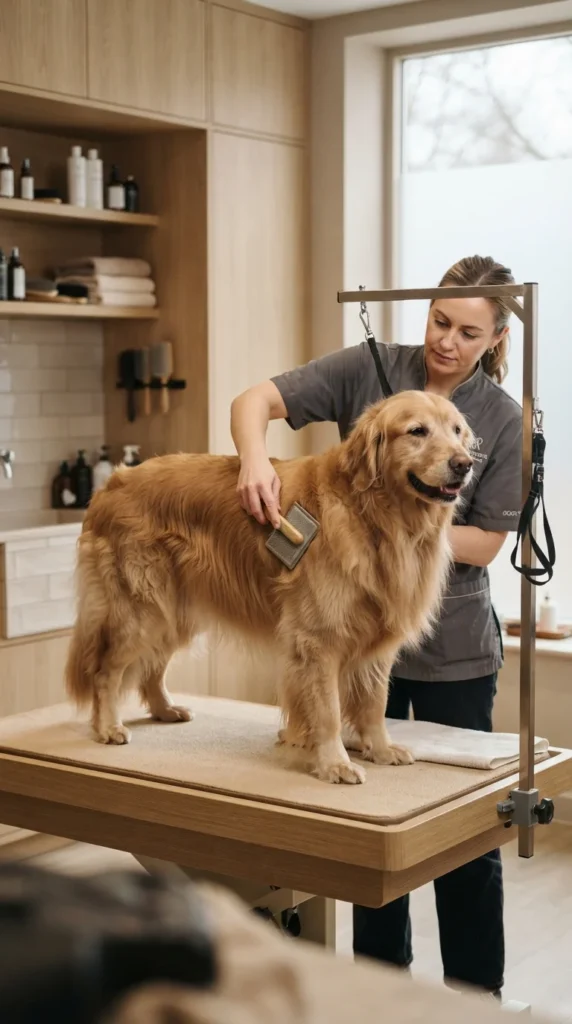
Long-haired dogs may still need light trimming around the feet. This can help reduce the amount of snow and ice that sticks around the paws.
Regular brushing can also help keep the coat clean and free of mats. A healthy, well-maintained coat can provide better protection than a neglected one.
Bathe your dog only as often as needed during cold spells, since baths can leave the skin and coat damp and dry out the skin.
7. Give Your Dog a Warm Sleeping Area
Your dog’s sleeping space matters even more during winter. Place the bed somewhere warm and away from cold drafts.
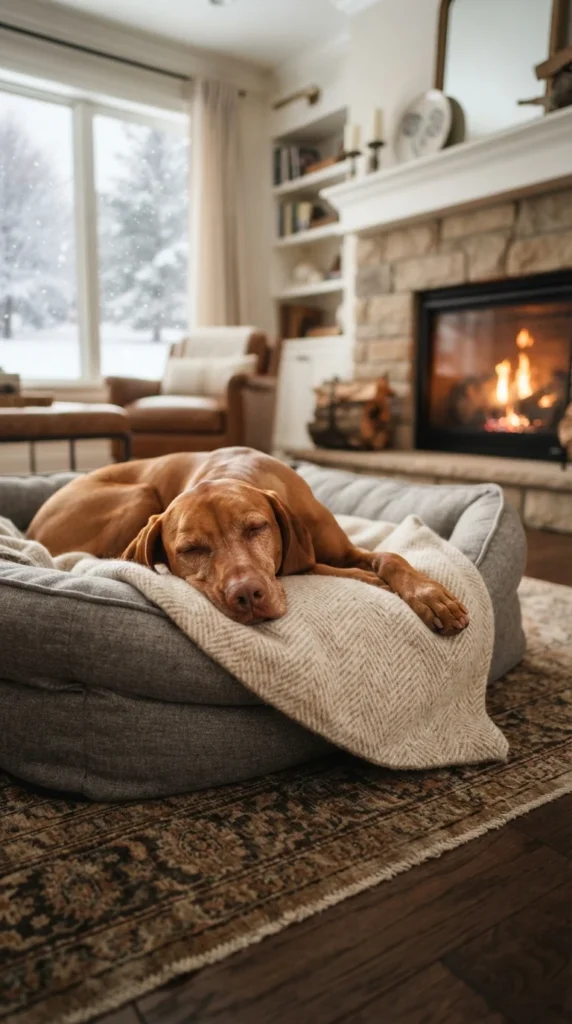
Keep the bed off very cold floors when possible. Add a comfortable blanket if your dog enjoys sleeping with one.
Make sure your dog can move away from blankets or bedding if they become uncomfortable. The goal is a warm, safe resting area rather than excessive heat.
8. Keep Fresh Water Available
Dogs still need regular access to fresh water during winter. Cold weather does not remove the need for good hydration.
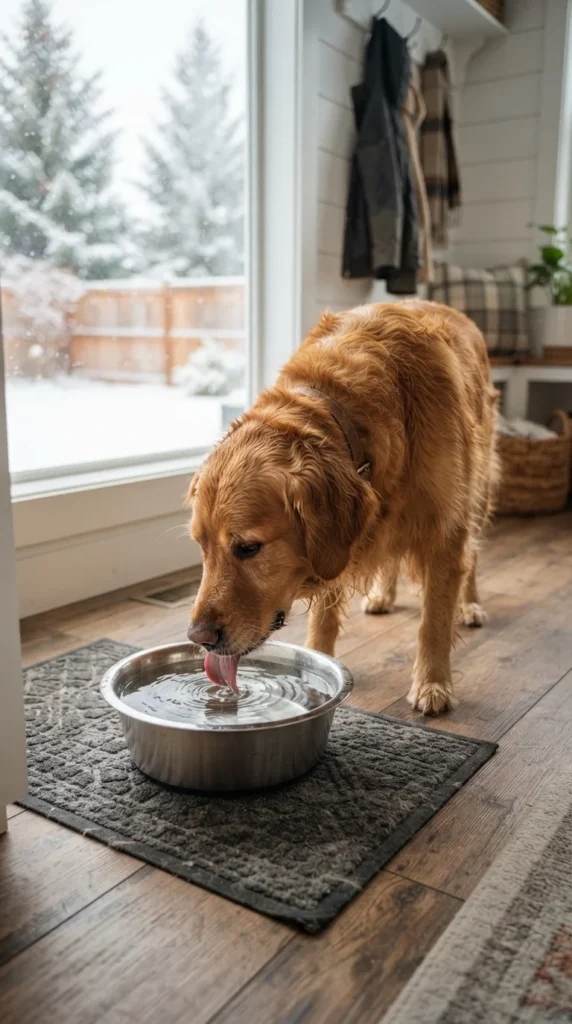
Indoor heating can make the air dry, while outdoor activity can still increase your dog’s need for water. Check the water bowl regularly and keep it clean.
If your dog spends time outdoors, make sure their water does not freeze. Fresh water should always be available.
9. Be Careful With Winter Food Changes
Some dogs may use more energy in cold weather, especially dogs that spend significant time outdoors or work in cold conditions.
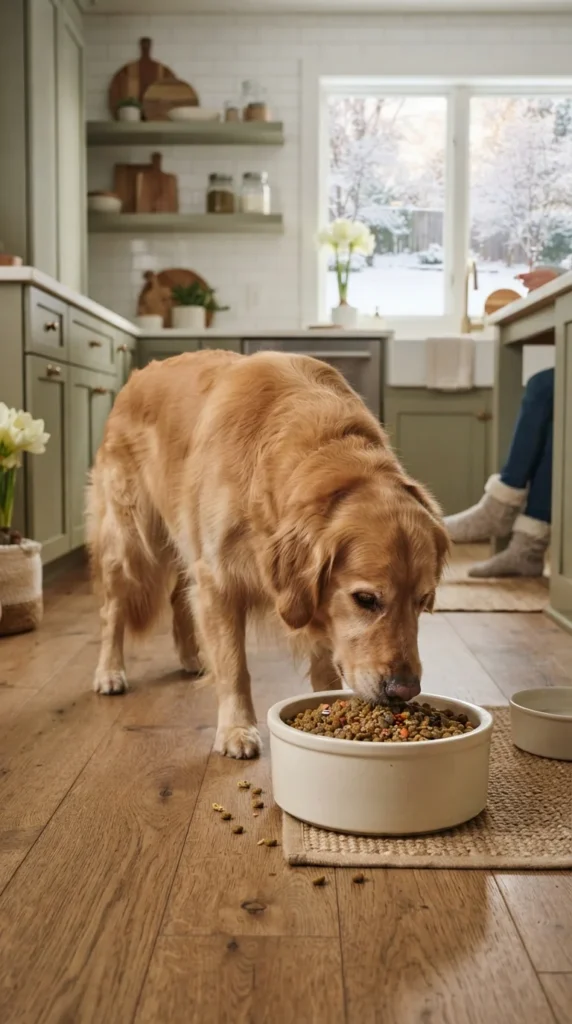
However, don’t automatically increase your dog’s food simply because winter has arrived. Your dog’s calorie needs depend on factors such as activity, body condition, age, health, and time spent outdoors.
Talk with your veterinarian before making a major change to your dog’s diet. Keeping your dog at a healthy body condition is important in every season.
10. Keep Your Dog Active Indoors
Bad winter weather can make long outdoor walks difficult. That does not mean your dog needs to be bored all day.
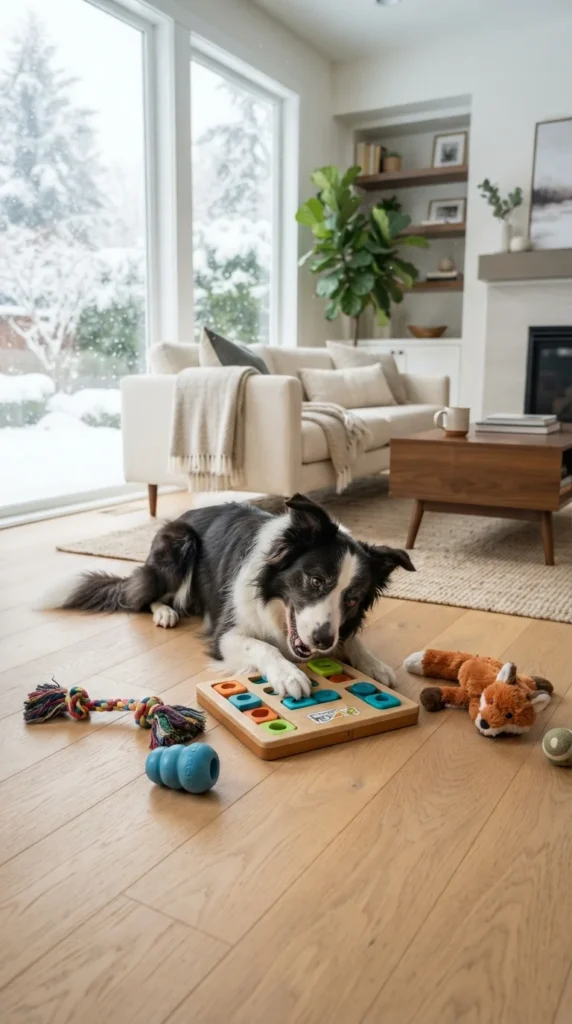
Try indoor games, short training sessions, puzzle toys, scent games, or interactive toys. These activities can provide mental stimulation when outdoor exercise is limited.
You can also create a safe indoor play area with enough space for your dog to move comfortably.
11. Keep Your Dog Away From Frozen Ponds and Lakes
Snow and ice can make frozen water look safe when it isn’t. Thin ice can break under your dog’s weight.
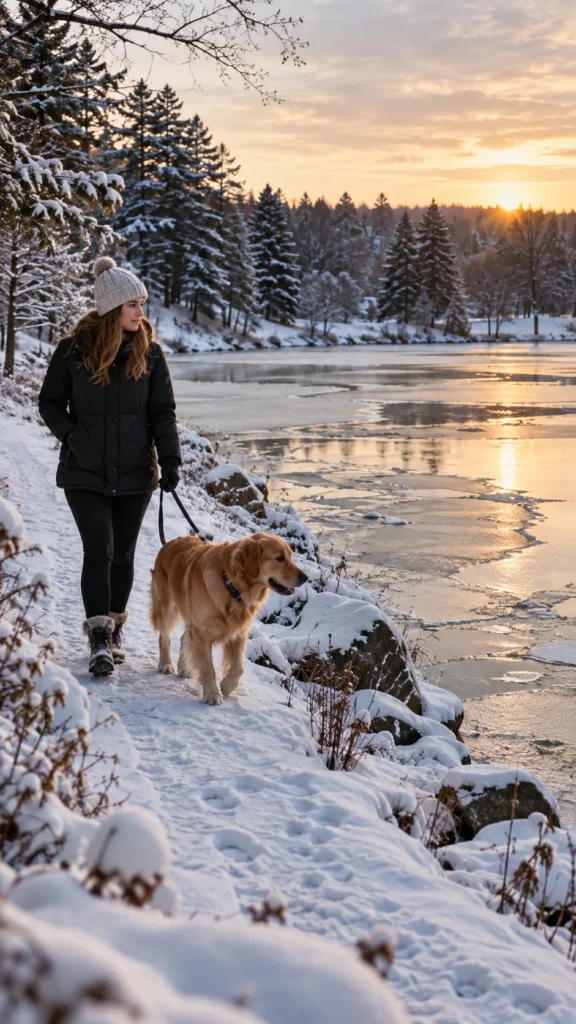
Keep your dog on a leash near frozen ponds, lakes, rivers, and other icy water. Do not allow your dog to run onto frozen surfaces.
A fall through ice can become a serious emergency. Prevention is much safer than trying to rescue a dog from freezing water.
12. Watch Out for Antifreeze and Ice-Melting Chemicals
Winter brings dangerous chemicals into areas where dogs walk and explore. Antifreeze is highly toxic, and even small exposures can be life-threatening.
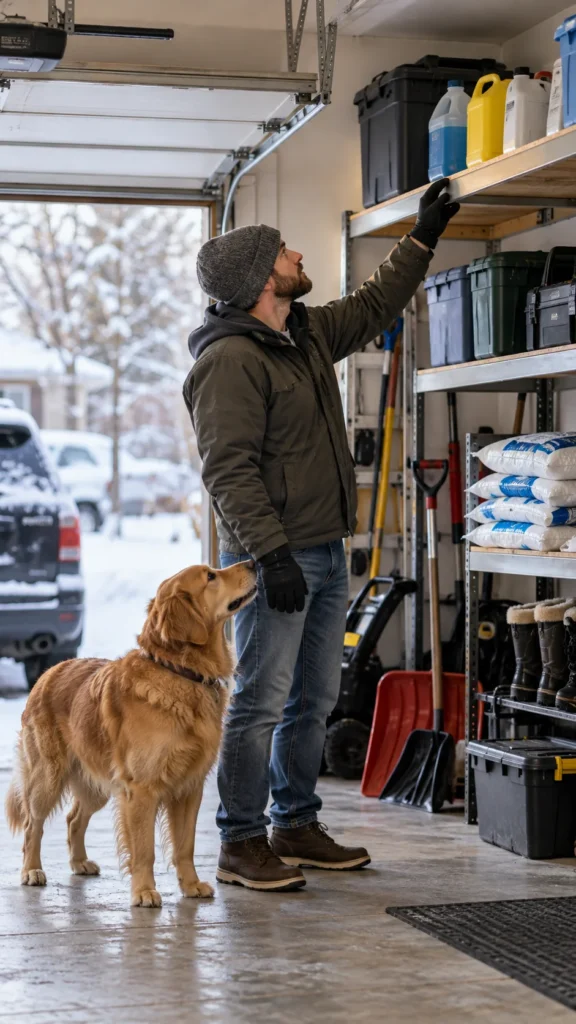
Keep antifreeze containers securely stored and clean spills immediately. Don’t allow your dog to lick unknown liquids from driveways, garages, roads, or parking areas.
Ice-melting products can also irritate paws and may cause problems if swallowed. Wiping your dog’s paws after walks can help reduce exposure.
If you think your dog has swallowed antifreeze or another potentially toxic winter chemical, contact your veterinarian or the ASPCA Animal Poison Control Center at (888) 426-4435 immediately.
13. Keep Your Dog Leashed in Snow and Ice
Snow can change the environment your dog normally knows. Familiar smells may become harder to follow, and normal boundaries can disappear under heavy snow.
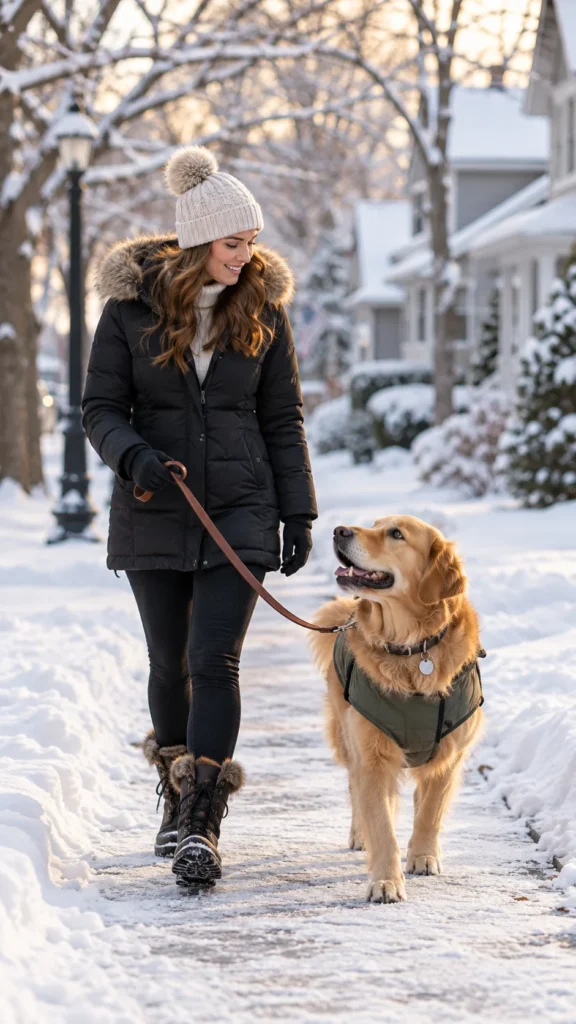
For winter walks, use a secure leash and make sure your dog has proper identification. A collar with current identification information is especially important during storms or heavy snowfall. A microchip can add another layer of protection if a collar comes off.
Avoid allowing your dog to run freely near roads, frozen water, or unfamiliar snowy areas.
14. Protect Your Dog From Frostbite and Hypothermia
Dogs can develop cold-related injuries when exposed to very low temperatures for too long. Frostbite commonly affects areas such as the ears, paws, tail, and nose.
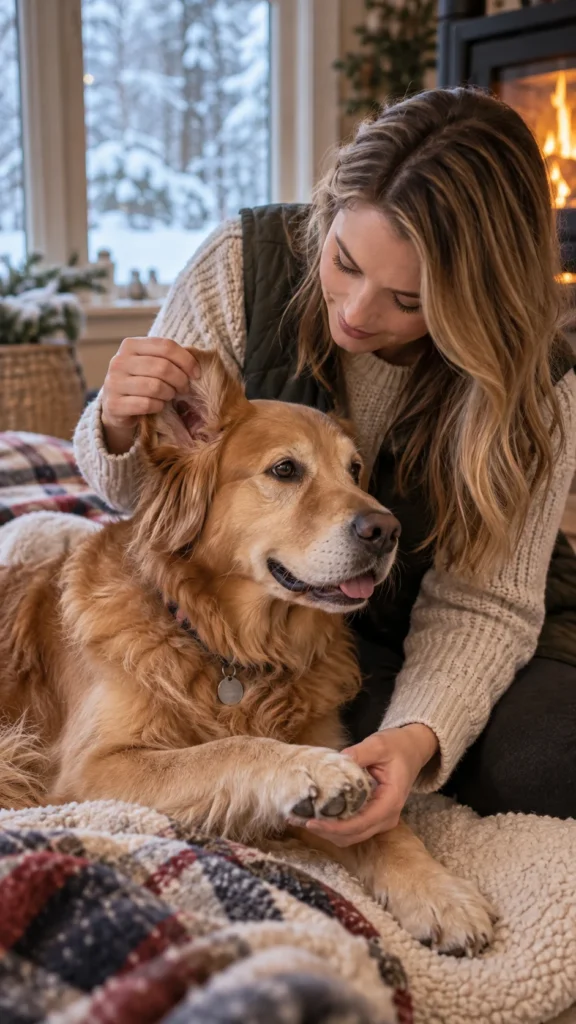
Possible warning signs include shivering, weakness, pale or cool skin, unusual tiredness, confusion, or changes in breathing.
If you think your dog is becoming dangerously cold, bring them indoors and warm them gradually. Contact your veterinarian for guidance, especially if symptoms are severe or continue after warming.
Do not rub or massage suspected frostbitten skin.
15. Adjust Winter Walks to Your Dog
Not every dog handles winter weather in the same way. A thick-coated northern breed may tolerate cold differently from a small, short-haired dog.
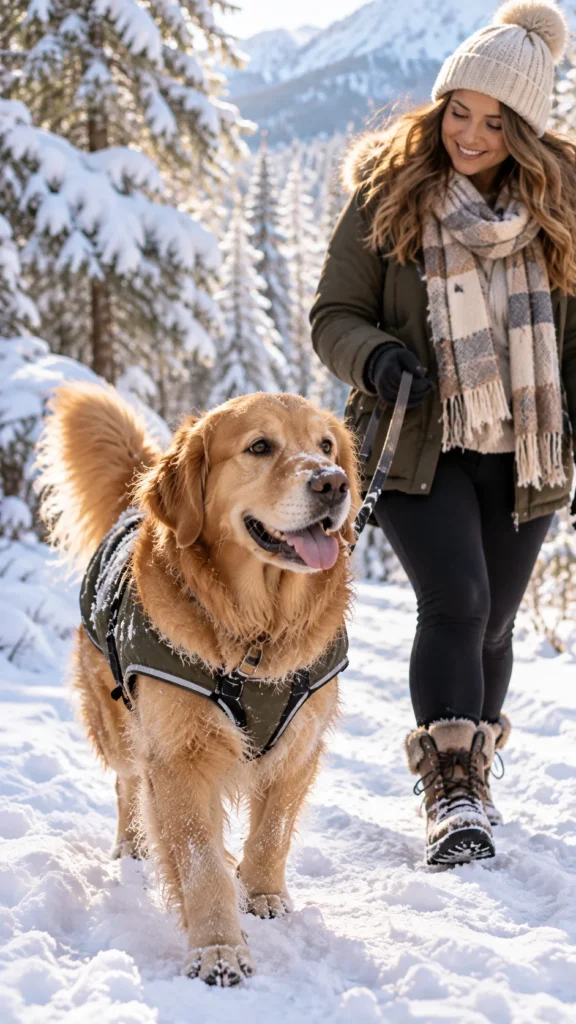
Age and health also matter. Puppies, senior dogs, and dogs with certain health conditions may need more protection.
Pay attention to your individual dog during every winter outing. If your dog looks uncomfortable, starts shivering, lifts their paws, or loses interest in the walk, head inside.
16. Never Leave Your Dog Alone in a Cold Car
Cars can hold in the cold and act like a refrigerator in winter. Do not leave your dog alone in a parked car during cold weather, even for a short errand.
If you are running errands, it is safer to leave your dog at home in a warm, comfortable space.
A Simple Winter Dog Care Routine
A simple routine can make winter care easier.
Morning
Check the weather before your first walk. Give your dog fresh water and choose appropriate clothing if needed.
Before going outside
Check your dog’s coat and paws. Use a winter coat or booties if your dog needs them and tolerates them comfortably.
After the walk
Wipe and dry the paws. Remove snow, ice, salt, and debris from between the toes.
During the day
Provide fresh water, indoor activity, and a comfortable warm resting space.
Evening
Check your dog’s paws, coat, behavior, and energy. Make sure the sleeping area is warm and free from drafts.
Winter Dog Care Checklist
Use this simple checklist during cold weather:
- Keep your dog warm indoors.
- Limit outdoor time during extreme cold.
- Use a properly fitted coat when needed.
- Protect paws from ice and salt.
- Wipe and dry paws after walks.
- Dry wet fur after snow or rain.
- Avoid shaving the coat too short.
- Provide a warm sleeping area.
- Keep fresh water available.
- Adjust food only when appropriate.
- Offer indoor games and enrichment.
- Avoid frozen ponds and lakes.
- Keep antifreeze safely stored.
- Watch for ice-melt chemicals.
- Keep your dog leashed around snow and ice.
- Watch for signs of frostbite or hypothermia.
- Never leave your dog alone in a cold car.
When Should You Call the Veterinarian?
Contact your veterinarian if your dog shows concerning signs after cold exposure.
These can include persistent shivering, weakness, unusual tiredness, confusion, pale or cool skin, pain, swelling, or changes in breathing.
Suspected antifreeze ingestion should be treated as an emergency. Don’t wait for symptoms to become severe before seeking professional help.
If you’re unsure whether your dog’s winter behavior or symptoms are normal, your veterinarian can provide advice based on your dog’s age, breed, health, and living conditions.
ASPCA, Cold Weather Safety Tips: https://www.aspca.org/pet-care/general-pet-care/cold-weather-safety-tips
FAQs About Winter Dog Care
How cold is too cold for a dog?
There is no single temperature that is safe for every dog. Breed, coat, size, age, health, wind, moisture, and acclimation all affect cold tolerance.
Watch your dog’s behavior and shorten outdoor time when conditions become harsh.
Do dogs need winter coats?
Some dogs benefit from winter coats, especially small or short-haired dogs and dogs that are sensitive to cold. A coat should fit comfortably and allow normal movement.
Should I walk my dog in the snow?
Dogs can still enjoy winter walks when conditions are safe. Keep walks shorter when needed and protect the paws from ice, salt, and chemicals.
How can I protect my dog’s paws in winter?
Check and clean the paws after walks. Remove snow, ice, salt, and debris from between the toes.
Some dogs may also benefit from properly fitted boots or a veterinarian-approved paw protectant.
Can dogs get frostbite?
Yes. Dogs can develop frostbite after prolonged exposure to very cold conditions. The ears, paws, tail, and nose can be especially vulnerable.
Should my dog stay outside during winter?
Dogs should not be left outside for long periods in freezing or severe weather. Provide a warm, safe indoor space and limit outdoor exposure when conditions are harsh.
How do I keep my dog active during winter?
Use indoor games, training sessions, puzzle toys, scent games, and other safe activities when outdoor exercise is limited.
What should I do if my dog eats antifreeze?
Treat suspected antifreeze ingestion as an emergency. Contact your veterinarian or an animal poison-control service immediately rather than waiting for symptoms.
Bottom Line
Good winter dog care is about reducing cold exposure and watching your dog’s individual needs. Keep your dog warm, protect their paws, provide fresh water, and avoid dangerous ice and chemicals.
When winter weather becomes severe, shorter outdoor trips and more indoor enrichment can help your dog stay comfortable and safe. If you notice signs of cold-related illness or possible poisoning, contact your veterinarian promptly.
This article is for general education and is not a substitute for veterinary advice. If you are concerned about your dog’s health, contact your veterinarian.