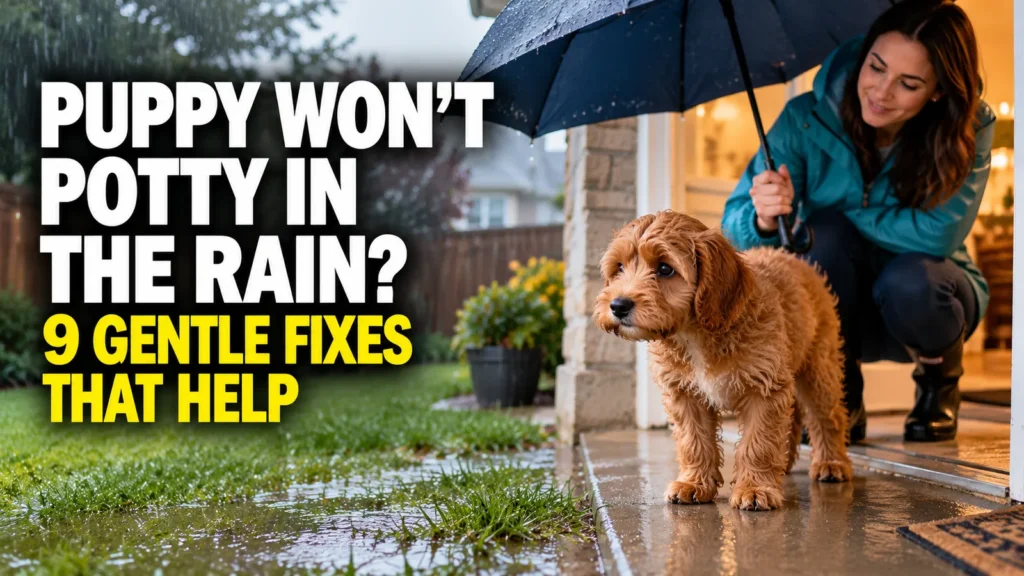

Quick answer: Help a young puppy observe gusts and moving leaves without forcing exposure or turning outdoor walks into a struggle. Start with the simplest safe step and adapt to your dog’s size, health, experience and comfort. This guide explains what to watch, what to do next and when professional help matters.
Dog owners often look for one fast fix, but the sensible plan begins by understanding why the problem happens. Small adjustments in preparation, environment and expectations can make the experience safer and more comfortable. The goal is progress without forcing a frightened, uncomfortable or unwell dog to continue.
This guide is written for everyday U.S. dog owners. It is educational rather than a substitute for veterinary care. For more background, explore Dogs Daily Care and the trusted resources linked at the end.
Table of Contents
What to know first
Help a young puppy observe gusts and moving leaves without forcing exposure or turning outdoor walks into a struggle. Keep a simple record of what triggers the difficulty and which gentle changes help. If signs are sudden, severe or painful, contact your veterinarian rather than assuming a training or home-care issue.
1. Why moving leaves can startle puppies
A gust changes several things at once: noise, smell, pressure on the coat and fast-moving shapes near the paws. For a puppy who has not seen many windy days, a leaf skittering across the ground can be a genuine surprise.
A puppy is not being dramatic. The goal is to build a history of comfortable experiences rather than to teach the dog that fear is forbidden.
2. Read body language before training
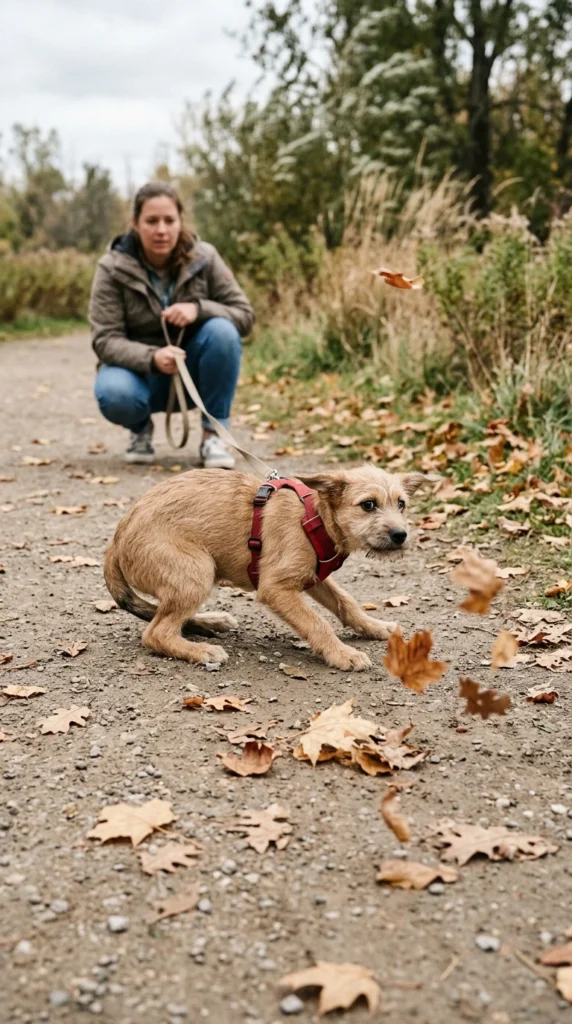
Loose movement, sniffing and readily taking a reward usually mean the puppy is coping. Freezing, crouching, tucking the tail, hiding, lip-licking or refusing favorite food can signal the experience is too difficult.
Move farther from the gusty area as soon as stress appears. Do not lure a frightened puppy toward blowing debris to get a treat.
3. Practice on a gentle weather day
Begin when the wind is light and predictable. Choose a sheltered driveway, porch or quiet yard away from traffic. Allow your puppy to watch the leaves from a comfortable distance and reward a relaxed glance.
Finish after a few calm moments. Many short positive experiences are more useful than a long outing that ends in panic.
4. Give the puppy a choice
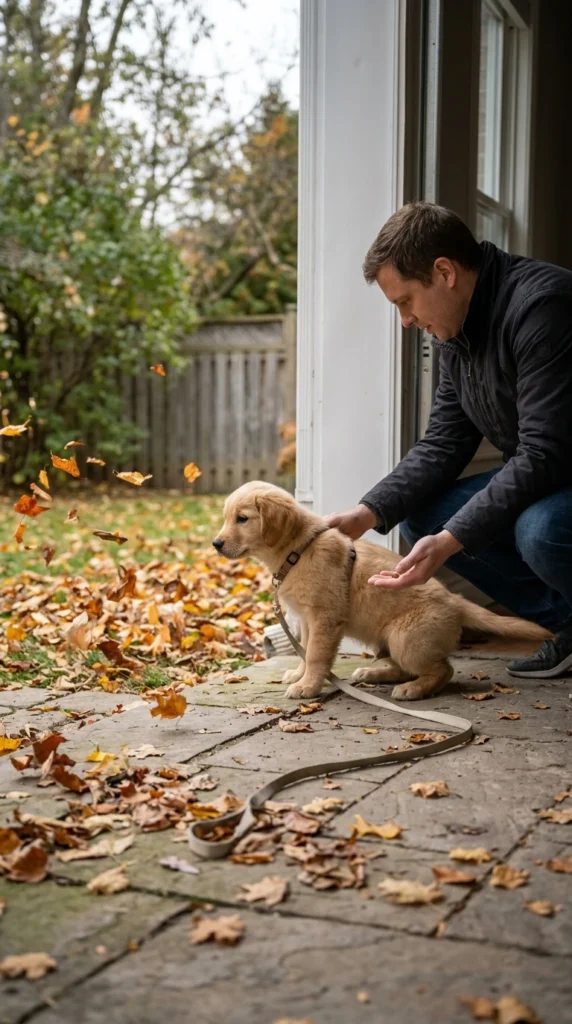
Let the puppy approach the doorway, pause or retreat without being tugged along. A secure harness and loose leash make this easier. Treats or play can be offered for voluntary movement, not used to push past a fear threshold.
If the puppy needs to go potty, use a protected spot and save new weather training for another time.
5. Introduce movement in tiny steps
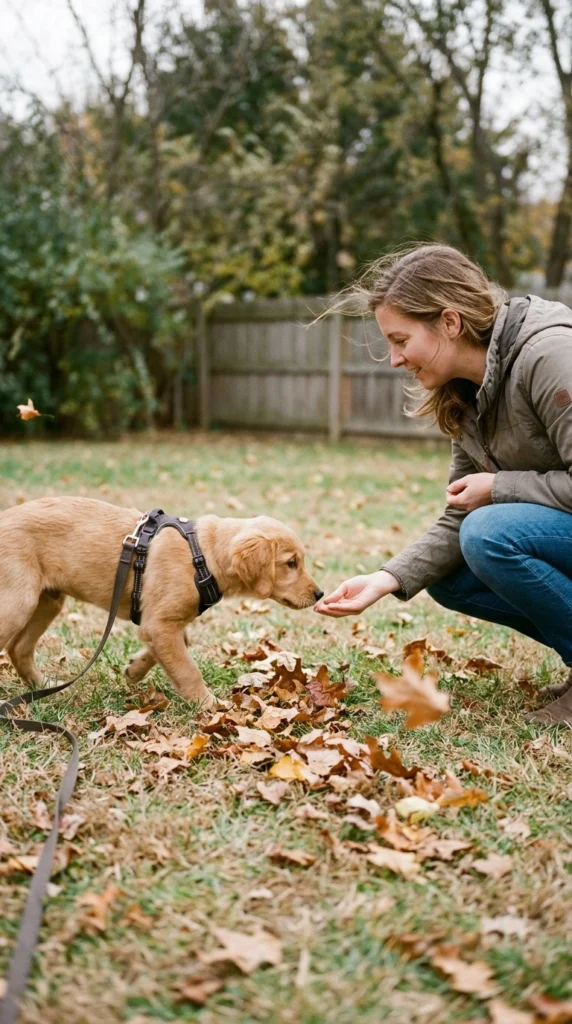
In the backyard, let one dry leaf move gently across the ground while the puppy watches from several feet away. Reward curiosity or calm observation. Do not shake a bag of leaves or throw piles toward the puppy.
Once a calm leaf is unremarkable, practice with a slight natural breeze and gradually more activity. Progress only while the puppy stays relaxed.
6. Pair weather sounds with good things
A gentle rustling tree, a lightly moving curtain or quiet recorded wind can become part of playtime when introduced at a low intensity. Continue normal play or feeding while the sound stays subtle.
Turn it down or move indoors if the puppy becomes tense. The aim is positive association, not overpowering the puppy with a loud recording.
7. Avoid chase and swallowing risks
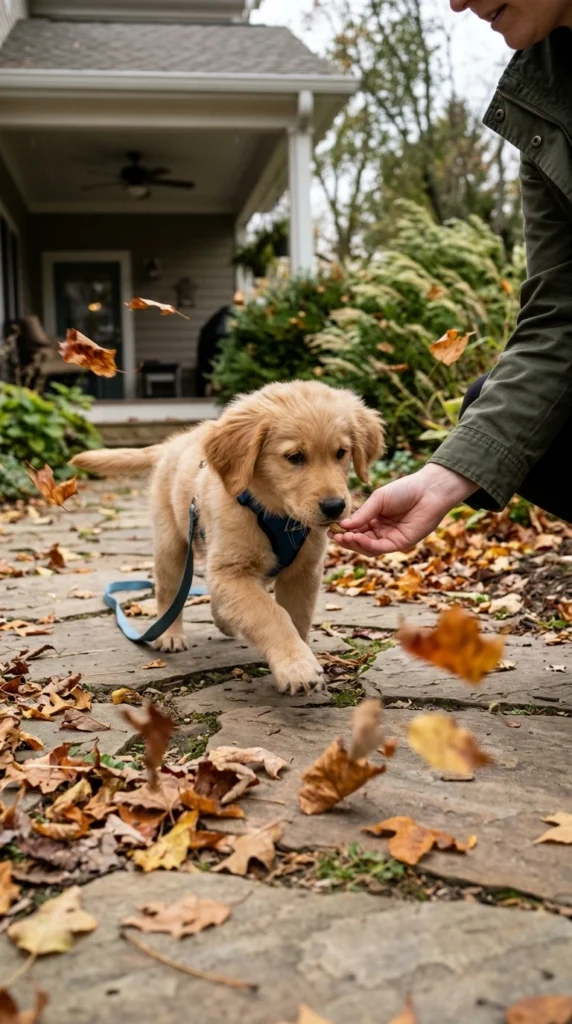
Wind can send sharp sticks, plastic wrappers and unknown objects rolling across sidewalks. Keep puppies away from traffic, broken branches and debris they might ingest. Practice a cheerful leave-it cue indoors before expecting it outside.
For very young puppies, controlled surfaces and local veterinary vaccination guidance are important considerations for outdoor outings.
8. Build confidence with small games
Use a short find-it game with a few puppy-safe food rewards on a clear surface, or practice a simple name response. The puppy learns it can shift attention from surprising movement back to a familiar activity.
If the puppy stays worried, end the game and give a rest. Do not keep rehearsing while signs of anxiety continue.
9. Ask for help when fear spreads
If the puppy becomes afraid of ordinary walks, cannot recover after minor noises or shows escalating distress, speak with your veterinarian and a qualified reward-based trainer. Early support can protect welfare and make learning easier.
Explain exactly which weather events trigger the fear and how your puppy responds; a short diary or video can help the professional understand the pattern.
Common mistakes to avoid
- Rushing to the final step before the dog understands the easy version.
- Restraining, dragging or punishing a dog who is worried or uncomfortable.
- Ignoring a poor fit, painful paw, or another physical reason for resistance.
- Training during a stressful outing rather than in a quiet, safe setting.
Helpful resources and optional supplies
For a broader selection of owner-approved gear, visit our Recommended Dog Products page. Readers who prefer detailed learning can browse our Dog Books library. Explore the Dog Care Tools hub for the live breed-matching and age resources. These links are optional and do not replace the steps above.
For a foundation in gentle learning, read puppy socialization advice and return to easier practice whenever your dog shows stress.
Related on our site: Puppy Socialization Tips.
Affiliate disclosure: As an Amazon Associate, we may earn from qualifying purchases, at no additional cost to you. All products below are optional.
- Paw Lifestyles Dog Treat Training Pouch: A reward pouch is useful for short reward-based lessons, but an ordinary pocket also works. View exact product on Amazon.
A gentle week of wind confidence games
This practical reference turns the advice above into manageable actions:
- Day 1: Let the puppy watch a still leaf in a sheltered doorway and reward curiosity.
- Day 2: Sit near a window and notice a tree moving in a mild breeze; end while the puppy remains relaxed.
- Day 3: Practice a familiar name cue and a couple of treats on a calm porch.
- Day 4: Allow a short sniffing visit to a clear, fenced yard when the wind is light.
- Day 5: Watch a single moving leaf from a distance; do not chase or toss leaves at the puppy.
- Day 6: Try the same route with one small change, such as a little more distant leaf movement.
- Day 7: Repeat the easiest enjoyable exercise and record any change in confidence.
Use this as an example rather than a required timetable. On windy days that are too intense, choose indoor enrichment and save new exposure for gentler conditions.
Frequently asked questions
Should I carry my puppy when it is windy?
Carrying a frightened puppy a short distance to safety is reasonable when done calmly, but avoid forcing repeated frightening exposures.
Can leaves trigger a fear response?
Yes. Rapid unpredictable movement, noise and pressure changes can surprise young puppies.
Should I use recordings of wind?
Low-volume recordings may help some puppies when paired with enjoyable experiences and reduced immediately at stress signs.
When is puppy fear a reason to contact a trainer?
Seek help when fear interferes with ordinary outdoor life, spreads to many situations or becomes more intense despite gentle practice.
Final thoughts
Help a young puppy observe gusts and moving leaves without forcing exposure or turning outdoor walks into a struggle. Keep the routine kind, predictable and appropriate for your dog. A few careful, comfortable steps are usually more useful than a dramatic one-day transformation. If a problem continues or feels medically concerning, your veterinarian or a credentialed reward-based professional can provide individualized help.