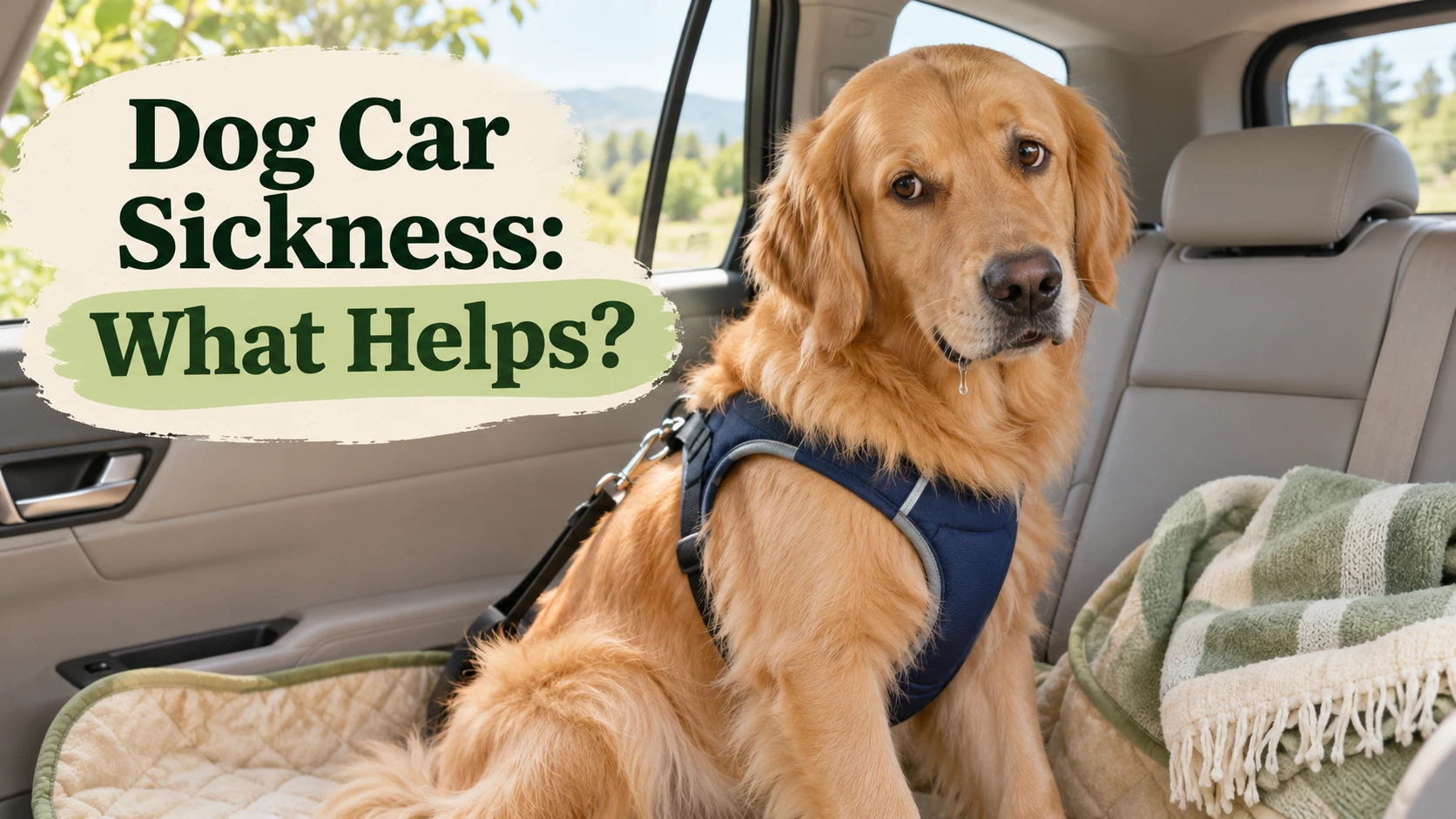
A dog who drools, whines, licks their lips, or vomits during car rides may be experiencing motion sickness, car-related anxiety, or both. Start with a safe, secured ride, shorter trips, a calm introduction to the vehicle, and a conversation with your veterinarian if symptoms persist. You do not have to simply accept that every trip will end with a sick dog.
Table of Contents
Quick Answer: How to Help a Dog With Car Sickness
Keep trips short and predictable, build pleasant associations with the parked car, avoid a large meal right before departure if your veterinarian agrees, provide comfortable ventilation, and securely restrain your dog in the back seat. Stop safely if your dog becomes distressed. Ask your veterinarian about anti-nausea treatment for repeated episodes, especially before long travel. Never give human motion-sickness medicine without veterinary direction.
Most importantly, watch for patterns: does your dog become uneasy before the engine starts, only after the car moves, or both? This distinction helps you plan what to address first.
What Causes Car Sickness in Dogs?
Motion sickness happens when movement-related signals from the inner ear and other senses create nausea. Younger dogs are more commonly affected, although adults can experience it too. A dog that has felt sick repeatedly may also learn to associate car doors, engine noise, or a familiar travel route with discomfort.
Some dogs primarily struggle with fear or excitement rather than motion itself. They may pant and tremble before the vehicle even moves. Others seem comfortable at first, then start swallowing frequently and drooling after several turns. The two problems can overlap, so addressing only one may leave the other unresolved.
New vomiting, dizziness, changes in balance, or similar symptoms away from the car deserve medical attention rather than an assumption that they are simply travel sickness. Your veterinarian can assess whether another health condition may be involved.
Signs Your Dog May Be Getting Carsick
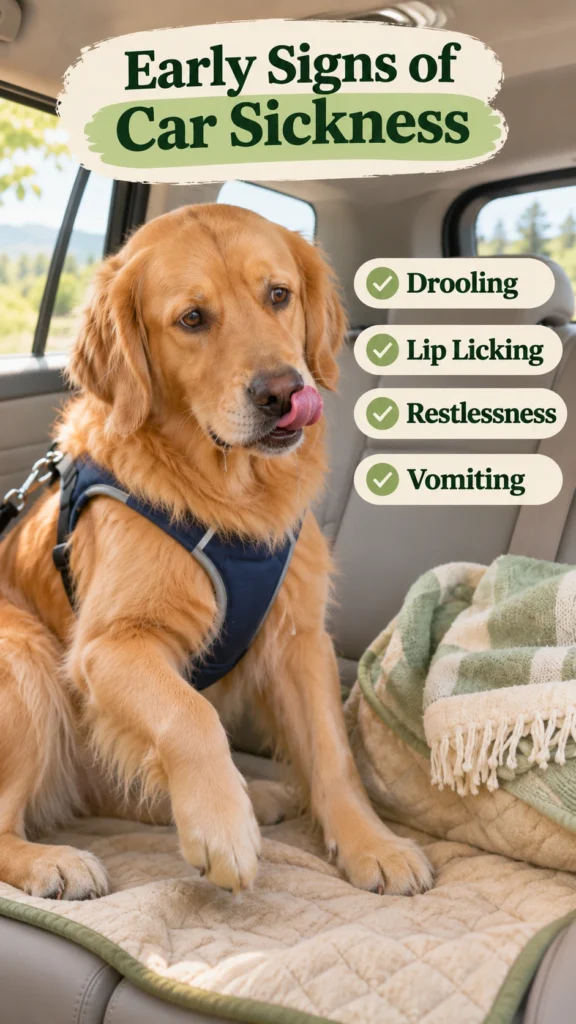
Dogs often show early discomfort before actually vomiting. Learning those signs lets you respond sooner instead of waiting until a mess occurs.
- Frequent lip licking, swallowing, or yawning
- Unusual drooling or wet fur around the mouth
- Restlessness, whimpering, or repeated shifting in position
- Panting, trembling, or a worried expression
- Gagging, retching, or vomiting
- Reluctance to enter the car on later trips
These signs are not exclusive to motion sickness. Panting can reflect heat, stress, or other illness; vomiting has many causes. Note what happened before, during, and after the drive, and tell your veterinarian about recurring signs.
Motion Sickness or Car Anxiety: How Can You Tell?
| Pattern | What it might suggest | Useful next step |
|---|---|---|
| Dog is calm while parked but drools after driving starts | Motion-related nausea may be involved | Record timing; discuss prevention with your veterinarian |
| Dog shakes or avoids the car before the engine starts | Learned fear or anxiety may contribute | Practice calm, rewarding sessions in a stationary car |
| Signs occur before and during movement | Anxiety and nausea may overlap | Pair gentle training with veterinary assessment |
| Vomiting continues at home or the dog seems unsteady | Possibly a medical problem beyond travel sickness | Contact your veterinarian promptly |
This table is a guide for observation, not a diagnosis. Avoid labeling a dog as stubborn or dramatic when they refuse a ride. Repeated discomfort can teach a dog to fear the car itself.
Before the Ride: Set Your Dog Up for Comfort
1. Choose safe restraint first
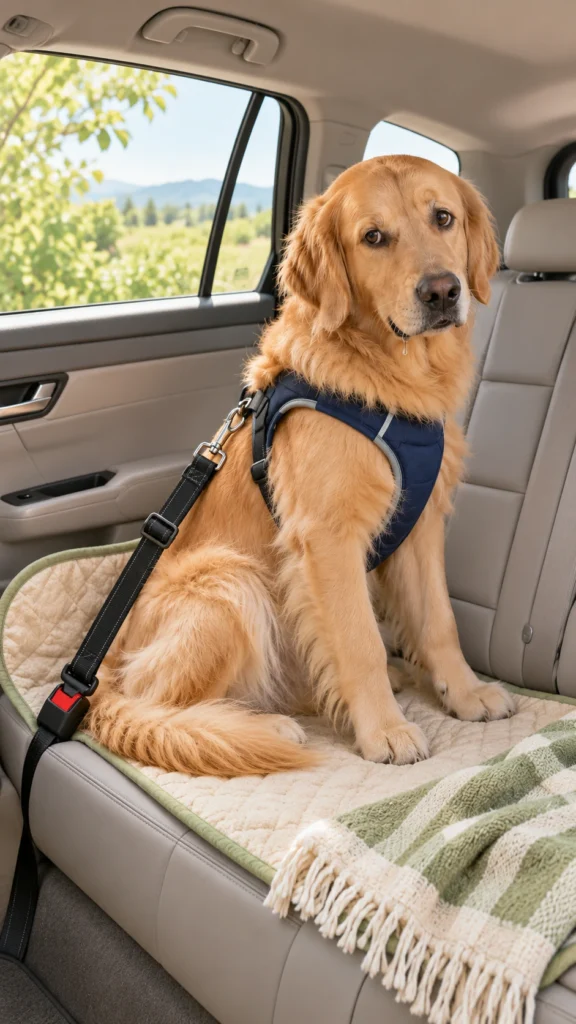
Use a properly fitted, purpose-designed travel restraint or an appropriately secured crate in a safe part of the vehicle. Secure your dog in the back rather than the front passenger seat, where airbags can be dangerous. Check the restraint manufacturer’s instructions and your vehicle manual for correct installation. A loose dog can distract the driver and may be injured in a sudden stop.
Affiliate disclosure: As an Amazon Associate, Dogs Daily Care may earn from qualifying purchases made through the Amazon links below, at no extra cost to you.
Travel gear option: The Sleepypod Clickit Sport dog car harness (medium, Jet Black) — find on Amazon is one model to compare. Check sizing, the current model’s safety certification, your dog’s measurements, and installation instructions before choosing a restraint.
For a dog who is not yet comfortable with a crate, see our crate training an adult dog guide before introducing a properly secured travel crate.
A restraint should allow a comfortable, natural posture without letting the dog roam, climb on the driver, or put their head out of the window. Keep leashes, buckles, and straps away from the neck and face. Do not assume that an ordinary walking harness is suitable for crash protection.
2. Think about meals and water
A big meal immediately before departure can make an uncomfortable ride harder. Ask your veterinarian how to time meals for your dog’s age and health, especially if your dog is a puppy, has diabetes, or follows a medical feeding schedule. Do not withhold water for long periods or impose a fast without considering medical needs.
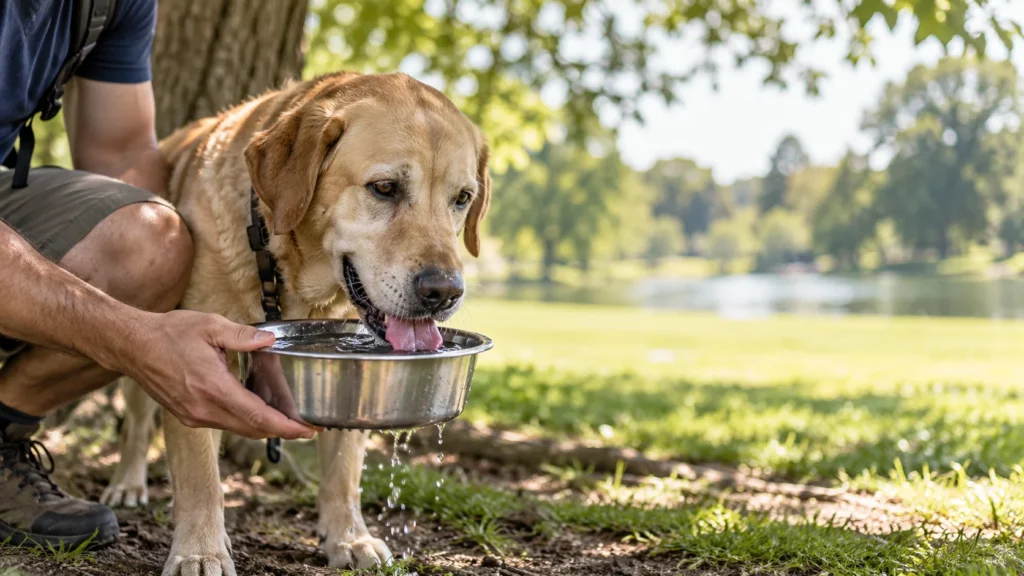
Bring fresh water and a travel bowl; offer water at appropriate stops.
Travel gear option: A Ruffwear Quencher packable dog bowl (medium) — find on Amazon can make it easier to offer water at stops. Check size and care instructions before buying.
If your dog vomits, let them settle and consult your veterinarian about when and how to restart food or water if symptoms continue.
3. Keep the cabin comfortable
Use a comfortable temperature and appropriate air circulation. Avoid strong fragrances, smoking, and overly hot cabins. Keep the music low enough that you can notice distress sounds. A stable, well-supported travel position can help your dog stay settled, although no seat position guarantees relief from nausea.
Never leave a dog alone in a parked car, even for a short errand. Temperatures can become unsafe quickly. Keep the windows secure enough to prevent escape and do not let a dog ride with their head outside.
A Gentle Car-Ride Training Plan
Training works best when your dog stays under their stress threshold. The goal is not to make them endure a scary drive, but to teach that the car can predict calm, rewarding experiences. If your dog is already vomiting during even brief rides, seek veterinary help first so training does not repeatedly pair the car with nausea.
If you are introducing a young dog to unfamiliar sights and sounds, our puppy socialization tips offer more ideas for gradual, positive experiences.
Step 1: Approach the parked car
Start a short distance away from a stationary vehicle with the engine off. Let your dog look toward it, sniff the area, and choose to move closer. Reward relaxed behavior with praise or a suitable treat. End the session while your dog is still comfortable. If they freeze, back away and make the next session easier.
Step 2: Practice entering and exiting
With the vehicle safely parked, doors open, and an adult supervising, invite your dog in without pushing or pulling. Provide a familiar mat or another comforting surface. Let them exit at a calm pace. Repeat on several days if necessary. A dog who refuses to enter may need more practice at the previous step.
For a young puppy using a crate, begin with our step-by-step puppy crate training guide and build comfort before attempting longer travel.
Step 3: Sit together without driving
Let the dog settle in their secured travel position for a short stationary session. Reward calm behavior. Once this is easy, briefly start the engine while safely parked, then turn it off. Watch for stress signals: tense body, refusal of food, persistent panting, or repeated lip licking. End the session before discomfort escalates.
A practiced wait cue can help with controlled car entry and exit; see our basic obedience commands guide for reward-based training steps. Do not rely on a cue alone around traffic.
Step 4: Take a very brief drive
Begin with a gentle drive around the block only when your dog is ready and you can drive safely. Choose a quiet route, avoid abrupt turns, and return before signs of nausea build. Progress from seconds or a minute or two to longer rides based on your individual dog’s response rather than a fixed schedule.
Step 5: End somewhere pleasant
When practical, make some short trips lead to a quiet sniff walk or another activity your dog enjoys. If every car trip ends at a stressful destination, the car itself may start to predict unpleasant experiences. Keep the outing appropriate for your dog’s mobility, temperament, and health.
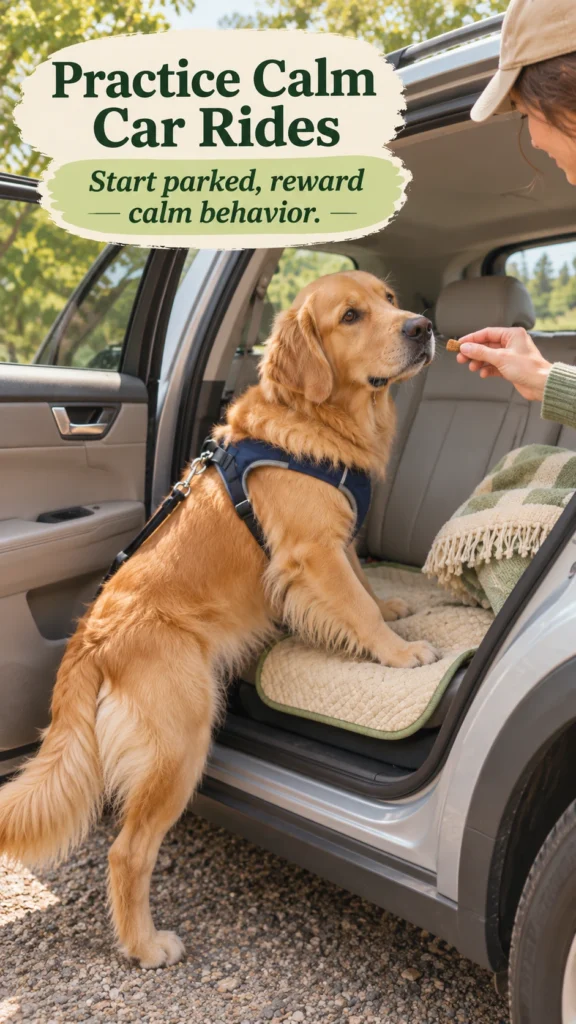
Do not force advancement because a vacation is approaching. A training plan can take multiple sessions, and progress may be uneven. If your dog panics, ask a qualified reward-based trainer or veterinary behavior professional to help build a gentler plan.
What to Do During a Car Trip
If your dog begins to drool heavily or act distressed, find a safe place to pull over. Do not reach into the back seat while the car is moving. Once parked, check the dog’s comfort and breathing, and offer a short, leashed break if the location is safe. Use an absorbent, washable liner to manage cleanup without leaving unsecured items around your dog.
Cleanup gear option: Browse washable waterproof dog car seat covers on Amazon. Select one that fits the vehicle and does not interfere with seatbelts or a properly installed dog restraint.
Drive smoothly, brake gently where possible, and plan regular breaks for longer journeys. The AVMA advises stopping about every two hours during long trips to allow dogs to exercise and relieve themselves. A more sensitive dog may need shorter segments. Do not expect a break alone to resolve severe nausea.
For calm, controlled roadside breaks, practice with our leash training for beginners guide before setting out.
Pack a small travel kit
- Fresh water and a spill-resistant bowl
- Leash, identification, and waste bags
- Washable seat cover or secured absorbent liner
- Paper towels and dog-safe cleanup supplies
- Your veterinarian’s contact information and a nearby emergency clinic
- Any veterinarian-prescribed travel medication with its instructions
Store supplies securely so they cannot become hazards during sudden braking. A clean, familiar setup makes it easier to notice when your dog is uncomfortable rather than distracted by the mess.
Can Medication Help a Dog With Car Sickness?
Yes. For some dogs, a veterinarian may prescribe an anti-nausea medication for travel, including options specifically used to prevent vomiting from motion sickness. The right choice depends on the dog’s age, health, other medications, the length of the trip, and the pattern of symptoms. In dogs with significant travel anxiety, the veterinarian may consider a separate anxiety-management plan.
Do not give over-the-counter human medicines, antihistamines, sedatives, ginger supplements, or home remedies on your own. “Natural” does not automatically mean safe or effective, and some products contain ingredients unsuitable for dogs. Ask your veterinarian about the exact medicine, instructions, possible adverse effects, and what to do if a dose is missed.
Medication and positive car training can complement one another. Preventing repeated nausea may make it easier for your dog to associate the car with neutral or pleasant experiences. If an extended trip is coming up, arrange a veterinary consultation in advance instead of trying an unfamiliar treatment on departure day.
When to Call the Veterinarian
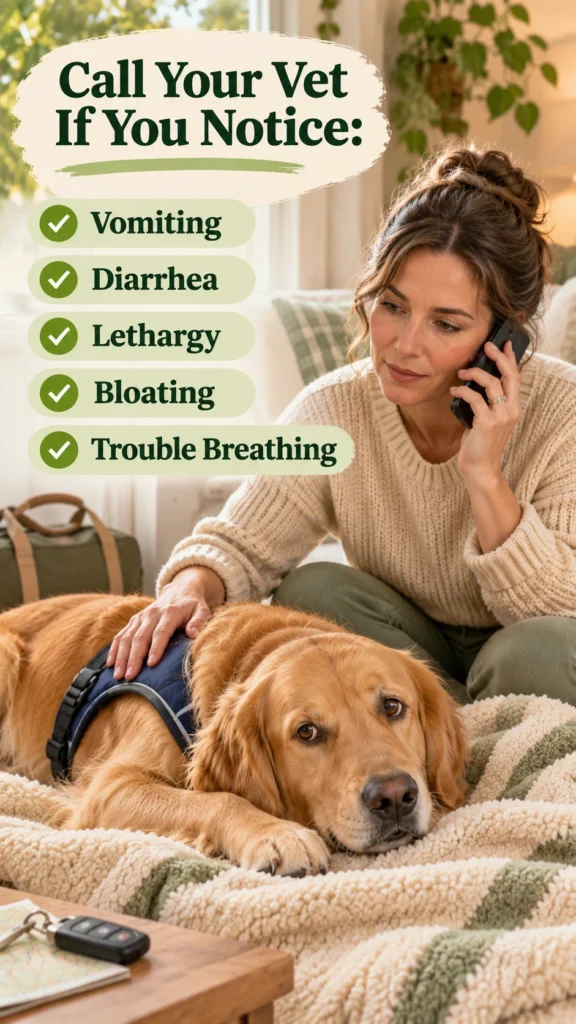
Book a veterinary appointment if your dog repeatedly vomits in the car, suddenly develops travel-related nausea after previously riding comfortably, or becomes so distressed that short rides are impossible. Your veterinarian can evaluate medical causes, help distinguish nausea from anxiety, and plan the safest next steps.
Seek urgent veterinary advice for repeated or persistent vomiting, blood in vomit, collapse, severe lethargy, swollen or painful abdomen, unusual trouble balancing, or signs of dehydration. Trouble breathing, collapse, or a rapidly worsening condition warrant emergency care. Symptoms that continue after the car ride should not be dismissed as routine carsickness.
Bring notes about the dog’s age, how long into the drive signs begin, whether vomiting occurs, what the dog ate before travel, and whether symptoms appear outside the car. A short record can be more useful than relying on memory after a stressful trip.
Common Mistakes That Make Car Sickness Worse
Forcing a long trip before your dog is ready
One difficult highway journey is not a substitute for gradual exposure. If your dog associates the car with repeated vomiting, future rides can become harder.
Letting your dog ride loose for “fresh air”
A loose dog faces preventable travel risks. Opening the window enough for the dog to stick out their head does not make a secure, safe treatment for nausea.
Using medication without veterinary guidance
A medicine intended for people or for another pet can be inappropriate. Ask for a specific veterinary plan rather than guessing at doses.
Ignoring stress before the engine starts
Signs that begin in the driveway suggest anxiety may matter, even when vomiting happens later. Training the parked-car experience may be as important as reducing motion-triggered nausea.
Changing too many things at once
Keep a brief travel log. Adjust one manageable factor at a time, such as ride duration or destination, so you can tell what improves comfort. Seek professional guidance rather than conducting repeated painful or frightening experiments.
Quick Checklist Before Your Next Drive
- My dog has an appropriate, correctly installed back-seat restraint or secured crate.
- I have checked with my veterinarian if vomiting is recurring or medication may be needed.
- I have planned a gentle route and appropriate rest stops.
- The cabin is comfortable and ventilated.
- I have packed water, cleanup supplies, and a leash.
- I will stop safely if my dog shows persistent nausea or distress.
- I will not leave my dog unattended in a parked vehicle.
The goal of this checklist is a more predictable, safer journey—not a promise that every symptom will disappear immediately. Even small gains, like remaining calm in a parked vehicle, can be meaningful.
Frequently Asked Questions
Do puppies grow out of car sickness?
Some younger dogs become less prone to motion sickness as they mature, but that is not guaranteed. Persistent symptoms deserve veterinary guidance, and gradual positive practice may help prevent learned fear of the car.
Why does my dog drool in the car but not vomit?
Drooling can be an early sign of nausea, though stress, heat, or other causes are also possible. Note whether it starts before driving or once the car moves, and discuss recurring symptoms with your veterinarian.
Should I feed my dog before a road trip?
A large meal immediately before travel may worsen discomfort for some dogs. Ask your veterinarian about a suitable feeding schedule, especially for puppies and dogs with medical needs. Do not impose prolonged fasting without advice.
Can I give my dog Dramamine or another human travel pill?
Do not give any human medicine without speaking with your veterinarian. Formulations, health risks, drug interactions, and appropriate use vary. A veterinarian can advise whether a medication is suitable.
What if my dog gets sick on every car ride?
Schedule a veterinary evaluation before further unavoidable trips. Ask about nausea prevention and whether a parallel, reward-based anxiety plan would help. Repeatedly forcing long rides may reinforce fear.
Final Thoughts
Helping a dog with car sickness starts by listening to the signs they show you. Keep travel safe, introduce the car in small, comfortable steps, and involve your veterinarian when symptoms recur. A secure setup and a thoughtful training plan may make future outings easier, while medical advice protects dogs who need more than behavior changes alone.
Educational information only; not veterinary diagnosis or an individualized treatment plan. Editorially prepared November 21, 2026; not independently veterinarian-reviewed.