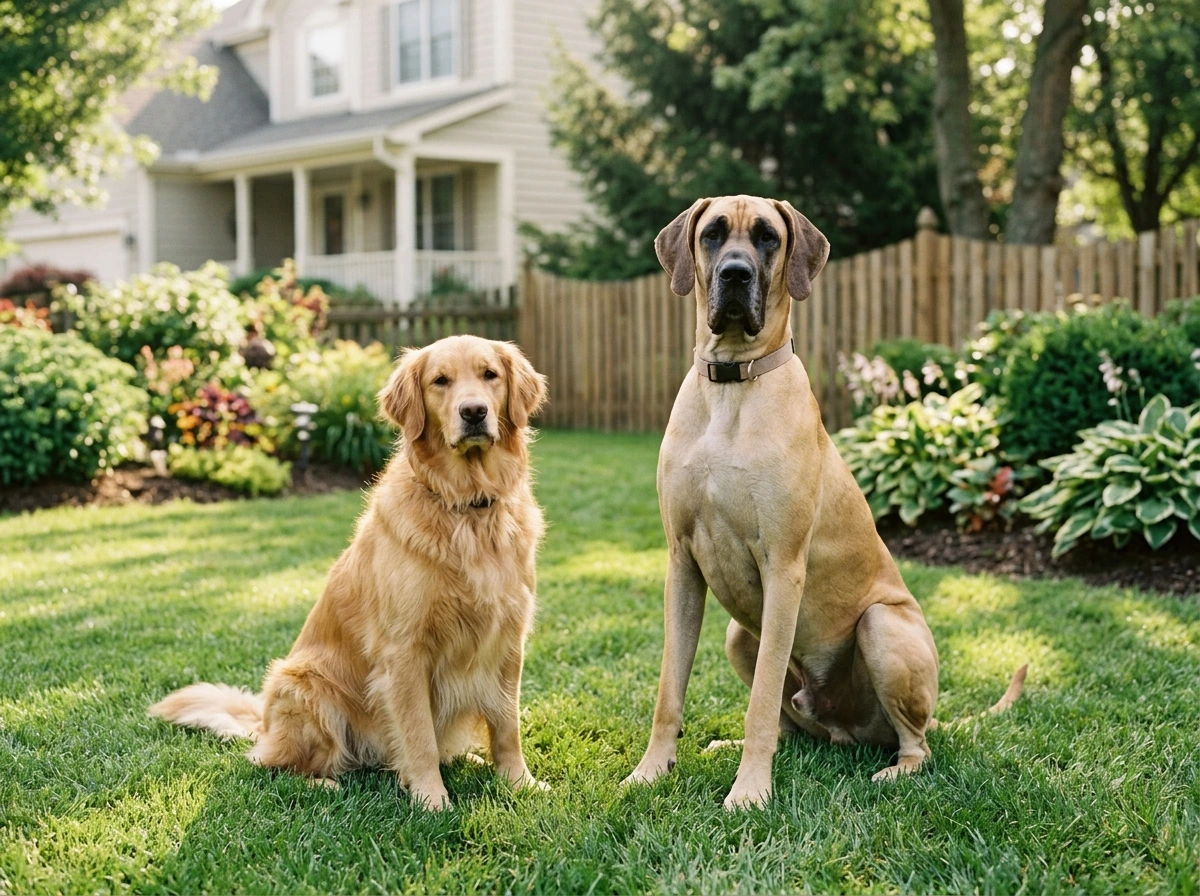
Large dogs bring a lot of love, energy, and companionship into a home. But if you share your life with a German Shepherd, Golden Retriever, or Great Dane, you may wonder how many years you can expect to spend together. Understanding the average large dog lifespan can help you prepare for every life stage and make informed care decisions.
Many large dogs live around 8 to 12 years, although their breed, genetics, and overall health can affect that range. Giant breeds often have shorter average lifespans than other large dogs. Still, these averages are not deadlines. Your dog deserves individual care, regular veterinary attention, and a comfortable life at every age.
Table of Contents
What Is the Average Large Dog Lifespan?
The typical large dog lifespan is about 8 to 12 years. The American Kennel Club gives a general range of 8 to 12 years for large and giant breeds. Within that range, individual breeds can have noticeably different life expectancies.
Some large breeds commonly reach 10 to 12 years or more. Certain giant breeds have averages closer to 7 to 10 years. Individual dogs may live shorter or longer lives, depending on several factors.
These estimates are useful for planning, but they cannot predict how long one particular dog will live. Two dogs of the same breed can age differently. Their inherited health risks, body condition, medical history, and daily care all matter.
Large Dog Lifespan by Breed
Breed-specific estimates can help you understand what to expect. The ranges below are general guidelines, not promises. Published estimates may differ between sources and populations.
Golden Retriever: About 10–12 Years
Golden Retrievers are friendly, active companions. Their life expectancy is often around 10 to 12 years, although individual dogs vary. Owners should discuss breed-related health risks with their veterinarian and ask about appropriate screening.
Keep your Golden Retriever at a healthy weight. Provide regular exercise and monitor changes in energy, appetite, mobility, or behavior. New lumps or unexplained weight loss deserve veterinary attention.
Labrador Retriever: About 10–12 Years
Labrador Retrievers are energetic dogs that often enjoy walking, swimming, and retrieving games. Their typical lifespan is around 10 to 12 years. Some live longer, while others develop health problems earlier.
Labs may gain excess weight when food portions and activity do not match their needs. Ask your veterinarian to assess body condition and recommend appropriate meals, treats, and exercise.
German Shepherd: About 9–13 Years
German Shepherds are intelligent, active dogs. Their lifespan estimates vary, but many references place them around 9 to 13 years. Individual health and inherited conditions can affect longevity.
Pay attention to walking comfort, stiffness, and changes in activity. Your veterinarian can help you plan suitable exercise and assess mobility concerns as your dog ages.
Rottweiler: About 9–12 Years
Rottweilers are powerful, loyal companions. Their life expectancy is often estimated at approximately 9 to 12 years, though it varies between dogs.
Ask your veterinarian about breed-related screening and routine preventive care. Keep track of your dog’s weight and report new lumps, persistent lameness, or unusual changes in appetite.
Great Dane: About 8–10 Years
Great Danes are giant dogs with a shorter average lifespan than many smaller breeds. Their expected lifespan is often around 8 to 10 years, although some live beyond that range.
Giant breeds need particular attention to comfortable movement and overall health. Ask your veterinarian about breed-specific risks and what changes should prompt an urgent visit.
Bernese Mountain Dog: About 7–10 Years
Bernese Mountain Dogs are affectionate, large working dogs. Their average lifespan is often estimated at 7 to 10 years. Genetics and breed-related health conditions can influence their longevity.
Choose responsible breeding practices when getting a puppy. If you already have a Bernese Mountain Dog, discuss appropriate health screening and preventive care with your veterinarian.
Newfoundland: About 10–12 Years
Newfoundlands are giant, gentle dogs known for their strength and thick coats. Some lifespan references estimate approximately 10 to 12 years, but individual outcomes vary.
Help your Newfoundland stay comfortable with suitable exercise, coat care, and weight management. Ask your veterinarian about health checks based on age and breed.
These breed estimates are drawn from general guidance published by the American Kennel Club. They should be treated as approximate ranges rather than a ranking of individual dogs.
Why Do Big Dogs Often Live Shorter Lives?
One of the unusual facts about dogs is that larger breeds often live shorter lives than smaller breeds. This pattern differs from what people might expect when comparing large and small mammals across different species.
Researchers have investigated the connection between body size and canine aging. A study published in The American Naturalist examined mortality patterns across 74 dog breeds. It found that larger dogs generally experienced a faster rate of aging.
However, scientists have not identified one explanation that accounts for every breed. Growth patterns, inherited traits, and differences in age-related disease may all contribute. The exact reasons remain an active area of research.
It is also important not to assume that every large dog will become ill early. Breed averages describe patterns across groups, not the future of an individual pet.
What Factors Affect a Large Dog’s Life Expectancy?
Genetics and Breed-Related Conditions
Inherited traits can affect a dog’s health throughout life. Some breeds have higher risks for certain heart, joint, or other medical conditions.
If you are choosing a puppy, ask about the parents’ health and recommended breed-specific screening. A responsible breeder should be willing to discuss relevant health testing. Adoption organizations may also share available medical history.
Body Weight and Nutrition
Maintaining a healthy body condition is an important part of everyday care. Excess weight can put additional strain on joints and may contribute to other health problems.
Choose a complete and balanced food appropriate for your dog’s life stage. Measure meals, account for treats, and adjust portions with veterinary guidance. Your dog’s ideal amount depends on age, activity, body condition, and health needs.
A large dog does not automatically need oversized portions. Follow feeding guidance and use regular body-condition checks rather than judging food needs by appetite alone.
Exercise and Mobility
Regular movement helps support fitness, muscle strength, and everyday well-being. The right amount depends on your dog’s age, breed, health, and conditioning.
Choose activities your dog can perform comfortably. Walks, supervised play, and suitable enrichment can keep many dogs engaged. Avoid suddenly increasing exercise intensity, especially for a dog that has been inactive or has joint problems.
Preventive Veterinary Care
Routine veterinary visits help track changes that may be easy to miss at home. Your veterinarian can review vaccinations, parasite prevention, dental health, nutrition, weight, and breed-related concerns.
Preventive care cannot guarantee a longer life. However, it gives you an opportunity to discuss risks, identify concerns, and make a plan that fits your dog.
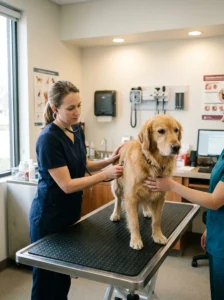
How to Help Your Large Dog Live a Healthier Life
No routine can guarantee a specific lifespan. Still, consistent care can support your dog’s health and comfort over time.
1. Keep Your Dog at a Healthy Weight
Check your dog’s body condition regularly. You should be able to feel the ribs without pressing hard, although the ideal appearance varies by body type. Ask your veterinarian to demonstrate a body-condition assessment if you are unsure.
Measure food rather than guessing. Include training treats and table scraps when considering daily intake. If your dog needs to lose weight, ask for a safe, individualized plan instead of making drastic food changes.
2. Feed a Complete and Balanced Diet
Choose food suited to your dog’s age, size, activity, and medical needs. Growing large-breed puppies have different nutritional requirements from adult dogs, so puppy food selection matters.
Avoid adding supplements or restrictive diets without a clear reason. Some changes may be unnecessary or inappropriate for your dog. Ask your veterinarian before changing food for a medical concern.
3. Make Exercise Consistent and Appropriate
Regular walks and play offer physical and mental benefits. Build activity gradually and allow rest when your dog needs it.
For older dogs, shorter walks may be more comfortable than one long outing. Soft surfaces, non-slip flooring, and easy access to resting areas can also help dogs with mobility challenges.
4. Stay Current With Veterinary Visits
Do not wait for obvious illness before seeking routine care. Your veterinarian can suggest an examination schedule based on your dog’s age, medical history, breed, and risk factors.
As your dog approaches the senior years, ask whether more frequent examinations or specific screening tests are appropriate. Senior-care plans should be individualized rather than based on age alone.
5. Maintain Dental Care
Dental problems can cause pain and affect daily comfort. Ask your veterinarian how to care for your dog’s teeth and whether a professional dental assessment is needed.
Use products intended for dogs. Never assume that human dental products are safe for pets. If your dog has mouth pain, bleeding gums, or difficulty eating, arrange a veterinary assessment.
6. Protect Your Dog From Preventable Risks
Keep vaccinations and parasite prevention current according to your veterinarian’s advice. Store medications, chemicals, and other hazardous substances securely.
Use a leash or secure enclosure to reduce the risk of traffic injuries and prevent your dog from wandering. Provide fresh water and suitable shelter, particularly during hot or cold weather.
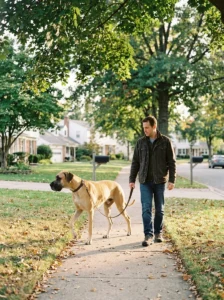
When Is a Large Dog Considered a Senior?
There is no single age when every dog becomes a senior. The American Animal Hospital Association explains that senior status depends on the pet’s estimated lifespan and individual circumstances.
Because large and giant breeds often have shorter life expectancies, they may enter their senior years earlier than small dogs. Some giant breeds may be considered senior around 6 or 7 years old, but this is only a general guide.
Your dog’s breed, health, and physical condition matter more than a birthday alone. Ask your veterinarian when senior-care planning should begin for your particular dog.
Senior care may include reviewing weight, nutrition, dental health, mobility, behavior, and age-related disease risks. Your veterinarian can recommend tests or adjustments based on examination findings.
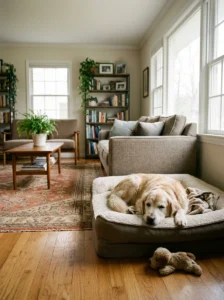
Signs of Aging in Large Dogs
Aging often brings gradual changes. Learning your dog’s normal habits makes it easier to notice differences that may need attention.
- Slower movement: Your dog may take longer to stand or walk.
- Changes in stamina: Long walks may become less comfortable.
- Weight changes: Unexpected gain or loss deserves attention.
- Changes in sleep: Your dog may rest more or become restless at night.
- Behavior changes: Your dog may seem confused, anxious, or less social.
- Changes in eating or drinking: A noticeable change can signal a health concern.
- New lumps or persistent sores: Have these assessed by a veterinarian.
Do not automatically blame every change on old age. Pain, illness, and other treatable conditions can cause similar signs.
Contact your veterinarian if changes persist, worsen, or affect normal activities. Seek urgent veterinary care for breathing difficulty, collapse, severe weakness, or other sudden, serious symptoms.
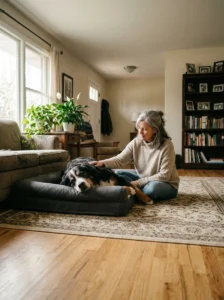
How to Keep an Older Large Dog Comfortable
Senior dogs can continue enjoying affection, enrichment, and daily routines. Small adjustments may make everyday activities easier.
- Provide a supportive bed in a quiet, accessible location.
- Use non-slip rugs where smooth floors make walking difficult.
- Keep food and water easy to reach.
- Use ramps or steps only when they are stable and appropriate.
- Choose gentle activities that match your dog’s comfort and ability.
- Keep nails trimmed appropriately to support comfortable movement.
- Maintain predictable routines while allowing extra rest.
Watch how your dog responds to each change. If your pet struggles to stand, avoids movement, or shows signs of pain, ask your veterinarian for an assessment and a practical mobility plan.
Never start pain medication or human medication without veterinary direction. A veterinarian can determine whether treatment, rehabilitation, environmental changes, or other support may help.
When Should You Call a Veterinarian?
Arrange a veterinary appointment for persistent stiffness, unexplained weight changes, reduced appetite, unusual thirst, repeated vomiting, new lumps, or a noticeable decline in normal activity.
Some symptoms need immediate attention. A swollen abdomen with repeated unproductive retching, difficulty breathing, collapse, pale or blue gums, or sudden inability to stand can indicate an emergency. Contact an emergency veterinary clinic rather than waiting to see whether the signs disappear.
Large and giant dogs can be at risk for gastric dilatation-volvulus, often called bloat. This condition can become life-threatening quickly. Warning signs include a distended abdomen, restlessness, drooling, and repeated attempts to vomit without producing anything.
Do not attempt to treat suspected bloat at home. Seek emergency veterinary care immediately if you notice these signs.
Explore these essential dog health tips to help you care for your furry companion: https://dogsdailycare.com/dog-parasite-prevention/
Frequently Asked Questions About Large Dog Lifespan
Do large dogs live longer than small dogs?
Usually, no. Small dog breeds generally live longer than large breeds. Giant breeds often have shorter average lifespans, although individual dogs can differ significantly.
Can a large dog live 15 years?
Yes, it is possible, but 15 years is beyond the usual average for many large breeds. Genetics, breed, and overall health influence an individual dog’s lifespan. Good care supports health but cannot guarantee a particular age.
Why do giant dogs have shorter lifespans?
Research suggests that larger dogs tend to age faster than smaller dogs. Growth patterns, genetics, and age-related health risks may contribute, but scientists have not established one complete explanation.
Is a 7-year-old large dog considered old?
A 7-year-old large dog may be entering the senior stage, especially if it belongs to a giant breed. However, senior status varies with breed and health. Ask your veterinarian when to begin a senior-care plan.
Does keeping a dog slim help it live longer?
Maintaining a healthy body condition supports overall health and reduces strain associated with excess weight. It cannot guarantee a longer life, so combine appropriate nutrition with veterinary care and suitable activity.
How often should a senior large dog visit the vet?
The right schedule depends on your dog’s health, age, and medical history. Ask your veterinarian whether examinations every six months or another schedule would best suit your dog.
Final Thoughts on Large Dog Lifespan
The average large dog lifespan is often around 8 to 12 years, while giant breeds may have shorter averages. Breed estimates provide a helpful starting point, but they cannot predict an individual dog’s future.
Focus on the things you can influence: healthy body condition, balanced nutrition, suitable exercise, preventive veterinary care, and a comfortable home. Your next step is simple: schedule a wellness visit and ask your veterinarian for a care plan tailored to your dog’s breed, age, and health.
Veterinary disclaimer: This article provides general educational information and is not a substitute for veterinary diagnosis or treatment. Contact a qualified veterinarian for advice about your dog’s individual health, symptoms, and care needs.