
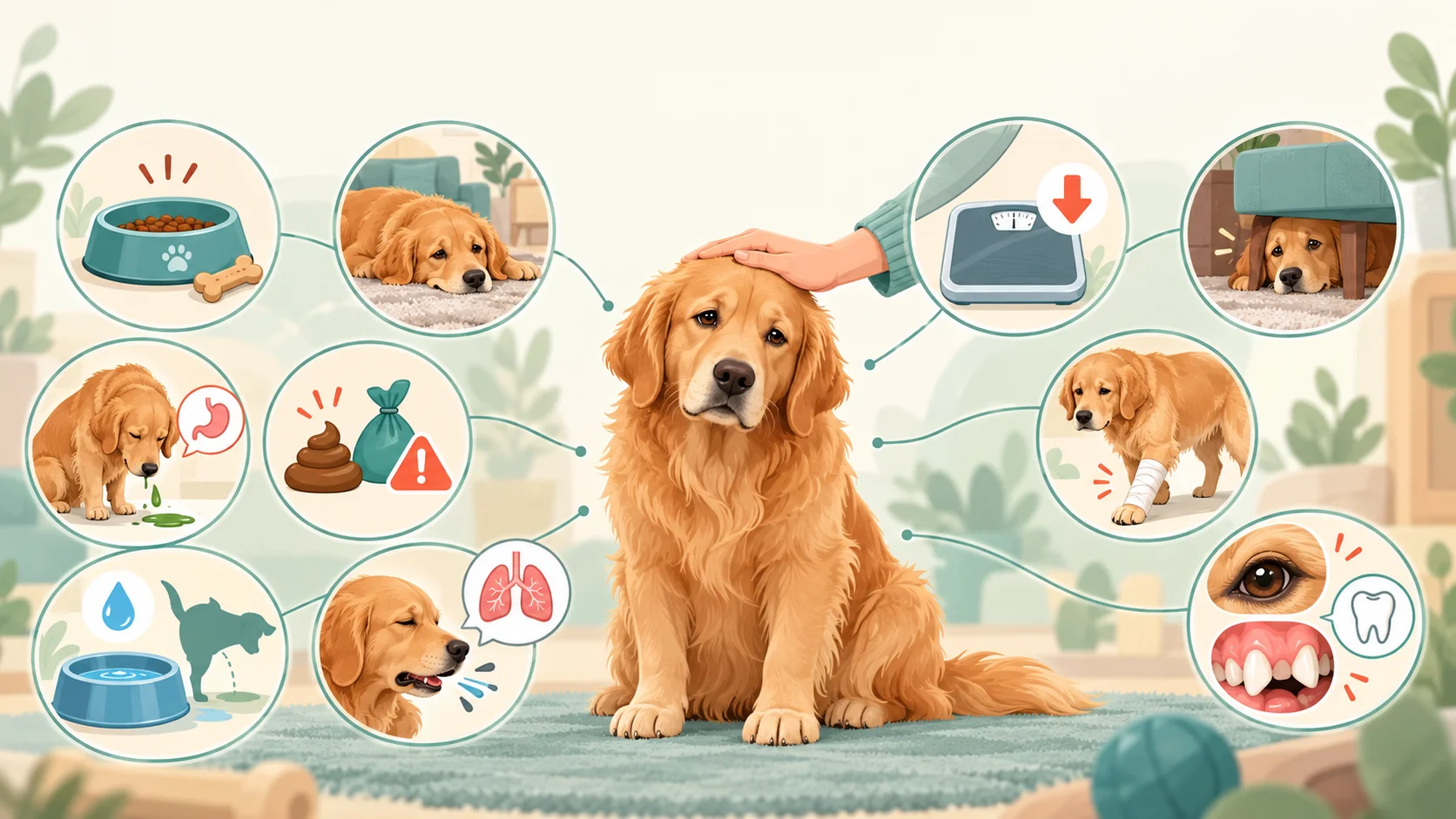
Dogs are good at hiding discomfort, so the first signs of illness in dogs are often small: a skipped meal, a quieter evening, a bathroom habit that seems a little off. Because your dog can’t tell you what’s wrong, noticing these changes early is one of the most useful things you can do for their health.
This guide covers 10 common warning signs, what each one may mean, and when it’s time to call your veterinarian or head to an emergency clinic. It’s meant to help you decide what to do next, not to diagnose your dog.
Table of Contents
Quick Answer: How Can You Tell If Your Dog Is Sick?
Look for changes from your dog’s normal behavior: eating or drinking differently, low energy, vomiting, diarrhea, coughing or labored breathing, weight loss, limping, or unusual hiding or irritability. A single off moment may be nothing, but several signs together, or one sign lasting more than a day, are worth a call to your veterinarian. When you’re unsure, call.
Why Dogs Hide Signs of Illness
Many dogs stay quiet and keep going about their routine until they feel quite unwell. That is why the earliest clue is often a change in routine rather than an obvious symptom.
You know your dog’s habits better than anyone. How much they usually eat, how they greet you, how they sleep, and what their stool normally looks like are your baseline. Illness shows up as a departure from that baseline.

10 Common Signs of Illness in Dogs
1. Changes in Appetite
Eating noticeably less, refusing meals, or losing interest in favorite treats can be one of the earliest signs something is wrong. A dog who skips one kibble meal is a smaller concern than a dog who turns down treats they usually love.
A sudden increase in appetite matters too. Some conditions cause a dog to act ravenous, so don’t ignore a dog who is suddenly always hungry. Call your vet sooner if appetite loss comes with lethargy, vomiting, or diarrhea, and especially for puppies and small dogs.
2. Low Energy or Lethargy
Everyone has off days, and a hot afternoon or a long hike can leave a dog tired. But if your dog seems unusually sluggish, uninterested in walks, or reluctant to get up, take note.
Tiredness that lasts beyond about two days, or that appears alongside other symptoms, deserves a call to the vet. Trouble walking, pacing, or hiding are also worth reporting.
3. Vomiting
An occasional single episode followed by normal behavior may not be serious. Repeated vomiting is different. Call your vet promptly if your dog vomits frequently, can’t keep water down, or seems unwell between episodes.
Vomit containing blood needs immediate veterinary attention. Note how often vomiting happens, what it looks like, and whether your dog is drinking, because those details help your vet.
4. Diarrhea or Other Stool Changes
Healthy stool is typically firm and moist, so changes in color, consistency, or frequency are worth mentioning to your vet. Contact your veterinarian for watery diarrhea, diarrhea with blood, or diarrhea that comes with vomiting, fever, or other signs of illness.
Straining, producing very little stool, or suddenly scooting along the floor are also signs to bring up.
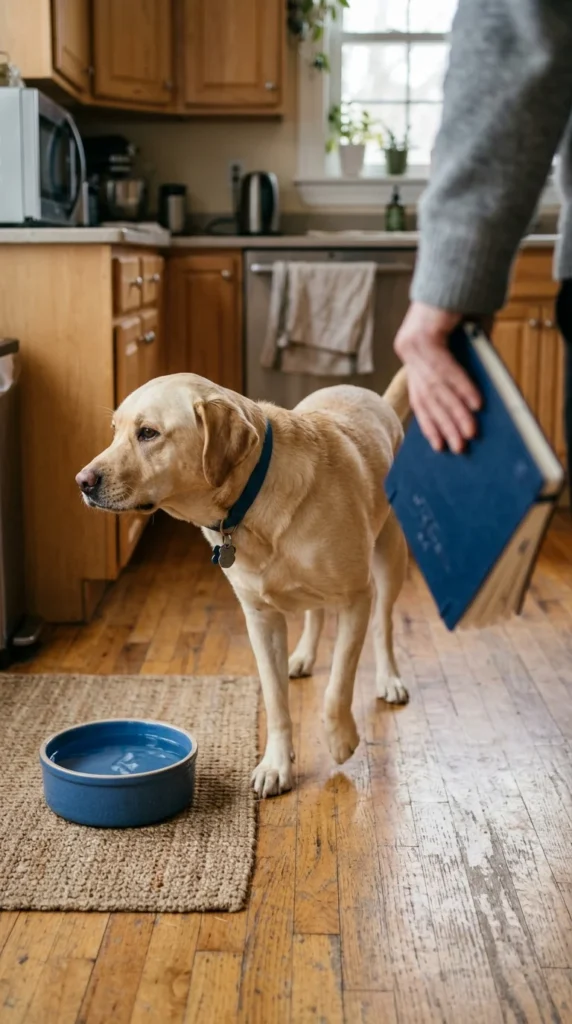
5. Increased Thirst or Changes in Urination
If you’re refilling the water bowl more than usual and the weather or exercise doesn’t explain it, call your vet. Increased thirst and urination can be linked to several conditions, including kidney disease and diabetes, which only a veterinarian can sort out.
Also watch for accidents in a house-trained dog, straining to urinate, or blood in the urine. Those need prompt attention.
6. Coughing, Sneezing, or Trouble Breathing
Occasional sneezing is normal. Frequent or forceful coughing is not. Difficulty breathing, breathing with obvious effort, or bluish-looking gums needs immediate veterinary care.
If your dog’s breathing seems labored, treat it as urgent and call an emergency clinic on the way.
7. Unexplained Weight Loss
Weight loss without a change in diet or exercise is a red flag. It can be hard to judge by eye, so check your dog’s weight regularly. Your vet can weigh your dog at visits or let you know if the clinic offers walk-in weigh-ins.
The AKC advises alerting your vet if you notice a loss of about 10% of body weight, though earlier changes are worth mentioning too.
8. Behavior Changes
Dogs in pain or feeling unwell often act differently. Look for hiding, clinginess, new irritability, snapping or growling when touched, restlessness, or a change in how your dog greets people.
These signs are non-specific, so don’t panic, but don’t wait for weeks either. If the change lasts more than a day or two, ask your vet.
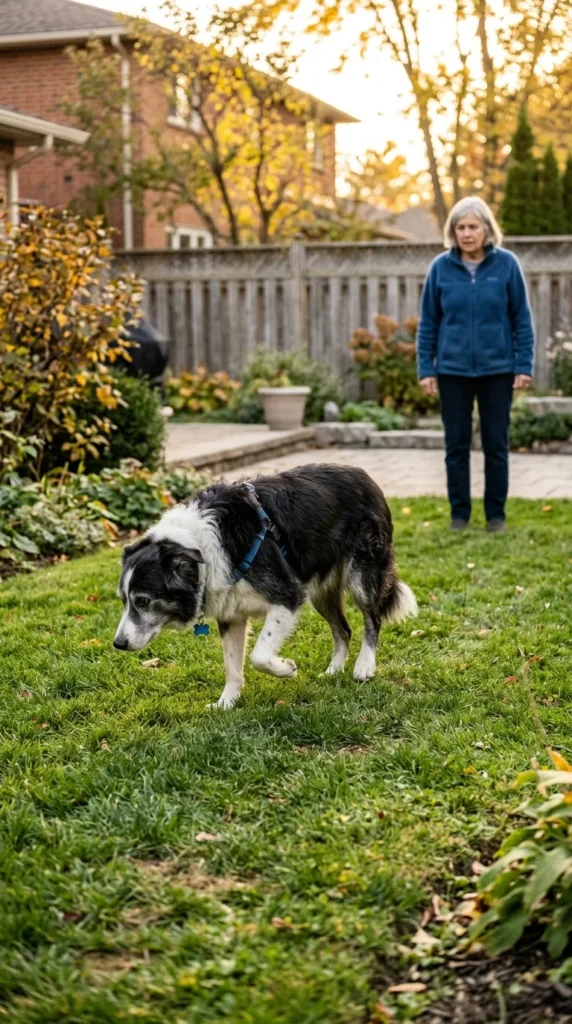
9. Limping, Stiffness, or Pain
Reluctance to jump, trouble with stairs, limping, yelping when touched, or stiffness after rest can all point to pain. Run your hands gently over your dog’s body and note any new lumps, swelling, or spots that make them flinch.
Sudden inability to use a leg, severe pain, or pain after trauma such as a fall or fight should be checked right away. Even if your dog seems fine after an accident, contact your vet.
10. Changes in the Eyes, Gums, Skin, or Breath
Squinting, pawing at the eyes, discharge, or redness can signal an eye problem. Healthy gums are generally pink, and when you press a thumb on them they should turn white and return to pink within about two seconds. Pale, bluish, or very red gums need prompt veterinary attention.
Also watch for persistent scratching, hair loss, hot spots, ear odor, or breath that suddenly smells much worse than usual. Bad breath can be as simple as dental buildup, but your vet should confirm.
Vetstreet, “How to Tell If Your Dog Is Ill“: https://www.vetstreet.com/dogs/how-to-tell-if-your-dog-is-ill
How to Check Your Dog at Home
A few quick checks can give your vet useful information. They don’t replace an exam.
- Gums: Look at color and do the gentle two-second press test described above.
- Body: Feel for new lumps, swelling, or tender areas.
- Temperature: A normal dog temperature is about 99.5 to 102.5 degrees Fahrenheit, and a dog can be sick without a fever. Ask your vet how they’d like you to take it, and what is normal for your dog.
- Daily notes: Jot down appetite, water intake, bathroom habits, and energy so you can describe changes accurately.

When to Call the Vet and When to Go to the Emergency Clinic
Call your regular vet soon if you notice:
- Reduced appetite lasting more than a day
- Low energy lasting more than a day or two
- Soft stool or occasional vomiting that doesn’t settle
- Increased thirst, new accidents, or gradual weight loss
- New limping, scratching, or eye or ear changes
Seek urgent or emergency care for:
- Difficulty breathing or bluish gums
- Repeated vomiting, or vomit or stool with blood
- Seizures or collapse
- Bleeding that won’t stop
- Suspected poisoning, such as ingesting a toxic food, plant, or medication
- Severe pain, or a swollen, hard abdomen
- Trauma, such as being hit by a car or a dog fight

If you suspect poisoning, call your vet or a pet poison hotline right away and keep the product or plant ready to describe. Ask your vet in advance what to do after hours, so you aren’t searching for answers during an emergency.
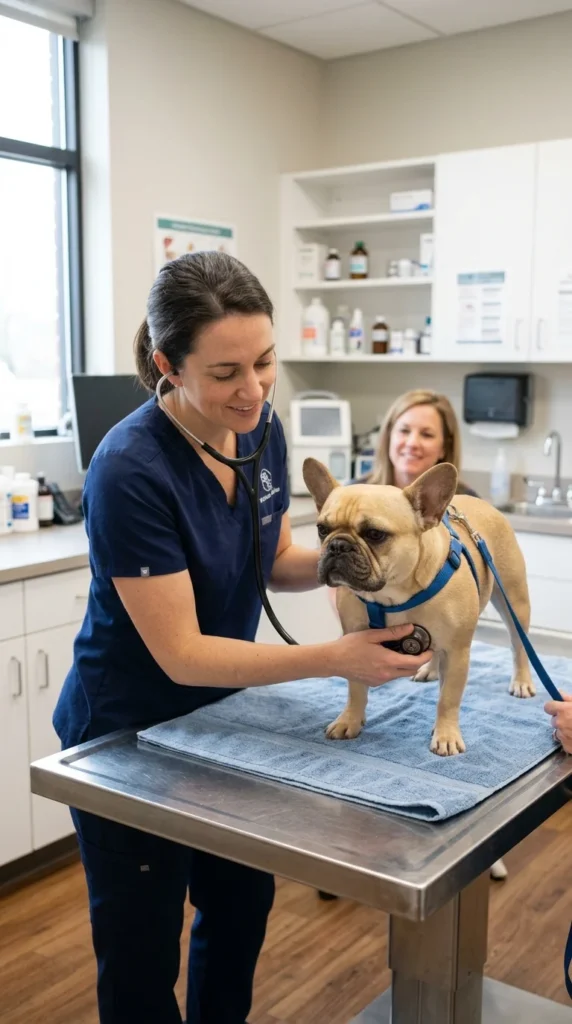
What to Tell Your Veterinarian
When you call, be ready to describe:
- What you noticed and when it started
- How often it happens
- Appetite, water intake, and bathroom habits
- Any recent changes in food, treats, medications, or environment
- Anything your dog may have eaten or gotten into
Photos or short videos of limping, coughing, or unusual behavior can help, since symptoms don’t always show up at the appointment.
Mistakes to Avoid
- Waiting too long. A vet would rather hear from you early.
- Giving human medications. Many are dangerous to dogs. Never give medication unless your vet tells you to.
- Trying home remedies for serious symptoms. Bland-diet advice should come from your vet.
- Letting cost delay the call. Ask your clinic about options early.
- Ignoring your instincts. If something feels wrong, trust that.
Frequently Asked Questions
How long should I wait before calling the vet about a sick dog?
For mild changes, a day is a reasonable limit. Call sooner for vomiting, diarrhea, or low energy in puppies, seniors, or small dogs, and immediately for breathing trouble, collapse, seizures, or bleeding.
What is a normal temperature for a dog?
Roughly 99.5 to 102.5 degrees Fahrenheit. Individual dogs vary, and a dog can be ill with a normal temperature, so use it as one piece of information.
Is it normal for a dog to sleep more?
Puppies and seniors sleep a lot. But a sudden change in your dog’s usual sleep pattern, especially with appetite loss or reluctance to move, is worth checking.
Can dogs be sick without a fever?
Yes. Many illnesses do not cause a fever, so watch behavior, appetite, and bathroom habits as well.
What are the most urgent symptoms in dogs?
Trouble breathing, collapse, seizures, uncontrolled bleeding, repeated vomiting or vomiting blood, suspected poisoning, and severe pain all require immediate attention.
Final Thoughts
Knowing the signs of illness in dogs comes down to knowing what’s normal for yours. Track the small changes, trust your instincts, and call your veterinarian early rather than late. If you’re unsure whether something is urgent, a quick call to your vet or an emergency clinic is always reasonable.
This article is for general education and is not a substitute for veterinary advice. If you are concerned about your dog’s health, contact your veterinarian.