“How much exercise does my dog need?” has no single answer, because a six-month-old puppy, a healthy three-year-old, and a twelve-year-old with stiff hips all need different things. Dog exercise needs by age shift as bodies grow, mature, and slow down. Too little leaves dogs bored and overweight. Too much can strain developing or aging joints.
This guide gives realistic ranges for puppies, adults, and seniors, explains which other factors matter, shows how to tell if your dog is getting too much or too little, and points out when to check with your veterinarian. Treat every number here as a starting point, not a prescription.
Table of Contents
Quick Answer: How Much Exercise Does a Dog Need?
Most healthy adult dogs do well with at least 30 minutes of activity a day, and some active breeds need much more. Puppies need shorter, gentler sessions while their bones and joints develop. Senior dogs usually do best with shorter, low-impact walks. Breed, health, and individual energy matter as much as age, so adjust to your dog.
Why Exercise Matters at Every Age
Regular activity helps dogs stay at a healthy weight, keeps muscles and joints moving, supports heart health, and burns off energy that might otherwise turn into chewing, barking, or restlessness. It is also mental. Sniffing on a walk, learning a trick, or solving a food puzzle tires the brain as well as the body.
The right amount depends on the dog in front of you. Exercise should leave your dog comfortably tired, not exhausted or sore.
Puppy Exercise: Short, Gentle, and Frequent
Puppies are full of energy, so it is tempting to wear them out. But puppies are still growing, and the AKC notes that too much activity can stress growing bones and joints. The long bones in a puppy’s legs grow from areas called growth plates, which gradually harden as the puppy matures. Large and giant breeds take the longest. According to the AKC’s chief veterinarian, giant breed puppies keep growing until they are about 12 to 18 months old.
The “5 Minutes Per Month of Age” Rule
You will often see the advice to give a puppy about five minutes of structured exercise per month of age, up to twice a day. For example, a four-month-old puppy would get roughly 20 minutes per session. This is a popular rule of thumb, but it is not a scientific formula. Veterinary sources note that there is limited research on exactly how much is ideal, so use it as a cap for structured walks, not a target to reach.
What Good Puppy Exercise Looks Like
- Short walks at the puppy’s own pace
- Free play in a safe, fenced area
- Gentle play with puppies of similar age and size
- Short training sessions and sniffing games
- Plenty of naps, since young puppies sleep a lot
What to Limit Until Your Vet Says It Is Safe
- Jogging, long hikes, and repetitive running
- Endless ball or Frisbee chasing with sharp turns and jumps
- Jumping off furniture or high obstacles
- Running alongside bikes or much bigger dogs
- Agility obstacles that require jumping or climbing
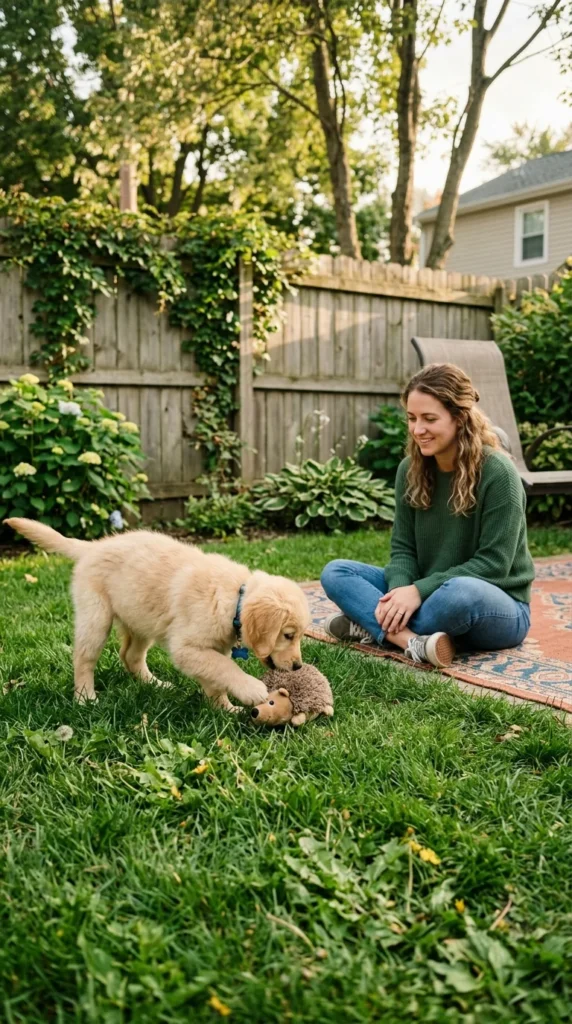
Let your puppy set the pace, and stop before they start lagging, stumbling, or lying down. If your puppy has not finished vaccinations, ask your vet where it is safe to walk and play. Mental exercise, such as training and puzzle toys, tires puppies out safely.
PDSA, Exercising Your Puppy: https://pdsa.org.uk/pet-help-and-advice/looking-after-your-pet/puppies-dogs/exercising-your-puppy
Adult Dog Exercise: Consistency Is Key
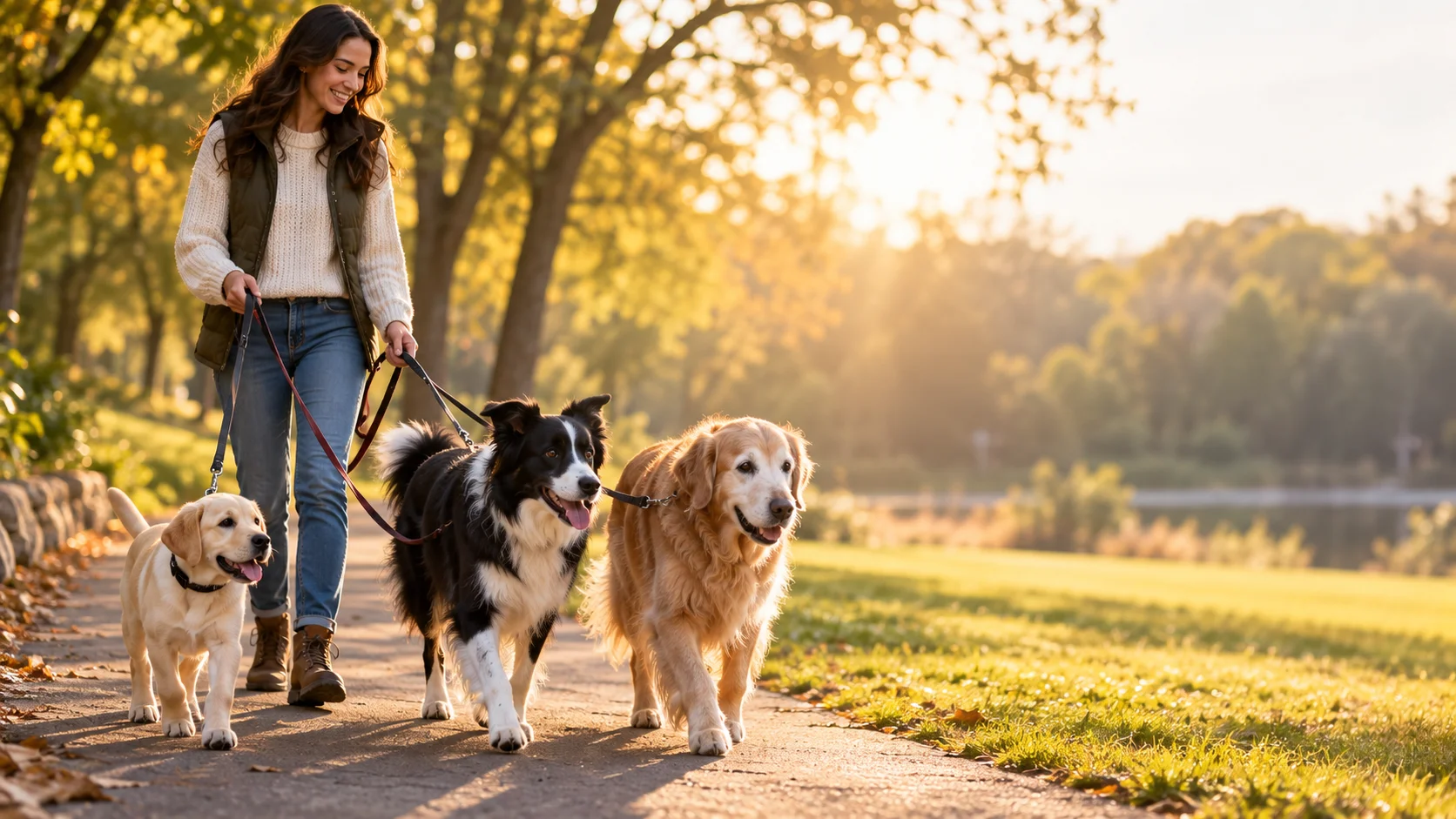
Adult dogs generally need the most exercise. Many sources suggest at least 30 minutes a day for most healthy adults, and highly active breeds may need an hour or more split across the day. A dog who is still restless after a typical walk may need more. A dog who struggles to keep up may need less.
Variety helps. A good adult routine might include:
- Daily walks: Let your dog sniff and explore, because it adds mental work.
- Active play: Fetch, tug, or chase games in a secure yard.
- Structured outings: Hiking, swimming, or jogging for dogs who are fit and cleared by the vet.
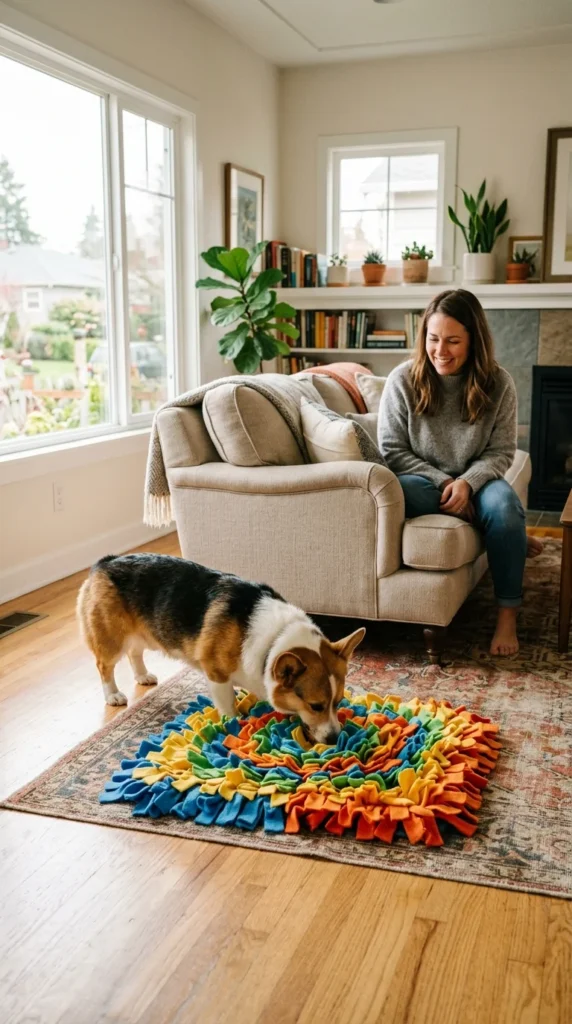
- Mental challenges: Food puzzles, scent games, and training practice.
Build up slowly. A “weekend warrior” dog who sits all week and then does a long hike is more likely to get sore or injured than one who is active a little each day.
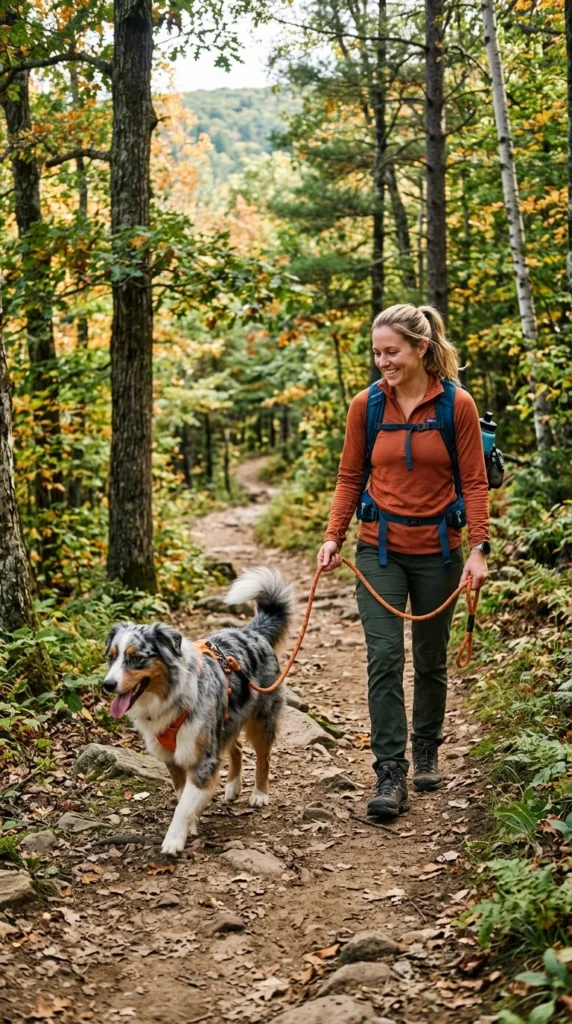
Senior Dog Exercise: Gentle and Adjusted
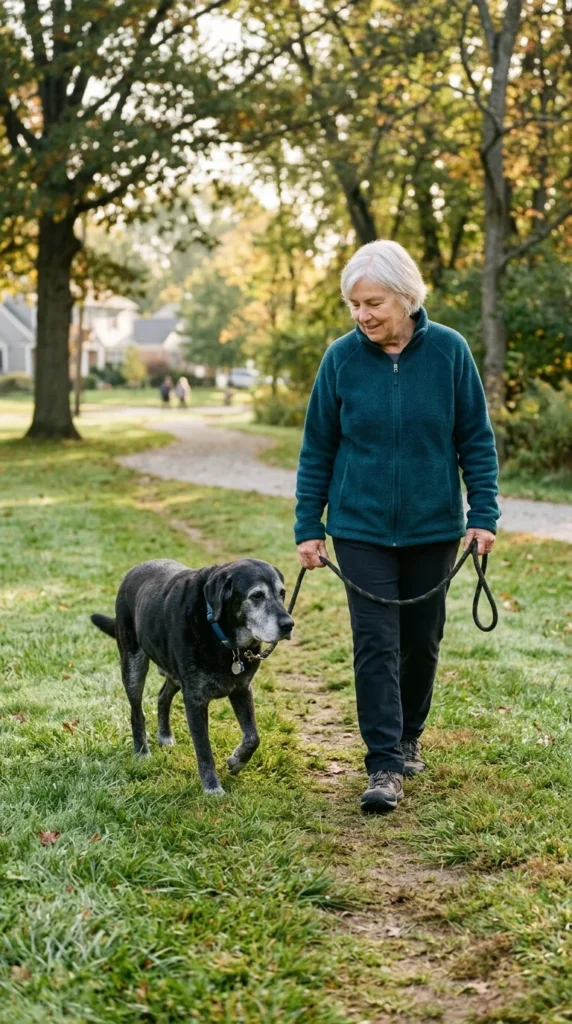
Senior dogs still need daily movement. It helps maintain muscle, keeps joints mobile, and supports a healthy weight. But the type and length of exercise usually change. Dogs are often considered seniors around age 7, though large breeds may age sooner and small breeds later.
Tips for Exercising an Older Dog
- Go shorter and more often. Two or three shorter walks can be easier on stiff joints than one long one.
- Choose low-impact activity. Gentle walks on soft, flat ground are often easier than running or jumping. Swimming can be a good option for some dogs, with safety supervision.
- Warm up and cool down. A slow start and finish helps stiff muscles.
- Watch for pain afterward. Limping, stiffness, or reluctance the next day means the activity was too much.
- Keep the brain busy. Scent games, slow sniff walks, and gentle puzzle toys are great for dogs who cannot do as much physically.
Many fit seniors can still enjoy long walks, while dogs with arthritis may need shorter sessions. If your senior dog suddenly slows down, lags, or avoids stairs, talk to your vet rather than assuming it is just old age. Pain, heart or lung problems, and other conditions can be treated.
Other Factors That Change Your Dog’s Exercise Needs
Age is only one piece. Consider these as well.
Breed and Size
Herding, sporting, and working breeds often have high energy needs, while many toy and giant breeds need less. Flat-faced breeds such as Pugs, Bulldogs, and Shih Tzus can have breathing difficulties and may overheat or tire easily, so they need shorter, gentler activity. Individual dogs vary, and mixed breeds can be hard to predict, so observe your own dog.
Health Conditions
Arthritis, heart disease, obesity, breathing problems, and injuries all change what is safe. Overweight dogs should build up gradually. Always ask your vet before starting a new routine for a dog with a health condition.
Weather and Surface
Hot pavement can burn paws, and heat can quickly become dangerous, especially for flat-faced, overweight, or older dogs. In summer, walk in the cooler morning or evening hours, bring water, and rest in shade. In winter, watch for icy surfaces and cold-sensitive dogs.
Signs Your Dog Is Getting Too Little Exercise
- Destructive chewing, digging, or pacing
- Excess barking or attention-seeking
- Weight gain
- Restlessness at night
- Hyperactivity indoors
These can also have other causes, such as boredom, anxiety, or medical problems, so consider the whole picture.
Signs Your Dog Is Getting Too Much Exercise
- Limping, stiffness, or soreness after activity or the next day
- Heavy panting that does not settle, or drooling
- Lagging behind, lying down, or refusing to continue
- Reluctance to walk or play afterward
- Sore, cracked, or burned paw pads
- Unusual tiredness for a day or more
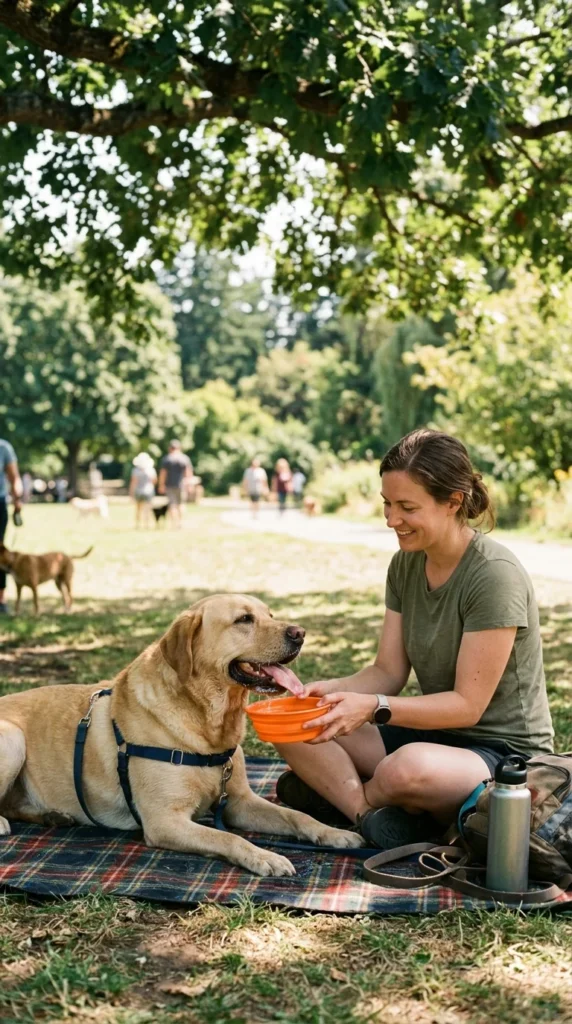
If your dog shows signs of heatstroke, such as intense panting, drooling, weakness, vomiting, or collapse, move them to shade and call your vet or an emergency clinic immediately.
Common Exercise Mistakes to Avoid
- Exhausting a puppy: A tired puppy is not necessarily a well-exercised puppy. Overdoing it can harm growing joints.
- Using one number for every dog: A rule of thumb is a starting point, not a requirement.
- Sudden jumps in intensity: Increase time and effort gradually.
- Ignoring the heat: Many dogs do not know when to stop.
- Skipping mental exercise: Sniffing and training matter as much as miles.
- Assuming slowing down is normal aging: Pain is common in older dogs and often treatable.
- Exercising right after a big meal: Ask your vet about timing, especially for large, deep-chested breeds.
When to Talk to Your Veterinarian
Ask your vet before starting a new exercise routine if your dog is a puppy, a senior, overweight, or has a health condition. Call if you notice:
- Limping that lasts more than a day or two
- Pain, yelping, or stiffness after activity
- Sudden loss of energy or reluctance to exercise
- Coughing, labored breathing, or fainting during activity
- Rapid weight gain or loss
Seek emergency care for collapse, severe breathing trouble, or signs of heatstroke.
Frequently Asked Questions
How long should I walk my dog each day?
Most healthy adult dogs do well with at least 30 minutes of activity, often split across walks and play. Active breeds may need more, and puppies and seniors usually need shorter sessions.
Can a puppy get too much exercise?
Yes. Too much high-impact or repetitive exercise can stress growing joints. Keep sessions short and let your puppy rest, and ask your vet about the right plan for your puppy’s breed and size.
Is the 5-minutes-per-month rule accurate?
It is a common guideline for structured walks, but it is not a scientific rule. Use it as an upper limit and focus on your puppy’s energy, comfort, and recovery.
Do senior dogs still need daily walks?
Yes, in most cases. Gentle daily movement helps maintain muscle and joint mobility. Keep walks shorter, choose soft flat ground, and watch for stiffness afterward.
Is playing in the yard enough exercise?
Not always. Many dogs do not exercise much on their own in the yard. Walks, active play, and training add structure, variety, and mental stimulation.
How do I know if my dog needs more or less exercise?
Look at behavior and recovery. Restlessness, chewing, and weight gain suggest too little. Soreness, limping, and exhaustion suggest too much. Your vet can help fine-tune the plan.
Final Thoughts
The best exercise plan fits your dog’s age, breed, health, and personality. Keep puppy activity short and gentle, give healthy adults steady daily movement and mental challenges, and adjust for seniors with shorter, low-impact outings. Watch how your dog recovers, and when in doubt, ask your veterinarian to help set a plan.
This article is for general education and is not a substitute for veterinary advice. If you are concerned about your dog’s health or exercise needs, contact your veterinarian.