

A dog that barks at the doorbell, the window, the neighbors, and sometimes nothing at all can wear down even the most patient owner. If you are searching for how to stop excessive dog barking, the good news is that most barking problems improve when you understand why your dog is barking and respond with the right kind of training.
Barking is a normal way for dogs to communicate, so the goal is not a silent dog. It is to reduce unnecessary barking and teach your dog calmer ways to get what they need. This guide explains the common causes, a practical step-by-step plan, what to avoid, and when to call a professional.
Table of Contents
Quick Answer: How Do You Stop a Dog from Barking Excessively?
First, figure out why your dog is barking, since boredom, attention-seeking, fear, and alerting each need a different fix. Then reward quiet behavior, teach a “quiet” cue, give enough exercise and mental stimulation, and manage triggers. Avoid yelling or punishment, and ask your vet or a behavior professional for help if anxiety is involved.
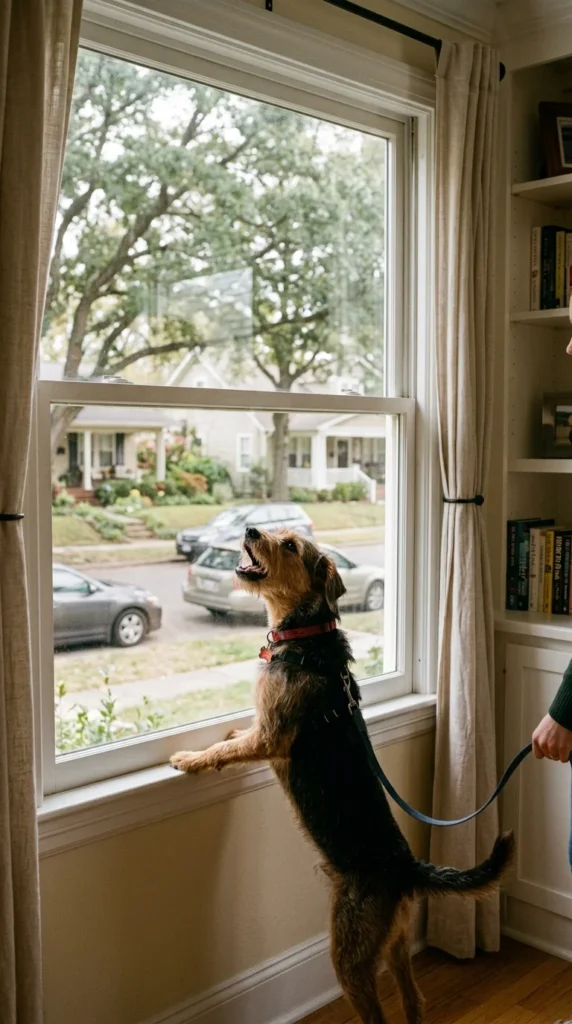
Why Dogs Bark
Dogs bark for many reasons, and one dog may bark for several of them in different situations. Common causes include:
- Attention-seeking or demand barking. Your dog barks for food, play, petting, or to be let out, because it has worked before.
- Boredom or excess energy. A dog without enough exercise or stimulation often invents their own entertainment.
- Alert or territorial barking. Dogs bark at sounds, passersby, delivery drivers, and anything that seems to enter their space.
- Excitement or frustration. Greetings, play, and waiting for something can set off barking.
- Fear or anxiety. Dogs may bark at unfamiliar people, dogs, or noises, or when left alone.
Some breeds also tend to be more vocal than others, though individual dogs vary.
Step 1: Find the Cause
The fix depends on the reason, so spend a few days observing. Notice when your dog barks, what happens right before, what the barking looks like, and what happens afterward. A simple log can help:
- What time of day does it happen?
- What is the trigger: a sound, a person, being alone, or hunger?
- Does your dog look relaxed, excited, or tense and fearful?
- What do you usually do in response?
Also consider health. If barking is new, sudden, or comes with other changes such as restlessness, pacing, or signs of discomfort, talk to your veterinarian. Pain and other medical issues, including age-related changes in senior dogs, can affect behavior.
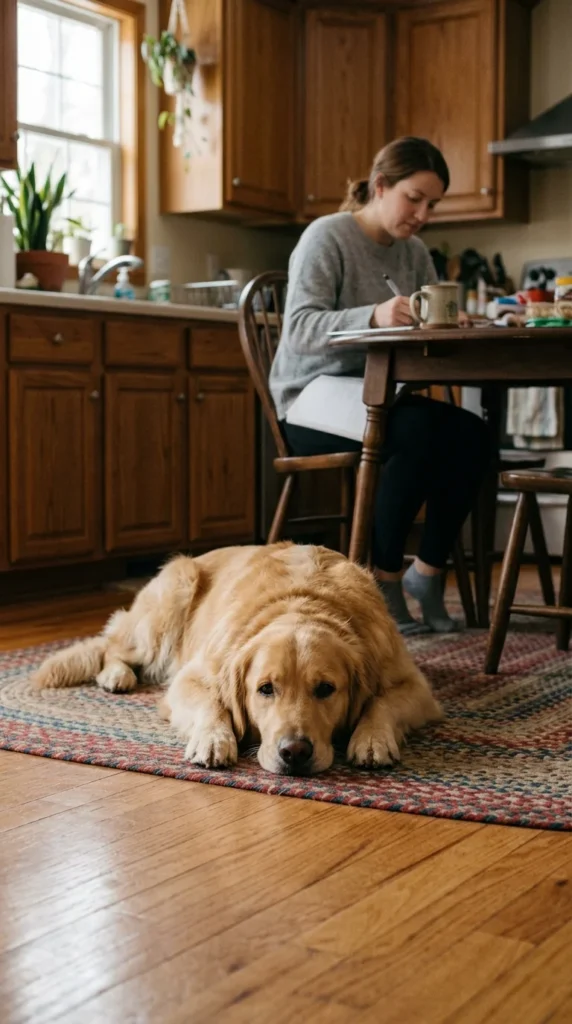
Step 2: Meet Your Dog’s Basic Needs
A dog who has had a good walk, some play, and something interesting to do is often a quieter dog. Before you work on training, check the basics:
- Physical exercise. Daily walks and play suited to your dog’s age, breed, and health.
- Mental stimulation. Food puzzles, sniff walks, chew toys, and short training sessions.
- Social time. Dogs are social animals, and many bark when they are left isolated for long stretches.
- A comfortable place to rest. A cozy bed or crate in a calm part of the home.
Exercise helps, but it will not fix every barking problem on its own. Think of it as the foundation for the training that follows.
Step 3: Reward Quiet and Teach a “Quiet” Cue
Positive reinforcement works best for most barking problems. Instead of only reacting to barking, notice and reward the moments your dog is calm.
Catch Your Dog Being Quiet
Throughout the day, calmly praise or give a treat when your dog is lying down quietly, relaxing near a window, or ignoring a sound that used to set them off. This shows your dog which behavior pays.
Teach “Quiet” Step by Step
- Wait for a pause. Let your dog bark a few times, then wait for a brief moment of silence, even one second.
- Mark and reward. The instant your dog stops, say “yes” and give a treat.
- Add the cue. Once you can predict the pause, say “quiet” in a calm voice just before it happens, then reward.
- Lengthen the quiet. Wait a second or two longer before rewarding, then a bit longer again.
- Practice with real triggers. Gradually use the cue when something sets your dog off, rewarding calm.
Some trainers find it easier to teach a “speak” cue first, so “quiet” has a clear opposite. Either way, keep sessions short, keep treats small and tasty, and be patient. Remember that a “quiet” cue only works when you are there to give it, so it works best alongside the other steps in this guide.

Fixing Barking by Cause
Attention and Demand Barking
If your dog barks to get food, play, or attention, responding rewards it, even if you respond by scolding. Instead, wait for a pause in the barking before giving what your dog wants, and reward calm behavior first. Teach a polite alternative, such as sitting or bringing a toy, so your dog has a way to ask that works. Be consistent, because giving in even occasionally can keep the habit alive. Expect barking to briefly get worse before it gets better when you stop rewarding it.
Barking at the Window or Fence
Many dogs rehearse alert barking all day when they can see passersby. Management helps a lot:
- Block the view with window film or by closing curtains or blinds.
- Rearrange furniture so your dog cannot perch at the window.
- Bring your dog inside, or supervise yard time, if fence-line barking is a problem.
- Reward calm behavior when people or dogs pass at a distance.
Barking at the Doorbell or Visitors
Teach your dog to go to a mat or bed when the doorbell rings, and reward them for staying there. Start by practicing with a helper or a recording of the doorbell, and gradually make it more realistic. Meanwhile, keep your dog away from the door when guests arrive.
Fear-Based Barking
If your dog barks at strangers, other dogs, or noises while looking tense, backing away, or tucking their tail, they may be afraid. Pushing a fearful dog closer to what scares them can make things worse. Instead, increase distance, use rewards to build positive associations, and slowly work toward the trigger at a level your dog can handle. A qualified trainer or veterinary behavior professional can guide you through this safely.
Barking When Left Alone
Some dogs bark when alone because they are bored, but others are genuinely distressed. Warning signs of separation-related distress include:
- Barking, howling, or whining that starts shortly after you leave
- Destructive chewing near doors or windows
- Pacing, drooling, or panting
- Accidents in the house from a house-trained dog
- Extreme excitement or distress when you return
Separation anxiety is not a training problem you can fix by scolding, and it often needs a plan from your veterinarian or a veterinary behaviorist. Ask for help rather than waiting for it to resolve on its own.

What Not to Do
- Don’t yell. Yelling at a barking dog can sound like you are joining in, and it still gives attention.
- Don’t punish barking. Punishment can increase fear and anxiety, and it does not teach your dog what to do instead.
- Don’t rely on anti-bark devices. Shock, spray, and similar collars work by delivering an unpleasant consequence. Many veterinary behavior professionals advise against them, especially when fear or anxiety is behind the barking.
- Don’t expect overnight results. Barking is a habit, and changing it takes consistency from everyone in the household.
- Don’t ignore possible medical or anxiety problems. Get help if the barking is sudden, intense, or paired with signs of distress.
PetMD, How To Stop a Dog From Barking: https://www.petmd.com/dog/behavior/how-to-stop-a-dog-from-barking
Tips for Apartments and Neighbors
If barking is causing problems with neighbors, small changes can help quickly while training takes hold:
- Set up your dog’s resting area away from shared walls and the front door.
- Use white noise or soft background sound to mask hallway and street noises.
- Schedule exercise and enrichment before you leave, and leave a stuffed food toy or chew.
- Consider a midday dog walker or daycare if your dog is alone for long hours.
- Let neighbors know you are working on the problem. It often earns patience.
How Long Does It Take?
There is no standard timeline. Simple habits, like attention barking, may improve within a few weeks of consistent training, while fear-based or anxiety-related barking can take much longer and may need professional help. Progress is rarely a straight line, so track small wins, such as shorter barking episodes or quicker recovery after a trigger.
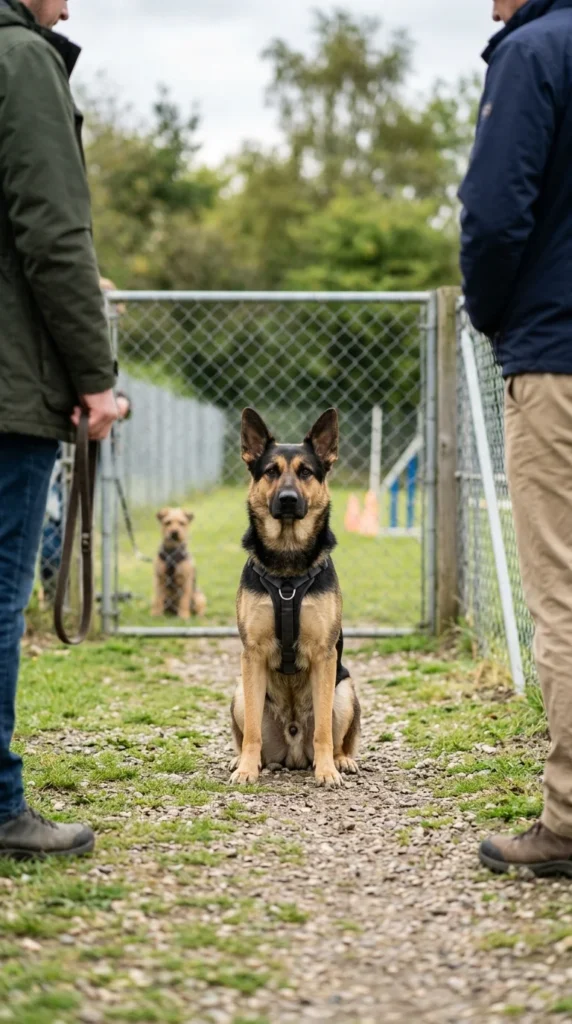
When to Call a Professional
Contact your veterinarian or a qualified behavior professional if:
- The barking started suddenly or changed noticeably
- Your dog seems fearful, panicked, or distressed
- You suspect separation anxiety
- Barking comes with growling, snapping, or lunging
- You are not seeing progress after consistent effort
Your vet can check for medical causes and may refer you to a veterinary behaviorist or a certified trainer who uses reward-based methods.
Frequently Asked Questions
Why does my dog bark at nothing?
Dogs hear and smell far more than we do, so they often react to sounds and scents you cannot detect. Still, if barking at “nothing” is new or comes with other changes, mention it to your vet.
Should I ignore my dog when they bark?
Ignoring works for attention-seeking barking, as long as you reward quiet right after. It is not the right approach for fear, anxiety, or alarm barking, where your dog needs help feeling safe.
Will a bark collar fix the problem?
Collars may suppress barking without addressing the reason for it, and many behavior professionals advise against aversive devices. Reward-based training and meeting your dog’s needs tend to be safer and more lasting.
Can puppies be taught not to bark too much?
Yes. Early socialization, enough exercise and sleep, and rewarding calm behavior all help. Puppies also bark to get attention, so be careful not to reward demand barking.
Does a tired dog bark less?
Often, yes, especially if boredom or excess energy is the cause. Exercise alone will not solve fear or anxiety, though.
Is it okay to let my dog bark sometimes?
Yes. Some barking is normal, and many owners like an alert dog. The aim is a dog who can stop when asked and who does not bark excessively.
Final Thoughts
Learning how to stop excessive dog barking starts with understanding the “why.” Meet your dog’s needs, reward quiet, teach a calm cue, manage triggers, and get professional help when fear, anxiety, or sudden changes are involved. Your next step is to spend a few days noting when and why your dog barks, then pick one cause to work on first.
This article is for general education and is not a substitute for veterinary or professional behavior advice. If your dog shows distress, aggression, or sudden behavior changes, consult your veterinarian or a qualified behavior professional.