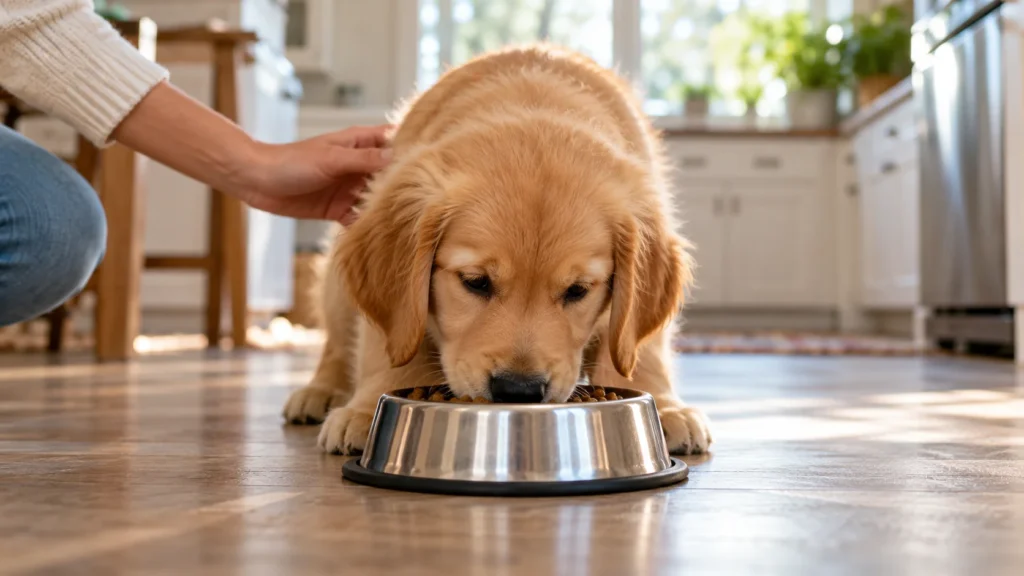
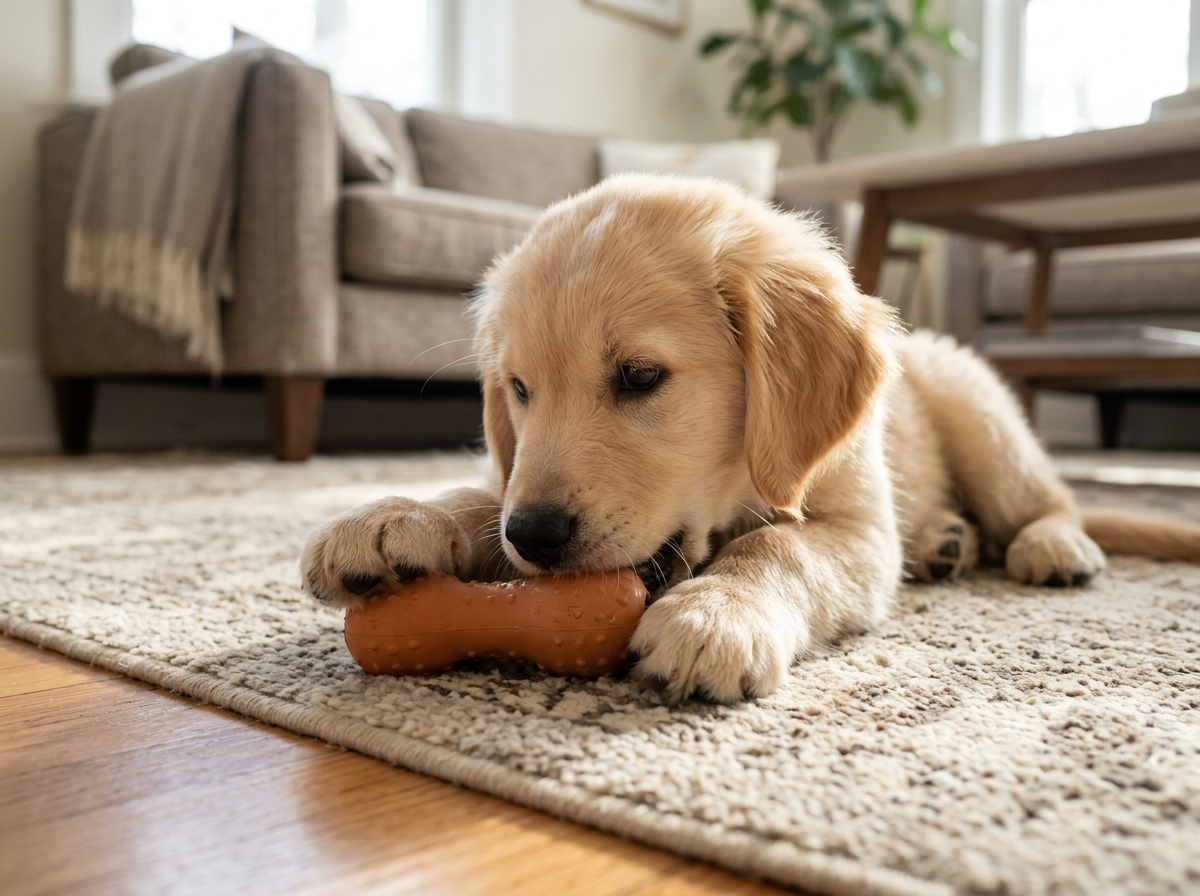
The chewing stage for puppies can be one of the most challenging parts of raising a young dog. Your puppy may gnaw on shoes, furniture, toys, and even your hands. This behavior can feel frustrating, especially when your puppy seems determined to chew everything in sight. However, chewing is a normal part of puppy development. Puppies explore their surroundings with their mouths, play with objects, and chew as their adult teeth begin to emerge.
The goal is not to stop your puppy from chewing altogether. Instead, you want to teach your puppy what is safe to chew and what must stay off-limits. Understanding the teething timeline, offering suitable chew toys, and supervising your puppy can make this stage easier. With patience and consistent guidance, you can protect your belongings while helping your puppy develop healthy habits that continue into adulthood.
Table of Contents
Quick Answer: What Is the Chewing Stage for Puppies?
The chewing stage for puppies often becomes more noticeable during teething, which usually starts around 3 to 4 months of age. Most puppies have their adult teeth by about 6 months. However, chewing can continue afterward because dogs also chew for play, exploration, and stimulation. Provide safe toys, supervise your puppy, and redirect unwanted chewing calmly.
Why Do Puppies Go Through a Chewing Stage?
Chewing serves several purposes during puppyhood. Understanding the reason behind the behavior helps you respond in a way that teaches your puppy instead of creating more confusion.
They Explore the World With Their Mouths
Young puppies investigate new objects by sniffing, licking, and chewing them. A shoe may carry an interesting smell. A table leg may have a satisfying texture. Your puppy does not automatically understand which household items are valuable or dangerous.
Explore our puppy training guides to teach your puppy good chewing habits and prevent destructive behavior. https://dogsdailycare.com/stop-dog-jumping-on-people/
This is why puppy-proofing matters. Put tempting objects away and offer suitable alternatives before your puppy develops a habit of chewing them.
Teething Can Make Their Gums Uncomfortable
Puppies first develop baby teeth and later replace them with permanent adult teeth. During this change, their gums may feel uncomfortable. Chewing on an appropriate toy can provide a useful outlet for that urge.
You might notice more chewing, drooling, or interest in soft objects during teething. Small baby teeth may also appear on the floor, although puppies often swallow them without anyone noticing. Contact your veterinarian if you see significant bleeding, swelling, severe pain, or difficulty eating.
They Need Play and Mental Stimulation
Chewing is not always caused by teething. Puppies also chew because they are curious, bored, excited, or looking for something to do. A puppy with few activities may turn to furniture or household items for entertainment.
Short training sessions, age-appropriate play, sniffing activities, and suitable chew toys give your puppy better ways to use their energy. Chewing that happens mainly when a puppy is alone may also have other causes, including stress or separation-related distress.
Puppy Teething Timeline: What to Expect by Age
Every puppy develops at a slightly different pace. Breed and individual differences can affect the timing, so use these age ranges as general guidance rather than strict deadlines.
Birth to 8 Weeks: Baby Teeth Develop
Puppies begin developing their baby teeth during their first weeks of life. By around 6 to 8 weeks, most have a set of small, sharp puppy teeth. They may mouth littermates and explore objects as they become more active.
If you bring home a young puppy, begin offering appropriate toys and gentle handling. Avoid encouraging your puppy to bite fingers during play, even if the behavior seems harmless when the dog is tiny.
8 to 12 Weeks: Exploration and Mouthing
At this age, puppies are learning about their new homes and the people around them. They may chew clothing, nibble hands, or pick up objects from the floor. Not all this chewing is caused by teething. Curiosity and play are also important reasons.
Keep toys nearby and redirect your puppy when they choose an inappropriate item. Reward calm behavior and make household rules consistent for everyone in the family.
3 to 4 Months: Adult Teeth Begin to Emerge
The chewing stage for puppies often intensifies around this period. Baby teeth begin to loosen and fall out as permanent teeth emerge. Your puppy may show more interest in chew toys and may become mouthier during play.
Offer puppy-safe toys with suitable textures and sizes. Ask your veterinarian which products fit your puppy’s age, size, and chewing strength. Check your puppy’s mouth during routine care when they are comfortable with gentle handling.
4 to 6 Months: Teething Often Peaks
Many puppies do much of their teething during these months. You may find tiny teeth, notice increased chewing, or see your puppy seek out cool objects for relief. Some puppies also chew more when tired or overstimulated.
Keep dangerous objects out of reach and supervise chewing. Most puppies have lost their baby teeth by around 6 months, but the exact timing varies. Your veterinarian can check whether the adult teeth are coming in properly.
6 Months and Older: Chewing May Continue
By around 6 months, most puppies have their adult teeth. That does not mean chewing will stop. Dogs continue to chew for enjoyment, play, and mental stimulation throughout life.
If your puppy keeps chewing shoes or furniture, focus on training and management rather than waiting for age to solve the problem. If baby teeth remain beside adult teeth, ask your veterinarian to examine the mouth.
How to Stop a Puppy From Chewing Everything
You cannot watch your puppy every second, but you can arrange your home and routine to encourage better choices. These steps help prevent damage while teaching your puppy what is appropriate.
1. Keep Dangerous Objects Out of Reach
Store shoes, clothing, children’s toys, trash, and small household items behind closed doors or inside secure containers. Keep electrical cords inaccessible and use gates to block rooms that are not puppy-proofed.
Remember that swallowing a foreign object can cause serious harm. Keep medications, batteries, cleaning products, and other hazardous items securely stored. If you suspect your puppy has swallowed something dangerous, contact a veterinarian or animal poison-control service promptly.
2. Offer Appropriate Chew Toys
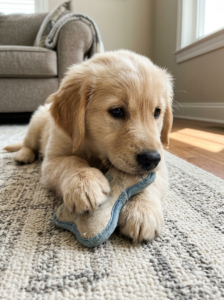
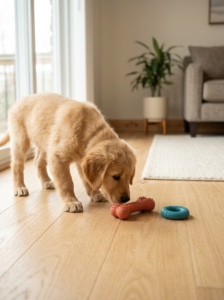
Give your puppy several suitable options instead of expecting them to avoid chewing altogether. Choose toys designed for puppies and matched to your dog’s size and chewing strength. A toy should not be so small that your puppy can swallow it.
Inspect toys often. Remove anything that breaks apart, develops sharp edges, or loses pieces. Supervise your puppy during chewing, especially when trying a new toy. No toy is safe for every dog.
3. Redirect Chewing Calmly
If your puppy starts chewing a shoe or table leg, calmly interrupt the behavior and offer an appropriate toy. Praise your puppy when they switch to the toy. Repeat this process consistently so your puppy learns which objects are acceptable.
Avoid chasing your puppy around the room to retrieve every object. Some puppies may interpret the chase as a game. Instead, teach cues such as “drop it” and “leave it” using rewards and short practice sessions.
4. Supervise and Use Safe Spaces
Keep your puppy nearby when possible, especially during active periods. A puppy-safe pen, gated room, or properly introduced crate can help when you cannot supervise closely. Make sure the space is comfortable and free from objects the puppy could swallow or destroy.
A crate should not be used as punishment or as a place to leave a puppy confined for excessive periods. Your puppy still needs bathroom breaks, exercise, interaction, rest, and opportunities to learn.
5. Provide Play, Training, and Rest
Puppies need more than chew toys. Offer age-appropriate play, gentle training, sniffing opportunities, and social interaction. Keep activities suitable for your puppy’s development and avoid forcing exercise when they need rest.
Overtired puppies may become more mouthy or struggle to settle. If chewing increases during wild evening play, try a calmer activity and a quiet rest period instead of adding more excitement.

Which Chew Toys Are Safe for Puppies?
The safest choice depends on your puppy’s age, size, jaw strength, and chewing style. Look for products specifically designed for puppies, and follow the manufacturer’s instructions.
- Puppy-specific rubber toys: Choose an appropriate size and firmness. The toy should not break into pieces under normal use.
- Flexible teething toys: These may offer a gentler surface for sore gums. Check the toy often for damage.
- Food-stuffable toys: Some can provide enrichment when filled with a small amount of suitable food. Use only products appropriate for your puppy.
- Chilled or freezable toys: Some toys designed for chilling may help soothe tender gums. Follow product instructions and supervise use.
-
Discover helpful puppy care tips, including teething advice, safe chew toys, and healthy development. https://dogsdailycare.com/senior-dog-care/
Avoid cooked bones, which can splinter, and be cautious with very hard objects that may damage teeth. Edible chews can also present choking or blockage risks if a puppy swallows large pieces. Never assume a product is safe simply because it is marketed for dogs.
Ask your veterinarian for advice if you are unsure what your puppy can safely chew. The American Kennel Club also offers practical guidance in its guide to safe puppy chewing.
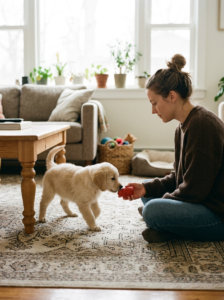
What to Do When Your Puppy Chews Hands or Clothing
Puppies often use their mouths during play. Their sharp teeth can hurt, but the behavior does not automatically mean your puppy is aggressive. The important lesson is that teeth should not be used to grab people during play.
- Pause the interaction. Stop moving your hands and avoid turning the moment into a chase.
- Offer a toy. Redirect your puppy to a tug toy or another suitable object.
- End play briefly if needed. If biting continues, calmly step away for a short period.
- Reward gentle behavior. Resume play when your puppy settles and engages appropriately.
- Keep rules consistent. Everyone in the household should follow the same approach.
Some puppies become more excited when people squeal or make loud noises. If that happens, stay calm and quietly end the interaction instead. Avoid hitting, holding the muzzle shut, or using frightening punishment. These methods can increase fear and may worsen biting.
If your puppy becomes stiff, repeatedly bites hard, guards objects, or reacts aggressively when handled, seek help from your veterinarian and a qualified reward-based trainer or veterinary behavior professional.
Common Mistakes During the Puppy Chewing Stage
- Offering old shoes as toys: Your puppy may struggle to understand why some shoes are allowed and others are not. Use clear, dog-specific toys instead.
- Leaving a puppy unsupervised with a new chew: Toys can break, and edible chews can be swallowed in unsafe pieces.
- Using punishment after the damage: Scolding a puppy long after chewing happens does not teach which choice would have been better.
- Expecting teething to end all chewing: Adult dogs also chew. Keep appropriate toys available as your puppy grows.
- Ignoring boredom or stress: Repeated chewing may signal that your puppy needs more enrichment, a calmer routine, or professional help.
- Choosing toys that are too hard or too small: Poorly matched toys can cause tooth injuries, choking, or swallowing hazards.
When Should You Contact a Veterinarian?
Ordinary puppy chewing is usually part of normal development, but not every mouth-related problem is caused by teething. Contact your veterinarian if your puppy has persistent mouth pain, significant bleeding, facial swelling, trouble eating, or baby teeth that remain after adult teeth appear.
Seek prompt veterinary advice if your puppy swallows part of a toy, string, fabric, or another foreign object. Do not try to make your puppy vomit unless a veterinary professional specifically directs you to do so. Difficulty breathing, choking, collapse, or severe distress requires emergency veterinary care.
Also seek professional advice if chewing is intense mainly when your puppy is alone, happens alongside panic or persistent distress, or continues despite consistent management. A veterinarian can help rule out medical causes and recommend qualified behavior support when needed.
Learn more about dog behavior, positive reinforcement training, and everyday care to help your puppy grow into a well-behaved dog. https://dogsdailycare.com/stop-dog-jumping-on-people/
Frequently Asked Questions
At what age does the puppy chewing stage start?
Puppies explore with their mouths from a young age. Chewing may become more noticeable around 3 to 4 months, when baby teeth begin to fall out, and adult teeth emerge. The timing varies between individual puppies.
When do puppies stop chewing everything?
Teething often settles by around 6 months, but chewing does not necessarily stop. Dogs continue to chew for play and stimulation. Consistent training, supervision, and suitable toys help prevent destructive habits.
Is chewing furniture normal for puppies?
Chewing furniture is common, but it should not be encouraged. Block access when you cannot supervise, offer an appropriate toy, and praise your puppy for choosing it. Keep furniture treatments and deterrents safe for pets.
Can I give my puppy a bone to chew?
Cooked bones should be avoided because they can splinter and injure a dog. Other bones and edible chews can also cause broken teeth, choking, or blockages. Ask your veterinarian about safer options for your puppy’s age and chewing strength.
Why does my puppy chew more at night?
Evening chewing may relate to teething, excitement, boredom, or tiredness. Try a calm routine, an appropriate chew toy, and a quiet rest period. If the behavior is extreme or comes with distress, discuss it with your veterinarian.
Should I worry if my puppy swallows a baby tooth?
Puppies often swallow shed baby teeth without obvious problems. However, swallowing a toy piece or another foreign object is different and can be dangerous. Contact your veterinarian if you are unsure what your puppy swallowed or notice signs of illness.
Final Thoughts
The chewing stage for puppies is a normal part of growing up, but it is also an important time to teach safe habits. Offer suitable chew toys, puppy-proof your home, redirect unwanted chewing, and supervise your puppy closely.
Your next step is simple: prepare a safe chewing area today and keep a suitable toy within reach. If chewing seems painful, unusually intense, or linked to distress, ask your veterinarian for guidance.
Disclaimer: This article is for general educational purposes and does not replace veterinary advice. Contact your veterinarian for concerns about your puppy’s teeth, mouth, chewing safety, or behavior.