
Bringing home a puppy means a lot of new routines, and the first round of vaccines is one of the most important. The schedule can feel confusing at first: several visits, abbreviations like DHPP, and a few shots that your vet may call optional. This guide explains the typical puppy vaccination schedule by age, what each vaccine protects against, and what to expect on and after shot day.
Your own puppy’s plan may differ slightly depending on where you live, your puppy’s health, and your veterinarian’s protocol. Use this as a roadmap for your conversation with your vet, not as a replacement for it.
Table of Contents
Quick Answer: When Do Puppies Get Their Shots?
Most puppies get their first core vaccine at 6 to 8 weeks old. They then get boosters every 2 to 4 weeks until they are at least 16 weeks old. Rabies is typically given once, around 12 to 16 weeks, depending on state law. A booster follows within a year, and most core vaccines are then repeated every three years.
Why Puppies Need Several Rounds of Vaccines
Puppies get early protection from antibodies in their mother’s milk. These maternal antibodies are helpful, but they fade at different rates in different puppies, and while they are still present they can interfere with a vaccine.
No one can tell exactly when an individual puppy’s protection fades. Veterinarians repeat the core vaccines every few weeks until about 16 weeks of age to make sure at least one dose lands after maternal antibodies have dropped. This is why one shot is never enough, and why the final puppy dose is not given before 16 weeks.
Core vs. Noncore Puppy Vaccines
Veterinary guidelines divide vaccines into two groups.
Core Vaccines
Core vaccines are recommended for virtually every dog, regardless of lifestyle, unless there is a medical reason to skip them.
- Distemper: a serious viral disease that can affect the respiratory, digestive, and nervous systems.
- Adenovirus (canine hepatitis): a virus that can damage the liver and other organs.
- Parvovirus: a highly contagious virus that causes severe vomiting and diarrhea and can be life-threatening in puppies.
- Rabies: a fatal disease that can spread to people, which is why it is required by law in most places.
The first three are usually combined in a single injection, often called DHPP or DA2PP. Many versions of this shot also include parainfluenza, a virus involved in canine cough.
Noncore (Lifestyle) Vaccines
Noncore vaccines are recommended based on where you live and how your dog spends their time. Common examples include:
- Bordetella (kennel cough): often required for daycare, boarding, grooming, and group puppy classes.
- Leptospirosis: a bacterial infection spread through contaminated water and wildlife urine. It can also affect people, and some veterinary groups now treat it as a core vaccine in many areas.
- Lyme disease: relevant in tick-heavy regions.
- Canine influenza: considered for dogs that board, attend daycare, or meet many other dogs.
Your vet knows which diseases are active in your area, so ask which noncore vaccines make sense for your puppy.
Typical Puppy Vaccination Schedule by Age
The timeline below shows a common pattern. Clinics vary, so treat the weeks as ranges rather than fixed dates.
6 to 8 Weeks: First Core Vaccine
The first DHPP (or DA2PP) dose is typically given in this window. A bordetella vaccine may also be offered if your puppy will soon be around other dogs. Many puppies get this first visit from the breeder or shelter before coming home, so ask for the paperwork.
10 to 12 Weeks: Second Round
Your puppy receives a second DHPP booster. Some vets also begin the leptospirosis series at around 12 weeks, with a second dose 2 to 4 weeks later.
12 to 16 Weeks: Rabies and Continued Boosters
Rabies is typically given as a single dose in this window, but the minimum age and rules vary by state and locality. Your vet will follow local requirements. A third DHPP booster is given around this time, and the series continues until the final dose is given at 16 weeks or older.
16 Weeks: Final Puppy Dose
The last dose in the puppy series should be given no earlier than 16 weeks. If your vet started the schedule at 6 or 8 weeks, you may have three or four visits in total, depending on the interval they use.
6 Months to 1 Year: First Booster
Current guidelines call for a booster within a year of finishing the puppy series. Some veterinarians schedule an additional core booster around 6 months. Rabies also gets a booster around the one-year mark.
After the First Year: Adult Schedule
Most core vaccines, including DHPP and rabies where a three-year product is used and local law allows, are then repeated every three years. Lifestyle vaccines such as leptospirosis, Lyme, and canine influenza are typically given annually when they apply. Your vet may adjust this based on your dog’s age and health.
What Happens at a Puppy Vaccine Visit
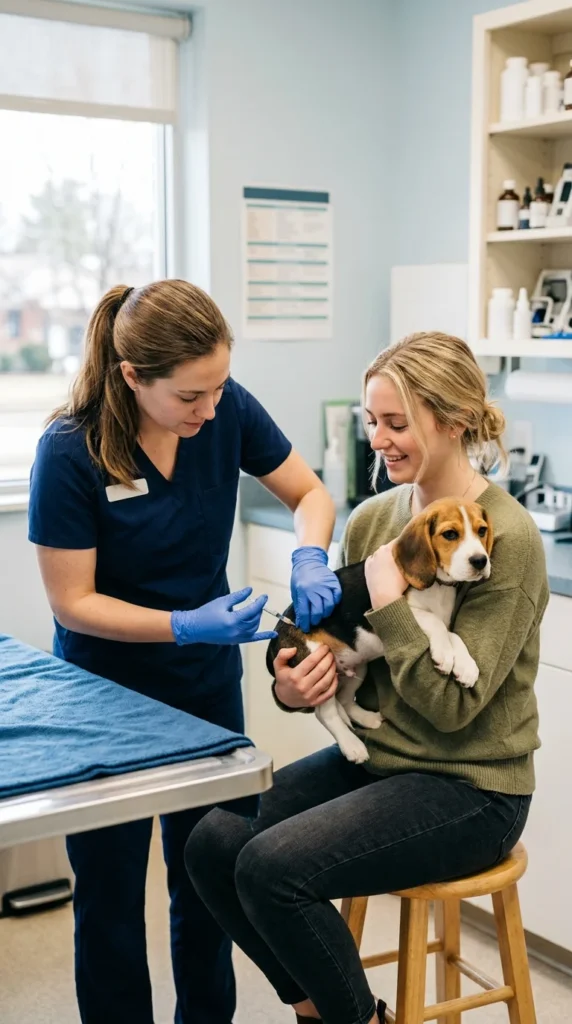
A vaccine appointment is more than a quick shot. A typical visit includes:
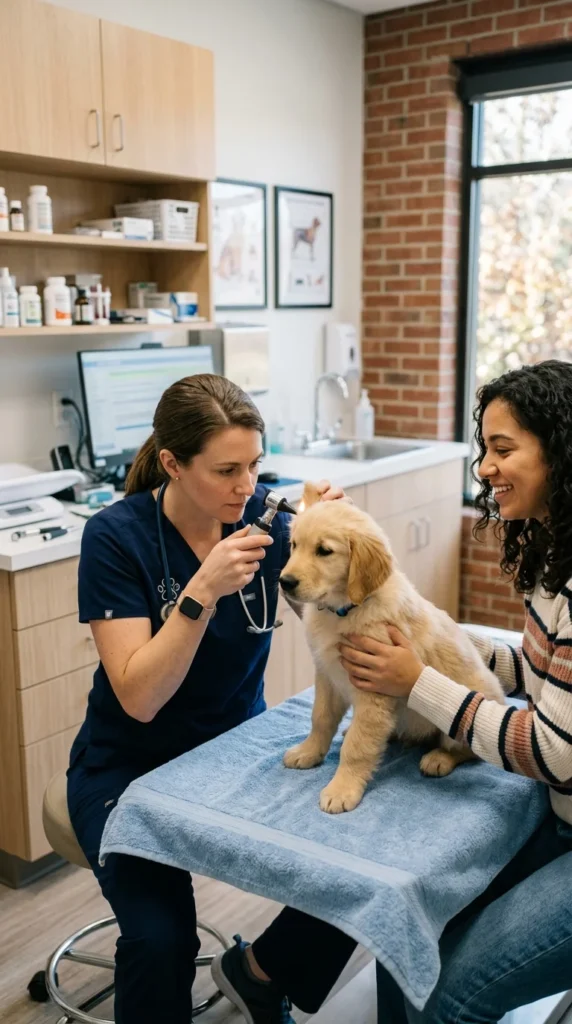
- A physical exam: your vet checks the eyes, ears, heart, lungs, skin, and weight, and makes sure your puppy is healthy enough to vaccinate.
- Deworming and parasite prevention conversations: puppies commonly need these on a schedule too.
- Vaccine administration: usually one or two quick injections, or an intranasal squirt for bordetella.
- Questions and guidance: feeding, house training, socialization, and spay or neuter timing.
Bring any records from the breeder or shelter, and write down your questions before you go. Keep your puppy’s records in one place, since daycares, groomers, boarding facilities, and trainers will usually ask for proof of vaccination.
Possible Side Effects After Puppy Shots
Most puppies handle vaccines well. Mild, short-lived reactions are common and can include:
- Tiredness or lower energy for a day
- Mild soreness or a small lump at the injection site
- Reduced appetite for a short time
- A slightly warm feeling or mild fever
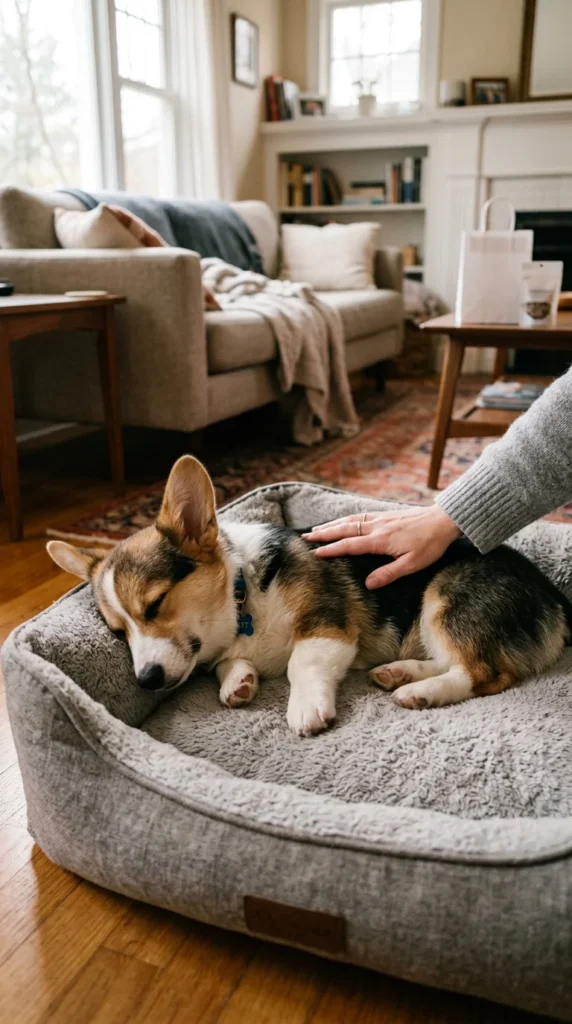
Let your puppy rest, and keep the first day or two calm.
When to Call the Vet Right Away
Serious reactions are rare but need immediate attention. Contact your veterinarian or an emergency clinic right away if you notice:
- Swelling of the face, muzzle, or around the eyes
- Hives or intense itching
- Repeated vomiting or diarrhea
- Difficulty breathing
- Collapse or extreme weakness
Most serious reactions happen within hours of vaccination, so many owners schedule shots earlier in the day, when the clinic is open for follow-up. If your puppy has reacted to a vaccine before, tell your vet before the next one.
Keeping Your Puppy Safe Before the Series Is Finished
Until your puppy has completed the core series, protection is still building. Parvovirus is especially hardy and can survive in the environment for a long time, so ask your vet what is safe for your area and your puppy.
General cautions many veterinarians share:
- Avoid places where unvaccinated or unknown dogs gather, such as dog parks, pet store floors, and busy public sidewalks.
- Invite healthy, fully vaccinated dogs to visit in a clean, familiar space.
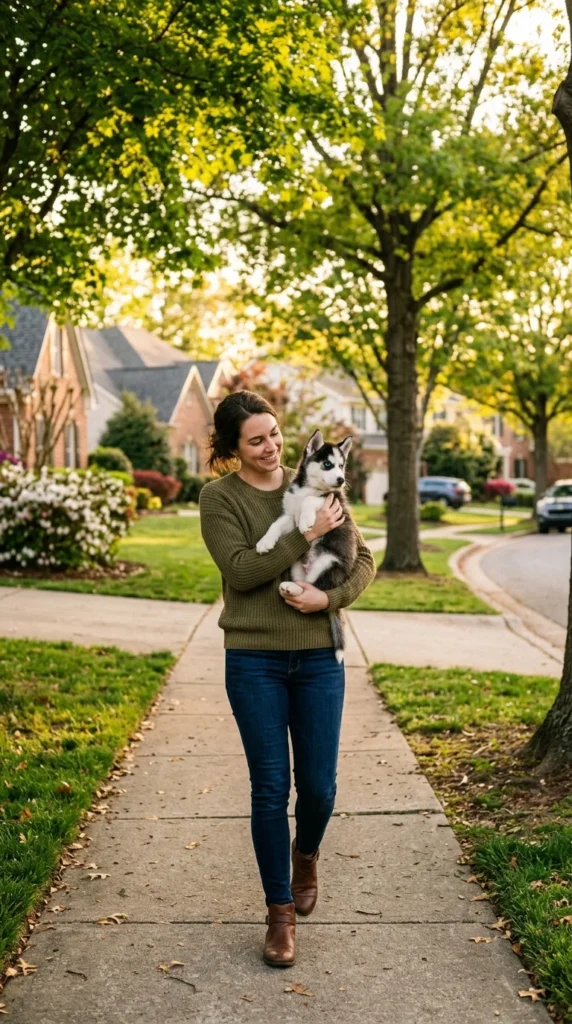
- Carry your puppy in public places rather than letting them sniff the ground.
- Wash your hands and change shoes after being around other dogs.
At the same time, early socialization matters for behavior. Ask your veterinarian how to balance safe exposure with disease risk. Many vets support well-run puppy classes that require proof of vaccination.
What If You Missed a Dose or Adopted an Older Dog?
If a booster is late, do not panic, and do not try to fix the schedule on your own. Call your vet, who will usually restart or continue the series based on your puppy’s age and the vaccines already given.
For dogs older than 16 weeks with an unknown history, veterinary guidelines generally call for two core combination doses, 2 to 4 weeks apart, followed by a booster within a year. Your vet will confirm what applies to your dog.
Frequently Asked Questions
How many shots does a puppy need?
Most puppies receive at least three rounds of the core combination vaccine between 6 and 16 weeks, plus a rabies vaccine. Lifestyle vaccines add more shots depending on your puppy’s risk.
When can my puppy go outside?
Many vets recommend waiting until about one to two weeks after the final puppy booster, though advice varies with local disease risk. Ask your vet about safe, controlled outings before that point.
Is the rabies vaccine required?
In most states, yes. Age requirements and booster intervals differ by state and sometimes by county, so confirm local rules with your veterinarian or local animal-control office.
Can I vaccinate my puppy at home?
It is best to have vaccines given by your veterinarian. Rabies vaccination must be given by or under a licensed veterinarian in most places, and a vet visit also includes a health exam that catches problems early.
Do adult dogs still need boosters?
Yes. Core vaccines are typically boosted every three years after the first-year booster, and some lifestyle vaccines are given yearly. Your vet will tailor the schedule to your dog.
Can a puppy get sick if vaccinated?
Mild tiredness or soreness is common. Vaccines also are not 100 percent effective, which is why finishing the full series and limiting exposure early on both matter.
Final Thoughts
A puppy vaccination schedule can look complicated, but the core idea is simple: repeated doses from about 6 to 16 weeks, a rabies shot, a booster within a year, and then regular boosters for life. Your next step is to book that first appointment, bring your records, and ask your vet which lifestyle vaccines fit your puppy.
This article is for general education and is not a substitute for veterinary advice. Always follow your veterinarian’s recommendations for your individual puppy.