Bringing home your first dog is exciting, but it also comes with a real question: which breed will actually fit your life? A lot of first-time owners fall in love with a look or a personality they saw online, only to discover the dog needs more exercise, more grooming, or more structure than they expected.
The best dog breeds for first-time owners aren’t necessarily the most popular ones. They’re the breeds that tend to be more forgiving of beginner mistakes — dogs that are generally easier to train, adapt reasonably well to different routines, and don’t require years of hands-on experience to manage well.
That said, “beginner-friendly” doesn’t mean “no work.” Every dog, regardless of breed, needs training, exercise, attention, and patience. What changes from breed to breed is how much margin for error you get while you’re still learning. This guide walks through what actually makes a breed easier for a new owner, which breeds tend to fit that description, and how to narrow the list down to what fits your specific situation.
Table of Contents
What Makes a Dog Breed Good for First-Time Owners?
Not every trait that makes a breed appealing also makes it manageable. When people search for the easiest dog breeds for beginners, they’re usually looking for a combination of the following:
Trainability. Some breeds are naturally more responsive to consistent, reward-based training. This doesn’t mean they train themselves — it means they tend to pick things up faster and are less likely to test boundaries constantly.
Adaptability. Breeds that adjust well to different homes, schedules, and environments are typically easier for someone still figuring out their own routine as a dog owner.
Manageable energy level. A breed with very high exercise needs can become frustrated or destructive if a new owner underestimates how much activity it requires. Moderate-energy breeds usually give beginners more flexibility.
Temperament stability. Breeds known for predictable, even temperaments tend to be less reactive to the small inconsistencies that are common while someone is still learning to read dog body language and set boundaries.
Manageable grooming. This doesn’t mean low-maintenance is required, but a first-time owner should understand realistically what a breed’s coat will demand before committing.
Size and handling. Larger, stronger breeds require more physical control, especially during leash training. Many first-time owners find mid-sized or smaller dogs easier to manage physically.
Realistic daily needs. Beyond exercise, this includes mental stimulation, tolerance for alone time, and general household fit.
Keep in mind that individual dogs vary, even within a breed. Genetics, upbringing, socialization, and whether a dog comes from a responsible breeder or a rescue with an unknown background all shape temperament and behavior.
Best Dog Breeds for First-Time Owners
The breeds below are generally considered good starter dog breeds because they tend to combine trainability, manageable energy, and a temperament that’s forgiving of a learning curve.
Labrador Retriever Dog
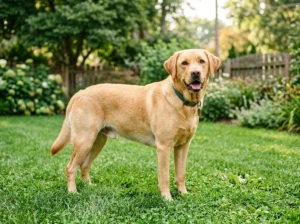
Best For: Active households, families, first-time owners who want an eager-to-please dog
Size: Large
Typical Energy: Moderate to high
Trainability: High
Labradors are often recommended as one of the easiest dog breeds for beginners because they tend to respond well to positive reinforcement and are generally food- and praise-motivated, which makes early training more straightforward. Their friendly, adaptable temperament also tends to make them forgiving of small handling mistakes.
What to Know: Labs need regular daily exercise and mental engagement. Without it, that easygoing nature can turn into restlessness or unwanted chewing.
Golden Retriever Dog
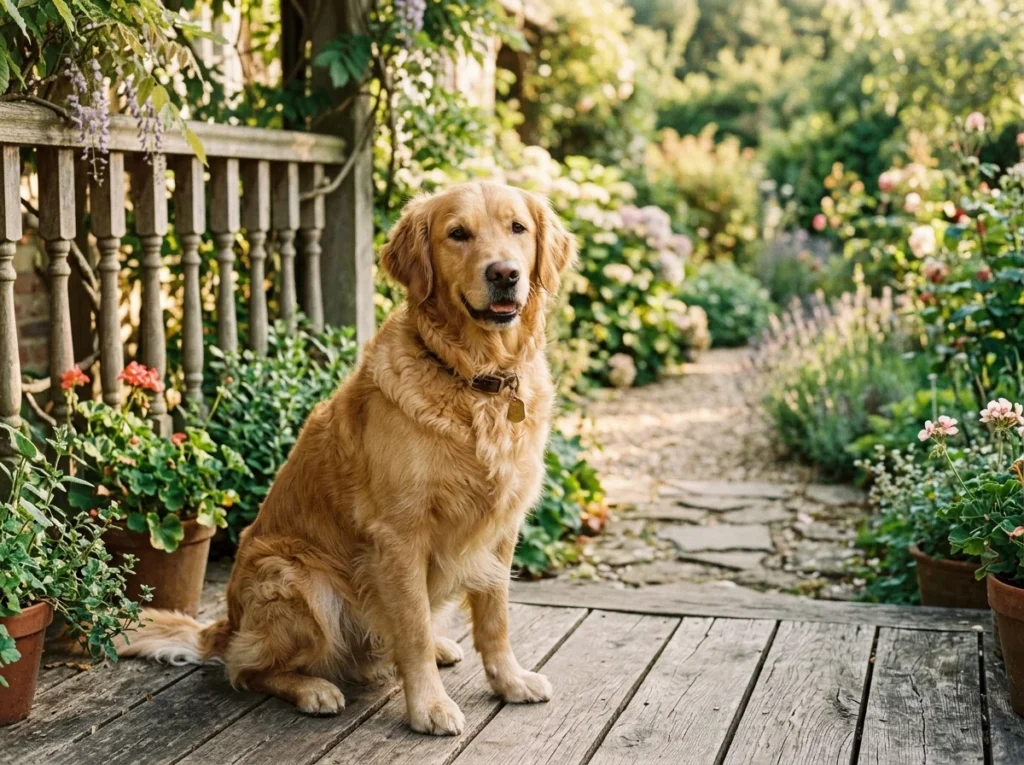
Best For: Families, owners wanting an affectionate, trainable companion
Size: Large
Typical Energy: Moderate to high
Trainability: High
Golden Retrievers are frequently cited as a good starter dog breed because of their eagerness to work with their handler and their generally patient, gentle demeanor. This combination tends to make obedience basics easier to teach than with more independent breeds.
What to Know: Their coat requires regular brushing, and they’re not a breed that does well left alone for long stretches.
Poodle Dog (Standard or Miniature)
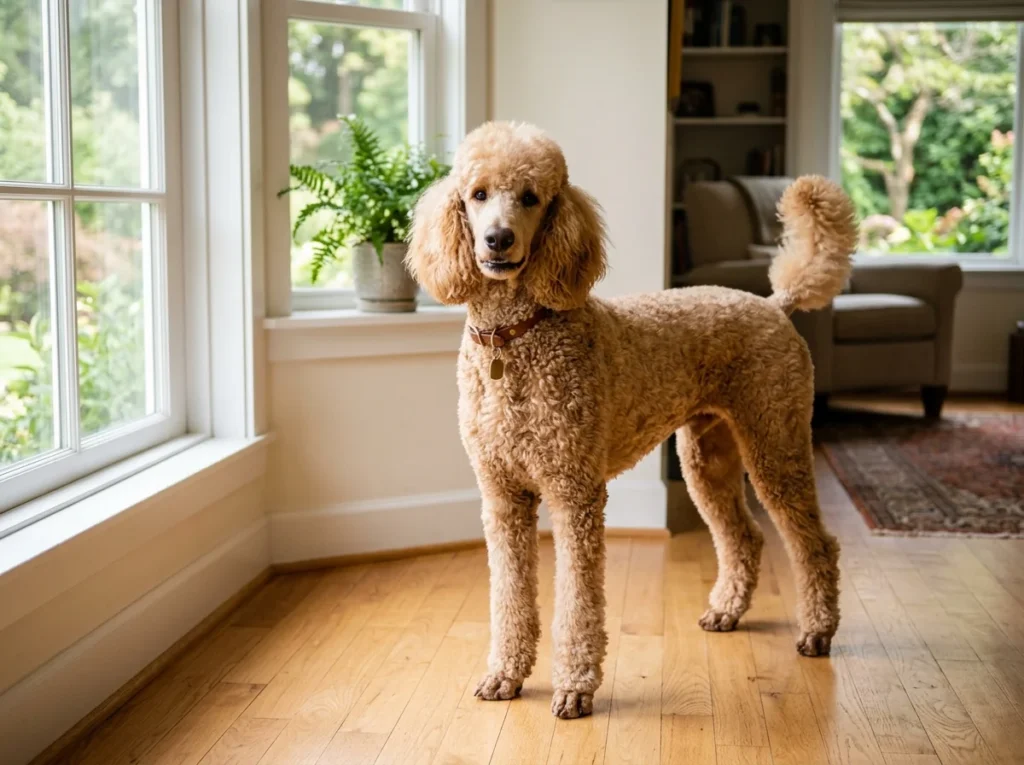
Best For: Owners who want a highly trainable, low-shedding dog
Size: Medium to large (Standard), small to medium (Miniature)
Typical Energy: Moderate to high
Trainability: Very high
Poodles are known for being highly intelligent and responsive, which often makes structured training sessions genuinely enjoyable rather than a struggle. This is one of the more forgiving dog breeds when it comes to correcting small training missteps, since they tend to generalize lessons quickly.
What to Know: Their low-shedding coat is a plus for allergy-conscious households, but it typically needs professional grooming every four to six weeks, which is an ongoing cost to plan for.
Cavalier King Charles Spaniel Dog
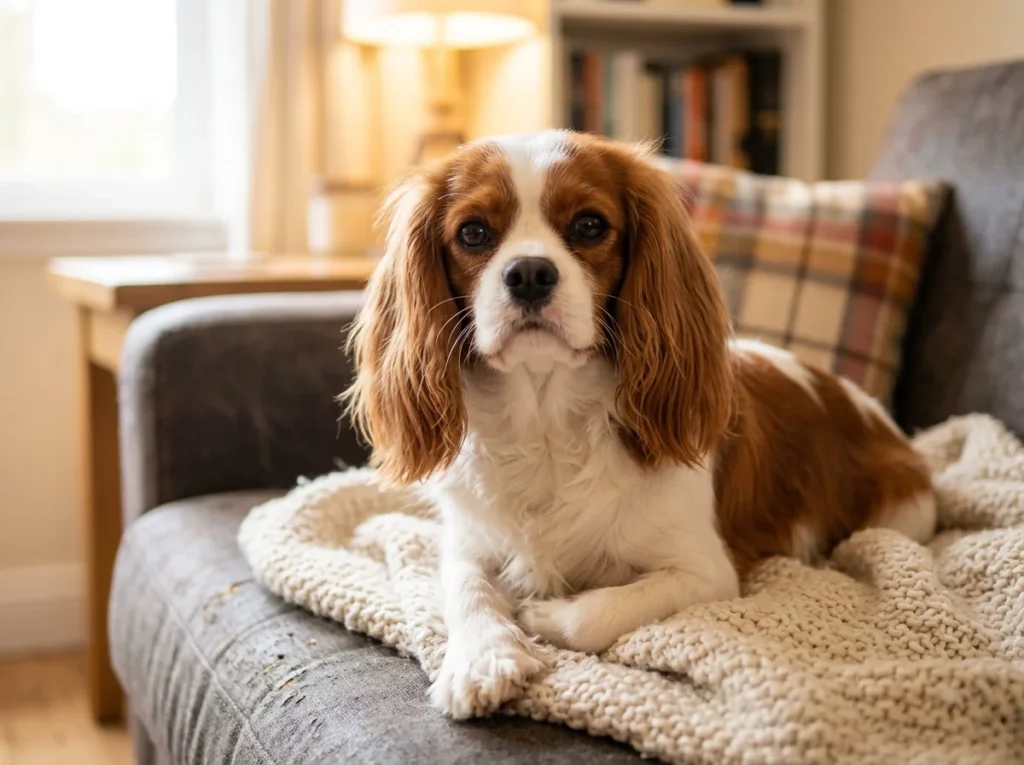
Best For: Apartment dwellers, calmer households, owners wanting a smaller companion breed
Size: Small
Typical Energy: Low to moderate
Trainability: Moderate to high
Cavaliers tend to be affectionate and adaptable, often doing well in apartments as long as they get daily walks. Their generally sociable nature makes them one of the more beginner-friendly dogs for people who want a smaller, less physically demanding companion.
What to Know: They can be prone to separation anxiety, so they may not suit an owner who’s away from home for long hours regularly.
Boston Terrier Dog
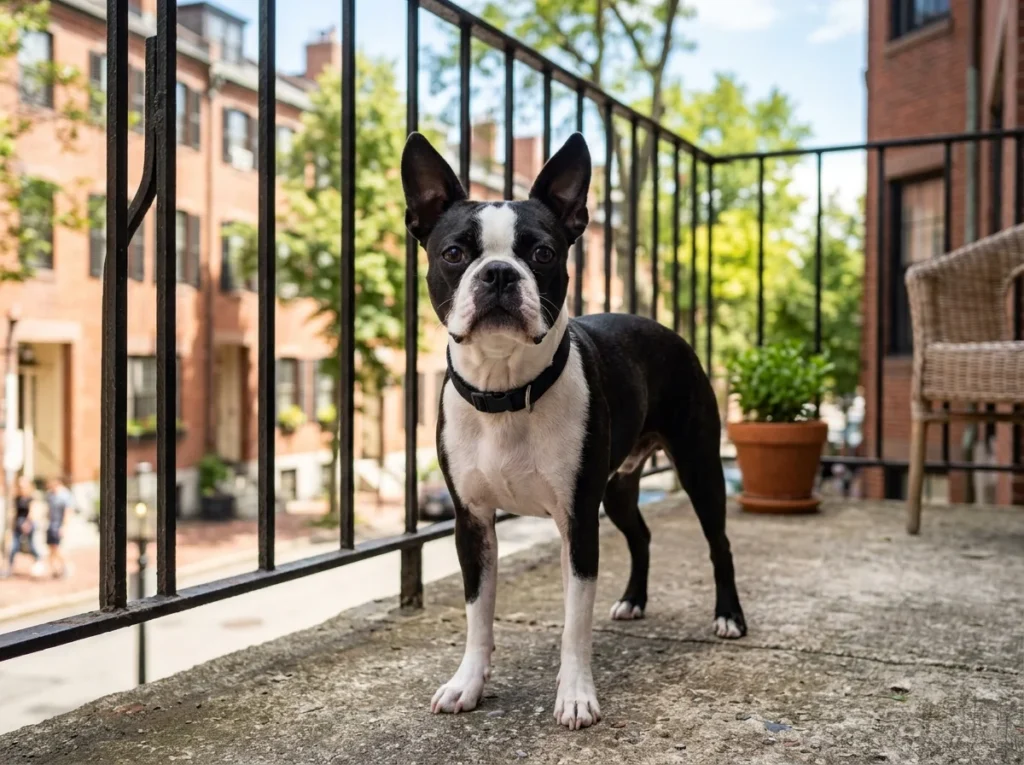
Best For: Apartment living, owners wanting a compact, low-exercise dog
Size: Small
Typical Energy: Moderate
Trainability: Moderate to high
Boston Terriers are often a good fit for first-time owners in smaller spaces because their exercise needs are manageable and their temperament tends to be sociable without being overly demanding. They’re generally easygoing with consistent routines.
What to Know: As a brachycephalic (flat-faced) breed, they can be sensitive to heat and intense exercise, so activity should be paced accordingly.
Bichon Frise Dog
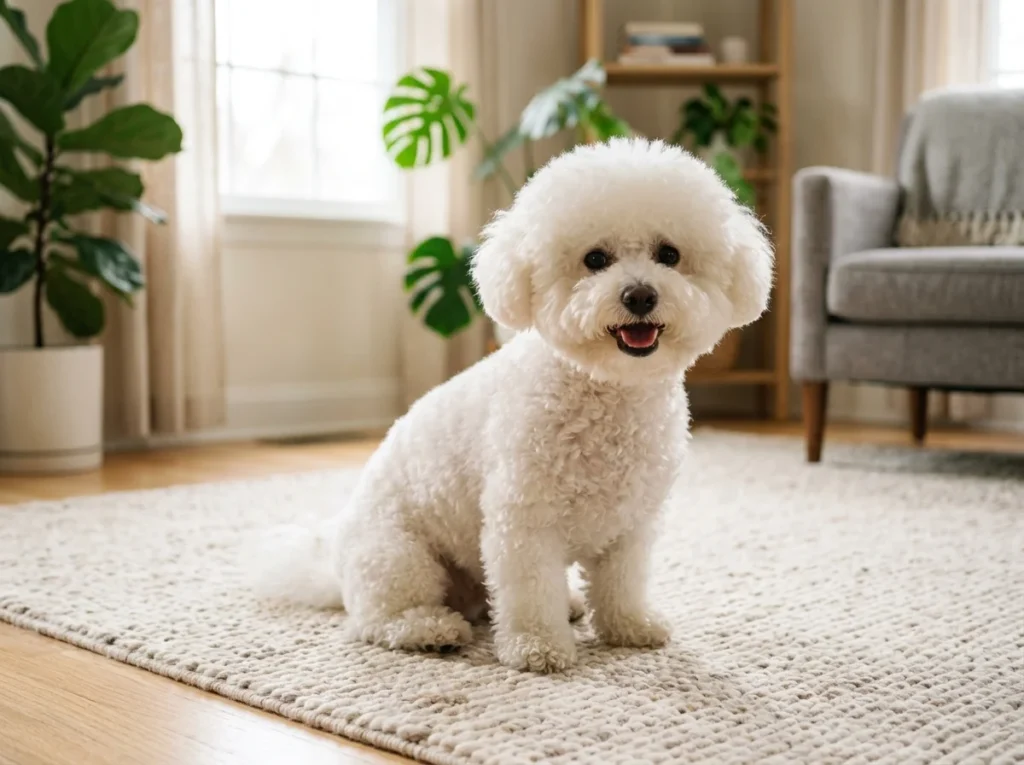
Best For: Owners wanting a small, low-shedding, cheerful companion
Size: Small
Typical Energy: Moderate
Trainability: Moderate to high
Bichons tend to be friendly and adaptable, generally doing well in various living situations, including apartments. Their sociable temperament often makes early socialization and basic training more approachable for a beginner.
What to Know: Their coat needs regular brushing and periodic professional grooming to prevent matting.
Beagle Dog
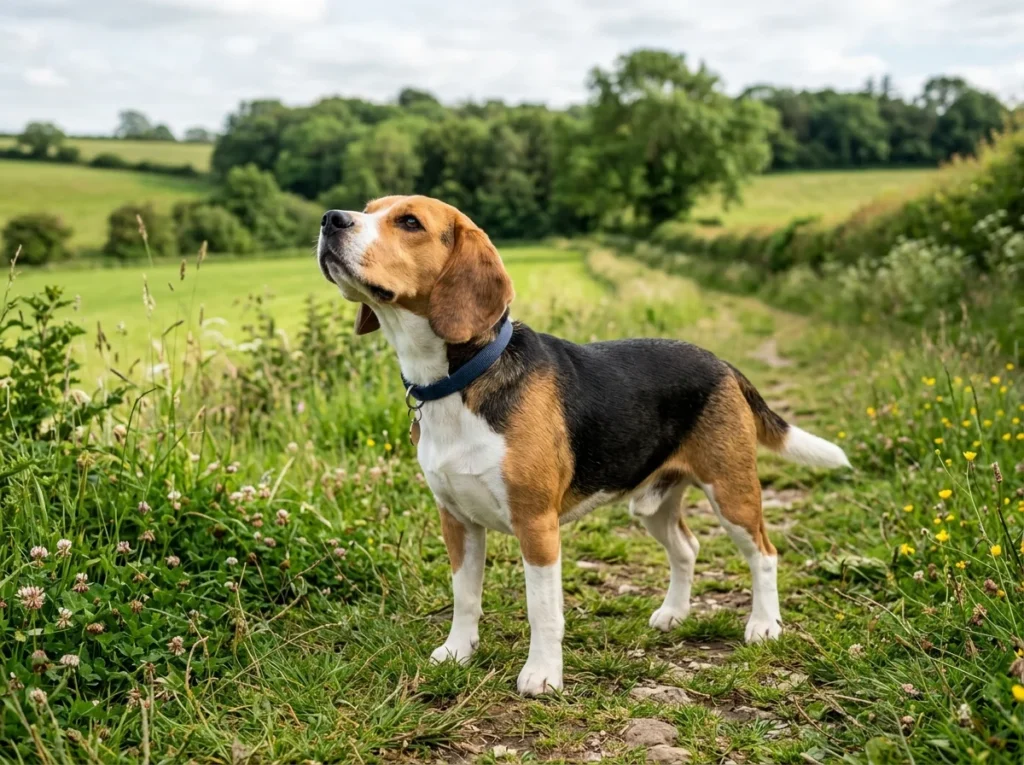
Best For: Households wanting a friendly, moderately active dog with a compact size
Size: Small to medium
Typical Energy: Moderate to high
Trainability: Moderate
Beagles are generally sociable and good with people, which makes them appealing as a starter breed. Their trainability is a bit more mixed than some breeds on this list — their strong nose can be distracting during training — but consistency tends to pay off.
What to Know: Their scent-driven instincts mean secure fencing and a reliable leash routine matter more than with less nose-driven breeds.
Shih Tzu Dog
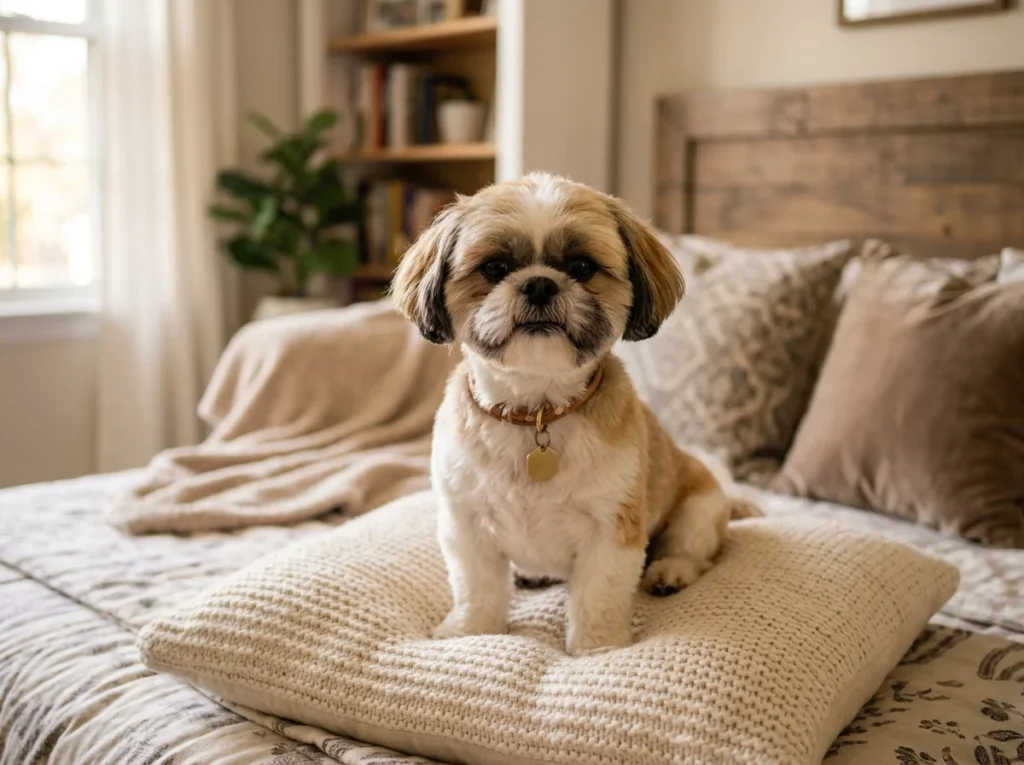
Best For: Owners wanting a small, low-energy companion suited to apartment life
Size: Small
Typical Energy: Low
Trainability: Moderate
Shih Tzus tend to be affectionate and adaptable to a slower-paced household, which can suit a first-time owner who doesn’t want a highly active dog. They’re often easy to manage physically due to their small size.
What to Know: Their long coat requires frequent brushing, or many owners opt for a shorter “puppy cut” maintained by a groomer to keep upkeep manageable.
Breeds First-Time Owners Should Think Carefully About
This isn’t a list of “bad” breeds — every breed has owners who love them and manage them well. Rather, these are breeds that often benefit from an owner who already has some dog-handling experience, more available time, or a strong commitment to structured training.
High-drive working and herding breeds (such as Border Collies or Australian Shepherds) tend to need substantial daily mental and physical stimulation. Without it, that intelligence can turn into problem behaviors like destructive chewing or excessive barking.
Independent or strong-willed breeds (such as Huskies or Akitas) often require more confident, consistent handling, since they may be less naturally inclined to defer to a new owner’s cues.
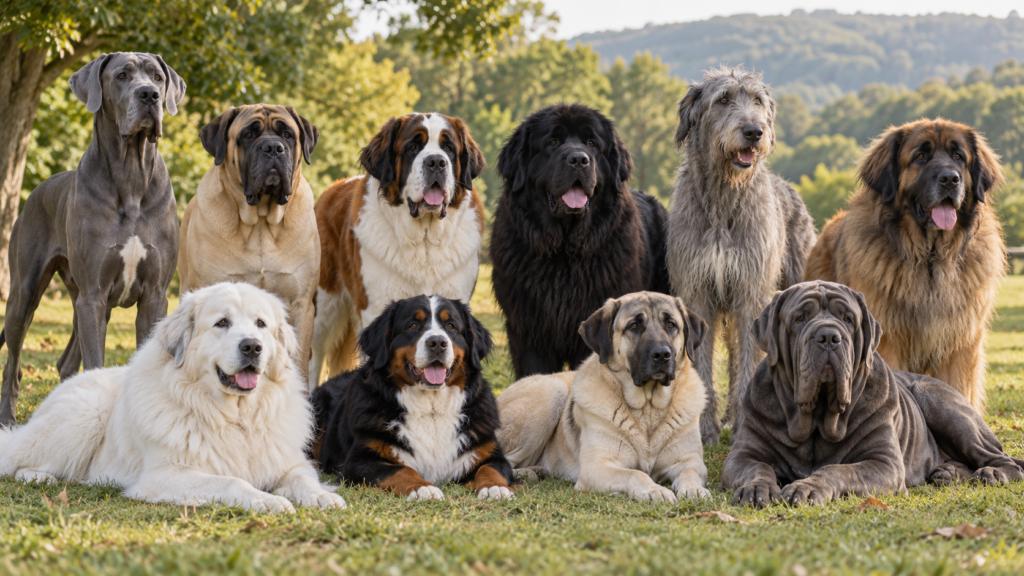
Large, powerful breeds with strong guarding or protective instincts may need experienced socialization and training to channel that temperament appropriately.
Breeds with heavy grooming or shedding demands can be manageable, but they require a genuine ongoing time or financial commitment that’s worth being honest with yourself about upfront.
None of this means a first-time owner can’t succeed with these breeds — it just usually means more research, more training investment, or professional support along the way.
How to Choose Among the Beginner-Friendly Breeds
Once you have a shortlist, narrow it down using your actual living situation rather than which breed looks best in photos:
- Apartment vs. house: Smaller, lower-energy breeds like the Cavalier or Shih Tzu often suit apartments better than large, high-energy dogs.
- Low-activity vs. active lifestyle: If you enjoy daily runs or hikes, a Labrador or Golden Retriever may match your pace. If you prefer calmer routines, a Bichon or Cavalier may be a better fit.
- Dog size: Consider what size you can comfortably walk, lift, and physically manage, especially during leash training.
- Grooming tolerance: Be honest about whether you’re willing to brush regularly or budget for professional grooming.
- Time available: Training, exercise, and companionship all take time. Be realistic about your daily schedule, not your ideal one.
- Household members: Children, other pets, or elderly family members can all factor into which temperament suits your home best.
- Handling ability: A physically strong dog needs an owner who can manage it confidently on a leash, especially early on.
Quick First-Dog Checklist
Save this list to help guide your decision:
- How much daily activity can I realistically provide?
- What dog size can I comfortably handle?
- How much grooming am I willing to do — or pay for?
- How much time can I devote to training, especially in the first few months?
- Do I live in an apartment or a house with a yard?
- Are there children or other pets in the home?
- Do I want a calm companion or a more active dog?
- Am I prepared for the long-term time, cost, and commitment of dog ownership?
Final Thoughts
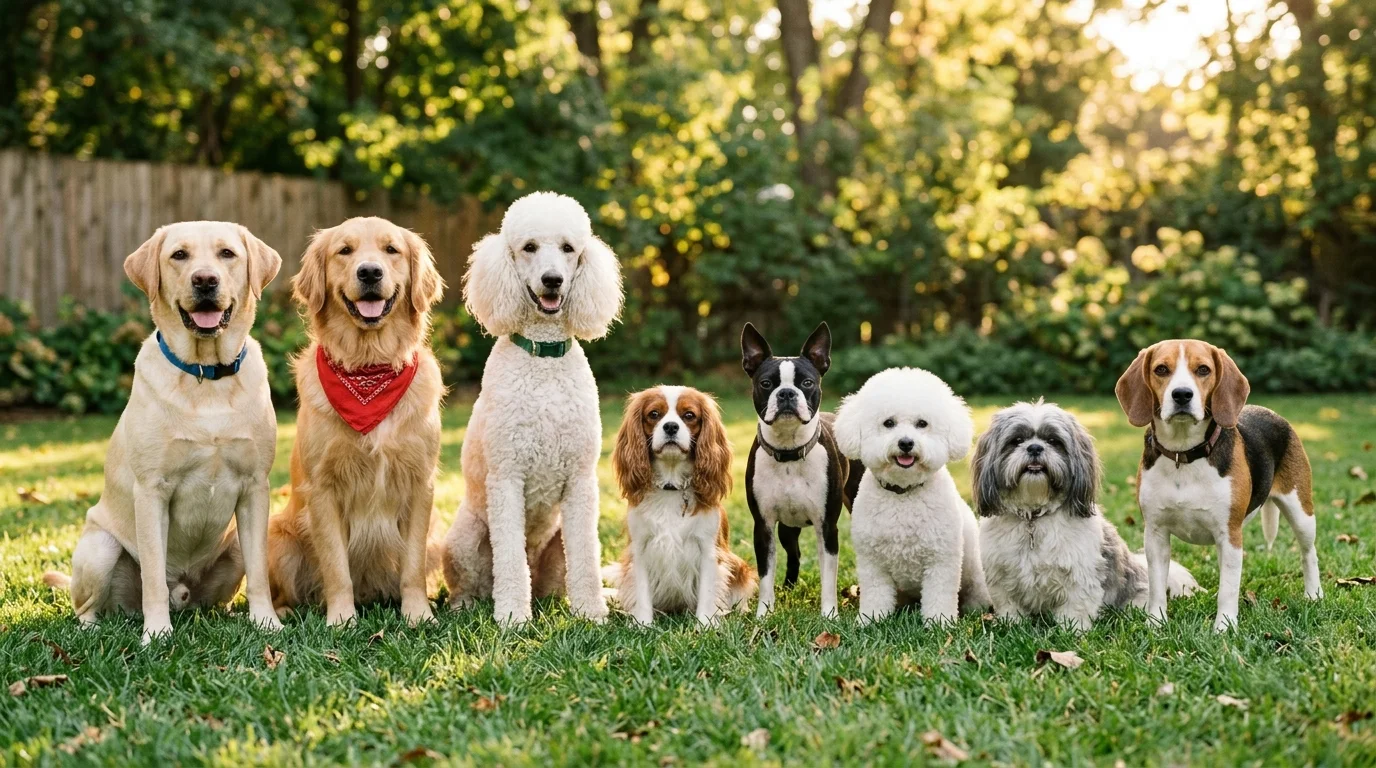
There’s no single perfect first dog — the right choice depends on your lifestyle, your living space, and how much time you can realistically commit. Breeds like Labradors, Golden Retrievers, Poodles, Cavaliers, and Bichons are often recommended because they tend to be more forgiving and adaptable, but “beginner-friendly” always means manageable, not effortless. Whichever breed you choose, going in with realistic expectations is what actually sets a first-time owner up for success.