If you share your home with a heavy-coated dog, you already know the routine: hair on the couch, hair on the floor, and hair on your clothes within minutes of getting dressed. Shedding is natural, and you can’t switch it off. But with the right habits, these dog deshedding tips can noticeably reduce loose hair and keep your dog’s coat healthy.
This guide covers why heavy-coated breeds shed, which tools actually help, how to brush and bathe, why shaving is usually a mistake, and when heavy shedding is a reason to call your veterinarian.
Table of Contents
Quick Answer: How Do You Manage Shedding in a Heavy-Coated Dog?
Brush regularly with a tool suited to your dog’s coat, using an undercoat rake or shedding tool during heavy shedding periods. Bathe only as needed, and avoid shaving a double-coated dog unless a groomer or veterinarian advises it. If shedding is sudden, patchy, or comes with skin problems, see your veterinarian.
Why Heavy-Coated Dogs Shed So Much
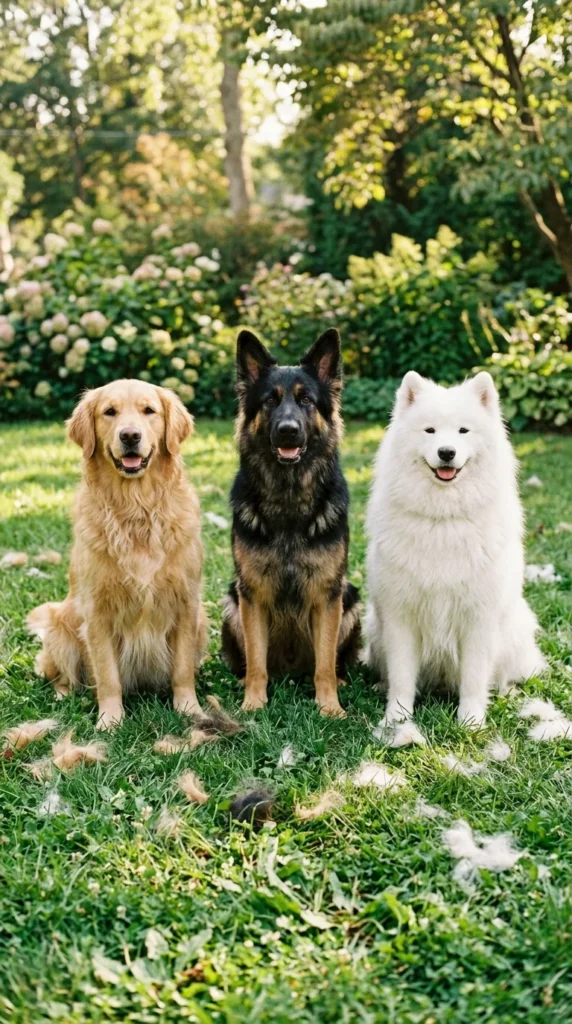
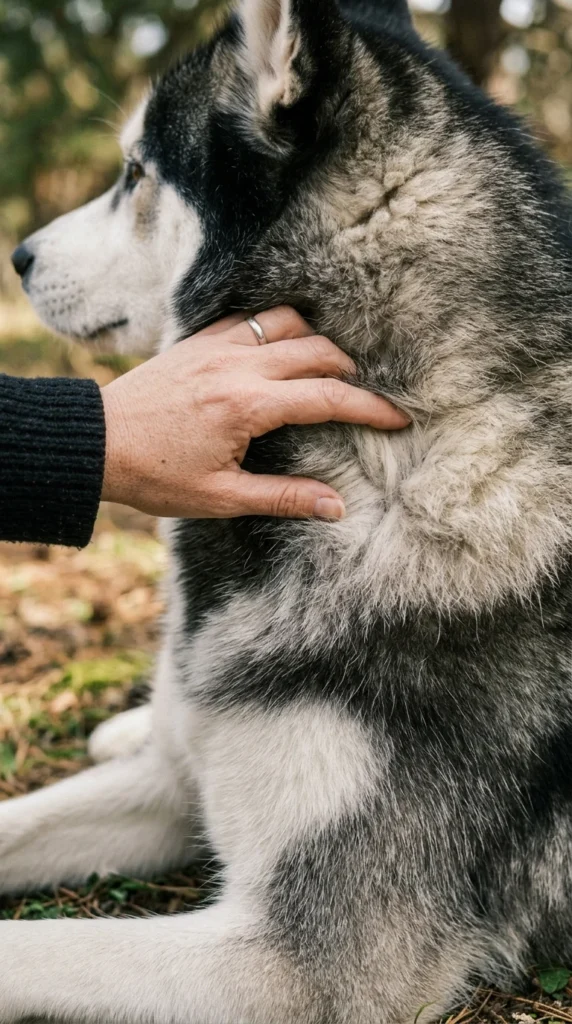
Shedding is how a dog gets rid of old or damaged hair. Breeds with double coats, a dense undercoat beneath longer guard hair, tend to shed the most. Examples include Huskies, German Shepherds, Golden Retrievers, and Samoyeds, though individual dogs vary.
Many double-coated dogs shed lightly year-round and heavily during seasonal changes. In spring the coat generally becomes lighter for warmer weather, and in fall it changes again ahead of winter. During these periods, it can take several weeks for a dog to shed out the old coat.
Dog Deshedding Tips That Work
1. Brush regularly
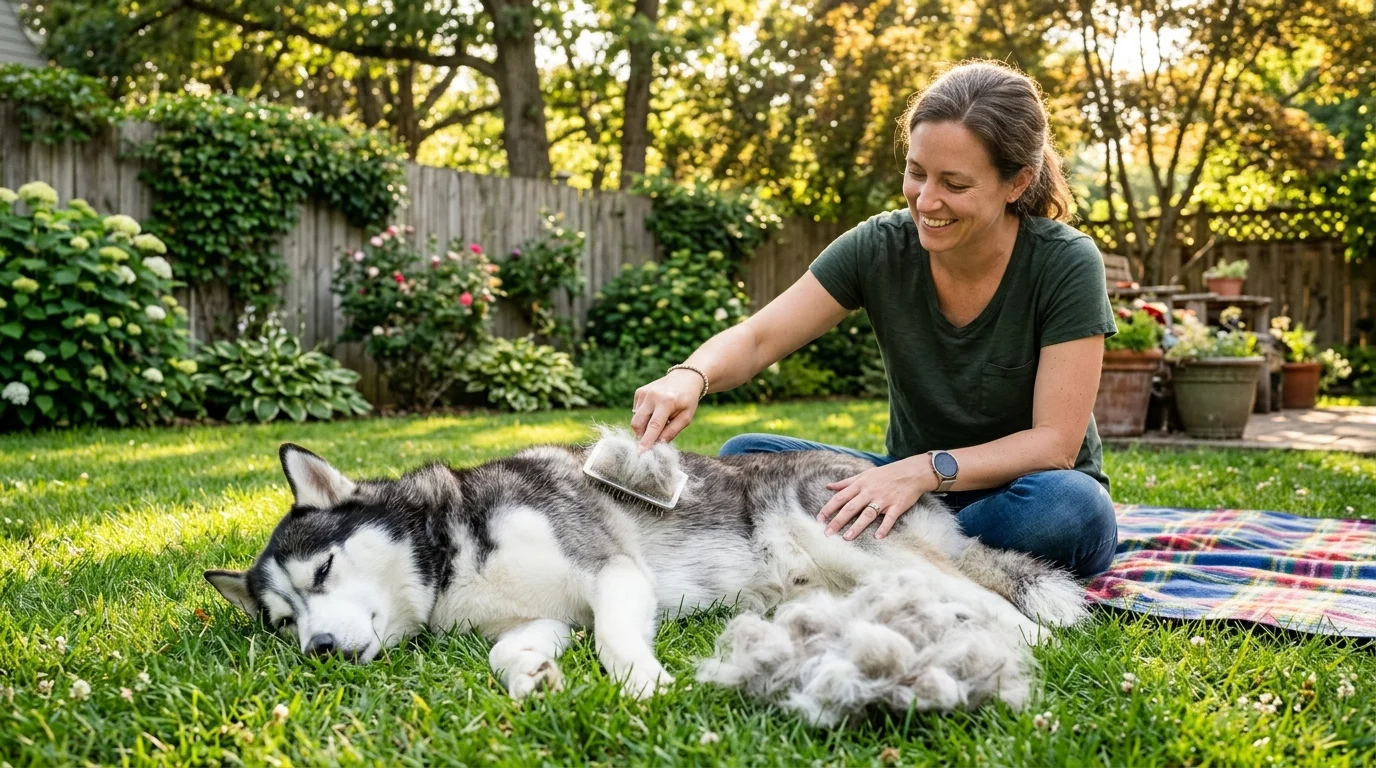
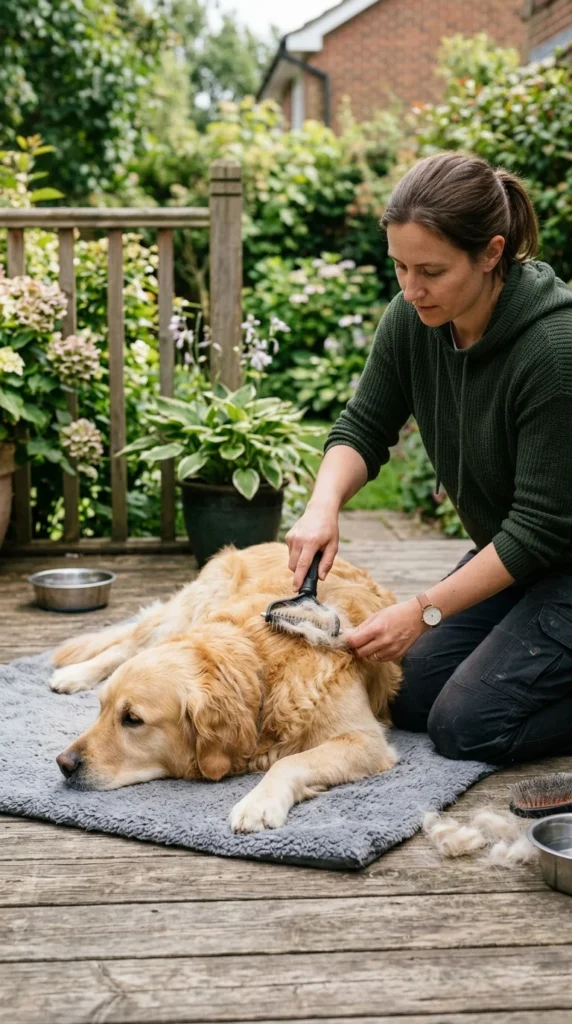
Regular brushing removes dead hair before it lands on your furniture. How often depends on the dog. Some need a weekly session, others a few times a week, and many double-coated dogs benefit from daily brushing during heavy shedding. Brush the undercoat as well as the top coat, working in sections.
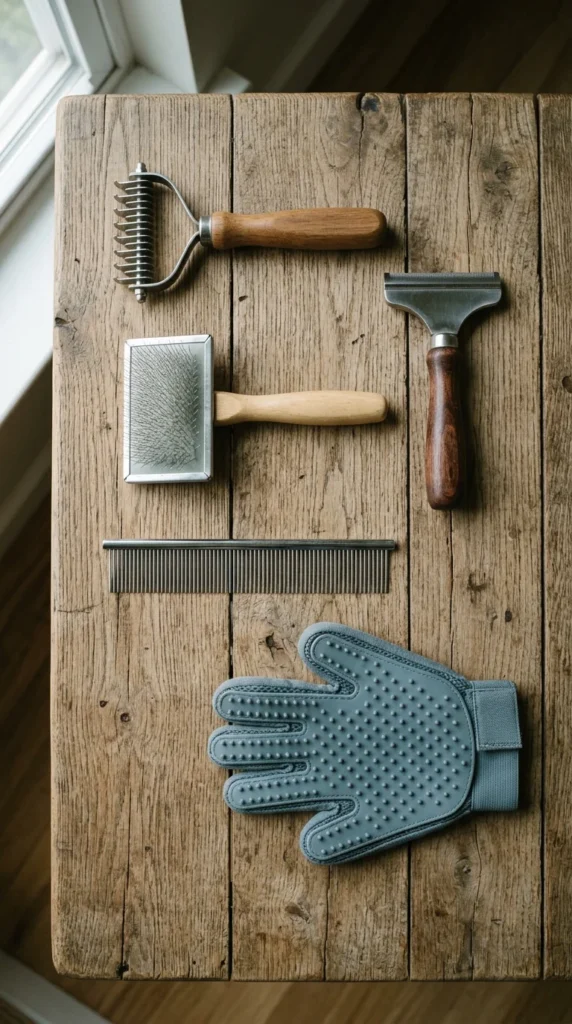
2. Use the right tool for the job
- Slicker brush: Good for loose hair and light tangles on many coats. Use a light touch.
- Undercoat rake: Reaches the dense undercoat and removes loose fur. Choose pin length to suit your dog’s coat.
- Shedding tool: Many double-coated owners use these during heavy shedding. Tools with blades shouldn’t be pressed hard against the skin.
- Comb: Useful for checking for tangles after brushing.
- Rubber brush or grooming mitt: Helps lift loose hair from short coats and is gentle for sensitive dogs.
Use deshedding tools gently and in moderation. Over-brushing or pressing hard can irritate the skin and damage the coat.
3. Bathe when needed, not constantly
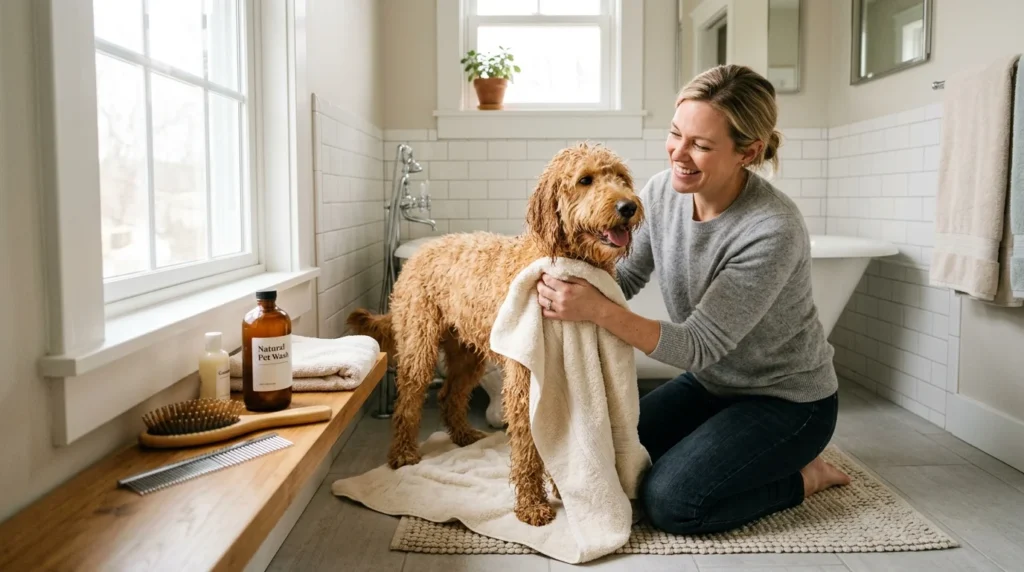
A bath can help loosen dead hair, and some owners use a shedding-control or deshedding shampoo. But bathing too often can strip natural oils and dry out the skin and coat, so don’t make it a weekly habit unless your veterinarian advises it.
Brush before the bath to remove loose hair and tangles, then rinse thoroughly. Leftover shampoo can irritate the skin, and dense coats can hold product.
4. Dry the coat completely
Double coats can stay damp close to the skin long after the surface feels dry. Towel dry well, and if your dog tolerates a dryer, use a low, cool setting and keep it moving. A fully dry coat is also easier to brush out afterward.
5. Brush outdoors when you can
Heavy brushing indoors fills the air with hair. If weather allows, brush outside, or on an easy-to-clean floor, to keep the mess out of your house.
Step-by-Step Deshedding Routine
- Brush out tangles first. Start with a slicker brush or comb to loosen knots.
- Work through the undercoat. Use an undercoat rake or shedding tool in the direction of hair growth, one section at a time.
- Bathe if needed. Use a dog shampoo, rinse thoroughly, and condition if the coat needs it.
- Dry completely. Check close to the skin.
- Brush again once dry. The bath loosens more hair, so a second pass removes it.
- Finish with a quick check. Look at the skin for redness, bumps, or bald spots.
- Reward your dog. A calm, positive session makes the next one easier.
Why You Shouldn’t Shave a Double-Coated Dog
It seems logical: less hair means less shedding. But shaving doesn’t stop shedding, it only makes the hair shorter. The double coat also helps protect against both cold and heat, and shaving it can damage the coat and increase the risk of skin problems and sunburn. Some coats may not grow back the same.
There are exceptions. A groomer or veterinarian may recommend clipping for a dog with severe matting, a skin condition, or a medical reason. If you’re thinking about a shave, ask a professional first.
Managing Shedding Through the Seasons
- Spring: Expect heavy shedding as the winter coat comes out. Brush more often and keep tools handy.
- Summer: Keep brushing regularly and make sure your dog has shade and fresh water. Don’t shave to “keep them cool.”
- Fall: Another heavier shedding period as the coat changes for winter.
- Winter: Shedding is often lighter, but indoor heating can dry the skin, so keep up regular brushing.
Keeping Your Home Cleaner
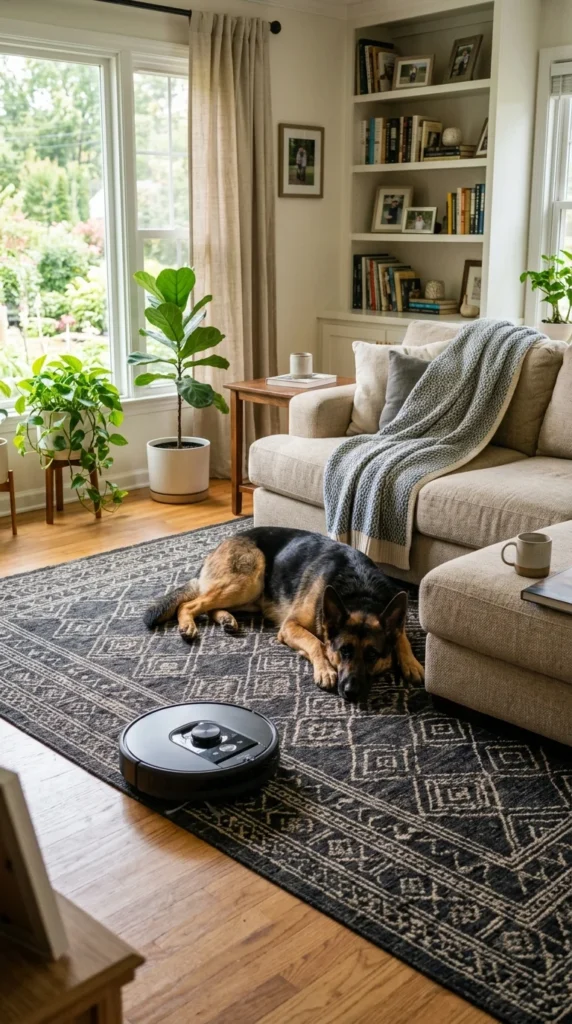
- Vacuum often, using a vacuum designed for pet hair.
- Use washable throw blankets on the spots your dog likes.
- Wash dog bedding regularly.
- Keep a lint roller or rubber squeegee handy for upholstery.
- Give your dog a designated brushing spot to contain the mess.
Food, Water, and Supplements
A balanced diet and fresh water support healthy skin and coat. Some owners hear that fish oil or other supplements reduce shedding, but evidence and suitable amounts vary, and supplements aren’t right for every dog. Talk with your veterinarian before changing your dog’s diet or adding anything.
When Shedding Is a Health Concern
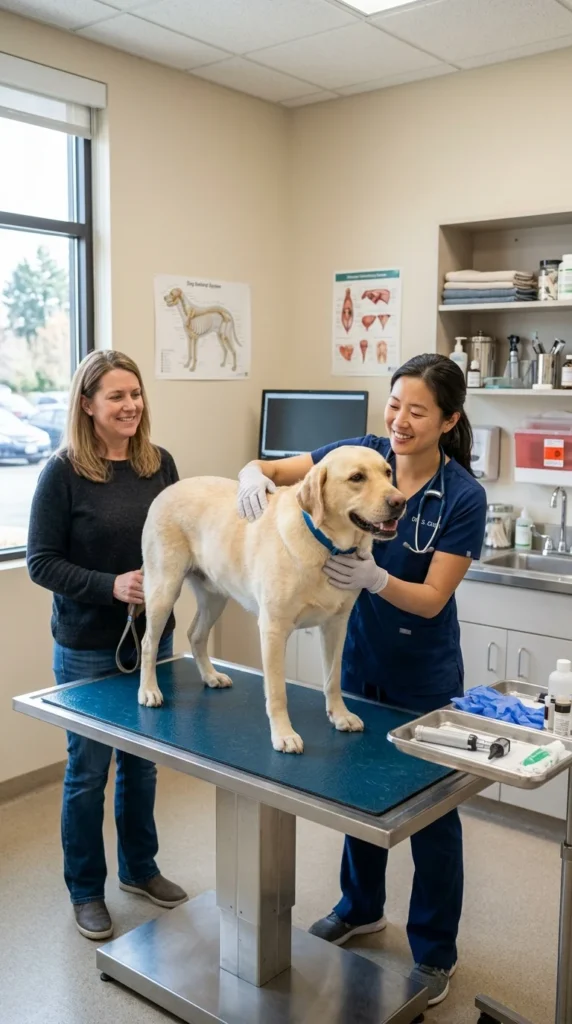
Normal shedding is gradual and fairly even. Contact your veterinarian if you notice:
- A sudden increase in hair loss
- Bald patches or thinning areas
- Red, flaky, inflamed, or smelly skin
- Constant scratching, licking, or chewing
- A dull, brittle coat, or other changes in your dog’s health or behavior
Excessive shedding can sometimes be linked to allergies, skin problems, hormonal conditions, or other health issues, and only a veterinarian can sort out the cause. This article offers general grooming information and isn’t a substitute for professional veterinary advice.
Common Deshedding Mistakes
- Shaving a double coat. It doesn’t stop shedding and can harm the coat.
- Brushing too hard. It can irritate the skin.
- Brushing only the top coat. The loose undercoat stays behind.
- Bathing too often. It can dry out the skin and coat.
- Skipping the rinse. Shampoo residue can irritate the skin.
- Ignoring unusual shedding. Changes in shedding can signal a health issue.
Frequently Asked Questions
Can you stop a dog from shedding completely?
No. Shedding is a natural process, but regular brushing and good coat care can reduce loose hair around your home.
What is the best tool for a heavy-shedding dog?
For double-coated dogs, an undercoat rake or shedding tool is often useful during heavy shedding, along with a slicker brush and comb. Use gentle pressure.
How often should I brush a double-coated dog?
It varies. Many need a few sessions a week, and daily brushing during heavy shedding periods is common.
Does shaving my dog reduce shedding?
No. Shaving shortens the hair but doesn’t stop shedding, and it can damage a double coat. Ask a groomer or veterinarian first.
Does a deshedding shampoo work?
Bathing can help loosen dead hair, and shedding-control shampoos are one tool among several. Brushing does most of the work, and overbathing can dry the skin.
When is shedding too much?
If shedding is sudden, patchy, or comes with irritated skin or other symptoms, call your veterinarian.
Final Thoughts
You won’t end shedding, but you can manage it. A consistent routine of brushing with the right tool, an occasional bath, and attention to coat and skin changes goes a long way, especially for heavy-coated breeds. Your next step is to check your dog’s coat type, pick the right tool, and start with a short brushing session this week.