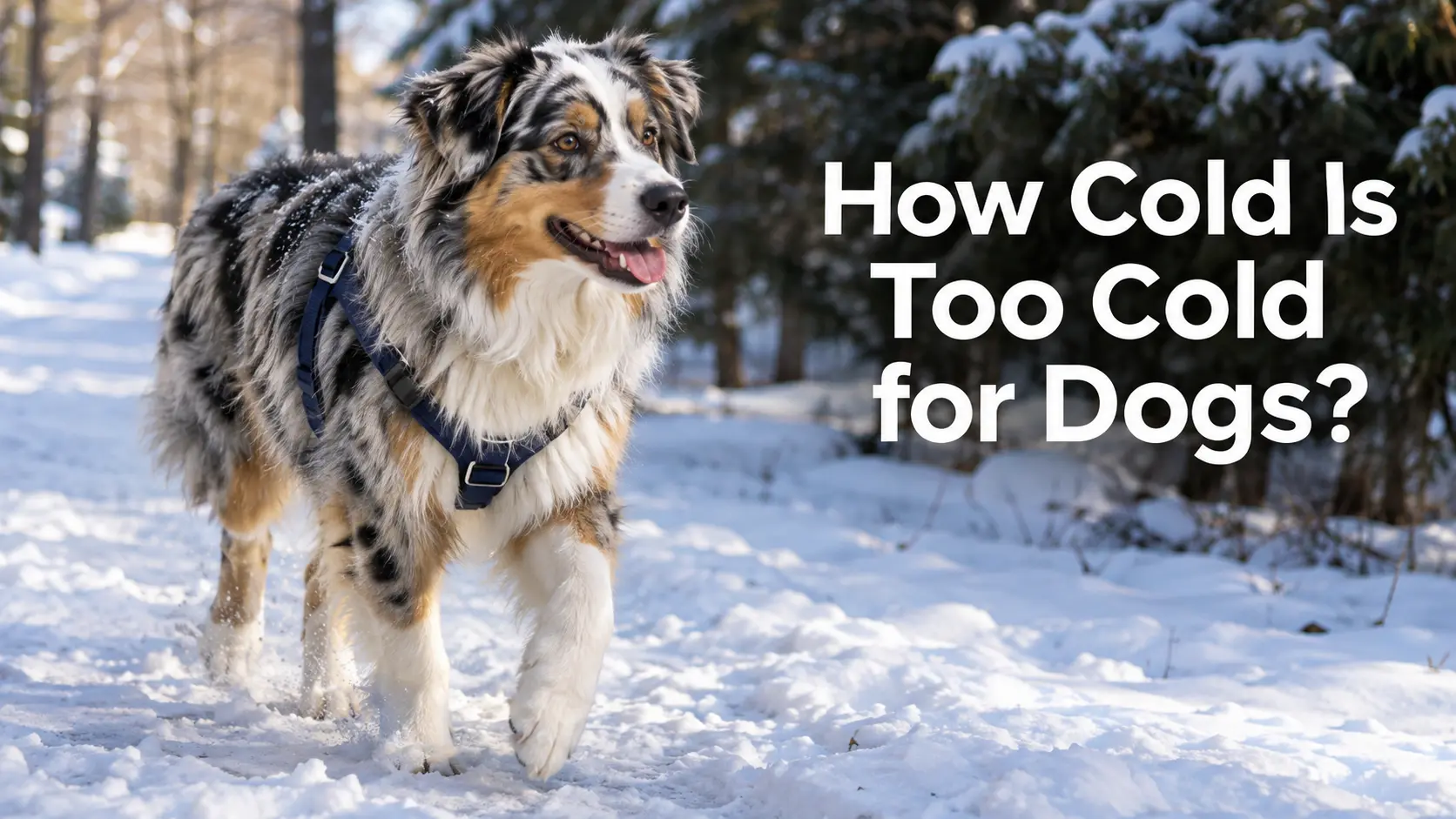
How cold is too cold for dogs? There is no single outdoor temperature that is safe for every dog. A healthy, acclimated, thick-coated dog may be comfortable during a brief winter outing when a smaller, short-haired, older, or unwell dog is already shivering. Wind, wet fur, ice, and time outside can matter as much as the number on the weather app.
Table of Contents
Quick Answer: When Is It Too Cold for a Dog?
Start with your individual dog, not a universal temperature chart. When the air is near or below freezing (32°F), take extra precautions, especially for dogs with thin coats, small bodies, or health concerns. In severe cold, shorten outings to essential bathroom breaks if needed. Bring your dog inside immediately if you notice shivering, repeated paw lifting, reluctance to walk, a tucked posture, or unusual weakness. Cornell’s winter safety guidance emphasizes individual tolerance and watching for signs of discomfort.
Never leave a dog outside unattended in dangerous weather. Suspected hypothermia or frostbite requires prompt veterinary assessment; do not rely on a coat or blanket alone to treat a medical emergency.
Why There Is No Universal Safe Temperature
A temperature reading tells only part of the story. Weather conditions alter how rapidly an animal loses heat, and a dog that seemed comfortable at the beginning of a walk can become cold as its coat gets wet or the wind strengthens. Rather than assuming every dog has the same safe cutoff, evaluate the dog and the conditions together.
Coat type and breed background
Double-coated northern breeds may handle cold better than thin-coated breeds, but even cold-adapted dogs can develop frostbite or hypothermia during prolonged exposure. Coat length is not a guarantee: grooming, matting, moisture, body condition, and individual acclimation all affect insulation. A coat that is soaking wet will not protect in the same way as a dry one.
Size, age, body condition, and health
Small dogs often lose body heat faster than large dogs, while puppies and seniors can have more difficulty maintaining body temperature. Dogs that are underweight, recovering from illness, or living with certain medical conditions may need shorter trips and closer observation. VCA’s winter preparation guide describes additional risk for short-haired, very young, and senior dogs.
Wind, moisture, surface conditions, and time
A dry five-minute bathroom break on a sheltered path differs from a 30-minute walk in freezing rain. Wind speeds heat loss; wet fur, puddles, and slush can chill a dog faster. Ice and road salt may also irritate paws. Consider the full forecast rather than temperature alone, then reassess as you go.
How to Think About Common Winter Temperatures
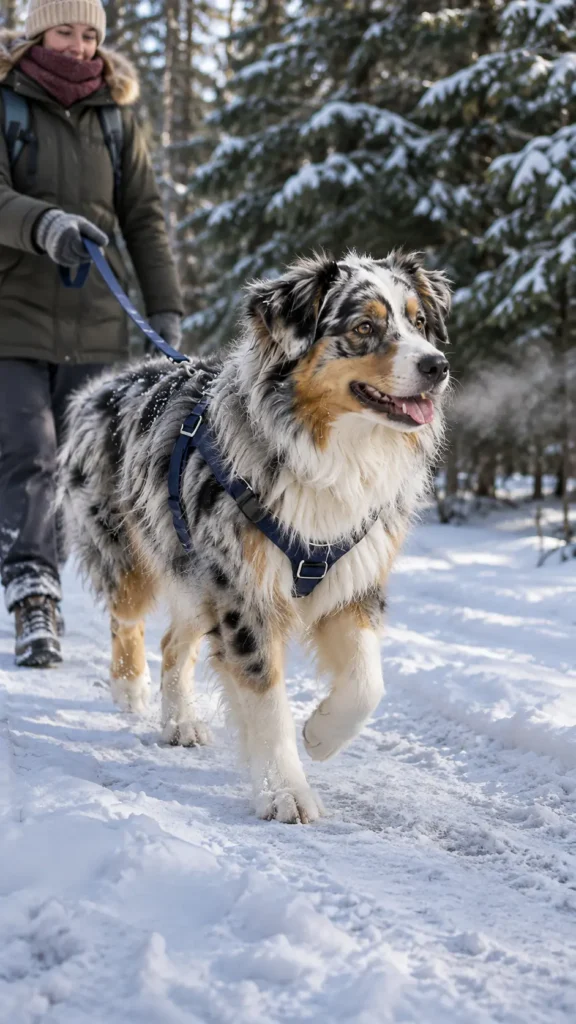
Owners often ask whether 45°F, 32°F, or 20°F is too cold for their dog. Those numbers are useful prompts to reassess conditions, not scientifically established universal safe or unsafe thresholds for every breed.
Cool weather around 45°F
Many healthy, active dogs can enjoy cool weather, but a tiny short-haired puppy or a dog with an illness may feel chilled. Notice whether your dog is relaxed and walking normally, and consider a well-fitted coat for dogs that visibly need extra warmth.
Near freezing, around 32°F
At or below the freezing point, be more cautious about ice, cold paws, and prolonged exposure. Consider shorter, more frequent walks rather than one long outing. Keep your dog moving comfortably, avoid icy surfaces, and check paws on returning home. The American Animal Hospital Association recommends adjusting walks and recognizing signs of cold injury.
Very cold weather around 20°F or below
Twenty degrees Fahrenheit is not automatically an emergency for every dog, but it deserves a conservative plan. For smaller, thin-coated, young, older, unwell, or unacclimated dogs, plan brief bathroom trips and indoor exercise. Even dogs accustomed to snow should not be left outside for long periods. If wind, wetness, or severe cold makes the conditions harsher, shorten the trip further.
The practical test is whether your dog remains comfortable, alert, coordinated, and willing to move. For related information, our guide to walking a dog when it is 20°F outside covers that specific scenario; verify this internal destination in WordPress before final publication.
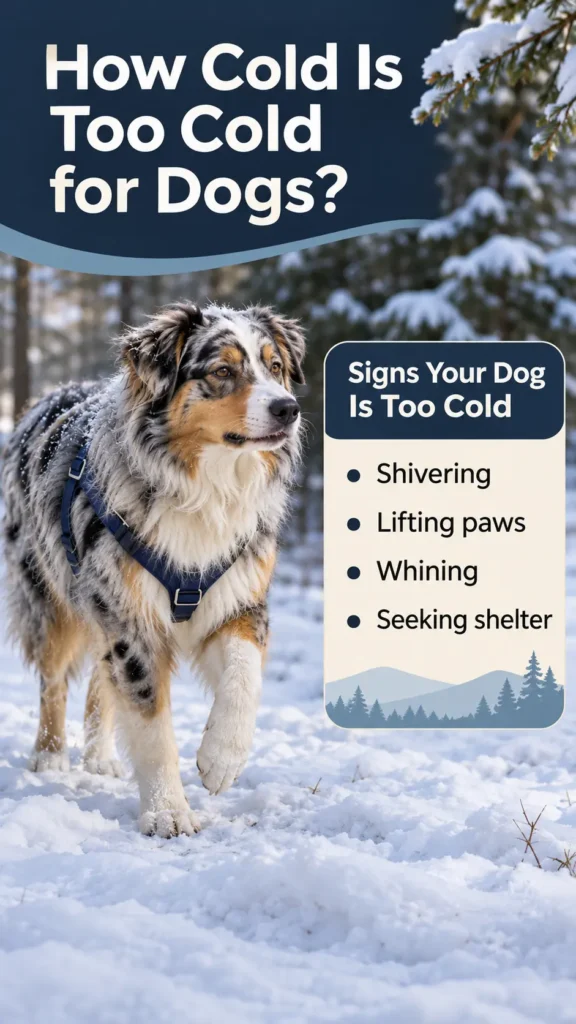
Warning Signs Your Dog Is Too Cold
Do not wait for all the signs below to appear. One clear change in your dog’s behavior can be reason enough to head home.
- Shivering or trembling: common clues that your dog may be struggling to stay warm.
- Repeated paw lifting: your dog may be reacting to cold ground, ice, salt, or pain.
- Slowing down or refusing to walk: reluctance to continue can mean discomfort.
- Hunched posture or tucked tail: a dog may curl inward or seek shelter.
- Whining or trying to turn toward home: watch for changed behavior rather than insisting on a fixed walk duration.
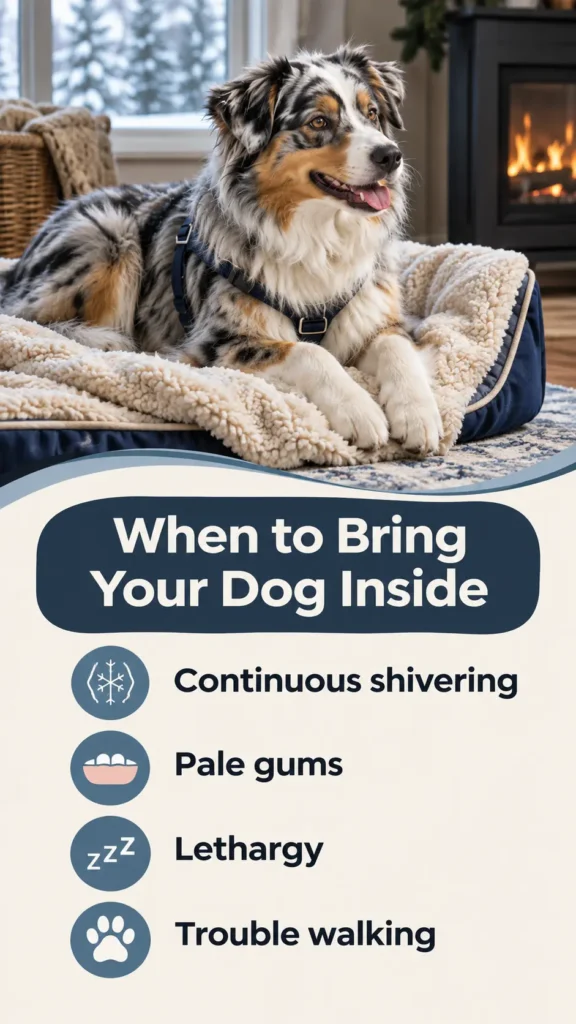
- Severe weakness, confusion, collapse, or breathing changes: possible emergency signs requiring veterinary help.
Cornell notes that foot lifting and an unwillingness to walk can indicate that a dog is too cold. See its cold-weather veterinary advice for further context.
Cold Stress, Hypothermia, and Frostbite: What Is Different?
Discomfort from cold weather does not necessarily mean a dog has hypothermia. However, ignoring early signs raises the risk of more serious harm. Hypothermia occurs when body temperature falls dangerously low; frostbite damages tissues exposed to freezing conditions, particularly extremities such as ears, paws, and the tail.
When to call the veterinarian urgently
Call an emergency veterinarian if your dog is very weak, disoriented, unusually sleepy, collapsing, experiencing breathing problems, or has pale, blue, gray, painful, or markedly discolored skin on exposed body parts after cold exposure. Frostbite may not look severe immediately. The VCA frostbite overview explains why assessment and careful handling matter.
What to do while arranging care
Move the dog into a warm, dry indoor location. Gently dry wet fur and wrap the dog loosely in dry blankets. Arrange professional help promptly. Avoid direct heating pads, hot water, vigorous rubbing, or massaging a potentially frostbitten area; these methods can injure vulnerable tissue. Do not force food or water if the dog is weak or not fully alert.
Seven Practical Ways to Protect Your Dog During Winter Walks
1. Check the conditions before leaving
Look at air temperature, wind, precipitation, ice, and how long the walk would take. Choose sheltered routes and postpone lengthy walks during dangerous conditions. A short bathroom break is preferable to pushing a dog through an uncomfortable outing.
2. Fit a coat to the dog, not just the breed
A lightweight, insulating winter coat can help short-haired or cold-sensitive dogs. It should cover the torso without restricting shoulders, breathing, urination, or movement. Remove wet clothing afterward. Thick-coated dogs may need less added insulation; monitor them for overheating as well as cold.
3. Protect paws against ice and chemicals
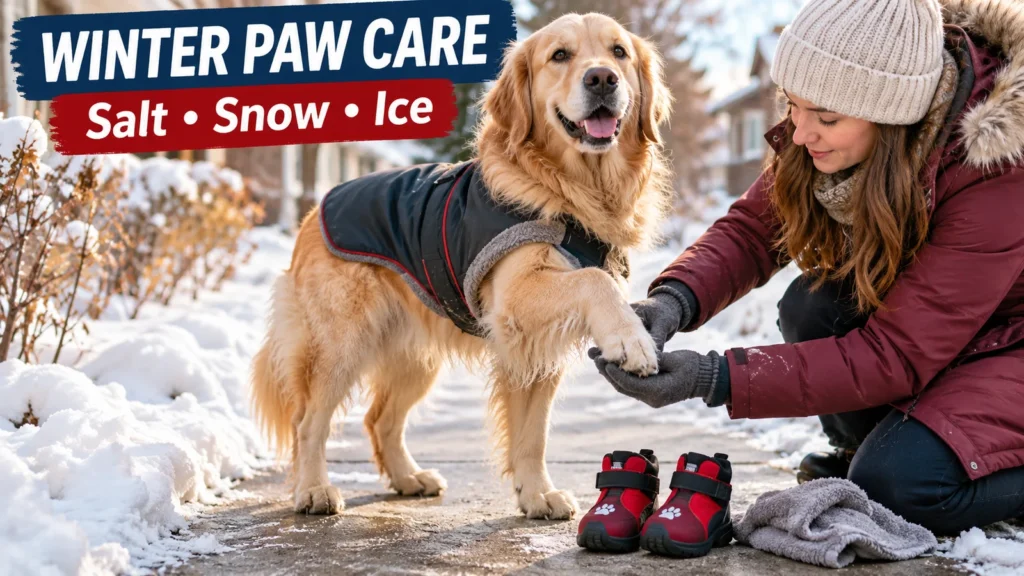
Dog boots may protect from rough ice and de-icing residue if they fit properly and the dog tolerates them. Introduce boots gradually inside, then test them briefly outdoors. Alternatively, use a suitable paw-protection routine and clean feet after walks. Our winter paw care guide for salt and ice has more paw-specific advice; verify this target before publication.
4. Keep dogs dry
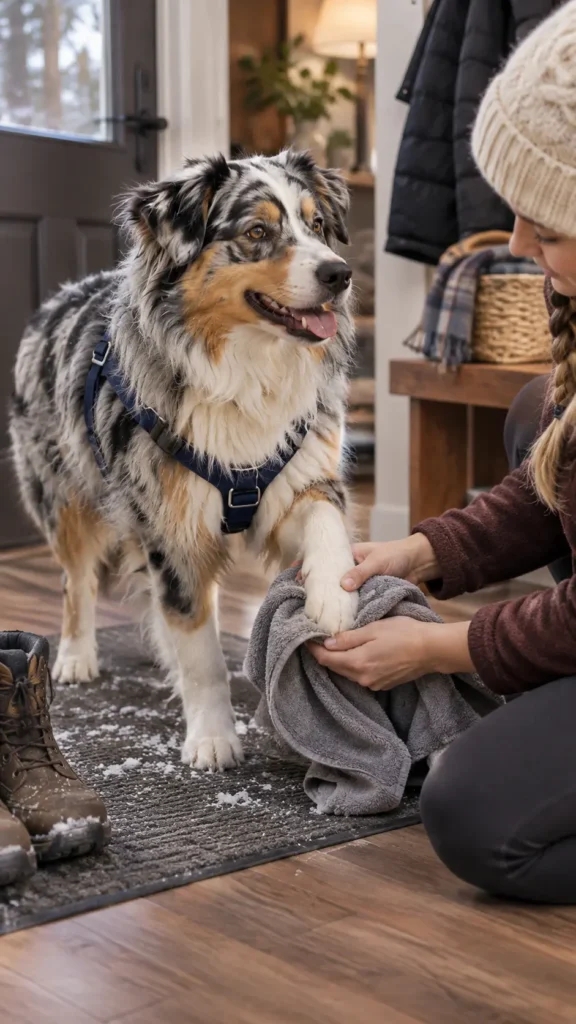
Brush off loose snow, remove soaked clothing, and gently towel-dry paws and belly. Check between toes for ice balls, particularly for dogs with longer foot hair. If the coat is deeply wet and the dog seems cold, bring the dog inside rather than extending the walk.
5. Bring the walk home when behavior changes
Notice whether your dog is walking freely and engaging normally. A dog that shivers, lifts paws repeatedly, or stops should not be pressured to finish a target distance. Turn around, choose the shortest safe route back, and warm up indoors.
6. Use safe indoor enrichment
On especially cold days, replace some outdoor activity with short training games, food puzzles, gentle fetch in a clear room, or scent games. Match the activity to the dog’s age, abilities, and medical needs. A brief walk plus indoor enrichment can be a better plan than prolonged cold exposure.
7. Prepare for unexpected delays
Keep a towel, spare dry blanket, and safe leash or harness handy. On trips away from home, ensure your dog has access to appropriate shelter and drinking water. Avoid leaving dogs unattended in cold vehicles; parked cars can become dangerously cold.
What About Puppies, Senior Dogs, and Small Breeds?
Puppies may become cold quickly and may need frequent, brief toilet trips. Senior dogs can struggle on slippery surfaces or have pain that makes walks harder. Small and short-haired dogs may benefit from fitted clothing, shorter outings, and sheltered bathroom locations.
Watch each dog individually instead of assuming a breed’s reputation predicts tolerance. For dogs with heart, lung, joint, or endocrine problems, ask your veterinarian about a personalized winter routine. The senior dog care guide can help with broader activity adjustments, but winter-specific advice should still be individualized.
Common Winter Walking Mistakes
- Using a rigid temperature rule: it misses wind, wetness, coat differences, and exposure time.
- Assuming thick fur makes any weather safe: double-coated dogs still face cold injuries.
- Ignoring lifting paws: it may indicate cold, ice injury, or chemical irritation.
- Leaving a wet sweater on: damp clothing can worsen chilling.
- Using a poorly fitted boot: rubbing, pressure, or slipping can create new problems.
- Waiting for collapse before acting: take shivering and behavior changes seriously.
Quick Winter Dog-Safety Checklist
- Check wind, wetness, ice, and outdoor temperature.
- Choose a walk length your individual dog can tolerate.
- Consider a properly fitted coat or boots when appropriate.
- Carry a towel and be ready to turn back early.
- Monitor posture, energy, shivering, and paw lifting.
- Clean and dry paws and coat afterward.
- Call a veterinarian promptly for concerning symptoms.
Frequently Asked Questions
Is 32°F too cold for a dog?
It may be too cold for some dogs, particularly small or short-haired dogs, puppies, seniors, and dogs with health concerns. Others can tolerate a brief outing. Consider wind, wetness, activity, and signs of discomfort; avoid treating 32°F as a universal safe cutoff.
Is 20°F too cold to walk a dog?
Twenty degrees Fahrenheit warrants caution, but risk varies among dogs and conditions. Favor brief outings for vulnerable dogs and avoid long exposure during severe wind or wet weather. Return indoors whenever your dog shows signs of discomfort.
Do dogs need coats in winter?
Some dogs benefit from properly fitting coats, especially those with thin fur or low cold tolerance. Others may not need them for brief outdoor trips. A coat is a supplement to sensible exposure limits, never a substitute for shelter.
Can dogs get frostbite on their paws?
Yes. Paws and other extremities can be injured during freezing exposure. Pain, swelling, changes in skin color, and a cold-sensitive area warrant prompt veterinary attention. Do not rub or apply direct heat to an injured area.
What should I do if my dog starts shivering outside?
End the outing, move indoors, and dry and warm the dog gently. If shivering persists or there is weakness, confusion, unusual drowsiness, or breathing difficulty, seek urgent veterinary advice.
Final Thoughts
The question is not simply how many degrees your dog can withstand. The safer approach is to consider breed and coat, age and health, wind and moisture, and how your dog behaves on each outing. Shorten walks when necessary, clean paws afterward, and seek veterinary attention if you suspect cold injury.
This article provides general educational information and is not a substitute for veterinary assessment. It has not been veterinarian-reviewed.