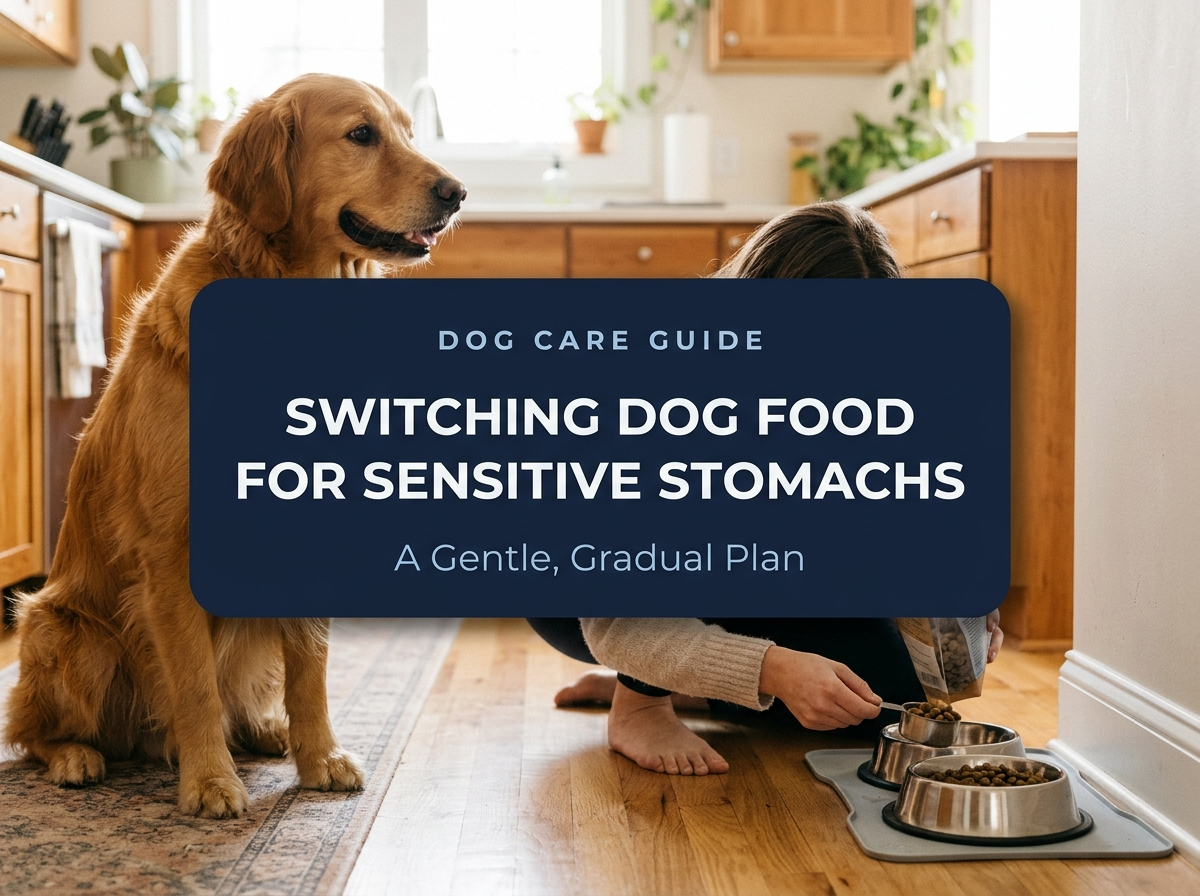
Changing your dog’s food can feel stressful when your pup already has a sensitive stomach. You want better nutrition, but you also want comfortable digestion and normal bathroom habits. The good news? A slow, planned transition can help your dog adjust to a new diet. The right approach depends on your dog’s health, current symptoms, and the food your veterinarian recommends. In this guide, you’ll learn how to switch dog food for a sensitive stomach, follow a gentle transition schedule, and track changes in your dog’s digestion. You’ll also learn when to pause the change and when to contact your veterinarian.
Table of Contents
Quick Answer: How to Switch Dog Food for a Sensitive Stomach
For many dogs with sensitive stomachs, a gradual transition over 10–14 days offers a practical starting point. Some dogs need longer, especially when they have ongoing digestive problems.
- Start with mostly the current food and a small amount of the new food.
- Increase the new food slowly when your dog tolerates each stage.
- Keep portions consistent with your dog’s normal daily food allowance.
- Track appetite, stool, vomiting, gas, and energy.
- Contact your veterinarian if symptoms develop, persist, or worsen.
Important: Ask your veterinarian for an individualized plan if your dog has a diagnosed digestive condition or needs a prescription diet. Your vet may recommend a different schedule.
How to switch dog food for a sensitive stomach, gradual dog food transition, sensitive stomach dog food https://dogsdailycare.com/how-to-soften-kibble-for-senior-dogs/
1. Choose the Right Food Before You Switch
Before changing your dog’s food, think about why you want to make the switch. Your dog might have loose stools, frequent gas, itchy skin, or trouble tolerating certain ingredients. These signs can have several causes, so food isn’t always the answer.
A sensitive stomach does not automatically mean your dog has a food allergy. Parasites, infections, other health problems, and eating something unusual can also upset digestion.
What should you look for?
- Complete and balanced nutrition: Choose food suitable for your dog’s life stage.
- Digestive support: Ask your veterinarian which formula fits your dog’s symptoms.
- Consistent ingredients: Avoid adding several new foods during the same transition.
- Appropriate portions: Follow the feeding guide and your veterinarian’s advice.
Your veterinarian might recommend a particular protein source, a highly digestible diet, or a veterinary therapeutic food. Some dogs with suspected food allergies need a strict elimination diet under veterinary guidance.
Don’t choose a food based on a front-label promise alone. Terms such as “sensitive stomach” don’t guarantee that a formula will suit every dog.
Pro Tip: Keep the new food’s packaging. Its ingredient list, nutrition information, and lot number may help your veterinarian investigate a reaction.
Alt text: Dog owner comparing current and new dog food before a sensitive stomach transition
2. Follow a Slow Dog Food Transition Schedule
A sudden food change can upset your dog’s digestive system. A gradual schedule gives you time to notice problems before your dog eats a full serving of the new formula.
For a dog with a sensitive stomach, you can discuss this 14-day example with your veterinarian. Extend each stage if your dog needs more time.
| Days | Current Food | New Food |
| Days 1–3 | 90% | 10% |
| Days 4–6 | 75% | 25% |
| Days 7–9 | 50% | 50% |
| Days 10–12 | 25% | 75% |
| Days 13–14 | 0% | 100% |
These percentages describe the food mixture, not extra food added on top of your dog’s normal meals. Measure both foods carefully and maintain the appropriate daily calorie intake.
Use the schedule as a guide, not a deadline. If your dog shows concerning symptoms, stop increasing the new food and ask your veterinarian what to do next.
For some dogs, a longer transition works better. Dogs with chronic digestive problems may need a specific veterinary plan instead of a standard schedule.
Quick Tip: Write the daily food ratio on a note near your dog’s food container. This helps everyone in your household follow the same plan.
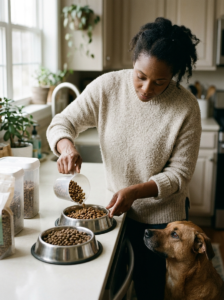
Alt text: Measured portions of old and new dog food during a gradual diet transition
3. Make Each Meal Consistent
Consistency makes it easier to understand how your dog responds to the new food. Keep meal times, portion sizes, and daily routines as steady as possible.
Use these simple habits
- Serve meals at your usual times.
- Measure food instead of guessing the portions.
- Keep fresh drinking water available.
- Avoid introducing new treats, table scraps, and supplements together.
- Store food according to the package directions.
If your dog eats treats throughout the day, record them too. Extra snacks can affect appetite and make it harder to identify what caused digestive changes.
You don’t need to remove every familiar treat automatically. However, ask your veterinarian whether you should keep treats unchanged or avoid them during a medically supervised food trial.
When you mix wet and dry food, count both toward your dog’s daily feeding amount. Different foods contain different amounts of calories, so equal scoops don’t always provide equal nutrition.
Pro Tip: Use a simple food diary. Record meal amounts, treats, stool changes, appetite, and any symptoms. These notes can help your veterinarian spot patterns.
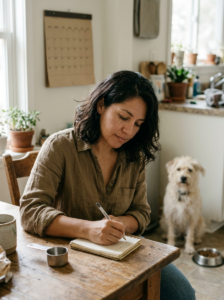
Alt text: Dog owner recording meal portions and digestive changes during a food transition
4. Watch for Signs Your Dog Is Adjusting
During a transition, check your dog’s appetite, stool, energy, and overall comfort every day. A diary helps you notice small changes before they become harder to track.
What should you monitor?
- Stool: Notice changes in consistency, frequency, color, or the presence of blood.
- Appetite: Record skipped meals, reduced interest, or sudden changes in eating.
- Digestion: Watch for vomiting, diarrhea, or unusual gas.
- Energy: Notice weakness, unusual tiredness, or changes in normal activity.
- Skin: Record new itching, redness, or ear problems.
Some signs may relate to the transition, but timing alone doesn’t prove that the new food caused them. A veterinarian can help identify the cause.
dog food transition schedule, dog digestion problems, changing dog food safely https://dogsdailycare.com/how-much-wet-food-to-mix-with-dry-food/
Don’t push ahead simply because the schedule says it’s time. If your dog develops digestive symptoms, contact your vet before increasing the new food.
Common Mistake: Changing the food, treats, supplements, and feeding schedule at once makes it harder to identify the cause of a problem. Keep the routine steady unless your veterinarian advises otherwise.
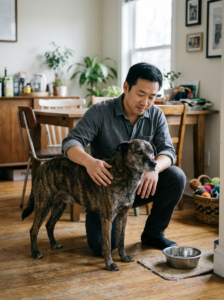
Alt text: Dog owner checking a dog’s comfort and appetite during a sensitive stomach food transition
5. Know What to Do if Your Dog Develops Symptoms
If your dog develops loose stool, vomiting, or reduced appetite during the transition, don’t assume the new food is the only cause.
Stop increasing the new food and contact your veterinarian for advice. Your vet may recommend returning to the previous diet, slowing the transition, or investigating another health issue.
When should you call the vet?
Contact your veterinarian promptly if your dog develops vomiting, significant diarrhea, persistent appetite changes, or symptoms that continue or worsen. Seek urgent veterinary care for severe weakness, repeated vomiting, bloody or black stool, a painful or swollen abdomen, or signs of dehydration.
Young puppies, senior dogs, and dogs with existing medical conditions may need faster assessment. Don’t wait for a routine transition stage if your dog appears unwell.
Never give human anti-diarrhea medicine or other medication without veterinary guidance. Some products can harm dogs or interfere with treatment.
Also avoid prolonged fasting or home remedies without professional advice, especially for puppies or dogs with health conditions.
Quick Tip: Keep your veterinarian’s contact details nearby. If symptoms begin, note when they started and how often they occur.
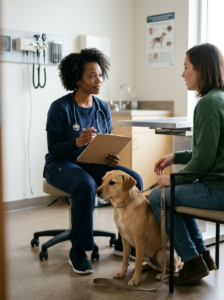
Alt text: Dog owner discussing digestive symptoms and a food change with a veterinarian
6. Give Your Dog Time to Find a Suitable Diet
Finishing the transition doesn’t automatically mean you’ve found the right food. Continue monitoring your dog’s appetite, stool, energy, and comfort after the new formula becomes the main diet.
If digestive symptoms return, speak with your veterinarian. Your dog might need a different formula or testing for an underlying problem.
Dogs with suspected food allergies may need a veterinary-guided elimination diet. This process requires a specific food and strict control over other foods and treats. Switching between several retail formulas can make the results harder to interpret.
Don’t keep changing foods every few days in search of an instant solution. Repeated changes can make it difficult to identify the cause of symptoms.
Instead, follow your veterinarian’s plan and give each approved step the time it needs. If your dog doesn’t improve, share your food diary and ask about the next step.
Remember: The best diet is one that meets your dog’s nutritional needs and suits their individual health. A veterinarian can help you make that choice safely.
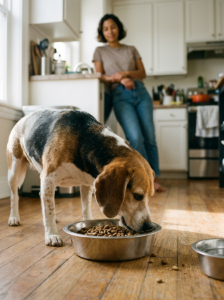
Alt text: Comfortable dog eating its new food after a veterinarian-guided diet transition
dog nutrition tips, new dog food upset stomach, when to call a vet about dog diarrhea https://dogsdailycare.com/dog-wont-eat-kibble-but-eats-treats/
Frequently Asked Questions
How long should it take to switch dog food for a sensitive stomach?
Many dogs can transition over 7–10 days, but dogs with sensitive stomachs may need 10–14 days or longer. Your dog’s symptoms and medical history matter more than a fixed deadline. Ask your veterinarian for a schedule that fits your dog.
Can changing dog food cause diarrhea?
Yes. A sudden diet change can cause digestive upset, including loose stool or diarrhea. However, infections, parasites, and other health problems can also cause diarrhea. Contact your veterinarian if symptoms are significant, persist, or occur with other signs of illness.
Should I mix old and new dog food together?
Gradually mixing the foods is a common way to transition dogs to a new diet. Start with a small amount of new food and increase it according to your dog’s response. Follow your veterinarian’s instructions if your dog needs a therapeutic diet or a different transition method.
What if my dog refuses the new food?
Don’t force the change or leave your dog without food to encourage acceptance. Contact your veterinarian if your dog refuses meals, especially if your dog is a puppy, has a medical condition, or shows other symptoms. Your vet can help determine whether the food or an underlying issue is responsible.
When should I call a vet during a food transition?
Call your veterinarian for vomiting, significant diarrhea, reduced appetite, or symptoms that persist or worsen. Seek urgent care for severe weakness, repeated vomiting, bloody or black stool, a painful or swollen abdomen, or suspected dehydration. Follow your vet’s advice rather than continuing the transition automatically.
Conclusion
Learning how to switch dog food for a sensitive stomach starts with patience, careful measurements, and close observation. A gradual transition can help your dog adjust, but no schedule guarantees a symptom-free change.
Choose an appropriate food with veterinary guidance, keep meals consistent, and record changes in digestion. If your dog develops concerning symptoms, pause the transition and contact your veterinarian.
Your dog doesn’t need to follow a perfect timeline. The goal is to find suitable nutrition while protecting your dog’s health.
Save this guide so you can refer to the transition schedule when you need it. Has your dog ever struggled with a food change? What signs did you notice first?
Related reading: How Much Wet Food to Mix With Dry Dog Food; Is It OK to Feed Your Dog the Same Food Every Day?