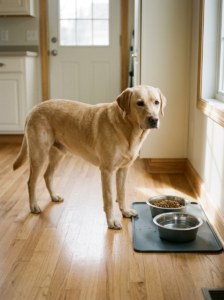
Does your dog eat the same kibble every morning and evening? If your pup enjoys the food, has steady energy, and stays at a healthy weight, you may wonder whether you need to change the menu. Many dog owners worry that the same meals every day might become boring. Others wonder whether their dogs miss important nutrients without variety. These concerns make feeding time more confusing than it needs to be. So, is it ok to feed dogs the same food every day? Yes, in many cases. A complete and balanced food that suits your dog’s age, size, activity, and health can work well as a daily diet.

The key is choosing the right food, feeding the right amount, and watching how your dog responds. This guide explains what matters, when you may need a change, and how to switch foods safely.
Table of Contents
Is It OK to Feed Dogs the Same Food Every Day?
Yes, most healthy dogs can eat the same complete and balanced food every day. Dogs do not need a different menu at every meal to get proper nutrition.
A suitable commercial dog food provides essential nutrients in appropriate amounts and proportions. Look for a nutritional adequacy statement that matches your dog’s life stage. Your veterinarian can help you choose a diet that also fits your dog’s health needs.
For example, a healthy adult dog may do well on one adult-maintenance formula for years. A growing puppy, however, needs food designed for growth. Some dogs also need special diets because of medical conditions.
Consistency can make feeding easier, too. You can measure portions, track appetite, and notice changes in your dog’s stool. You also avoid unnecessary food changes that may upset a sensitive stomach.
Still, one food does not suit every dog forever. Your dog’s needs can change with age, weight, activity, and health. Review the diet regularly instead of assuming the same choice will always work.
Is It OK to Feed Dogs the Same Food Every Day? A Simple Guide to Healthy Daily Feeding and Balanced Dog Nutrition. https://dogsdailycare.com/find-my-dog/
Why a Consistent Dog Food Routine Can Help
1. It makes digestion easier to monitor
When your dog eats a consistent diet, you have a clearer picture of what their stomach tolerates. You can track stool quality, gas, appetite, and other changes more easily.
Frequent changes can make it harder to identify what caused loose stools or vomiting. However, digestive problems can have many causes. Do not assume every symptom comes from a new food.
2. It helps you measure daily portions
Using one food makes portion tracking simpler. You can follow the package feeding guide as a starting point, then adjust portions based on your dog’s body condition and activity.
Feeding instructions are not exact rules for every dog. Two dogs of the same weight may have different calorie needs. Ask your veterinarian for guidance if your dog gains or loses weight unexpectedly.
3. It supports a predictable routine
Regular meals can help you notice appetite changes. If your dog suddenly refuses a familiar food, you may spot the change sooner than you would with a constantly changing menu.
A steady routine also helps you track treats and extra snacks. These extras count toward your dog’s daily calorie intake, even when they seem small.
What Makes a Dog Food Suitable for Daily Feeding?
Choosing a food involves more than picking a flavor your dog enjoys. The food must provide suitable nutrition, and you must feed an appropriate amount.
Check the nutritional adequacy statement
In the United States, look for an AAFCO nutritional adequacy statement on the package. It should indicate that the food provides complete and balanced nutrition for the relevant life stage, such as growth or adult maintenance.
Some products are intended only for intermittent or supplemental feeding. These products should not replace a complete daily diet unless your veterinarian recommends them for a specific purpose.
Match the food to your dog’s life stage
Puppies grow quickly and need nutrition designed for growth. Adult dogs need food suited to adult maintenance. Some foods also target specific life stages or needs.
Senior dogs do not all need the same special formula. Their ideal diet depends on body condition, activity, dental health, and medical history. Your veterinarian can help you decide when a change makes sense.
Consider health needs and food tolerance
Some dogs need veterinary diets for conditions such as kidney disease or certain digestive problems. Dogs with suspected food allergies may also need a carefully planned diet trial.
Do not switch to a special diet based only on an online symptom list. Ask your veterinarian to assess your dog first. The right diet depends on the actual problem.
Remember, a long ingredient list does not automatically mean better nutrition. Ingredient names alone cannot tell you everything about nutrient quality, digestibility, or how well the complete food meets your dog’s needs.
Does Your Dog Need More Variety?
Dogs may enjoy different smells and textures, but that does not mean every dog needs frequent food changes. A balanced daily diet matters more than creating a new menu each week.
If your dog eats willingly, maintains a healthy body condition, and has normal energy and stool, there may be no reason to change foods simply for variety.
You can make meals feel rewarding without replacing the main diet. Try using part of your dog’s measured daily kibble as training rewards. You can also ask your veterinarian whether a small amount of a suitable food topper fits your dog’s plan.
Keep extras modest and account for their calories. Too many treats or table scraps can unbalance the diet and contribute to weight gain. Avoid foods that are toxic to dogs, including chocolate, grapes, raisins, onions, and garlic.
Be careful with homemade meals, too. Meat and rice alone do not provide every nutrient a dog needs for long-term health. A home-cooked diet should follow a recipe formulated for your dog by a qualified veterinary nutrition professional.
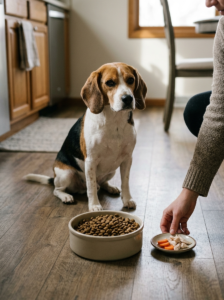
Signs Your Dog’s Current Food May Need a Review
Eating the same food every day is not the problem by itself. The important question is whether the food still suits your dog’s needs.
Your dog’s weight is changing
Unexpected weight gain or loss can mean your dog needs a different portion size or a veterinary check. Changes in activity, appetite, and health can also affect weight.
Do not change foods automatically when your dog gains weight. First, review portion sizes, treats, and daily activity. Ask your veterinarian to investigate unexplained changes.
Can Dogs Eat the Same Kibble Every Day? Learn the Benefits of a Consistent Diet, What to Watch For, and When to Change Food. https://dogsdailycare.com/dog-wont-eat-kibble-but-eats-treats/
Your dog has ongoing digestive symptoms
Repeated vomiting, diarrhea, excessive gas, or persistent stool changes deserve attention. These symptoms may relate to food, but they can also signal illness or another problem.
Contact your veterinarian if symptoms persist or return often. Seek prompt care for repeated vomiting, blood in the stool, marked weakness, or signs of dehydration.
Your dog develops itching or skin problems
Constant scratching, recurrent ear trouble, or skin irritation may have several causes. Food reactions are one possibility, but fleas, environmental allergies, and infections can also cause these signs.
Do not start rotating proteins at random. A veterinarian may recommend a controlled elimination diet if food allergy is a concern.
Your dog’s life stage or health has changed
A puppy eventually becomes an adult, and an active dog may become less active with age. Pregnancy, weight changes, and medical diagnoses can also change nutritional needs.
Review the food whenever an important change occurs. Your veterinarian can tell you whether the current formula remains appropriate or whether another diet would help.
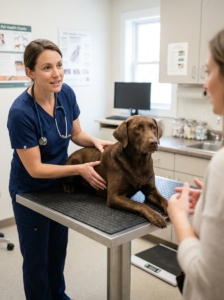
How to Change Your Dog’s Food Safely
If your dog needs a new food, make a plan rather than changing the whole bowl overnight. Some dogs tolerate quick changes, but others develop digestive upset.
A gradual transition over about seven to ten days may help many dogs adjust. Your veterinarian may suggest a different schedule if your dog has a medical condition or needs a therapeutic diet.
A simple seven-day transition example
- Days 1–2: Mix about 25% new food with 75% current food.
- Days 3–4: Mix about 50% new food with 50% current food.
- Days 5–6: Mix about 75% new food with 25% current food.
- Day 7 onward: Feed the new food if your dog tolerates the transition well.
This schedule is a general example, not a rule for every dog. Some dogs need a slower transition. Follow your veterinarian’s instructions when they differ from this plan.
Watch your dog’s appetite, stool, and comfort during the change. If digestive symptoms appear, pause and contact your veterinarian for advice. Do not keep pushing a new food if your dog becomes unwell.
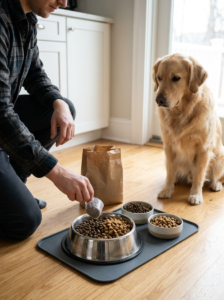
Common Feeding Mistakes to Avoid
Changing foods because you feel guilty
Your dog does not need a new flavor every week just because you would enjoy more variety. If the current food meets their needs, a stable routine can be a sensible choice.
Adding too many extras
Frequent toppers, table scraps, and treats can add calories and change the balance of the overall diet. Keep the main food complete and balanced. Ask your veterinarian which extras suit your dog.
Choosing food based only on marketing
Words such as “premium” or “natural” do not prove that a food is right for your dog. Review the nutritional adequacy statement and the manufacturer’s nutrition and quality information.
Ignoring changes in appetite
A dog that suddenly stops eating may have a problem beyond boredom. Check for other symptoms and contact your veterinarian if the appetite change continues or your dog seems unwell.
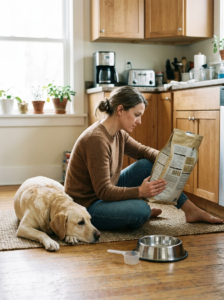
How to Keep Your Dog’s Daily Diet Balanced
A healthy feeding routine includes more than choosing the right bag of food. Portion size, fresh water, treats, activity, and regular health checks all matter.
- Measure meals: Use a measuring cup or kitchen scale to keep portions consistent.
- Provide fresh water: Make clean drinking water available throughout the day.
- Track treats: Include training rewards and toppers in the daily food plan.
- Watch body condition: Check weight and body shape regularly with your veterinarian’s help.
- Store food properly: Follow package storage instructions and check expiration dates.
- Review nutrition: Discuss food choices during routine veterinary visits.
- Feeding Dogs the Same Food Daily: Discover How to Choose Balanced Dog Food, Maintain Healthy Eating Habits, and Switch Foods Safely. https://dogsdailycare.com/is-it-ok-to-feed-dogs-the-same-food-every-day/
These habits help you notice when your dog’s needs change. They also help prevent small feeding issues from becoming long-term problems.
Frequently Asked Questions
Can dogs eat the same kibble every day?
Yes. Dogs can usually eat the same kibble every day if it provides complete and balanced nutrition for their life stage and suits their health needs. Feed the right amount and monitor your dog’s weight, appetite, stool, and energy. Ask your veterinarian if symptoms or health concerns develop.
Do dogs get bored eating the same food?
Some dogs prefer different tastes or textures, while others happily eat the same food. You do not need to change a balanced diet just to prevent boredom. If your dog refuses food suddenly, look for possible health or routine changes instead of assuming the meal tastes dull.
Should I rotate my dog’s food flavors?
Food rotation is not necessary for every dog. A suitable, complete diet can meet daily nutritional needs without frequent changes. If you want to rotate foods, choose complete and balanced options that suit your dog, transition gradually, and ask your veterinarian about allergies or medical diets first.
Can I mix two dog foods every day?
You may be able to mix two complete and balanced foods, but check their life-stage suitability and total calorie content. Mixing foods can make portion control harder. Ask your veterinarian before combining diets for a dog with allergies, digestive issues, or a medical condition requiring a specific formula.
When should I change my dog’s food?
Consider a change when your dog enters a new life stage, needs a veterinary diet, cannot tolerate the current food, or needs a different calorie intake. Weight changes and ongoing digestive or skin problems need proper assessment. Your veterinarian can help identify the cause and choose a safe plan.
Final Thoughts
So, is it ok to feed dogs the same food every day? For many dogs, yes. A consistent diet can work very well when it provides complete and balanced nutrition and fits your dog’s age, activity, body condition, and health.
You do not need to change foods just to make meals more exciting. Focus on appropriate portions, fresh water, limited extras, and regular checks on your dog’s health. If your dog’s needs change, review the diet with your veterinarian and transition carefully when needed.
Your dog deserves food that supports a healthy life, not a different menu every day. Save this guide for your next food-label check, and talk with your veterinarian if you are unsure about your dog’s current diet.
Related reading: How Much Should My Dog Eat Each Day? | Dog Won’t Eat Kibble but Eats Treats? What to Do