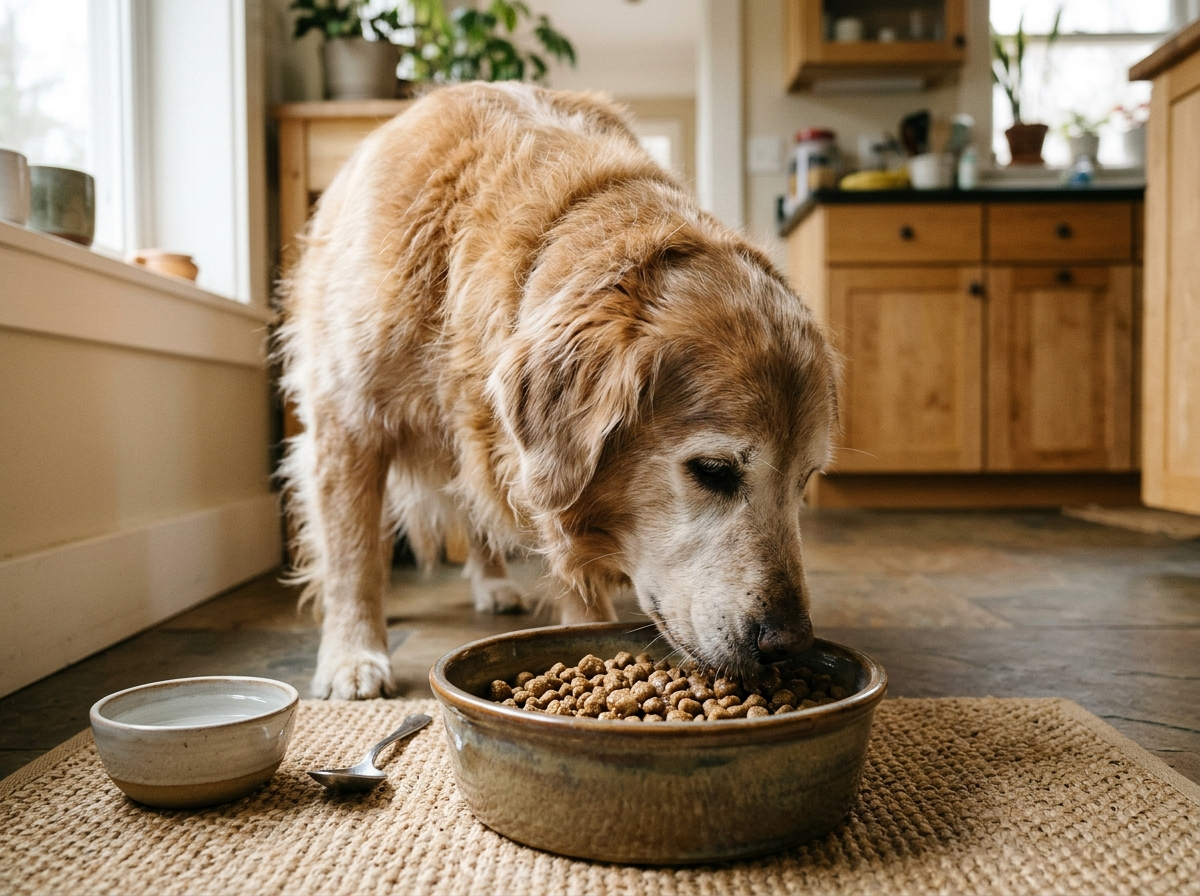
Watching your senior dog struggle with dinner can be worrying. If hard pieces of kibble seem difficult to chew, you may wonder how to soften kibble for senior dogs without changing their regular diet. The good news is that a few simple steps can make dry food softer and easier to eat.
Warm water is often the easiest place to start. It softens the kibble while keeping the meal’s original ingredients unchanged. You can also try a different soaking time or ask your veterinarian about suitable wet food. However, chewing trouble should never be dismissed as a normal part of aging. Dental pain and other health problems can affect how your dog eats. Let’s look at safe ways to soften kibble and signs that your dog needs extra care.
Table of Contents
Why Do Senior Dogs Need Softer Kibble?
Older dogs may develop dental problems, lose teeth, or find chewing less comfortable. Some dogs also have health conditions that affect their appetite or ability to eat. Softer food can make mealtimes more comfortable for certain dogs.
Still, age alone does not mean every dog needs a softer diet. If your dog eats comfortably and maintains a healthy weight, there may be no reason to change the food’s texture.
Watch for signs such as dropping kibble, chewing on one side, taking longer to finish meals, or avoiding dry food. Bad breath, drooling, and changes in appetite also deserve attention. Contact your veterinarian if you notice these changes.
How to Soften Kibble for Senior Dogs With Warm Water
Warm water is a simple, affordable way to soften dry dog food. It adds moisture without introducing extra ingredients or changing the food’s basic recipe.
What You Need
- Your dog’s usual dry kibble
- Clean, warm drinking water
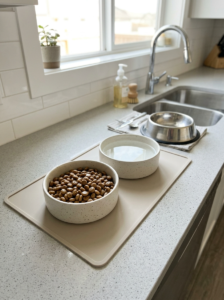
- A clean food bowl
- A spoon for mixing, if needed
Step-by-Step Instructions
- Measure your dog’s normal meal according to the feeding plan.
- Place the kibble in a clean bowl.
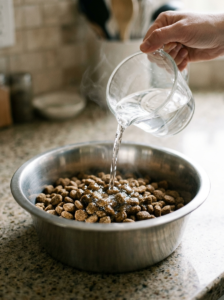
- Add a small amount of warm water over the pieces.
- Let the kibble sit for several minutes.
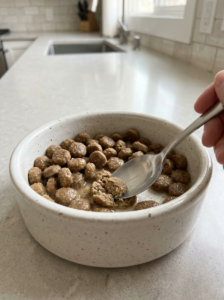
- Stir gently and check whether the pieces have softened.
- Add a little more water if the kibble remains too firm.
- Allow the food to cool to a safe, comfortable temperature.
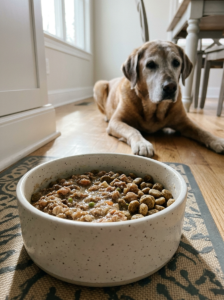
- Serve it fresh and watch your dog eat.
Start with a small amount of water. You can always add more as the kibble absorbs moisture. The exact soaking time depends on the kibble’s size, shape, and texture.
Some pieces soften quickly, while others need longer. Check the texture instead of relying on a fixed time. The finished meal should match your dog’s chewing needs without being too hot.
How Long Should You Soak Senior Dog Kibble?
There is no single soaking time that works for every brand of kibble. Small pieces may soften within a few minutes, while larger or denser pieces can take longer.
Begin by checking the food after a few minutes. Stir it and press a piece gently with a spoon. If the center still feels hard, add a little more warm water and wait again.
For dogs that need a very soft texture, allow more time for the water to soak through. Mash the softened pieces if your veterinarian agrees that this texture is suitable.
Avoid serving kibble that is hot in the middle. Always check the entire portion before placing it in your dog’s bowl.
Other Easy Ways to Soften Dry Dog Food
Warm water is often the simplest choice, but it is not the only option. Your dog’s health, usual diet, and veterinarian’s advice can help you choose another method.
Learn how much wet food to mix with dry dog food to make mealtimes easier while keeping your dog’s daily nutrition balanced. https://dogsdailycare.com/is-it-ok-to-feed-dogs-the-same-food-every-day-2/
1. Mash Kibble After Soaking
If your dog still struggles with softened pieces, try gently mashing the soaked kibble with a fork. This creates a softer texture without requiring a new food product.
Add water gradually until the meal reaches a texture your dog can manage. Do not force your dog to eat if chewing or swallowing seems painful.
2. Mix in Suitable Wet Dog Food
Wet dog food can make a meal softer and add moisture. Choose a product that is complete and balanced for your dog’s life stage, unless your veterinarian recommends a specific therapeutic diet.
Remember that wet food adds calories. If you mix it with dry kibble, adjust the portions so you do not accidentally overfeed your dog. Follow the feeding guidance on both food labels or ask your veterinarian for a suitable daily amount.
3. Ask About a Veterinary Diet
Some senior dogs have medical conditions that require a special diet. A veterinarian may recommend a particular food texture or a therapeutic formula based on your dog’s needs.
Do not assume that every food labeled for senior dogs is suitable for every older pet. The right diet depends on the dog’s health, body condition, and nutritional needs.
Can You Use Broth to Soften Kibble?
Some dog owners use broth to make dry food more appealing. However, broth can contain added salt, onion, garlic, or other ingredients that are unsuitable for dogs.
Plain warm water is the safer first choice because it does not add these ingredients or extra calories. If you want to use broth, choose a dog-safe product and check its full ingredient list. Ask your veterinarian first if your dog has kidney, heart, or other health problems that may require dietary restrictions.
Never use broth simply because it smells appealing. A flavorful liquid is not worth risking your dog’s health.
How to Store Softened Kibble Safely
Once you add water, dry kibble becomes moist food that needs careful handling. Do not leave a bowl of softened food sitting out all day.
- Prepare only the amount your dog is likely to eat at that meal.
- Wash the bowl after feeding.
- Throw away food that has been left out too long or contaminated.
- Refrigerate any prepared portion promptly in a clean, covered container if you plan to keep it.
- Follow your veterinarian’s advice and the food manufacturer’s storage instructions.
When in doubt, discard leftovers rather than risk serving spoiled food. Make a fresh portion at the next meal.
Common Mistakes to Avoid When Softening Kibble
Using Boiling or Very Hot Water
Very hot food can burn your dog’s mouth. Use warm water and check the meal carefully before serving it.
Adding Too Much Extra Food
Butter, gravy, salty broth, and table scraps can add unwanted ingredients or calories. Keep the preparation simple unless your veterinarian recommends an addition.
Changing the Diet Without Checking the Cause
If your dog suddenly refuses hard kibble, do not assume the problem is only age. Dental disease, mouth injuries, and other illnesses can make eating uncomfortable. Arrange a veterinary checkup if the change is new or continues.
Leaving Wet Kibble Out for Hours
Moist food should not sit in the bowl all day. Prepare small servings, clean the bowl, and handle leftovers safely.
Wondering if your dog should eat the same food every day? Explore simple feeding tips to support your dog’s health and nutritional needs. https://dogsdailycare.com/dog-wont-eat-kibble-but-eats-treats/
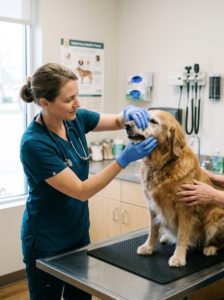
Signs Your Senior Dog Needs a Vet Visit
Softened food may help with texture, but it cannot treat an underlying health problem. Arrange a veterinary appointment if your dog shows any of these signs:
- Dropping food while trying to chew
- Chewing on only one side of the mouth
- Bad breath or visibly sore gums
- New or increased drooling
- Difficulty swallowing
- Sudden loss of appetite or refusal to eat
- Unexplained weight loss or a clear change in eating habits
Seek prompt veterinary advice if your dog cannot swallow food or water, seems distressed while eating, or has trouble breathing. Do not force-feed a dog that may have difficulty swallowing.
Senior dogs can develop dental problems that are not obvious at home. A veterinarian can examine the mouth and determine whether dental treatment, a diet change, or another type of care is needed.
[replace image ]
Tips for Making Mealtimes Easier for Senior Dogs
- Keep a steady routine: Serve meals at regular times in a calm place.
- Watch the texture: Adjust the amount of water to your dog’s needs.
- Measure portions: Softening food adds water, not extra nutrition, but added wet food can increase calories.
- Keep fresh water available: A softened meal does not replace access to drinking water.
- Monitor appetite and weight: Note changes and share them with your veterinarian.
- Ask before making major diet changes: Some health conditions need specific nutritional care.
Small adjustments can make feeding easier, but your dog’s comfort and overall health matter most. If your dog has a known medical condition, ask the veterinary team which food texture and feeding plan are appropriate.
Is your dog refusing kibble but happily eating treats? Discover possible reasons and practical steps to help your dog enjoy regular meals again. https://dogsdailycare.com/find-my-dog/
Frequently Asked Questions
Can I soften senior dog kibble with warm water every day?
In many cases, yes. Warm water can soften your dog’s usual dry food without adding new ingredients. Prepare each meal fresh, serve it at a safe temperature, and clean the bowl after feeding. Ask your veterinarian if your dog has a medical condition that affects feeding.
Can I soak dog kibble overnight?
It is better to soften kibble shortly before serving. Leaving moist food at room temperature overnight is not a safe preparation method. If you need to prepare food ahead, ask your veterinarian about safe refrigeration and storage.
Does softened kibble provide the same nutrition?
Adding plain water does not meaningfully add calories or nutrients to the meal. However, mixing kibble with another food changes the meal’s overall nutrient and calorie content. Keep portions appropriate and follow professional feeding advice.
Should all senior dogs eat soft food?
No. Some older dogs can comfortably eat their regular dry food. Others may benefit from softened kibble or wet food. Choose based on your dog’s individual needs, and have chewing problems checked by a veterinarian.
What if my senior dog will eat treats but not kibble?
This change may be related to taste, texture, dental discomfort, or another health issue. Try not to rely on treats as meal replacements. Contact your veterinarian if the change is sudden, persistent, or accompanied by other symptoms.
Final Thoughts
Learning how to soften kibble for senior dogs can make mealtimes easier. Start with warm water, allow the pieces to soften, and check the temperature before serving.
You can also discuss mashed kibble, suitable wet food, or a veterinary diet with your dog’s care team. Most importantly, do not ignore new chewing problems or appetite changes. The right texture can help, but a health check can uncover the reason your senior dog is struggling to eat.