Dog nail trimming is one of the grooming jobs owners put off the longest. It’s easy to understand why, since nobody wants to hurt their dog. But with the right tools and the right technique, it’s a routine task that most dogs learn to tolerate, and some even accept calmly.
This guide covers the main dog nail trimming techniques: choosing between clippers and a grinder, finding the quick, handling dark nails, and keeping your dog relaxed. You’ll also learn what to do if you trim too short and when to ask a groomer or veterinarian for help.
Table of Contents
Quick Answer: How Do You Trim a Dog’s Nails Safely?
Use clippers or a grinder made for dogs, and trim only small amounts at a time, staying well in front of the quick, the blood vessel inside the nail. Keep styptic powder nearby, include the dewclaws, and reward your dog throughout. If you’re unsure or your dog is very stressed, ask a groomer or veterinarian.
Why Nail Trimming Matters
Overgrown nails can click on hard floors, snag on carpet, and change how your dog stands and walks. Regular trimming keeps nails at a comfortable length, and over time it also helps the quick stay shorter, which makes future trims safer.
If you hear your dog’s nails clicking on the floor, or you notice a change in gait, it’s a good time to check them.

Understanding Dog Nail Anatomy
A dog’s nail has two main parts: a hard outer shell and an inner core called the quick, which contains blood vessels and nerves. Cutting into the quick is painful and causes bleeding.
- Light or clear nails: The quick often shows through as a pink area, so you can see where to stop.
- Dark or black nails: The quick is hidden, so you need to trim in tiny steps and read the cut surface.
- The curve at the tip: Most of the safe trimming happens at the hook-like part that turns down.
The longer the nail, the farther the quick extends toward the tip. That’s why regular trims make the job easier over time.
Dog Nail Trimming Tools
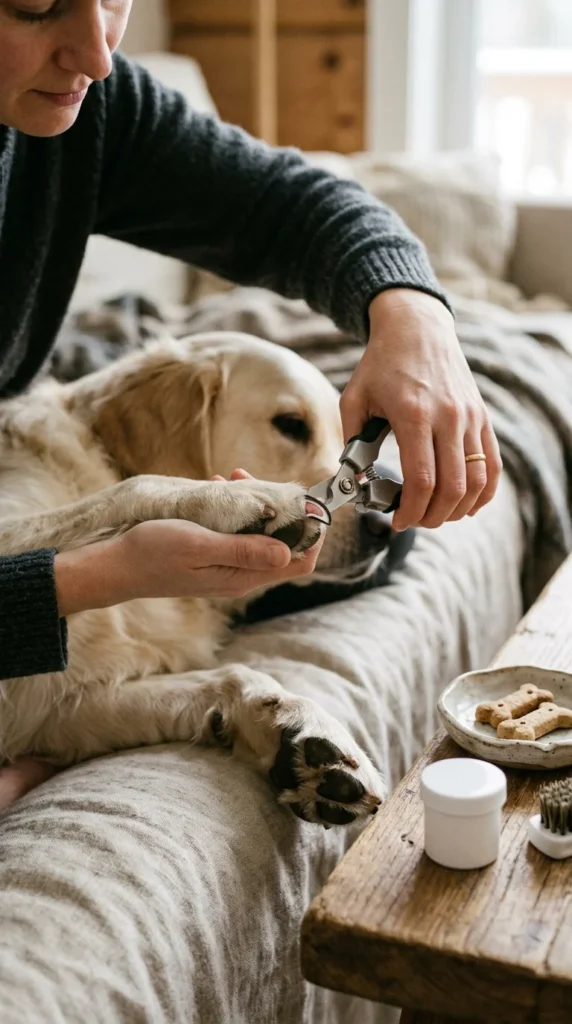
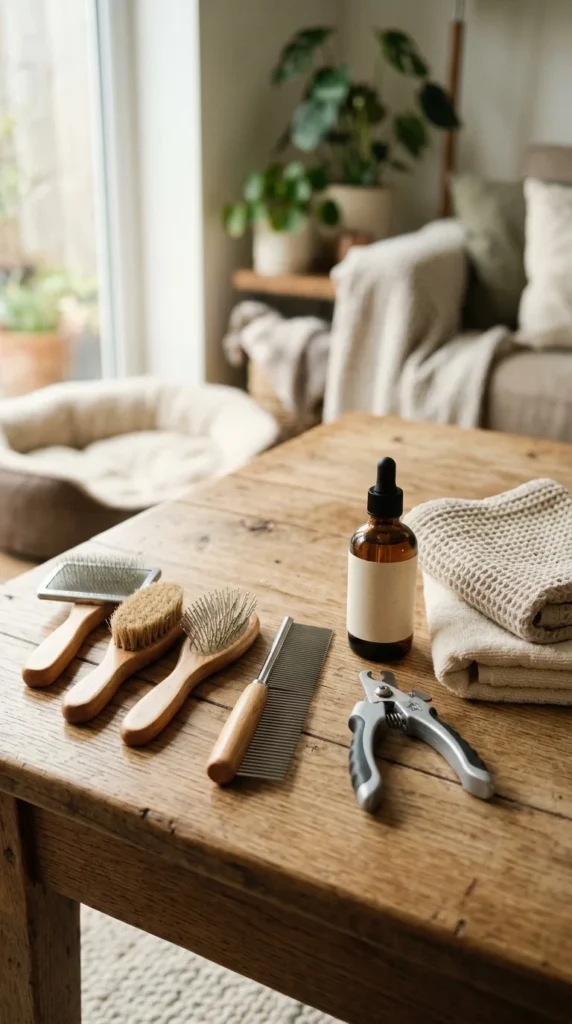
Scissor-style clippers
These work like small scissors and give good control. They’re easy to use on many dogs but may struggle with very thick nails.
Guillotine-style clippers
You slide the nail through a hole and squeeze. They suit some dogs and owners well, but they need sharp blades and the right size for your dog, since dull blades can crush the nail.
Nail grinder
A grinder wears the nail down gradually with a rotating abrasive tip. Because it removes a little at a time, many owners find it gives better control near the quick, especially on dark nails. The downside is noise and vibration, which some dogs dislike, so introduce it slowly.
Which should you choose?
Neither is best for every dog. Clippers are quick and inexpensive. A grinder is slower but more forgiving. Some owners take the bulk off with clippers, then smooth and shorten the last bit with a grinder. Pick the tool you and your dog are both comfortable with, and avoid human nail clippers, which aren’t designed for dog nails.
Other supplies
- Styptic powder or pencil: Keep it within reach before you start.
- Treats: Small, frequent rewards make the experience positive.
- Good lighting: Makes it easier to see the nail.
- A non-slip surface and a helper, if needed.
Step-by-Step Dog Nail Trimming Technique
- Get your dog comfortable. Let your dog sniff the tool, and touch the paws without trimming, rewarding calm behavior.
- Choose a comfortable position. Many dogs do well standing or lying on their side. Pick the position that works for both of you.
- Hold the paw gently but firmly. Support the toes without squeezing, and avoid pulling the leg awkwardly.
- Identify the quick. On light nails, find the pink area. On dark nails, plan to trim very small amounts.
- Trim the tip. Cut only the hook-like end, staying well in front of the quick.
- Check after each cut. Look at the end of the nail before trimming again.
- Don’t forget the dewclaws. These smaller nails on the inside of the leg don’t wear down on their own, so check them every time.
- Reward and stop on a good note. Even finishing one nail is progress for a nervous dog.
How to Trim Black or Dark Nails
Dark nails are what make most owners nervous, because you can’t see the quick. The safest approach is patience:
- Trim very thin slices, and look at the cut end after each one.
- Watch for a change in the center of the cut surface, such as a pale or chalky ring or a dark dot. If you see it, stop trimming that nail.
- Consider a grinder, which removes small amounts at a time. Use a “grind and release” pattern, touching for a second or two and pulling away.
- If you don’t see any change, don’t keep taking more. Stop and trim again another day.
If you can’t tell where the quick is, it’s fine to trim less. Short, frequent sessions are safer than one aggressive trim.
What to Do If You Cut the Quick
It happens even to experienced owners and groomers. Stay calm, because your dog will pick up on your mood.
- Apply styptic powder to the end of the nail and hold gentle pressure for a moment.
- Comfort your dog and give a treat.
- Keep your dog calm and avoid long walks on rough ground until the bleeding has stopped.
- Pause the session. You can try again another day.
Contact your veterinarian if the bleeding doesn’t stop, if the nail looks torn or cracked, or if the toe becomes swollen, red, or painful, or if your dog keeps limping.
Helping a Nervous Dog Accept Nail Trims
A dog who fights nail trims usually isn’t being stubborn. Often the dog is anxious, has had a bad experience, or doesn’t like having the paws handled. A gradual approach helps:
- Start with paw handling. Touch and hold paws daily, and reward your dog.
- Introduce the tool slowly. Let your dog sniff it, then touch it to a paw without trimming.
- Trim one nail at a time. Gradually build up to two or three nails, then a whole paw.
- Use treats generously. A helper can feed small treats during the trim.
- Stop before your dog panics. Ending early helps prevent fear from building.
If your dog growls, snaps, or panics, stop and ask your veterinarian or a professional groomer for help, since forcing the issue can make fear worse.
Trimming Puppy and Senior Dog Nails
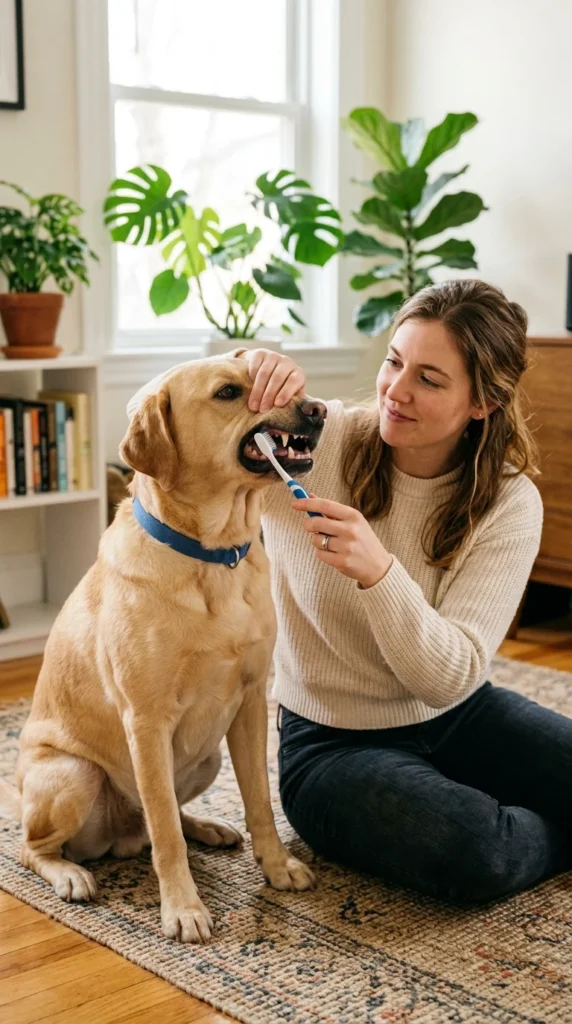
Puppies: Start early. Handle the paws often and trim tiny amounts. The goal is to teach your puppy that nail trims are no big deal.
Senior dogs: Older dogs may have brittle or thick nails, stiff joints, or trouble standing. Use a non-slip surface, support the leg gently, and keep sessions short. If nails look crumbly, split, or thickened, ask your veterinarian.
Common Nail Trimming Mistakes
- Using dull clippers. They can crush the nail instead of cutting it cleanly.
- Cutting too much at once. Small cuts are safer, especially on dark nails.
- Skipping the dewclaws. They can grow long and curl into the skin.
- Not having styptic powder ready. Be prepared before you start.
- Rushing a nervous dog. Fear builds when sessions are forced.
- Waiting too long between trims. Long nails mean a longer quick and a harder job.
When to Ask a Groomer or Veterinarian
Nail trimming is routine care for many owners, but some situations call for a professional:
- You’re not comfortable trimming nails yourself
- Your dog is very fearful or aggressive about having paws handled
- Nails are very long, overgrown, or curling into the paw pad
- Nails are cracked, split, bleeding, or look infected
- Your dog limps or licks at a paw
- You can’t tell where the quick is on thick, dark nails
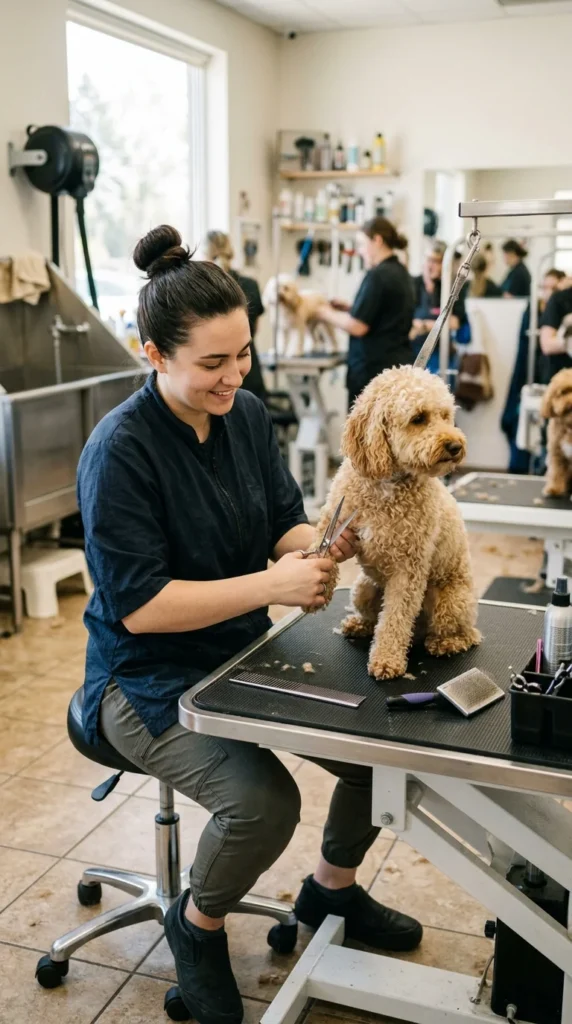
A groomer or veterinary clinic can trim nails safely and show you how to do it yourself. This article offers general grooming information and isn’t a substitute for professional veterinary advice.
AKC, “How to Trim Your Dog’s Nails Safely“: https://www.akc.org/expert-advice/health/how-to-trim-dogs-nails-safely/
Frequently Asked Questions
Are clippers or grinders better for dog nails?
Neither is best for every dog. Clippers are quick and affordable, while grinders offer more gradual control, especially for dark nails. Choose the tool that suits you and your dog.
How do I trim black dog nails safely?
Trim very small slices, check the cut surface each time, and stop when you see a change in the center of the nail. A grinder can also help you remove small amounts at a time.
How do I know when my dog’s nails need trimming?
If you hear clicking on hard floors, or the nails touch the ground when your dog stands, they likely need a trim.
What if I cut the quick?
Apply styptic powder, comfort your dog, and pause. Call your veterinarian if bleeding doesn’t stop or the toe looks swollen or painful.
Should I trim dewclaws?
Yes. Dewclaws don’t wear down like the other nails, so check them every session.
Can I use human nail clippers on my dog?
It’s best not to. Human clippers aren’t designed for the shape and thickness of dog nails and may crush them.
Final Thoughts
Good dog nail trimming techniques come down to a few habits: the right tool, small careful cuts, styptic powder within reach, and a calm, rewarding routine. If your dog is nervous or you’re unsure, there’s no shame in asking a groomer or veterinarian to show you first. Your next step is to check your dog’s nails this week and practice touching the paws with a treat in hand.