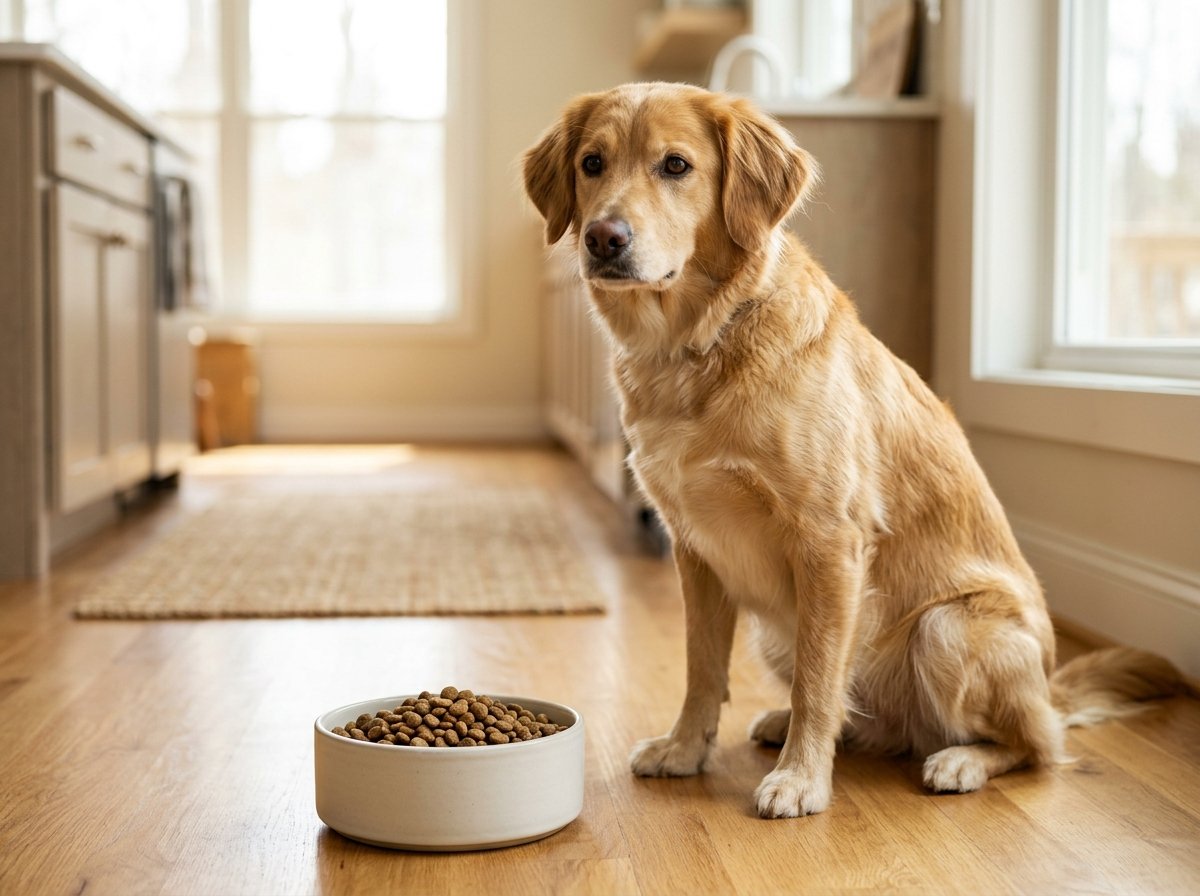
Wondering how much my dog should eat each day? The right amount depends on your dog’s weight, age, activity level, health, and the food you serve. A small, relaxed adult dog usually needs less food than a large, active dog. Puppies also need different portions because they are still growing.
Feeding too much can lead to unhealthy weight gain. Feeding too little can leave your dog without enough energy and essential nutrients. The good news is that you can start with a few simple steps. Check your dog food label, measure each serving, and watch your dog’s body condition. Your veterinarian can help you fine-tune the amount when needed.
Table of Contents
Quick Answer: How Much Should My Dog Eat?
Start with the daily feeding guide on your dog’s food package. Choose the amount that matches your dog’s current weight and life stage. Then adjust with your veterinarian’s advice, activity level, and body condition. Divide the daily amount into meals, measure every serving, and count treats as part of the daily food allowance.
Learn more about puppy feeding, dog food portions, and proper nutrition with our easy-to-follow dog care guides. https://dogsdailycare.com/dog-obesity-weight-management/
What Affects How Much Your Dog Should Eat?
There is no single portion size that works for every dog. Two dogs of the same weight may need different amounts of food. Their age, activity, body condition, and food type can all change their daily needs.
1. Your Dog’s Weight and Size
Larger dogs generally need more total food than smaller dogs. However, weight alone does not tell you the exact portion. A dog’s healthy target weight matters, especially if your pet is carrying extra body fat or has lost weight recently.
Use your dog’s current weight as a starting point. If your dog is overweight, ask your veterinarian about an appropriate target weight before reducing portions. Growing puppies also need a feeding plan that supports healthy development.
2. Age and Life Stage
Puppies grow quickly and need food designed for growth. Their small stomachs also make several smaller meals helpful. Adult dogs usually do well with a consistent daily amount divided into regular meals.
Senior dogs may become less active as they age. Some need fewer calories, while others need a different diet because of health concerns. Do not automatically reduce food just because your dog is older. Check weight, appetite, and body condition first.
3. Activity Level
A dog that walks, runs, plays, or works for long periods may need more energy than a dog that spends most of the day resting. Activity can also change with the weather, household routine, or age.
Do not add extra food after every short walk. Instead, watch your dog’s weight and body condition over time. Your veterinarian can help estimate a suitable calorie target for your dog’s normal activity level.
Discover helpful dog care tips, feeding advice, and training guides to keep your furry friend happy and healthy. https://dogsdailycare.com/why-is-my-dog-vomiting-yellow/
4. Food Type and Calories
A cup of one dog food may contain more calories than a cup of another. Dry kibble, canned food, and fresh food also have different water contents and calorie densities.
Check the package for calories per cup, can, or serving. Follow the feeding directions for that exact product rather than copying a portion from another brand. When changing foods, review the new label because the same scoop may provide a different amount of energy.
How to Use a Dog Food Feeding Chart
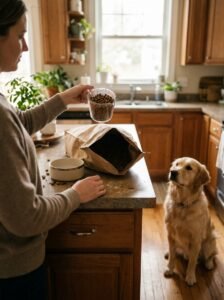
Most complete dog foods include a feeding chart on the package. It gives you a starting estimate based on weight and sometimes age or activity. Use it as a guide, not as a perfect measurement for every dog.
- Find your dog’s weight. Weigh your dog when possible. Ask your veterinarian about a healthy target weight if needed.
- Check the correct life stage. Make sure the food is suitable for a puppy, adult, or other life stage listed on the label.
- Read the daily amount. Check whether the chart gives a total for the whole day or an amount for each meal.
- Measure the portion. Use a standard measuring cup or, for greater accuracy, a kitchen scale.
- Divide the daily total. Split the total into the number of meals that suits your dog’s age and routine.
- Monitor your dog. Track weight, appetite, and body shape, then discuss adjustments with your veterinarian.
For example, if a food label recommends one cup per day, check whether that means one cup for the entire day. If you feed two meals, you would normally divide that daily amount between them, rather than giving one cup at each meal.
How Much Should My Dog Eat by Age?
Age changes a dog’s nutritional needs. Use food made for the appropriate life stage, and ask your veterinarian for specific guidance if your dog has a medical condition or unusual growth pattern.
Puppies
Puppies need a diet formulated for growth. Their food must provide the right balance of calories and nutrients for development. Many young puppies need three or four small meals per day, although the best schedule depends on their age, breed, and individual needs.
Follow the puppy food label and your veterinarian’s advice. Large-breed puppies need particular care because rapid growth and excess calories can affect healthy development. Do not use an adult dog’s feeding amount for a growing puppy.
Adult Dogs
Most healthy adult dogs can eat two measured meals per day. Some dogs need a different schedule because of their routine or medical needs. The important part is providing the right total amount each day.
Start with the food package’s guidance, then monitor your dog’s body condition. A highly active dog may need a different amount from a less active dog of the same size. Treats and table scraps should also be counted in the daily intake.
Senior Dogs
Older dogs may move less and gain weight more easily. Others may lose weight or muscle because of dental problems, illness, or changes in appetite. Their needs can vary widely.
Choose food appropriate for your dog’s needs, not just its age. If your senior dog suddenly eats less, seems unusually hungry, or changes weight without an obvious reason, contact your veterinarian.
How Many Times a Day Should You Feed Your Dog?
Most adult dogs do well with two meals per day. A regular morning and evening schedule can help you measure food and notice changes in appetite. Some dogs need more frequent meals based on their health or veterinarian’s instructions.
Puppies often need three or four smaller meals because they are growing and have smaller stomachs. As they mature, their feeding schedule can usually change gradually under appropriate guidance.
Keep fresh, clean drinking water available throughout the day. Do not restrict water unless your veterinarian has given you specific instructions for a medical reason.
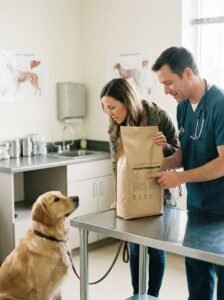
How to Tell If You Are Feeding Too Much or Too Little
Your dog’s body condition offers useful clues about whether the current portion is working. Look at your dog from above and from the side. You should generally be able to feel the ribs without pressing through a thick layer of fat.
Signs Your Dog May Be Eating Too Much
- Your dog is steadily gaining excess weight.
- You cannot easily feel the ribs beneath the fat layer.
- Your dog’s waist is difficult to see from above.
- Your dog has less energy for normal activity.
- Treats and table scraps add many extra calories.
Signs Your Dog May Not Be Eating Enough
- Your dog is losing weight without a planned reason.
- The ribs, spine, or hip bones become more visible than usual.
- Your dog loses muscle or appears unusually weak.
- Your dog’s appetite changes or meals are often left unfinished.
These signs do not always mean the portion is wrong. Health problems can also cause weight or appetite changes. If you notice sudden or unexplained changes, speak with your veterinarian before making a major feeding adjustment.
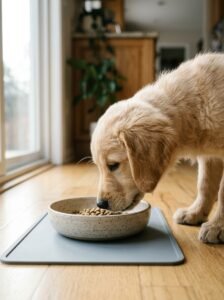
Do Dog Treats Count Toward Daily Food?
Yes. Treats, table scraps, chews, and food used for training all contribute calories. Too many extras can make it easy to feed more than your dog needs, even when meals seem correctly measured.
A common veterinary guideline is to keep treats and other extras to no more than about 10% of your dog’s daily calories. Most daily nutrition should come from a complete and balanced dog food suitable for your pet’s life stage.
Try breaking treats into smaller pieces during training. You can also set aside a small part of your dog’s measured daily food to use as rewards, if that works with the diet.
Common Dog Feeding Mistakes to Avoid
- Guessing portions: Eyeballing food can lead to inconsistent servings. Measure each meal instead.
- Ignoring food labels: Different foods can contain different calories per cup. Check the package every time you change products.
- Feeding too many extras: Treats and table scraps can add up quickly. Count them as part of the daily intake.
- Using one plan for every dog: Puppies, adults, seniors, and highly active dogs may have different needs.
- Changing portions suddenly: Make routine adjustments carefully and ask your veterinarian when you are unsure.
- Ignoring weight changes: Unexplained weight loss or gain can signal a health issue, not just a feeding problem.
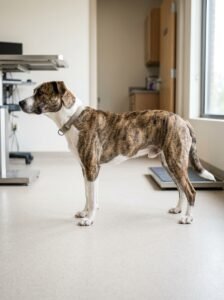
When Should You Ask a Veterinarian?
Ask your veterinarian for a personalized feeding plan if your dog is overweight, underweight, pregnant, nursing, very young, or living with a medical condition. A professional can consider your dog’s ideal weight, energy needs, activity, and current diet.
Contact a veterinarian if your dog has a sudden loss of appetite, repeated vomiting, diarrhea, unusual thirst, or unexplained weight changes. Seek prompt veterinary advice if your dog refuses food and also seems weak, painful, or unwell.
Do not put a puppy on a weight-loss diet or sharply reduce a dog’s food without veterinary guidance. Growing animals and dogs with health conditions may need carefully planned nutrition.
Explore our dog food and nutrition guides to learn how to feed your dog a healthy, balanced diet. https://dogsdailycare.com/dog-parasite-prevention/
Frequently Asked Questions
How much food should my dog eat each day?
Start with the feeding chart on your dog’s food package. The right amount depends on weight, age, activity, health, and the food’s calorie content. Adjust the plan using body condition and veterinary guidance.
Is one cup of dog food enough per day?
It depends on your dog’s size, energy needs, and the food itself. One cup of a calorie-dense food can provide more energy than one cup of another brand. Check the package and measure your dog’s daily portion.
Should I feed my dog once or twice a day?
Many adult dogs do well with two meals per day. Puppies often need three or four smaller meals. Your dog’s health and veterinarian’s instructions may call for a different schedule.
Should I leave food out all day?
Measured meals help you track how much your dog eats and notice appetite changes. Leaving food available all day may make intake harder to monitor. Ask your veterinarian which approach suits your dog.
How do I know if my dog is getting enough food?
Track your dog’s weight, body shape, energy, and appetite. You should generally be able to feel the ribs without a thick fat covering. Ask your veterinarian to assess body condition if you are unsure.
Should I change my dog’s food amount as it gets older?
Possibly. Activity, metabolism, health, and body condition can change with age. Review portions regularly, but avoid automatic reductions. Your veterinarian can help you decide whether the amount or food type needs to change.
Final Thoughts
If you are asking how much your dog should eat, start with your dog’s food label and use it as a practical guide. Measure daily portions, choose food for the correct life stage, limit extra calories from treats, and keep fresh water available.
Watch your dog’s weight and body condition over time. If you notice unexpected changes or need a more precise calorie target, ask your veterinarian for an individual feeding plan. A consistent routine and careful monitoring can help your dog maintain a healthy weight.
Disclaimer: This article is for general educational purposes and does not replace veterinary advice. Consult a qualified veterinarian for feeding recommendations tailored to your dog’s age, weight, health, and nutritional needs.