Walk down the pet aisle, and you’ll see dozens of bottles promising a softer, shinier, fresher-smelling dog. The label rarely tells you which one is right for your dog. The best dog shampoo for a thick-coated Husky isn’t automatically right for a sensitive-skinned Bulldog or a wriggly eight-week-old puppy.
This guide shows you how to choose the best dog shampoo by matching it to your dog’s coat, skin, and lifestyle. You’ll also learn which label details matter, which ingredients to treat carefully, and when to skip the store shampoo and ask your veterinarian.
Table of Contents
Quick Answer: What Makes a Good Dog Shampoo?
A good dog shampoo is made specifically for dogs, gentle enough for regular use, and matched to your dog’s coat and skin. Avoid human shampoo because dog skin differs from human skin. If your dog has itching, redness, or a skin condition, ask your veterinarian before choosing a product.
Why Dog-Specific Shampoo Matters
Dog skin isn’t just thick human skin. It has a different balance of acidity, and it’s thinner than most people expect. The American Kennel Club notes that people’s shampoo is formulated for human skin and that dog shampoos work best when they’re made for canine skin.
Human shampoo isn’t dangerous after a single use, but repeated use can leave a dog’s coat dull and dry. Some human products also contain dyes, perfumes, and additives that can irritate a dog’s skin. Baby shampoo is no exception, even though it’s marketed as gentle.
If you ran out of dog shampoo and your dog is muddy, plain lukewarm water is usually a safer short-term choice than a human product.
Start With Your Dog’s Coat Type
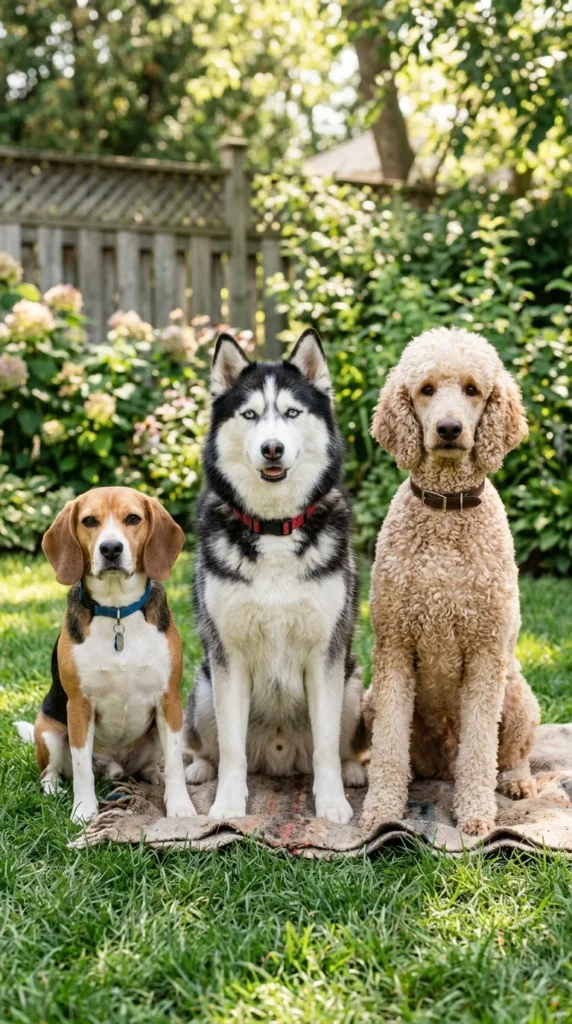
Coat type is the best starting point because it determines how much oil, dirt, and tangling you’re dealing with. Most dogs fall into one of the groups below. Mixed breeds may combine traits.
Short, smooth coats
Breeds like Boxers, Beagles, and Greyhounds don’t tangle, but their skin is closer to the surface. Look for a mild, moisturizing formula rather than a heavy conditioning shampoo. These dogs often need baths less often, so gentleness matters more than coat-enhancing ingredients.
Double coats
Huskies, German Shepherds, Golden Retrievers, and similar breeds have a soft undercoat beneath longer guard hair. A shampoo that rinses cleanly matters here, because leftover product can stay trapped in the dense fur and irritate the skin. During heavy shedding seasons, some owners choose a deshedding shampoo, but brushing does most of the real work.
Long or silky coats
Dogs like Shih Tzus, Yorkshire Terriers, and Maltese tangle easily. A conditioning shampoo, or a separate dog conditioner, can make brushing easier and reduce breakage. Always brush out tangles before wetting the coat, because water tightens knots.
Curly and wavy coats
Poodles, Doodles, and Bichons tend to hold dirt and trap moisture. Choose a shampoo that cleans without leaving the coat coarse, and plan to condition. Dry the coat thoroughly afterward, since damp curls can mat.
Wiry coats
Terriers with wiry coats often do best with a shampoo that cleans without softening the texture too much. If your dog is professionally groomed, ask your groomer which type they use.
Hairless and thin-coated dogs
Skin is exposed, so gentle, fragrance-free options are usually the safer starting point. These dogs can also be prone to clogged pores and sun sensitivity, so ask your veterinarian about skin concerns.
Match the Shampoo to Your Dog’s Skin
Two dogs with the same coat can have very different skin. Watch for how your dog’s skin behaves between baths.
- Normal skin: A mild, soap-free, dog-specific shampoo is usually enough.
- Dry or flaky skin: Look for moisturizing formulas. Ingredients like oatmeal and aloe are common in these products.
- Oily coat: Choose a shampoo that cleans well without stripping the skin, and avoid overwashing.
- Sensitive skin: Try a fragrance-free or hypoallergenic formula, and introduce it gradually.
One caution: dry, flaky, or oily skin isn’t always a grooming issue. It can also be linked to allergies, parasites, infections, or other health problems. If the skin looks irritated rather than just dry, a shampoo won’t solve the underlying cause.
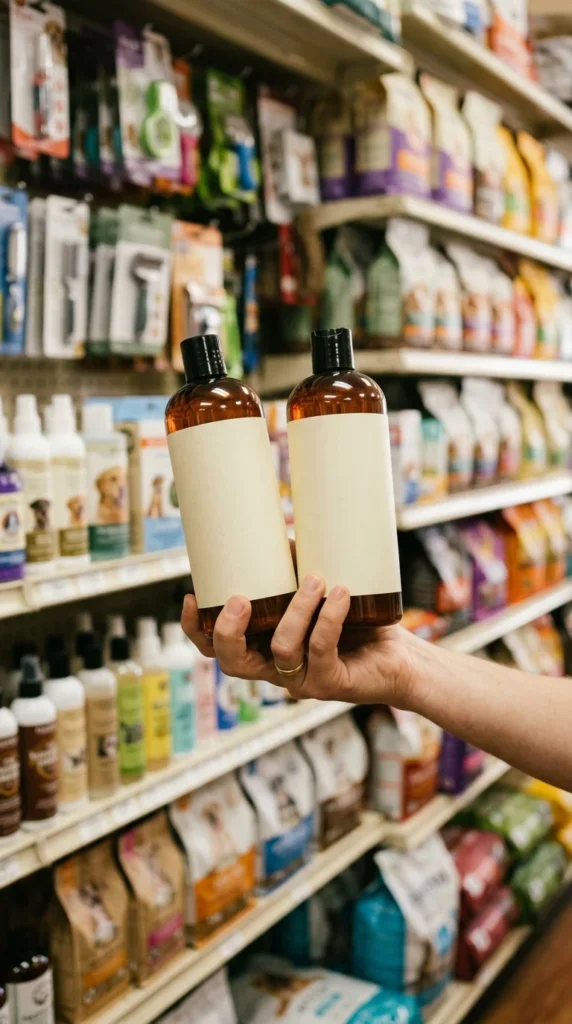
How to Read a Dog Shampoo Label
Labels are marketing as much as information. Here’s what’s actually worth checking.
- Made for dogs. The label should clearly say it’s formulated for dogs, ideally pH-balanced for canine skin.
- Soap-free. Soap tends to be more alkaline and can strip natural oils. Detergent-based, soap-free formulas are generally gentler on dog skin.
- Life stage. Puppies have delicate skin. Look for a product labeled safe for puppies and check the minimum age.
- Intended purpose. Everyday cleaning, deodorizing, deshedding, and medicated formulas are different products. Don’t use a medicated shampoo unless your veterinarian recommended it.
- Directions. Good products explain how much to use and how long to leave it on. Follow them.
AKC, “Finding the Right Shampoo for Your Dog”: https://www.akc.org/expert-advice/health/dog-shampoos/
Ingredients: What to Look For and What to Be Careful With
Commonly used gentle ingredients
Oatmeal, aloe vera, and glycerin appear in many shampoos made for dry or sensitive skin. They’re popular because they’re generally mild, though no ingredient works for every dog. Test a new product on a small area first if your dog has a history of sensitivity.
Ingredients to be careful with
- Heavy fragrance and dyes: They add nothing to cleaning and can irritate sensitive skin.
- Essential oils: Some are toxic to dogs. The AKC advises caution with them, particularly in homemade shampoo recipes.
- Harsh detergents: Extra-strong degreasing formulas can leave skin dry.
“Natural” and “organic” are not regulated claims on most dog shampoos, so don’t rely on those words alone. Read what’s actually in the bottle.
AKC, “How to Make Homemade Dog Shampoo” (essential oil caution): https://www.akc.org/expert-advice/health/easy-natural-homemade-dog-shampoo/
Special Situations
Puppies
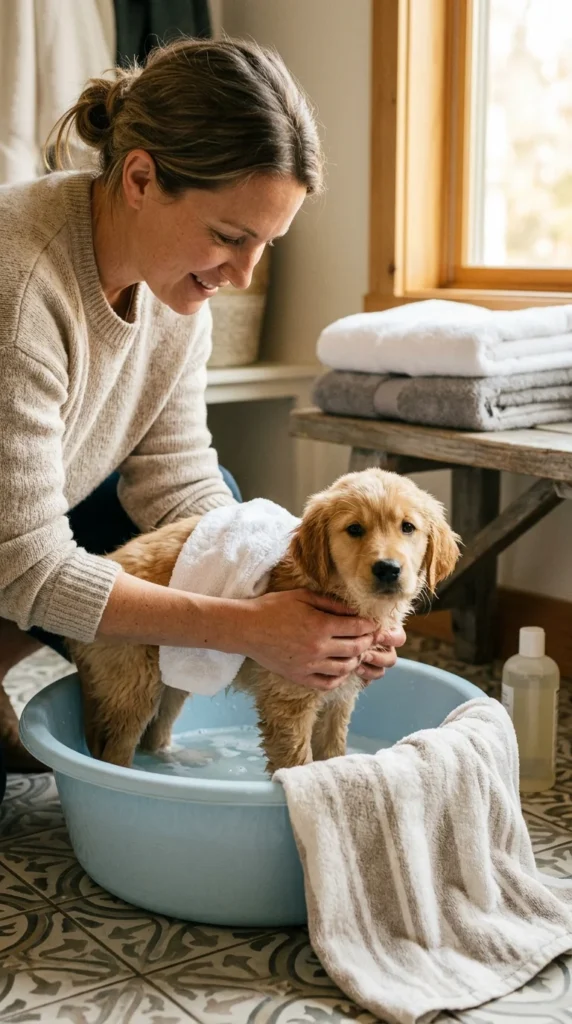
Puppies don’t need frequent baths, but they will get dirty. Choose a mild, tear-free formula labeled for puppies and keep the bath short and warm. Make it a calm experience, because early bath experiences shape how your dog feels about grooming later.
Senior dogs
Older dogs may have thinner coats, stiff joints, and more sensitive skin. Gentle, moisturizing shampoos are usually a better fit, and a non-slip mat and a calm routine make bath time easier on the body.
Dogs on flea and tick treatment
Some bathing products can affect topical flea and tick treatments. Check your treatment’s label for guidance on when it’s safe to bathe your dog, and ask your veterinarian if the instructions aren’t clear.
Dogs with skin conditions
If your dog has chronic itching, hot spots, recurring ear or skin infections, or a diagnosed skin condition, your veterinarian may recommend a medicated shampoo. These are treatments with specific directions, so use them exactly as instructed instead of picking one yourself.
Common Shampoo Mistakes to Avoid
- Using human or baby shampoo. It isn’t formulated for canine skin.
- Bathing too often. Overwashing can dry out the skin and coat, even with a gentle product. How often depends on coat, activity level, and skin health.
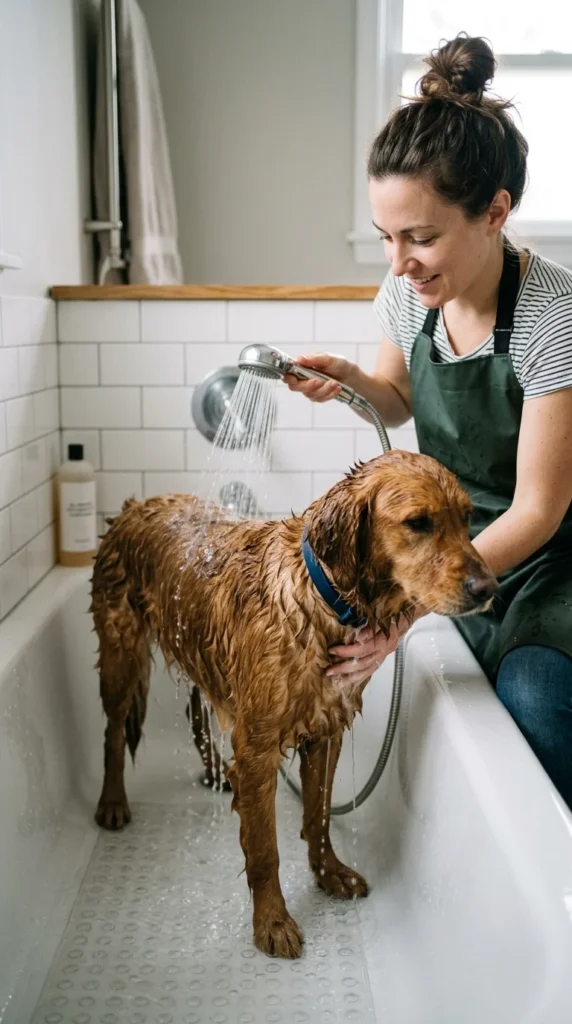
- Not rinsing enough. Leftover shampoo is a common cause of itchy, flaky skin. Rinse until the water runs clear, then rinse a little more.
- Getting shampoo in the eyes, ears, or mouth. Keep the product away from your dog’s face and wash the head carefully with a damp cloth.
- Switching products constantly. If something works, you don’t need to chase the next trend.
- Buying by scent or packaging. What smells nice to you may bother a dog’s sensitive nose.
How to Test a New Shampoo Safely
- Brush your dog and remove tangles before the bath.
- Use lukewarm water, never hot.
- Apply a small amount, work it into a lather, and avoid the face.
- Follow the label’s contact time, then rinse thoroughly.
- Dry your dog completely with towels, or a dryer on a low, cool setting if your dog tolerates it.
- Watch your dog’s skin over the next day or two for redness, scratching, or flaking.
If you see signs of irritation, stop using the product and contact your veterinarian if the symptoms don’t clear quickly.
When to Ask Your Veterinarian First
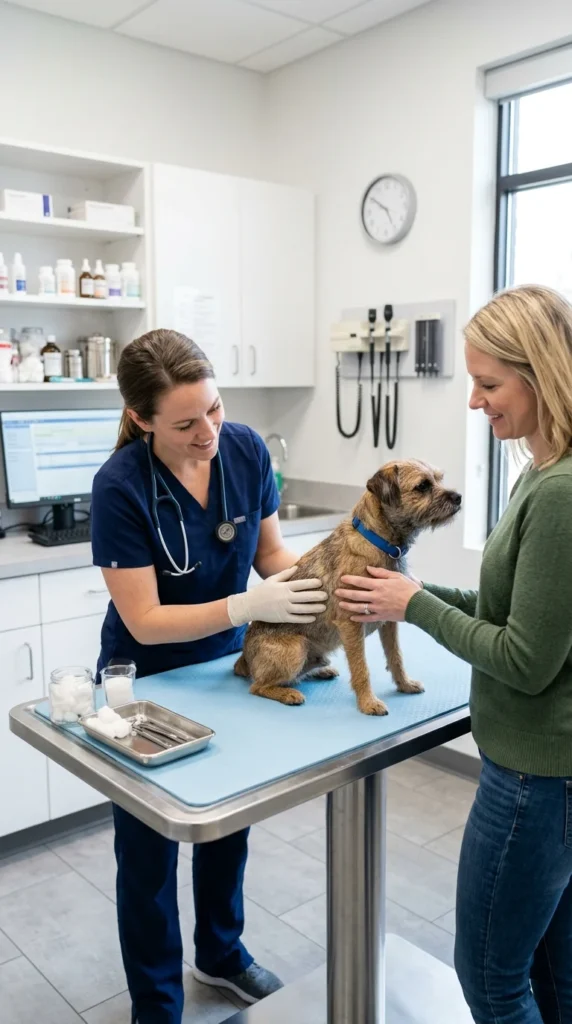
Shampoo is routine grooming, but some situations call for professional input before you buy anything:
- Persistent itching, redness, or hair loss
- Open sores, scabs, or a strong odor that returns soon after bathing
- Repeated ear infections
- Suspected fleas, mites, or other parasites
- A reaction after using a new product
Contact a veterinarian promptly if your dog shows swelling of the face, difficulty breathing, or widespread hives after a bath. This information is general guidance and isn’t a substitute for professional veterinary advice.
You can also check more Dog care blogs: https://dogsdailycare.com/category/dog-care/
Frequently Asked Questions
Can I use human shampoo on my dog?
It’s not recommended. Human shampoo is formulated for human skin, and repeated use can dry out a dog’s coat and irritate the skin. Choose a product made for dogs.
Is baby shampoo safe for dogs?
Baby shampoo is still a human product, so it’s not the best option. It’s better to keep a dog-specific shampoo on hand.
What is the best dog shampoo for sensitive skin?
Look for a gentle, soap-free, fragrance-free or hypoallergenic formula made for dogs. If your dog’s skin is red or itchy, ask your veterinarian before trying products on your own.
Do I need a different shampoo for each coat type?
Not always. Many dogs do well with a mild, general-purpose dog shampoo. Long, curly, or double coats may benefit from a conditioner or a formula designed for that coat.
How do I know if a shampoo isn’t working for my dog?
Signs include dry or flaky skin, excessive scratching, redness, a dull coat, or an odor that returns quickly. Stop using the product and consult your veterinarian if the problem continues.
Are puppy shampoos different from regular dog shampoos?
Puppy shampoos are usually formulated to be milder. Check the label for the recommended minimum age and ask your veterinarian if you’re unsure.
Final Thoughts
The best dog shampoo is the one that fits your dog: a dog-specific, gentle formula matched to coat type and skin, used correctly and rinsed thoroughly. Start simple, watch how your dog’s skin and coat respond, and ask your veterinarian or groomer when something doesn’t look right. Your next step is to check your dog’s current shampoo label against the points above.