
Table of Contents
Trimming your dog’s nails can feel scary. You worry about hurting your dog, and your dog worries about the clippers. That’s a tough combo.
The good news is that you can trim your dog’s nails without the stress. The key is to go slowly, cut tiny bits, and make the whole thing feel rewarding. Most dogs can learn to accept it, and many owners can do it at home with a little practice.
This guide covers what you need, how to trim safely, and how to handle dark nails and dewclaws. You’ll also learn what to do if you cut the quick, and when to ask for help.
The Short Answer: How to Trim Dog Nails Stress-Free
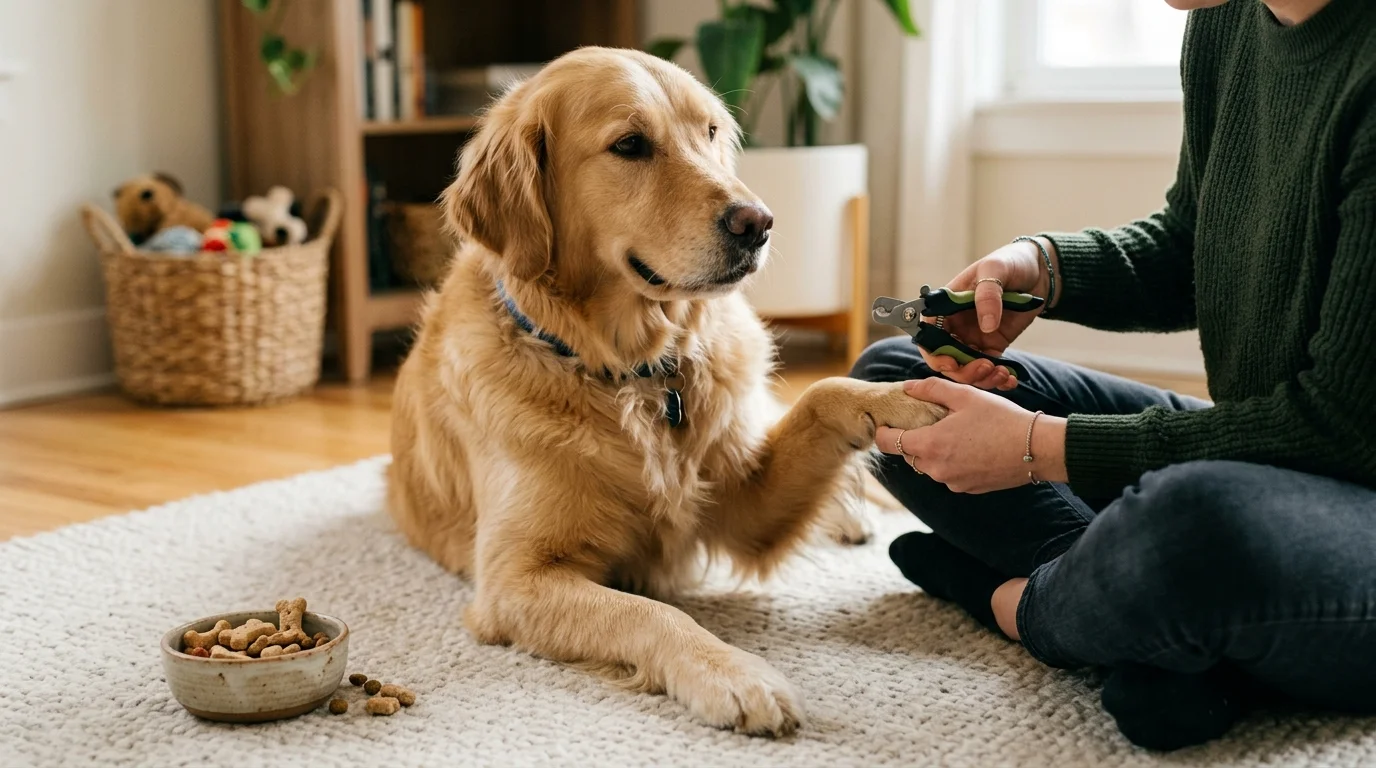
To trim your dog’s nails with less stress, get your dog used to the clippers first. Pick a calm moment, hold one paw gently, and clip only the tip of the nail. Reward your dog often. Stop if either of you gets upset, and try again later.
Short, calm sessions work better than one long, tense one. One or two nails is a fine start.
What You Need Before You Start
Set up everything before you pick up a paw. A dog can sense when you’re rushed.
You’ll want:
- Dog nail clippers or a nail grinder. Use tools made for dogs, in a size that fits your dog. The American Kennel Club (AKC) says you can use whichever type you’re most comfortable with or whichever works best for your dog. akc
- Styptic powder. This clotting powder stops bleeding if you cut a nail too short. Cornstarch can also help in a pinch.
- Tasty treats. Small, soft treats work best.
- Good light. You need to see the nail clearly.
- A helper (optional). One person can hold treats while the other trims.
Clippers come in two common styles: scissor-type and guillotine-type. Neither is “best.” Choose the one that feels steady in your hand. Sharp blades matter more than style, because dull clippers can crush the nail.
Understand the Quick Before You Cut
Inside each nail is the quick. It’s a small area with blood vessels and nerves.
If you clip into it, it hurts and it bleeds. That painful moment is a big reason dogs start to fear nail trims.
On light or clear nails, the quick looks pink. On dark nails, you can’t see it. That’s why small cuts matter so much.
Nails that are kept short tend to have a shorter quick over time. That’s one reason regular trims get easier.
Step 1: Get Your Dog Comfortable With the Tools
Don’t start with the clippers in your hand. Start with the idea that clippers are no big deal.
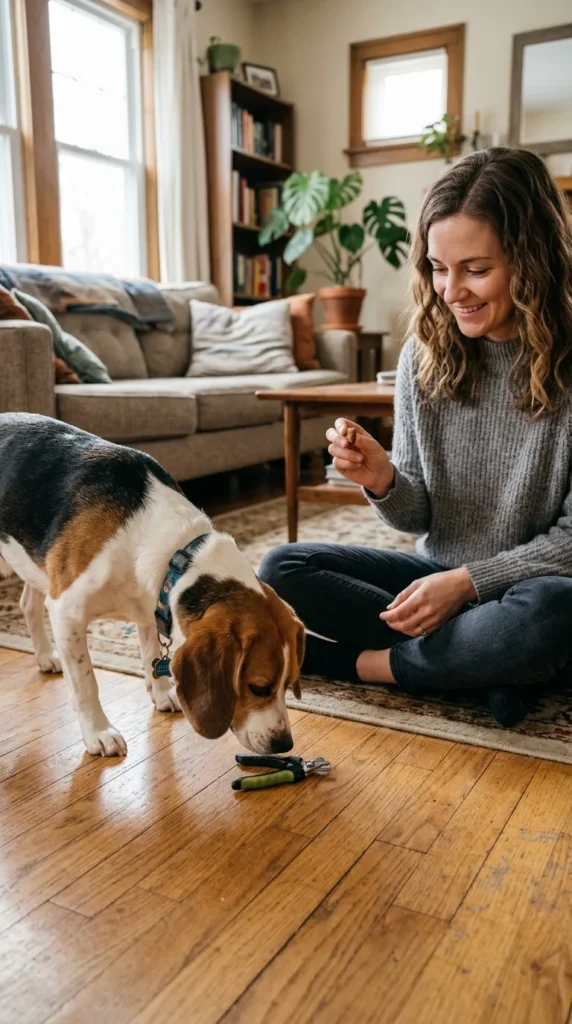
Here’s an easy way to do it:
- Set the clippers on the floor and let your dog sniff them.
- Give a treat when your dog looks at or sniffs them.
- Click the clippers a few times, then give a treat.
- Touch the clippers to a paw without cutting. Give a treat.
Do this over several days if your dog seems nervous. Pairing the clippers with tasty treats helps your dog get used to their look and sound. petmd
If you plan to use a grinder, do the same thing with the sound and the vibration. Turn it on across the room first, then move closer over time.
Step 2: Practice Paw Handling
Many dogs don’t like having their feet touched. That’s normal. Paws are sensitive.
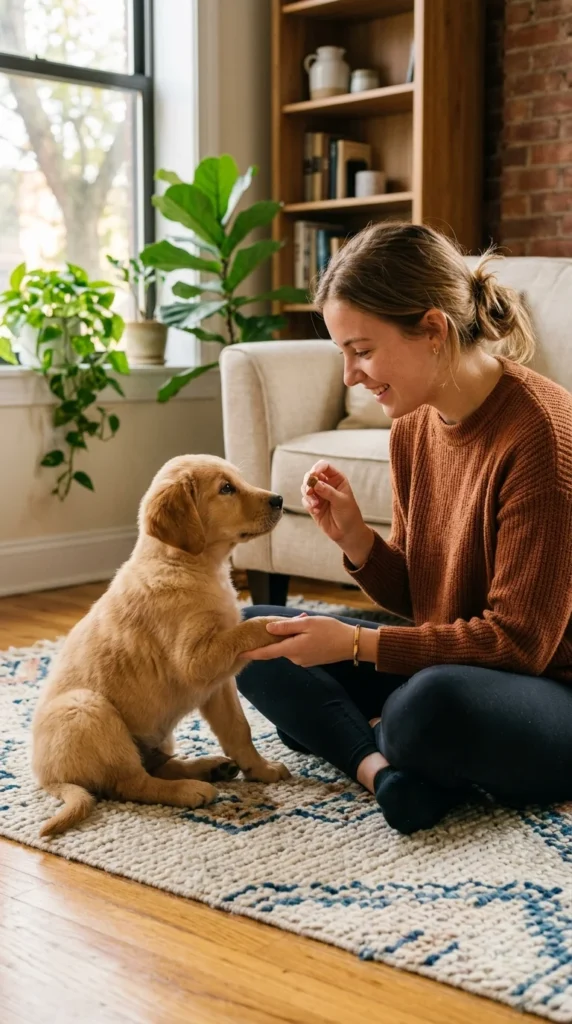
Spend a few minutes each day holding your dog’s paws. Gently press on a toe, then give a treat. Keep it short and happy.
Starting early makes a big difference. The AKC recommends handling your dog’s paws early to prevent fear of nail trims. Puppies can start right away. But adult dogs can learn too. It just takes more patience. akc
Step 3: Pick the Right Time and Place
Choose a time when your dog is relaxed. After a walk or a play session is often a good choice.
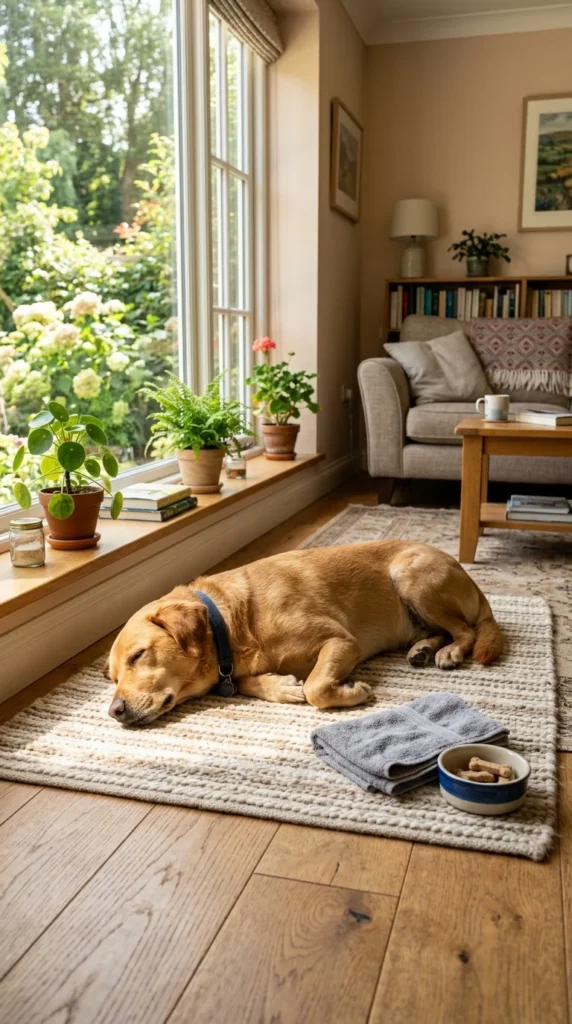
Avoid trimming when your dog is wound up or you’re in a hurry. Purdue’s canine welfare program suggests picking a calm time and letting your dog choose whether to sit, stand, or lie down. purdue
A quiet spot with good light works best. Small dogs can sit on your lap or a steady surface. Larger dogs may be more comfortable on the floor, on a mat or towel.
Step 4: Trim the Nails Safely
Now for the trim itself. Take it one nail at a time.
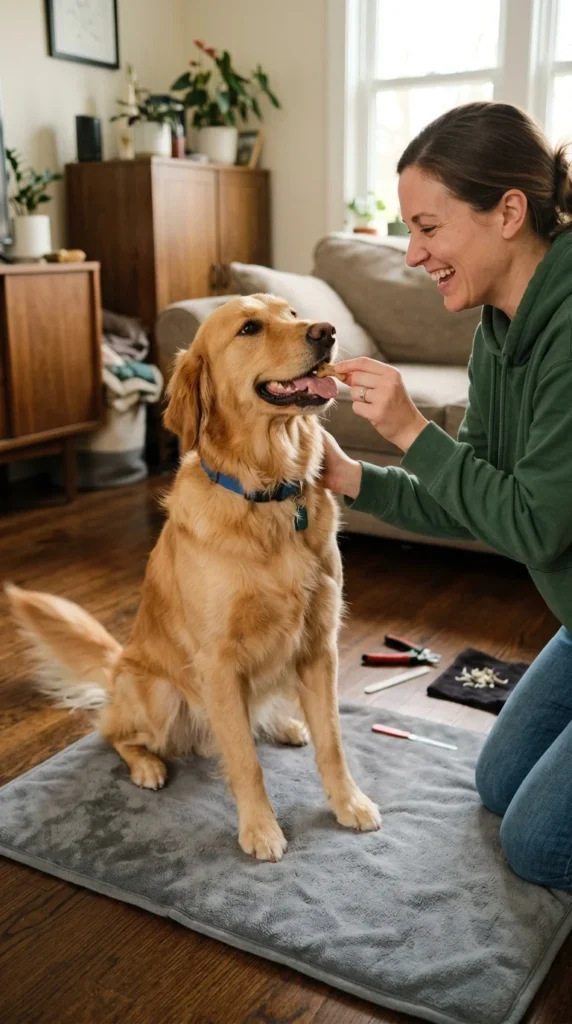
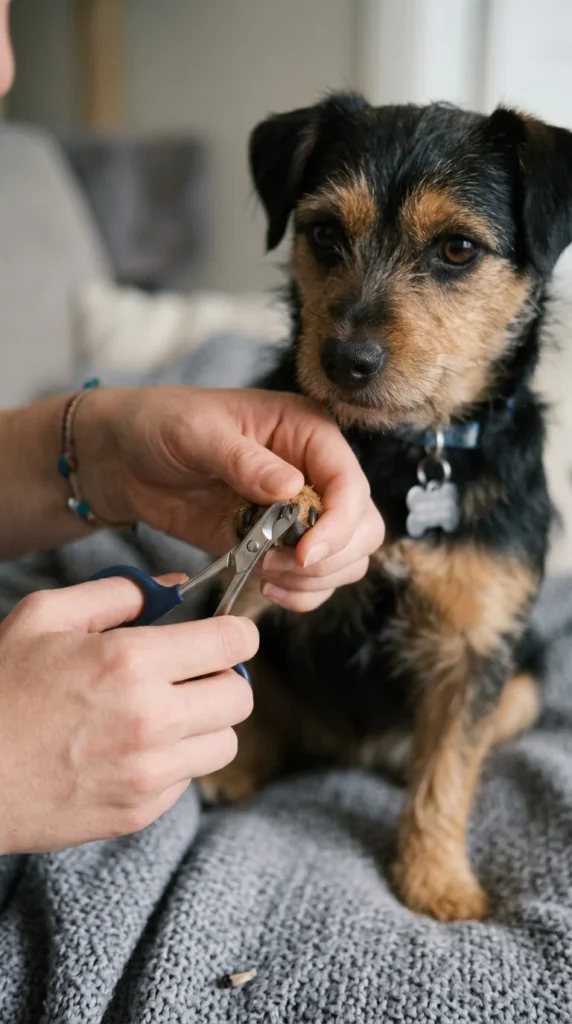
- Hold the paw gently. Place your thumb on the paw pad and your finger on top of the toe. Move any fur out of the way.
- Extend the nail. Push slightly on the pad so the nail comes forward.
- Clip a tiny piece. Cut only the tip. Follow the natural curve of the nail.
- Check the nail. Look at the cut end after each snip.
- Reward right away. Give a treat and some praise.
- Move to the next nail. Stop when your dog needs a break.
The most important rule is to take off small amounts. It’s much safer to make three tiny cuts than one big one.
If you’ve never done this before, it’s smart to get a lesson first. The AKC’s chief veterinarian suggests asking your vet or a vet tech to show you how. Groomers can also demonstrate. akc
It’s Okay to Do Just One Nail
You don’t have to finish all the nails in one sitting. Purdue’s guide says it’s fine to do only one or two nails at a time and try again later. purdue
Many owners do one paw per day. Over time, most dogs can handle more.
How to Trim Black or Dark Nails
Dark nails are harder because you can’t see the quick. Go extra slowly.
Here are some tips:
- Clip very small pieces, about one tiny sliver at a time.
- Look at the cut end after each snip. On many dark nails, you may see a small dark or chalky spot in the center as you get closer to the quick. That’s a sign to stop.
- Use bright light or a flashlight to see the nail better.
- Consider a grinder, which lets you remove nail bit by bit.
Every dog is different, so the quick’s exact position varies. When in doubt, cut less.
Don’t Forget the Dewclaws
Dewclaws are the extra nails on the inside of the leg. Some dogs have them on the front legs only. Others have them on the back legs too.
Dewclaws don’t touch the ground much, so they don’t wear down. That means they can grow long and even curl into the skin. The AKC lists the dewclaws as part of a normal nail trim. akc
Check them each time you trim. If a dewclaw has grown into the skin, don’t try to fix it yourself. Call your vet.
Clippers vs. Grinders: Which Is Less Stressful?
Both tools work. The best one is the one your dog accepts.
| Clippers | Grinders | |
| How it works | Snips off the nail tip | Sands the nail down slowly |
| Speed | Fast | Slower |
| Noise | Quiet, with a small click | Buzzing sound and vibration |
| Good for | Dogs that dislike noise | Dogs that dislike the “squeeze” of clippers |
| Watch out for | Cutting too much at once | Heat from friction and long fur getting caught |
Some dogs hate the clicking. Others hate the buzzing. If one tool doesn’t work, try the other. The AKC notes that grinders can help smooth nails and may reduce trimming anxiety for some dogs. akc
With a grinder, keep it moving. Staying on one nail too long can make it warm and uncomfortable. Trim long hair around the toes first so it doesn’t get tangled.
How Often Should You Trim Your Dog’s Nails?
There’s no single schedule for every dog. The AKC says most dogs need a trim every three to four weeks, depending on activity and nail growth. Purdue’s guide says most dogs benefit from about a monthly trim. akcpurdue
Dogs that walk a lot on pavement may wear their nails down naturally. Dogs that mostly walk on grass or stay indoors often need more frequent trims.
Here’s a simple test. If you hear your dog’s nails clicking on hard floors, they’re probably due for a trim.
What to Do If You Cut the Quick
It happens to almost every owner at some point. Don’t panic. Your dog will pick up on your mood.
Follow these steps:
- Stay calm and speak in a soft voice.
- Apply styptic powder to the nail tip. Purdue’s guide says styptic powder or cornstarch can stop the bleeding. purdue
- Hold gentle pressure on the nail for a few minutes.
- Give a treat and let your dog relax.
- Skip the rest of the nails for today. Try again another day.
If the bleeding doesn’t stop after several minutes, call your veterinarian. Also call if the nail looks torn or your dog seems to be in a lot of pain. petmd
Keep the powder within reach every time you trim. Having it ready helps you feel calmer.
You can also check Dog Breeds: https://dogsdailycare.com/category/dog-breeds/
Common Nail-Trimming Mistakes
A few small habits can make nail trims harder than they need to be.
- Cutting too much at once. Small snips are safer.
- Rushing. A hurried trim often ends with a scared dog.
- Using dull clippers. They can crush or split the nail.
- Forcing it. Holding a frightened dog down can make the fear worse.
- Skipping treats. Rewards teach your dog that trims lead to good things.
- Waiting too long between trims. Longer nails have longer quicks, which makes trimming trickier.
- Forgetting the dewclaws. They’re easy to miss.
When to Ask a Vet or Groomer for Help
Some dogs need extra support. That’s not a failure on your part.
Ask a professional if:
- Your dog freezes, tries to bite, or panics during trims. Purdue’s guide says to stop and ask your veterinarian for help if your dog shows these signs of stress. purdue
- Your dog’s nails are very overgrown.
- A nail looks cracked, infected, or grown into the paw pad.
- You’re not confident in your technique.
A vet or groomer can show you the right way to trim. Some vets can also talk with you about ways to help an anxious dog feel safer.
FAQs
Is it okay to trim my dog’s nails at home?
Yes, many owners do it safely at home. It helps to get a quick lesson from a vet, vet tech, or groomer first. Go slowly and take off very small amounts.
What is the best way to calm a dog for nail trimming?
Use treats, short sessions, and a calm setting. Get your dog used to the tools and paw handling beforehand. If your dog is very anxious, ask your vet for advice.
How do I trim a dog’s nails if my dog won’t sit still?
Try doing one nail at a time. A helper can give treats while you trim. Some dogs do better lying down, so let your dog pick a comfortable position.
Can I trim my puppy’s nails?
Yes. Starting early helps puppies get used to it. The AKC says early nail care helps puppies grow into adults who are comfortable with trims. Use clippers sized for small paws and keep sessions very short. akc
What happens if I never trim my dog’s nails?
Nails can grow long and may make walking uncomfortable. Very long nails can also curl and dig into the paw pad. If nails are already overgrown, ask your vet or groomer for help.
Should I use a nail grinder or clippers?
Either can work. Clippers are quick and quiet. Grinders let you take off tiny amounts, which some owners find easier, especially for dark nails. Try both if your dog is nervous.
Can I use human nail clippers on my dog?
It’s best to use tools made for dogs. Dog nails are thicker and shaped differently, so human clippers can crush or split them.
The Bottom Line
Nail trims don’t have to be a battle. Go slow, use treats, and clip only tiny pieces at a time. Keep styptic powder nearby, so a small slip doesn’t turn into a big worry.
Every dog learns at their own pace. If your dog is very nervous or the nails are overgrown, your vet or groomer can help you get back on track.