Learning how to switch dog food with a sensitive stomach takes patience. Some dogs develop loose stools, gas, or vomiting when their meals change too quickly. A slow transition may help reduce digestive upset. The key is to choose a suitable new food, introduce it gradually, and watch how your dog responds. However, digestive symptoms can have causes other than food, so do not assume every problem is a simple stomach sensitivity. In this guide, you will learn how to transition dog food, what signs to monitor, and when to contact your veterinarian.
Table of Contents
Why Do Dogs With Sensitive Stomachs Need a Slow Food Transition?
Dogs can react differently when their usual food changes. A new recipe may contain different protein sources, fat levels, fiber, or other ingredients. A sudden switch can make the transition harder for some dogs.
Common signs of digestive upset include:
- Soft stools or diarrhea.
- More gas than usual.
- Vomiting.
- Reduced interest in food.
- Changes in normal bowel movements.
These symptoms do not always mean the new food is unsuitable. They may also result from infection, parasites, stress, food intolerance, or another health problem.
Dogs with a history of digestive trouble may need a slower transition than dogs that tolerate food changes easily. Ask your veterinarian for a personalized schedule if your dog has ongoing symptoms or a diagnosed condition.
How to Switch Dog Food With a Sensitive Stomach
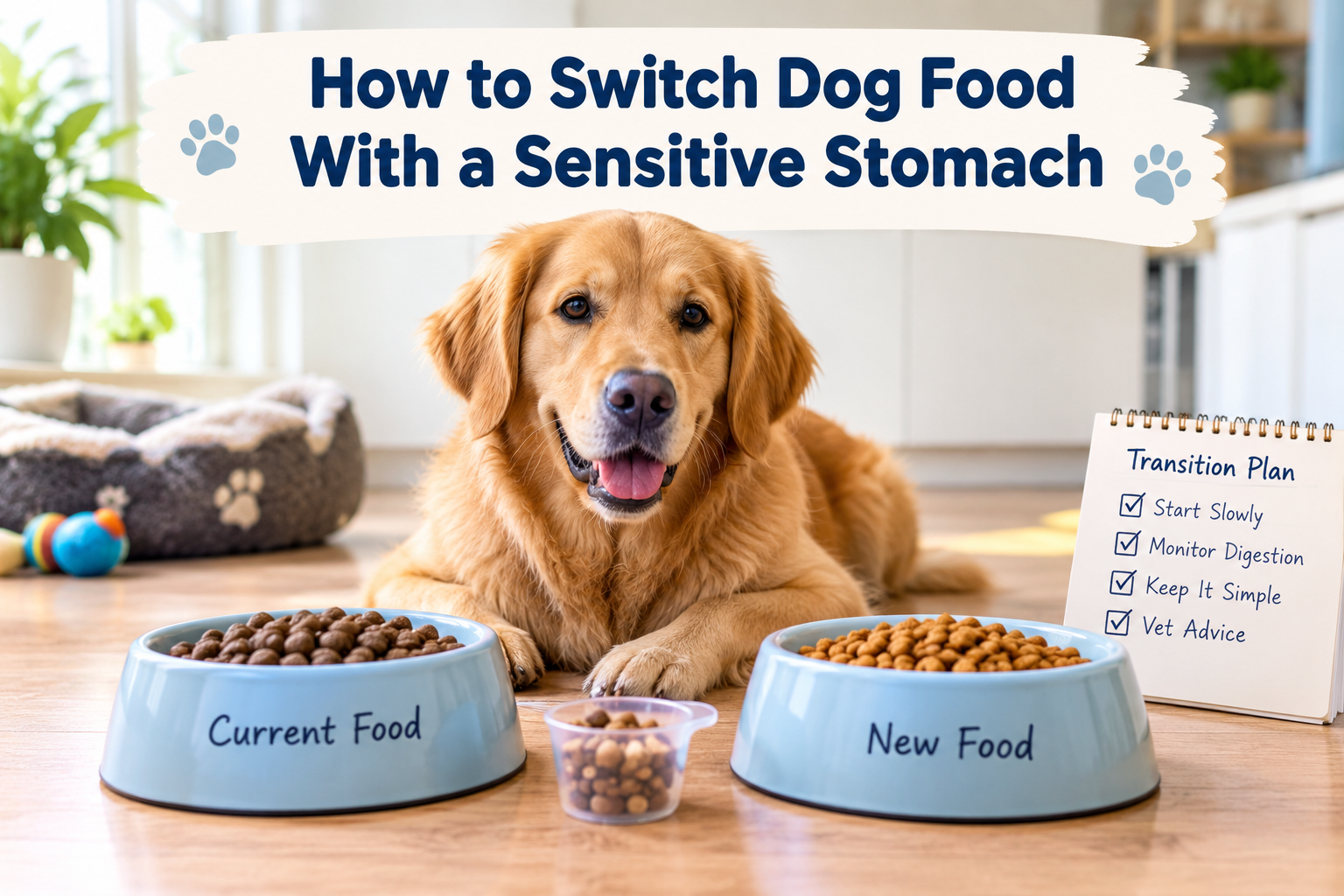
Whenever possible, change your dog’s food gradually. A transition lasting 10 to 14 days can be a reasonable starting point for a dog with a sensitive stomach. Some dogs need even longer, depending on their health and response.
The following schedule is a general example, not a rule for every dog. Your veterinarian may recommend a different plan.
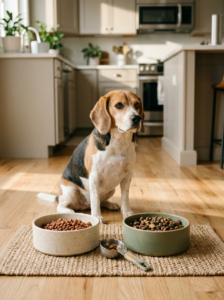
Days 1–3: Introduce a Small Amount of New Food
Begin with about 10% new food and 90% old food. Mix the foods so your dog receives only a small amount of the new recipe.
Keep meal times and portions consistent. Watch your dog’s appetite and stool quality before increasing the amount.
Keep both foods fresh during the transition: read how to store dog food in its original bag.
Days 4–6: Increase the New Food Slowly
If your dog is eating comfortably and their stools remain normal, try about 25% new food and 75% old food.
Do not rush to the next step if your dog develops digestive symptoms. Contact your veterinarian if symptoms appear or worsen.
Days 7–9: Move Toward an Even Mix
If your dog is tolerating the change, offer about 50% new food and 50% old food.
Continue to monitor appetite, stool consistency, energy, and comfort. A daily note can help you spot patterns and explain them to your veterinarian.
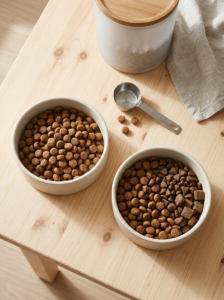
Days 10–12: Increase the New Food
If everything is going well, try about 75% new food and 25% old food.
Keep the amount of food appropriate for your dog’s needs. Different recipes may contain different calories, so do not assume the same scoop size always provides the same energy.
Days 13–14: Complete the Transition if Tolerated
If your dog is doing well, you can move to 100% new food. Some dogs with sensitive stomachs need a longer transition, so take extra time if your veterinarian recommends it.
Do not force the schedule if your dog develops vomiting, diarrhea, or a loss of appetite. Pause the transition and ask your veterinarian what to do next.
Dog Food Transition Schedule
| Days | Old Food | New Food |
| 1–3 | 90% | 10% |
| 4–6 | 75% | 25% |
| 7–9 | 50% | 50% |
| 10–12 | 25% | 75% |
| 13–14 | 0% | 100% |
This schedule is intended for gradual transitions when a veterinarian has not advised a different plan. It may need to be adjusted for your dog.
How to Choose Food for a Dog With a Sensitive Stomach
The best food depends on why your dog has digestive trouble. There is no single recipe that works for every dog with a sensitive stomach.
Look for Complete and Balanced Nutrition
Choose a food with a suitable nutritional adequacy statement for your dog’s life stage. The FDA explains the “complete and balanced” label. Puppies, adults, and senior dogs can have different nutritional needs.
Ask your veterinarian which food type is suitable if your dog has recurring digestive symptoms or another medical condition.
Ask Whether a Digestible Diet Is Appropriate
Some dogs benefit from a highly digestible diet. Others may need a specific fiber level, a different protein source, or a veterinary therapeutic diet. Do not assume that a limited-ingredient or grain-free food is automatically better. The right choice depends on your dog’s symptoms and nutritional needs.

Consider Food Allergies or Intolerances
Food-related problems can sometimes cause digestive signs, itching, or recurring skin issues. However, these symptoms can also have other causes.
If your veterinarian suspects a food allergy, they may recommend a structured elimination diet. Follow their instructions closely instead of changing several ingredients at once.
Tips to Make the Transition Easier
- Keep meals consistent: Feed at regular times and measure portions carefully.
- Avoid adding several new foods: Extra treats, toppers, and table scraps can make it harder to identify what is causing a reaction.
- Provide fresh water: Make clean drinking water available throughout the day.
- Store food correctly: Follow the package instructions to help maintain freshness.
- Keep a food diary: Record the food amounts, transition dates, appetite, and stool changes.
- Follow veterinary instructions: Prescription diets and medically necessary changes may require a specific plan.
What If Your Dog Develops Diarrhea During the Transition?
If your dog develops loose stools, do not keep increasing the new food automatically. Contact your veterinarian for advice, especially if your dog has a history of digestive problems.

Your veterinarian may recommend slowing the transition, reviewing the food choice, or checking for another cause. Do not start human medicines or supplements without veterinary guidance.
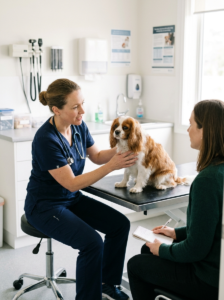
Seek prompt veterinary care if your dog has repeated vomiting, repeated watery stools, blood in the stool, marked weakness, or difficulty keeping water down. Severe illness or a swollen abdomen with repeated unsuccessful attempts to vomit needs emergency attention.
Puppies, older dogs, and dogs with existing health conditions may need earlier assessment because digestive problems can affect them more seriously.
Common Mistakes to Avoid When Switching Dog Food
Changing the Food Too Quickly
A sudden change can be difficult for some dogs to tolerate. Unless your veterinarian recommends an immediate switch, introduce the new food gradually.
Changing Several Things at Once
Switching food while adding new treats and toppers makes it harder to identify the cause of digestive symptoms. Keep the diet simple during the transition.
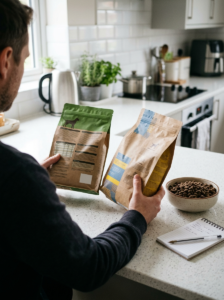
Assuming Every Symptom Comes From Food
Digestive trouble can have many causes. If symptoms persist or return often, ask your veterinarian to investigate rather than repeatedly trying different foods.
Ignoring Changes in Appetite or Energy
A dog that stops eating, becomes unusually tired, or seems uncomfortable may need medical attention. Do not treat these signs as ordinary pickiness.
Frequently Asked Questions
How long should I take to switch dog food for a sensitive stomach?
A gradual transition over 10 to 14 days may be a useful starting point. Some dogs need a slower plan, particularly if they have a history of digestive upset. Your veterinarian can recommend the right pace.
Should I stop the new food if my dog has diarrhea?
Do not keep increasing the new food without advice. Contact your veterinarian to discuss whether to pause the transition, return to the previous food, or investigate another cause.
Can I mix old and new dog food?
Yes, gradual mixing is a common way to introduce a new food. Use measured portions and follow any instructions from your veterinarian, especially if your dog is changing to a prescription diet.
What is the best dog food for a sensitive stomach?
There is no single best food for every dog. The right choice depends on the dog’s age, symptoms, health history, and nutritional needs. Ask your veterinarian before choosing a therapeutic diet.
When should I call the veterinarian?
Contact your veterinarian if digestive symptoms persist, recur, or worsen. Seek prompt care for repeated vomiting, frequent watery diarrhea, blood in the stool, weakness, or difficulty drinking. Severe symptoms may require emergency care.
Final Thoughts
Knowing how to switch dog food with a sensitive stomach can help make mealtime changes less stressful. Start slowly, measure each portion, and watch your dog’s response throughout the transition.
Remember that a gradual schedule is only a starting point. If your dog has ongoing digestive symptoms, a food allergy, or a medical condition, ask your veterinarian for a suitable diet and transition plan.
The goal is not simply to find a new food. It is to support your dog’s long-term health with nutrition that meets their individual needs.