
Finding the best dog breeds for apartments means looking beyond physical size. A dog’s daily exercise needs, barking habits, temperament, grooming requirements, and ability to relax indoors matter more than square footage alone.
Miniature Poodles, Cavaliers, Greyhounds, Bichon Frises, Shih Tzus, and Whippets can all adapt to apartment life when their individual needs are met. Even a quiet breed still needs regular walks, companionship, training, and mental stimulation.
Before choosing a dog, check your building’s pet policies and think honestly about your schedule. For more breed guides and practical resources, visit the Dogs Daily Care homepage.
Table of Contents
Miniature Poodle Breed
At about 10 to 15 inches tall, Miniature Poodles can fit comfortably into smaller homes. Their size is convenient, but their intelligence and energy mean they still need an active daily routine.
Plan for regular walks, indoor play, and interactive activities such as treat puzzles or training games. Without enough activity and enrichment, some Poodles become restless or develop unwanted habits.
Many Miniature Poodles are alert to hallway sounds and visitors. Reward calm behavior and teach a quiet cue rather than expecting a naturally silent dog.
Their curly, low-shedding coats are a plus for many apartment owners, but regular grooming is essential. Brush and comb thoroughly to prevent tangles, and arrange professional trimming on a schedule suited to your dog’s coat.
- Schedule professional clipping every 4 to 6 weeks to prevent painful matting.
- Commit to daily brushing with a slicker brush and steel comb.
- Use reward-based training sessions to build reliable impulse control.
Miniature Poodles often enjoy reward-based training. They are a strong fit for owners who can provide mental challenges, consistent grooming, and daily exercise.
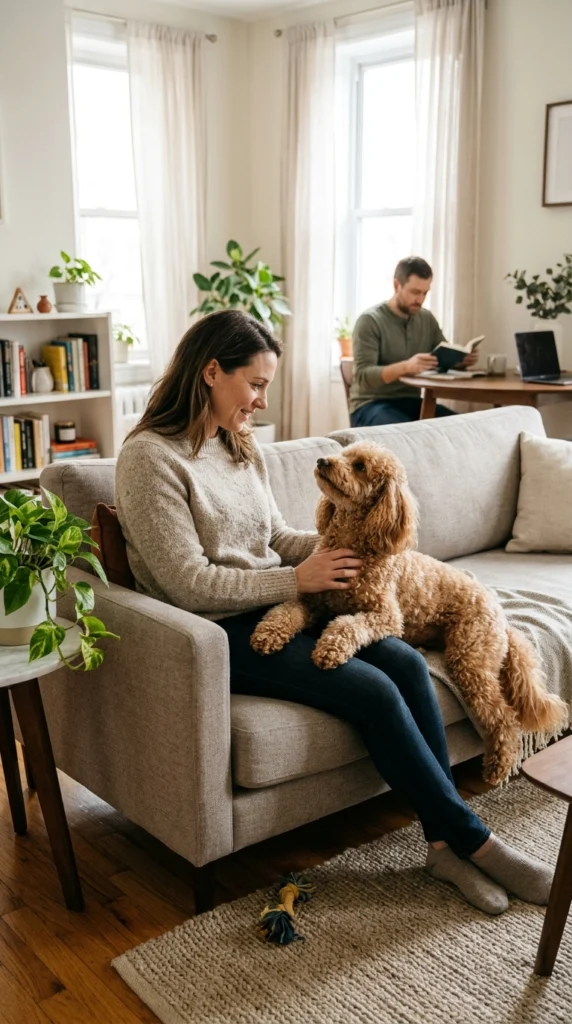
Cavalier King Charles Spaniel
Typically weighing 13 to 18 pounds, the Cavalier King Charles Spaniel is an affectionate companion that can suit apartment life. Many Cavaliers prefer staying close to their people, so a household with plenty of companionship can be a good match.
Daily walks and gentle indoor play can support a Cavalier’s routine. Individual exercise needs depend on age, fitness, and health.
Responsible owners must prioritize specific health considerations inherent to the breed:
- Schedule regular auscultations with your veterinarian to monitor for mitral valve disease, a common heart condition in Cavaliers.
- Maintain a lean weight through portion-controlled meals to reduce unnecessary strain on the cardiovascular system.
- Check their long, silky ears weekly and keep them clean to prevent moisture buildup and potential infections.
Cavaliers may find long periods alone difficult. Gradually practice comfortable alone time, and choose responsible breeders who provide appropriate health screening, especially for inherited heart concerns.
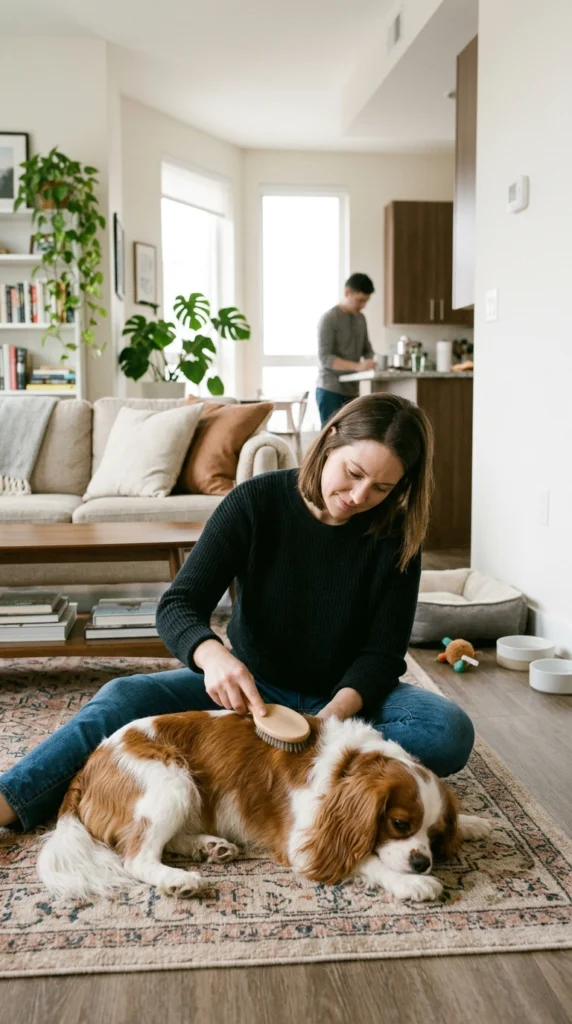
Greyhound Breed
Greyhounds may look like unlikely apartment dogs because of their height and athletic build. Yet many adults enjoy long stretches of rest indoors and can be gentle, relaxed companions in smaller homes.
The important distinction is that calm indoors does not mean no exercise. Greyhounds need regular leash walks and safe opportunities to run in a securely fenced area. Their strong chase instinct means they should not be let loose in unfenced spaces, even if they seem obedient at home.
They have short, easy-care coats, but their slim bodies benefit from soft bedding and protection from very cold weather. A large dog also needs enough room to stretch out comfortably and navigate hallways and elevators without stress.
Training should be gentle and reward-based. Practice calm elevator exits, polite greetings, and walking past other dogs. If you plan to adopt a retired racing Greyhound, ask the rescue about the individual dog’s experience with stairs, small animals, and apartment noises.
- Exercise: Daily walks plus safe, enclosed running opportunities appropriate to the dog’s health.
- Grooming: Weekly brushing or a gentle wipe-down, regular nail care, and dental hygiene.
- Apartment watch-out: Prey drive, building weight restrictions, slippery floors, and limited space for a full-size dog bed.
For further breed-specific guidance, see the American Kennel Club Greyhound profile. A Greyhound can be an excellent fit when you can meet their movement and safety needs, not simply because they enjoy lounging.
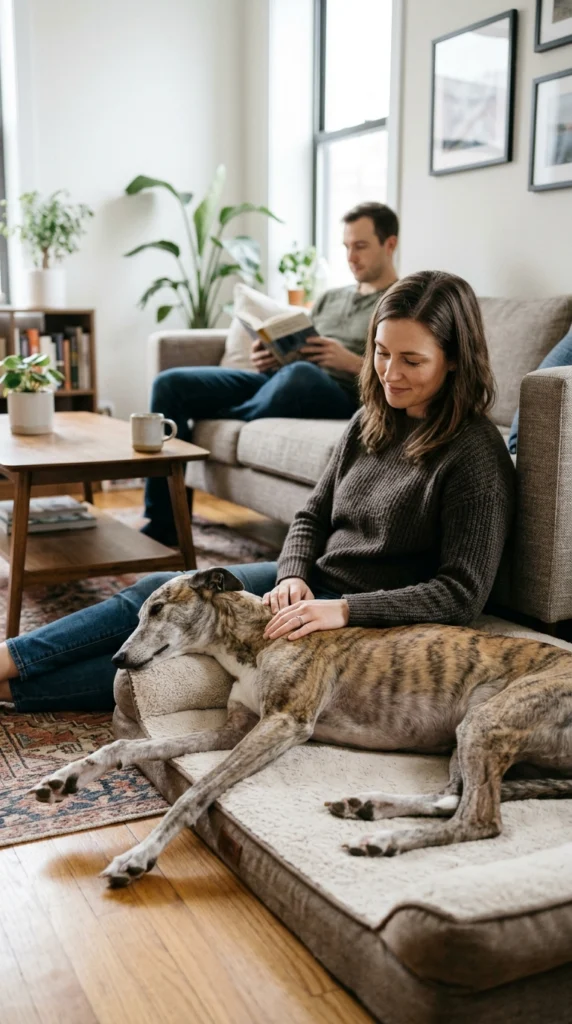
Bichon Frise Breed
The cheerful Bichon Frise is a small, social companion that often adjusts well to apartment life. Typically weighing about 12 to 18 pounds, a Bichon can enjoy a modest home as long as daily attention and activity are part of the routine.
Do not mistake their small size for a lack of energy. Bichons enjoy walks, short play sessions, and indoor games that let them use their minds. Teach a calm routine for visitors and reward quiet responses to hallway sounds; individual dogs can still become vocal when bored or excited.
Coat care is the main commitment. Their fluffy, low-shedding coat tangles easily. Brush and comb several times a week—daily is ideal for longer coats—and plan regular professional grooming, often every four to six weeks. Low shedding does not make any dog completely allergy-free.
Because Bichons are people-oriented, they may struggle when left alone too long. Build up short periods of independence gradually, offer safe enrichment, and arrange companionship or breaks when your work schedule keeps you away for extended hours.
- Exercise: Daily walks, interactive play, and brief reward-based training sessions.
- Grooming: Frequent brushing, routine haircuts, nail care, and regular toothbrushing.
- Apartment watch-out: Separation-related distress, matting, and inconsistent house-training routines.
Owners should also discuss routine dental care and breed-related issues with their veterinarian. For more on exercise, grooming and training, consult the AKC Bichon Frise breed guide.
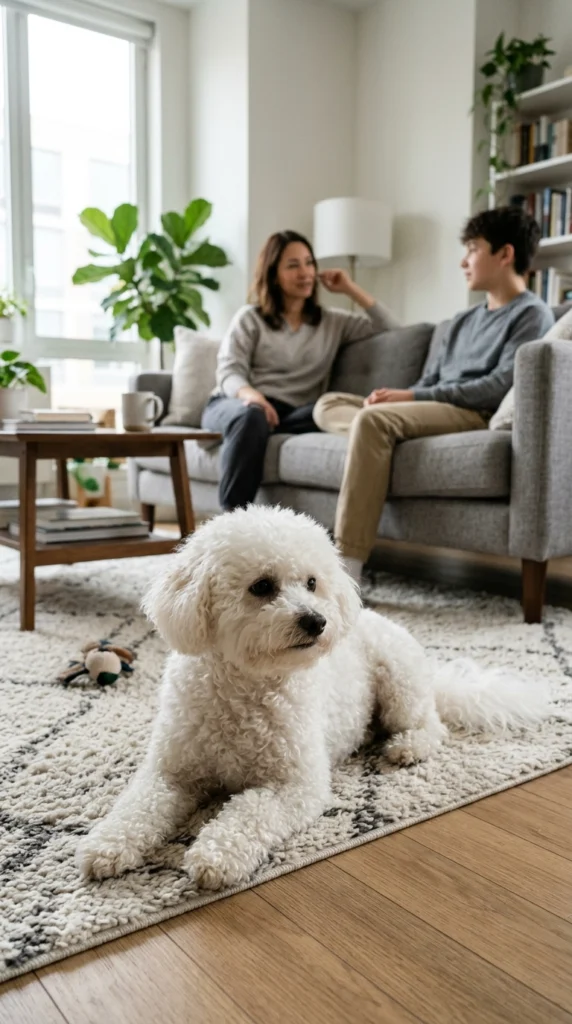
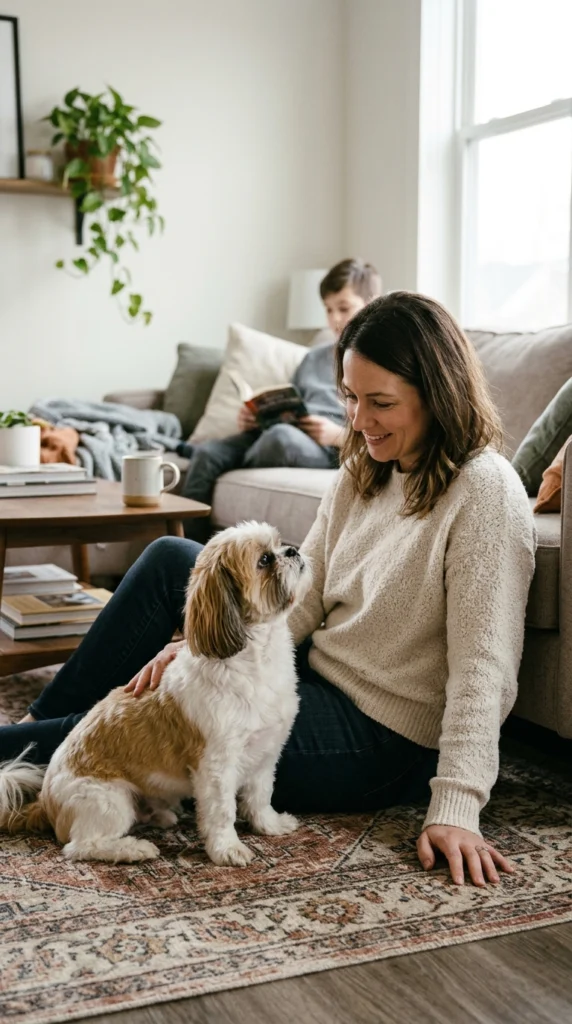
Shih Tzu Breed
Weighing about 9 to 16 pounds, the Shih Tzu is a small companion dog that can suit apartment life. Many enjoy indoor relaxation and short, regular walks, but they still need play and daily interaction.
A Shih Tzu’s long coat requires frequent brushing to prevent tangles. Many owners choose a short puppy cut to make routine care easier, along with regular professional grooming.
- Brush the coat daily using a steel comb down to the skin.
- Wipe facial folds regularly to prevent moisture buildup.
- Schedule professional grooming sessions every four to six weeks.
Because Shih Tzus are flat-faced, heat and breathing problems deserve special attention. Keep indoor spaces comfortably cool, avoid hard exercise in hot weather, and contact a veterinarian if you notice noisy or labored breathing, overheating, or unusual exercise intolerance.
Whippet
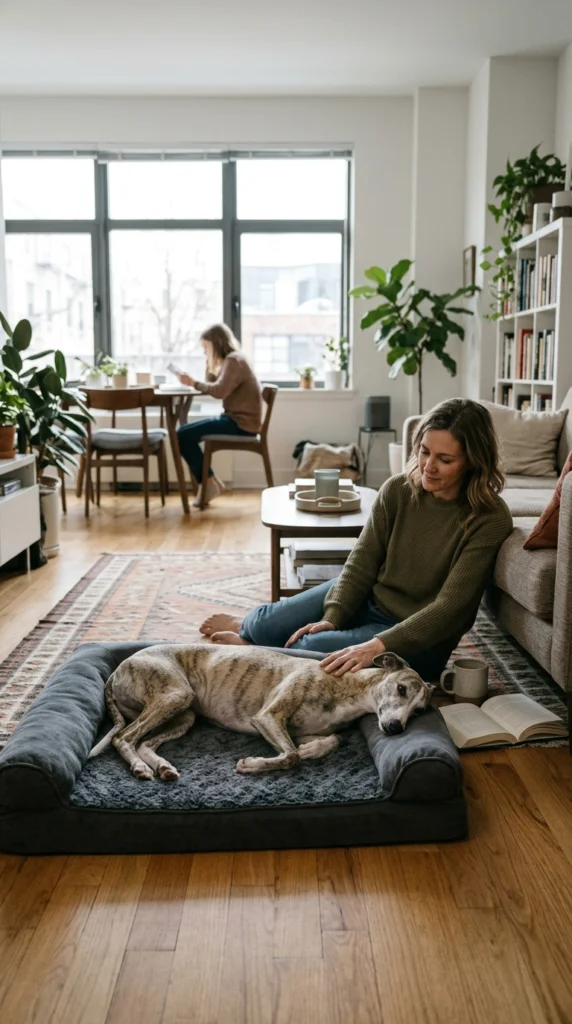
Whippets typically weigh about 25 to 40 pounds. Many are quiet indoors and enjoy a soft place to rest, but they are athletic dogs that still need regular exercise.
Their short coats and lean bodies make them more sensitive to cold. Provide a warm bed away from drafts and consider a well-fitting coat for chilly walks.
Whippets have a strong instinct to chase moving animals. Walk them on a secure lead and provide opportunities to run only in a safely enclosed space.
- Provide daily opportunities for full-out sprinting inside a securely fenced enclosure.
- Always attach a leash to a well-fitted martingale collar during neighborhood walks.
- Never let them off-leash in unfenced spaces because of their strong prey drive.
With appropriate activity, many Whippets are relaxed apartment companions. If your dog struggles to focus around wildlife or other pets, a qualified reward-based trainer can help.
Related Reading
- Small Dog Breeds: Traits, Temperament & Best Fits
- Best Dog Breeds for First-Time Owners
- Best Family Dog Breeds by Age of Children: How to Find the Right Fit
- Dogs Daily Care Home — Dog Breed Guides and Tools
Planning for your dog’s long-term needs? Explore the Dog Age Calculator in the Dogs Daily Care Tools directory for an approximate age comparison. It is an educational estimate, not a veterinary assessment.
Frequently Asked Questions
What are the best dog breeds for small apartments?
Consider breeds whose exercise needs and temperament fit your routine, not just their size. Cavaliers, Bichon Frises, Shih Tzus, and some adult Greyhounds can do well in apartments with suitable daily care. Flat-faced dogs, including French Bulldogs, have additional heat and breathing considerations.
How do I handle potty training an apartment dog on a high floor?
Take your puppy outside regularly, especially after waking, eating, and playing. Keep leash and shoes ready by the door, reward successful outdoor toileting immediately, and use a veterinarian or qualified trainer for persistent accidents. Indoor pads are optional, but may complicate the transition to outdoor toileting for some puppies.
How much daily exercise do apartment dogs actually need?
There is no universal exercise target for every apartment dog. Age, breed, health, and individual energy level all matter. Plan regular walks, play, sniffing opportunities, and mental enrichment; ask your veterinarian about limits for puppies, seniors, or dogs with medical conditions.
How can I prevent my apartment dog from barking at hallway noises?
Practice at a distance and sound level your dog can handle. Reward quiet attention when hallway sounds occur, and consider soft background noise or visual barriers if they help. If barking comes with panic or persistent distress, consult a qualified reward-based trainer or veterinary behavior professional.
Final Takeaway
The best apartment dog is one whose needs fit your daily schedule, housing rules, budget, and ability to provide exercise and companionship. Look beyond size: consider barking, grooming, training, health, and comfort around neighbors.
Before adopting, check lease rules and access to walking areas. Build a predictable routine with calm greetings, regular enrichment, and opportunities for rest. Every dog is an individual, so get to know the particular dog rather than relying only on a breed description.
Observing your dog’s adjustment period during the first few weeks can help you spot signs of stress early, allowing you to adjust their daily routine and provide a calmer indoor environment.