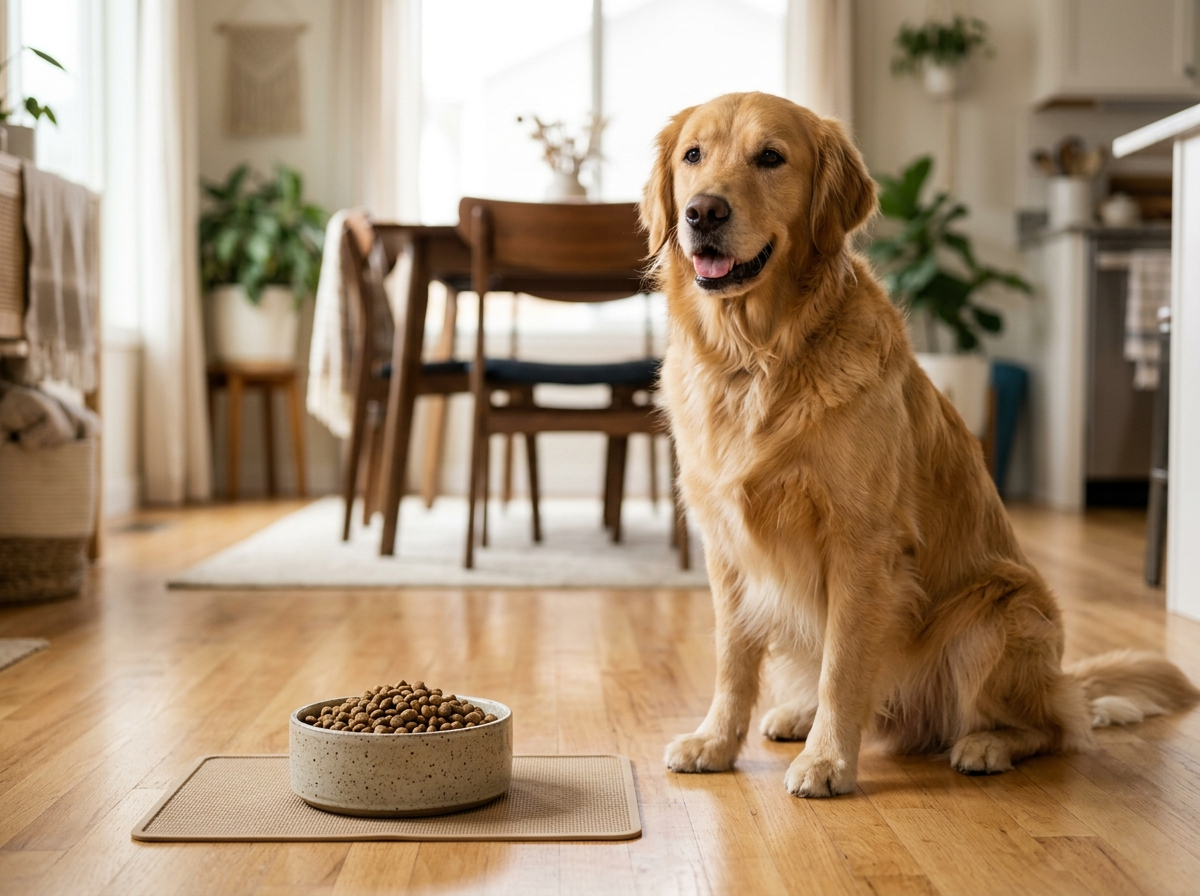
Is it OK to feed dogs the same food every day? For most healthy dogs, yes. A consistent diet can provide the nutrients your dog needs without requiring a new recipe at every meal. However, the type of food matters more than how often you change it. Your dog needs a complete and balanced diet that suits their age, size, activity level, and health.
In this guide, you will learn why daily consistency can help, when food changes may be necessary, and how to keep your dog’s meals healthy.
Table of Contents
Is It OK to Feed Dogs the Same Food Every Day?
Yes, most dogs can eat the same food every day when it provides complete and balanced nutrition. A suitable commercial dog food can meet their nutritional needs without daily variety. Dogs do not need a different meal every day simply because humans enjoy variety. The important thing is to choose food made for your dog’s life stage and feed the right amount.
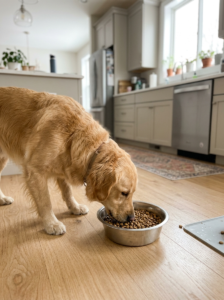
For example, a healthy adult dog may do well on one suitable adult-maintenance food. A growing puppy, however, needs food formulated for growth. Some dogs also need special diets because of medical conditions.
Check the package for a nutritional adequacy statement. In the United States, look for a statement indicating that the food is complete and balanced for the appropriate life stage.
Is it OK to Feed Your Dog the Same Food Every Day? Discover the benefits of consistent meals, balanced nutrition, and simple ways to keep your dog healthy. https://dogsdailycare.com/how-many-times-a-day-should-dogs-eat/
If your dog maintains a healthy weight, has a good energy level, eats normally, and produces regular stools, their current food may be working well. Your veterinarian can help assess whether it meets your dog’s individual needs.
Benefits of Feeding Your Dog the Same Food
1. It Creates a Consistent Feeding Routine
Feeding the same suitable food at regular times can make daily meals easier to manage. You can measure portions, monitor appetite, and notice changes in eating habits.
A routine also helps you understand how much your dog usually eats. This can make a sudden appetite change easier to recognize.
2. It May Help Avoid Digestive Upset
Some dogs develop loose stools, vomiting, or other digestive problems when their food changes too quickly. Keeping a suitable diet consistent may help avoid unnecessary changes.
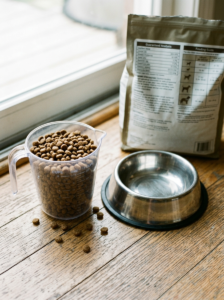
However, the same food will not prevent every digestive problem. Contact your veterinarian if your dog has repeated vomiting, persistent diarrhea, or other concerning symptoms.
3. It Makes Portion Control Easier
Using one food consistently can make it easier to measure meals and track daily calories. This matters because feeding too much can lead to unwanted weight gain.
Follow the package’s feeding guidance as a starting point, then adjust with veterinary advice based on your dog’s weight, activity, and body condition.
4. It Helps You Monitor Your Dog’s Health
When your dog’s diet stays consistent, you can more easily notice changes in appetite, stool quality, skin, coat, or weight.
These signs do not prove that a food is right or wrong on their own. Still, they provide useful information to share with your veterinarian.
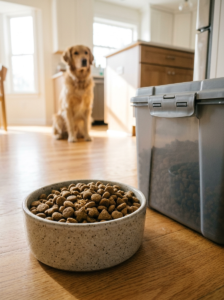
Can Dogs Get Bored With the Same Food?
Some dogs may seem less interested in a food they once enjoyed. Others happily eat the same meal for years. Every dog has individual preferences, so there is no single rule for all pets.
Before assuming your dog is bored, check the food’s expiration date, smell, storage conditions, and freshness. Also consider changes in the home, stress, dental discomfort, or illness.
If your dog suddenly refuses food, do not assume they are simply being picky. Appetite changes can have medical causes, especially when other symptoms appear.
If your dog is healthy but seems less interested in meals, ask your veterinarian whether a different texture, flavor, or feeding approach might help.
When Should You Change Your Dog’s Food?
Feeding the same food every day can work well, but it is not the best choice in every situation. A diet change may be appropriate when your dog’s needs change or their current food is not suitable.
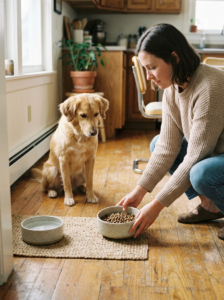
- Your puppy becomes an adult: Puppies need food formulated for growth. Ask your veterinarian when to move to an adult diet, especially for large breeds.
- Your dog’s health changes: Some medical conditions require a specific diet or nutrient balance.
- Your dog has a food intolerance: Repeated digestive or skin problems may need veterinary assessment before changing ingredients.
- Your dog’s weight changes: Weight gain or loss may mean the portions or diet need reviewing.
- Your current food is unsuitable: A food may not meet your dog’s life-stage needs or may not agree with them.
- Your veterinarian recommends a change: Follow professional advice for prescription diets or other special nutritional needs.
Do not switch foods repeatedly just to add variety. Choose a suitable option and discuss any ongoing feeding problems with your veterinarian.
How to Change Your Dog’s Food Safely
When a change is needed, a gradual transition can help your dog’s digestive system adjust. For many dogs, a transition over about five to seven days is a useful starting point, although some dogs need more time.
- Days 1–2: Mix about 25% new food with 75% old food.
- Days 3–4: Mix equal amounts of old and new food.
- Days 5–6: Mix about 75% new food with 25% old food.
- Day 7: Feed the new food if your dog is tolerating the change.
This schedule is only a general example. Follow your veterinarian’s instructions if your dog has a sensitive stomach, a medical condition, or a prescribed diet.
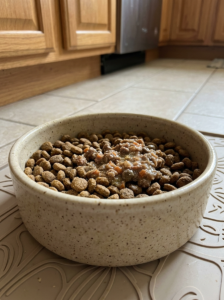
Watch your dog’s appetite and stools during the transition. If vomiting, diarrhea, or other concerning signs develop, slow the change and contact your veterinarian for advice.
Wondering if your dog can eat the same food daily? Learn when a consistent diet works, when to change dog food, and how to support your pet’s nutritional needs. https://dogsdailycare.com/how-much-should-my-dog-eat/
Should You Rotate Different Dog Foods?
Food rotation means changing between different foods or recipes over time. It is not necessary for every dog. A complete and balanced diet can provide the nutrients your dog needs without frequent rotation.
Some owners consider rotation to offer different flavors or ingredients. However, changing foods does not automatically make a dog’s diet healthier. Different products may have different calorie levels and nutrient profiles.
If you want to rotate foods, choose options that are complete and balanced for your dog’s life stage. Introduce each new food gradually and monitor your dog’s response.
Ask your veterinarian before changing diets if your dog has allergies, digestive problems, or a medical condition that affects nutrition.
Can You Add Toppers to Your Dog’s Daily Food?
You may be able to add a small amount of a dog-safe topper, but it should not replace the balanced food that forms the main diet. Too many extras can add calories and upset nutritional balance.
Choose plain, dog-safe ingredients and avoid seasonings, sauces, and unsafe foods. Introduce new ingredients in small amounts, and stop if your dog develops a reaction.
Keep treats and other extras limited. If your dog needs a prescription diet, ask your veterinarian before adding anything to the bowl.
If your dog refuses their regular food but accepts treats or table scraps, avoid assuming they only need tastier meals. Persistent or sudden appetite changes deserve attention.
Signs Your Dog’s Current Food May Not Be Suitable
No single sign can confirm that a food is unsuitable. However, repeated changes in your dog’s health or eating habits are reasons to review the diet.
- Ongoing diarrhea or repeated digestive upset.
- Unexplained weight loss or weight gain.
- Persistent itching or skin problems.
- Reduced appetite or refusing normal meals.
- Low energy or changes in normal behavior.
- Difficulty maintaining a healthy body condition.
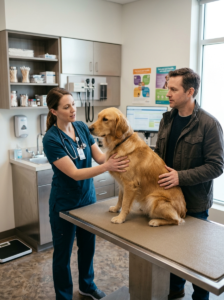
These signs can have many causes, including problems unrelated to food. Arrange a veterinary assessment instead of repeatedly changing diets on your own.
Keep your dog healthy with the right daily diet! Explore dog feeding tips, safe food transitions, and signs that your dog’s current food may need a change. https://dogsdailycare.com/find-my-dog/
Seek prompt veterinary advice if your dog stops eating and seems unwell. Repeated vomiting, severe weakness, a swollen abdomen, or difficulty breathing require urgent veterinary attention.
Frequently Asked Questions
Can dogs eat the same food every day for years?
Many dogs can eat the same complete and balanced food long-term if it remains suitable for their life stage and health. Regularly review their weight, appetite, and overall condition with your veterinarian.
Do dogs need variety in their diet?
No. Dogs do not automatically need a different food every day. A suitable, complete, and balanced diet can meet their nutritional needs without frequent changes.
Is it bad to switch dog food often?
Frequent or sudden changes can upset some dogs’ stomachs. If you need to change food, a gradual transition is often helpful unless your veterinarian advises another approach.
Should puppies eat the same food as adult dogs?
Not necessarily. Puppies need food formulated for growth, while adult dogs generally need food suited to adult maintenance. Large-breed puppies may have specific nutritional requirements, so ask your veterinarian for guidance.
What if my dog suddenly stops eating their usual food?
Check the food’s freshness, but do not assume your dog is bored. Dental pain, illness, stress, and other issues can affect appetite. Contact your veterinarian if the refusal persists, happens suddenly, or comes with other symptoms.
Final Thoughts
So, is it OK to feed dogs the same food every day? For most healthy dogs, yes, as long as the food is complete and balanced and suits their individual needs. Focus on good nutrition, correct portions, fresh water, and a consistent feeding routine. You don’t need to change your dog’s food just for variety. If your dog’s health, appetite, or nutritional needs change, speak with your veterinarian. The best diet safely supports your dog’s health at every life stage.