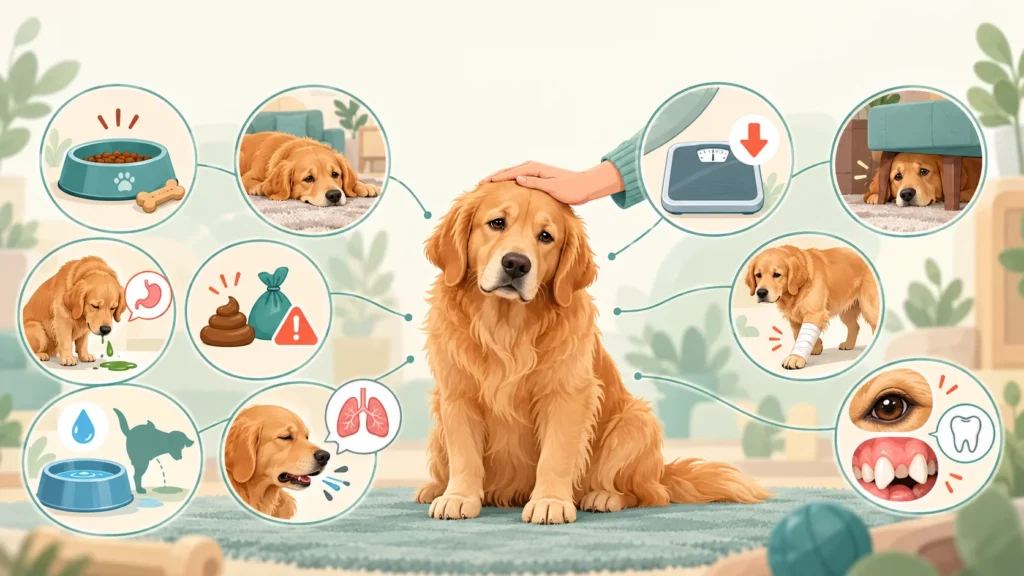
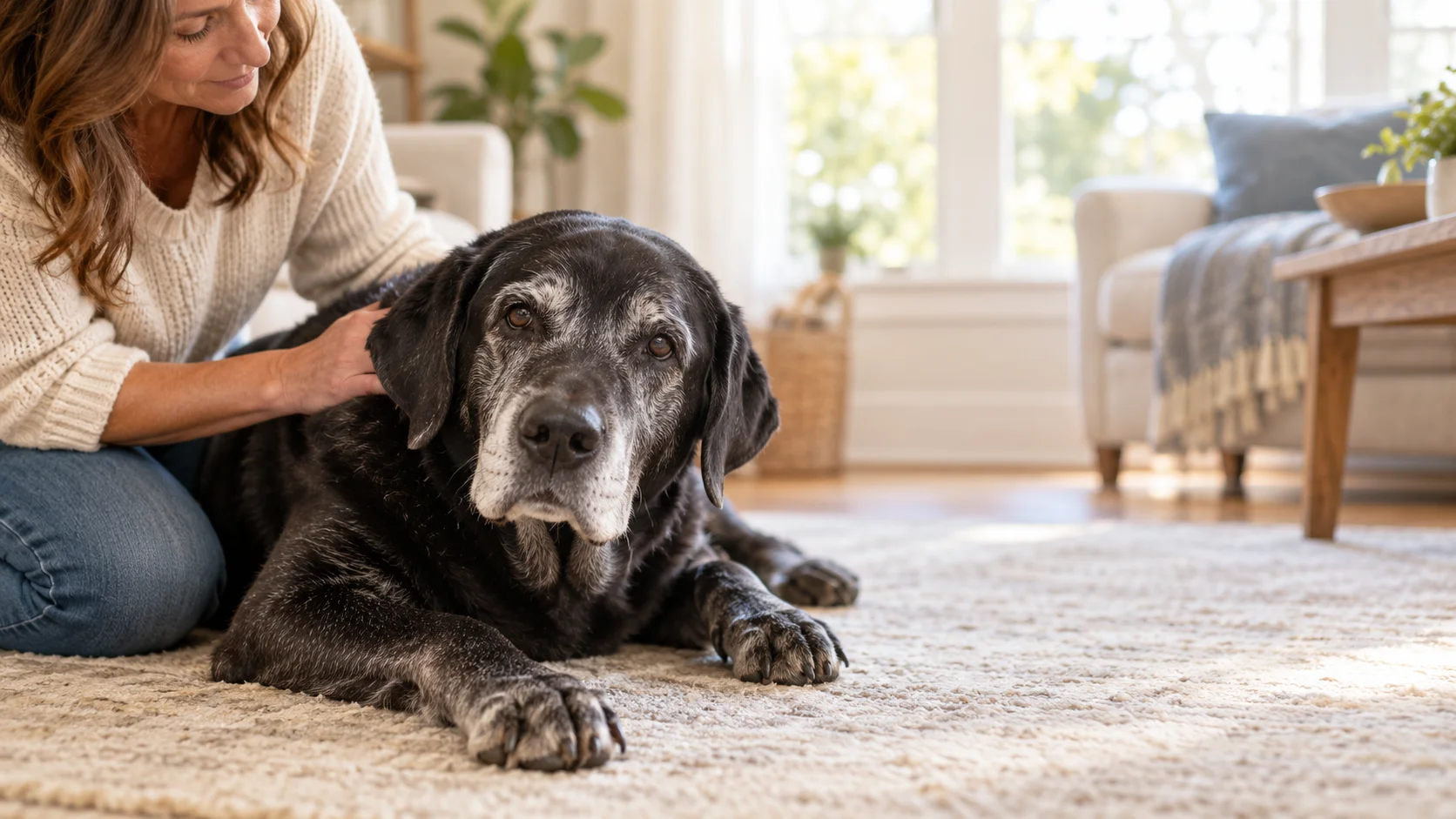
Dogs are very good at hiding pain. Instead of crying out, many dogs simply get quieter, move a little differently, or lose interest in things they used to love. That makes the signs of pain in dogs easy to miss, and easy to blame on age or a bad mood.
This guide explains how to tell if your dog is in pain, which behavior and movement changes matter most, what may be causing them, what to do right away, and when it is an emergency. It is meant to help you act early, not to diagnose your dog.
Table of Contents
Quick Answer: How Can You Tell If a Dog Is in Pain?
Look for changes from your dog’s normal behavior: limping or stiffness, excessive panting at rest, hiding, restlessness, less appetite, changes in sleep, or a tense face and posture. Pain can be subtle. One sign may mean little, but several together, or any sign that lasts, deserve a call to your veterinarian.
Why Dogs Hide Pain
Dogs descend from animals for whom showing weakness was risky, and many still tend to downplay discomfort. Cornell’s veterinary college notes that dogs express pain differently depending on breed, age, and individual personality, and that behavior changes often develop gradually. The person who knows your dog best is you, so your observations matter more than you may think.
Anxiety can also hide the signs. Cornell points out that some dogs do not show at the clinic what you see at home, which is why photos, videos, and notes are valuable.
Common Signs of Pain in Dogs
Changes in Movement
Movement changes are some of the clearest clues:
- Limping or favoring one leg
- Stiffness, especially after rest or in the morning
- Difficulty getting up or lying down
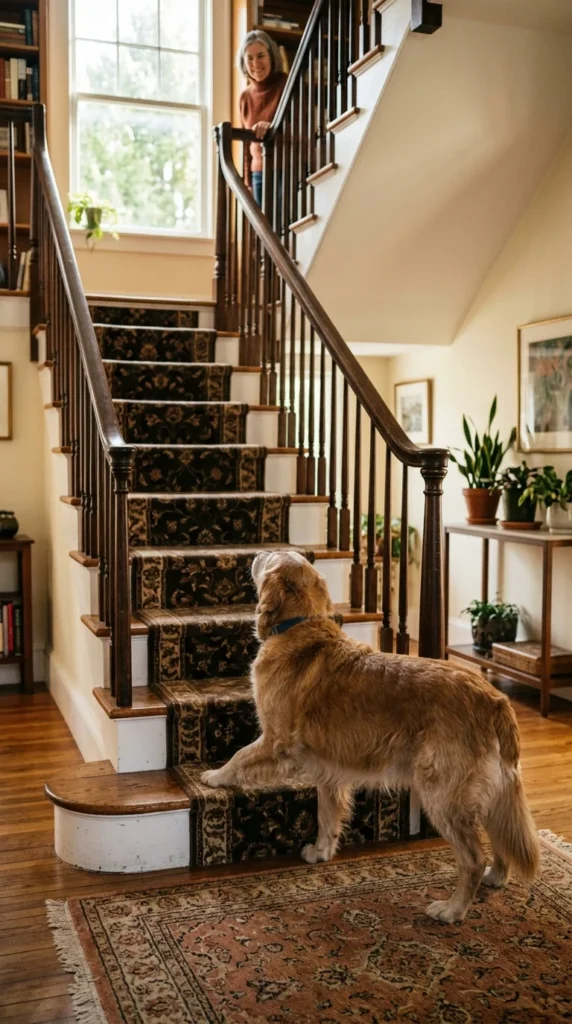
- Reluctance to jump, climb stairs, or get into the car
- Shorter walks or lagging behind
- Walking with a hunched back or stiff neck
A dog limping for a day or two after rough play may be minor, but limping that persists, worsens, or comes with swelling or yelping needs a vet exam.
Changes in Behavior
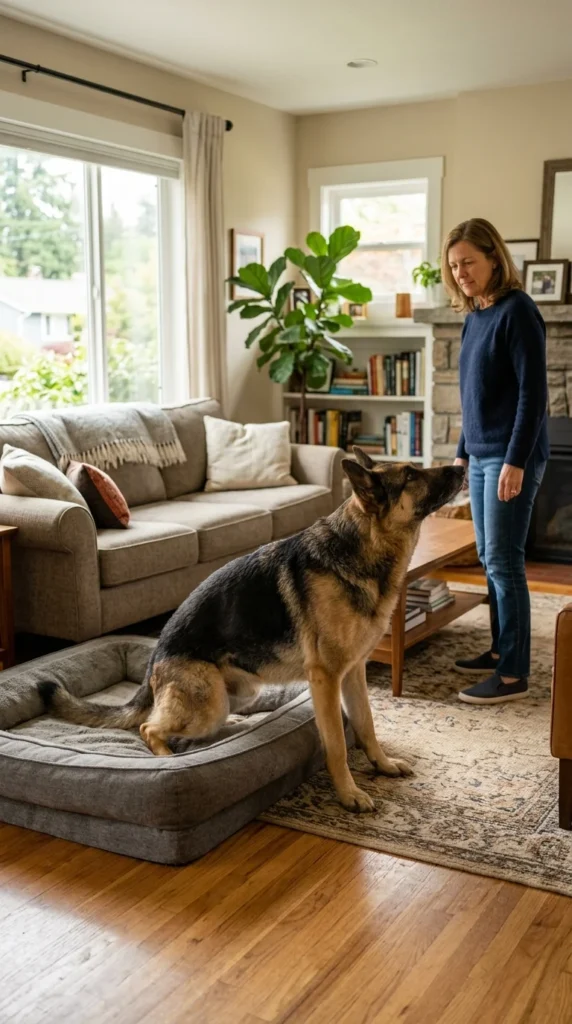
Pain often changes personality before it changes anything else. Watch for:
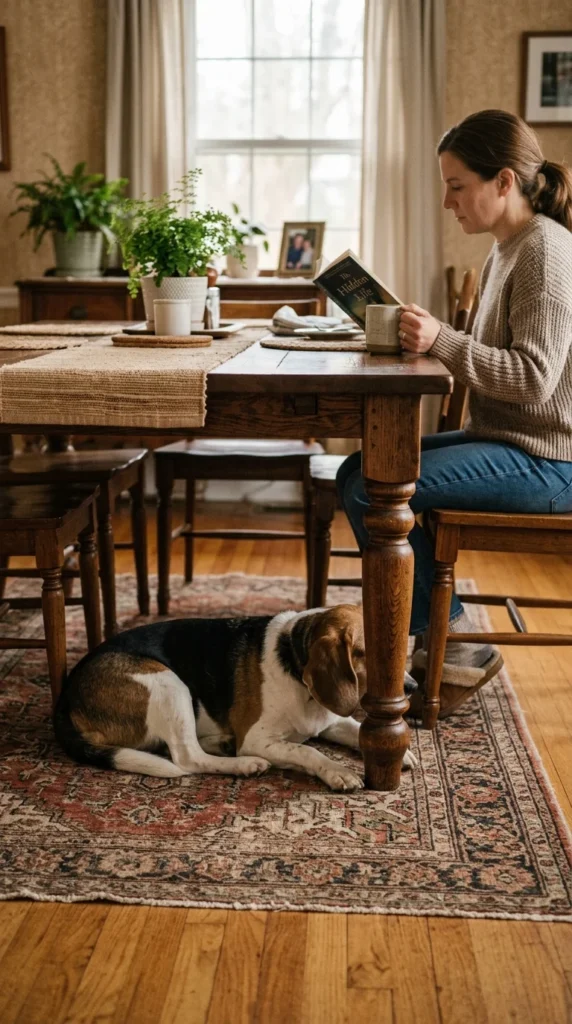
- Hiding or avoiding family members
- Irritability, growling, or snapping when touched
- Clinginess or following you more than usual
- Restlessness or pacing
- Reduced interest in play, walks, or favorite toys
- Depressed or unusually quiet behavior
Dogs in pain may snap even if they have never done so before. If your dog suddenly reacts badly to being touched, treat it as a medical warning, not bad behavior.
Changes in Daily Habits
- Appetite: Eating less, dropping food, or chewing on one side
- Sleep: Sleeping more, or being unable to settle at night
- Grooming: Excessive licking of one spot, or neglecting grooming
- Bathroom habits: Accidents, straining, or difficulty posturing to go
Body Language and Facial Expression
Pain can show in the face and posture. Cornell lists flattened ears, grimacing, and glazed eyes. You may also see a tucked tail, a tense belly, a lowered head, or an unusual stretched or hunched stance.
Panting and Breathing
Excessive panting when your dog is resting and not hot can be a sign of pain or distress. Veterinary sources including Cornell list it among the common signs. Because panting also has other causes, such as heat, anxiety, or heart and lung problems, mention it to your vet if it is new or persistent.
Vocalizing
Some dogs whine, whimper, yelp, or groan, especially when touched or moving. But many painful dogs stay silent, so a quiet dog is not necessarily a comfortable one.
Acute vs. Chronic Pain
Acute pain starts suddenly, often after an injury, surgery, or illness, and the signs can be obvious. Chronic pain, such as from arthritis, develops slowly and can look like “slowing down.” Because chronic pain sneaks up, it is easy to normalize. If your dog has gradually stopped jumping, playing, or climbing stairs, ask your vet whether pain could be the reason.
Common Causes of Pain in Dogs
Many conditions can hurt, so a vet exam is the only way to know. Common sources include:
- Arthritis and joint disease: A frequent cause of pain in older dogs, with stiffness, trouble rising, and reluctance on stairs.
- Injuries: Sprains, torn ligaments, broken bones, cuts, and bite wounds.
- Dental disease: Painful teeth or gums may cause dropping food, drooling, or bad breath.
- Ear infections: Head shaking, scratching, and sensitivity around the ears.
- Digestive problems: Belly pain may cause restlessness, a tucked belly, or an unusual stretching posture.
- Back and neck problems: Stiffness, yelping when lifted, or reluctance to lower the head to eat.
- Skin problems and paw injuries: Licking or chewing at a sore spot.
- Illness and post-surgical discomfort: Pain can accompany many illnesses.
Signs of Pain in Older Dogs
Senior dogs often show pain subtly. A veterinarian quoted by Whole Dog Journal notes that subtle signs, such as reluctance to jump or use stairs and difficulty rising, are easily mistaken for normal aging. Other clues include slower walks, less interest in play, sleeping in new places, accidents in the house, and irritability.
Aging alone is not a reason to accept pain. Many painful conditions in older dogs can be managed, so mention any changes to your vet at the next visit or sooner.
Clues by Body Area
- Legs and joints: Limping, swelling, licking a joint, or stiffness after rest.
- Back or neck: A hunched posture, reluctance to move the head, or yelping when touched.
- Belly: Restlessness, a tense or tucked belly, whining, or an unusual stretched stance.
- Mouth: Dropping food, chewing on one side, pawing at the face, or drooling.
- Ears: Head shaking, scratching, or flinching when the ears are touched.
- Paws: Limping, licking, or holding a paw up.
When Pain Is an Emergency
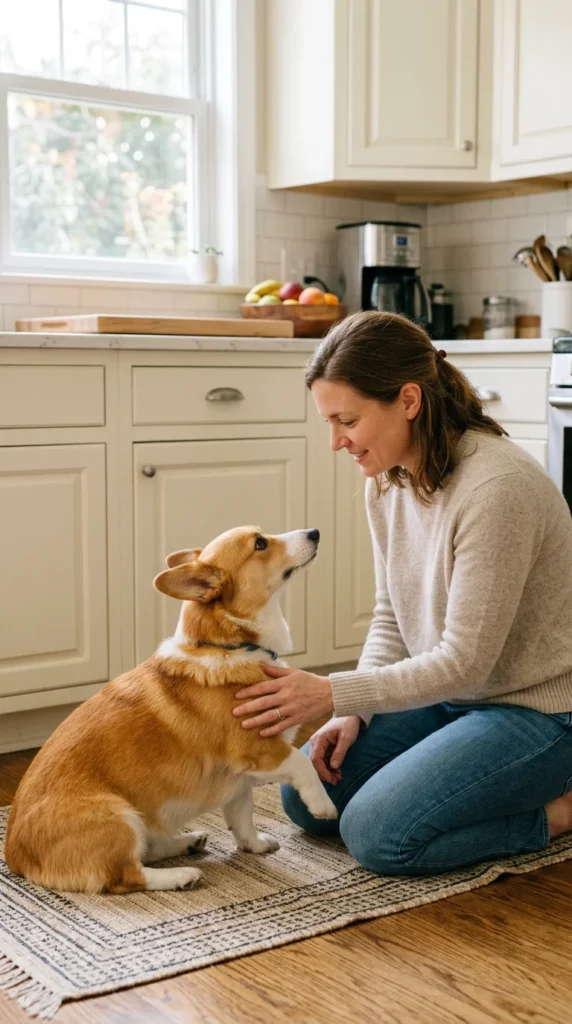
Go to a veterinarian or emergency clinic right away for:
- Sudden inability to use a leg or stand
- Severe pain, constant crying, or aggression when touched
- Trauma, such as being hit by a car or a dog fight
- A swollen, hard abdomen, or unproductive retching
- Trouble breathing or pale or bluish gums
- Seizures, collapse, or sudden weakness
- Bleeding that will not stop
- Suspected poisoning
Call ahead if you can so the clinic can prepare.
What to Do If You Think Your Dog Is in Pain
- Stay calm and move gently. A painful dog may snap or bite, even at people they love. Approach slowly and avoid touching sore areas.
- Limit activity. Keep your dog quiet and prevent running, jumping, and stairs until a vet advises otherwise.
- Observe and write it down. Note what you see, when it started, and what makes it better or worse.
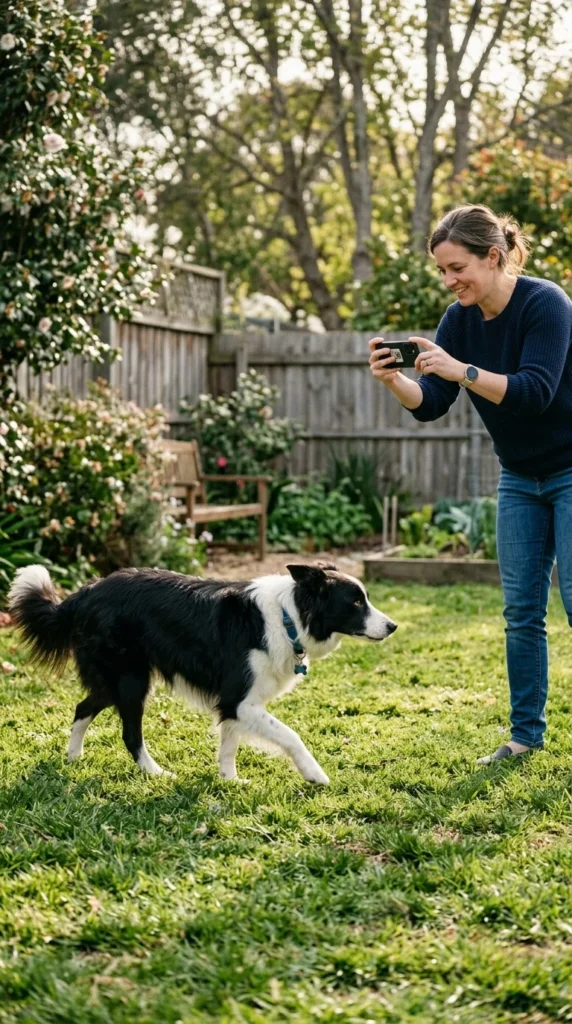
- Take a short video. Film your dog walking, rising, or doing whatever concerns you. The AKC and Cornell both suggest documenting changes.
- Call your veterinarian. Describe the signs and follow their advice about how soon to come in.
Do Not Give Human Pain Medication
Never give your dog human pain relievers such as ibuprofen, naproxen, or acetaminophen unless a veterinarian specifically instructs you to. These can cause serious harm to dogs, including stomach, kidney, and liver problems. Your vet can prescribe medication made for dogs and tell you what is safe.
How Veterinarians Evaluate and Treat Pain
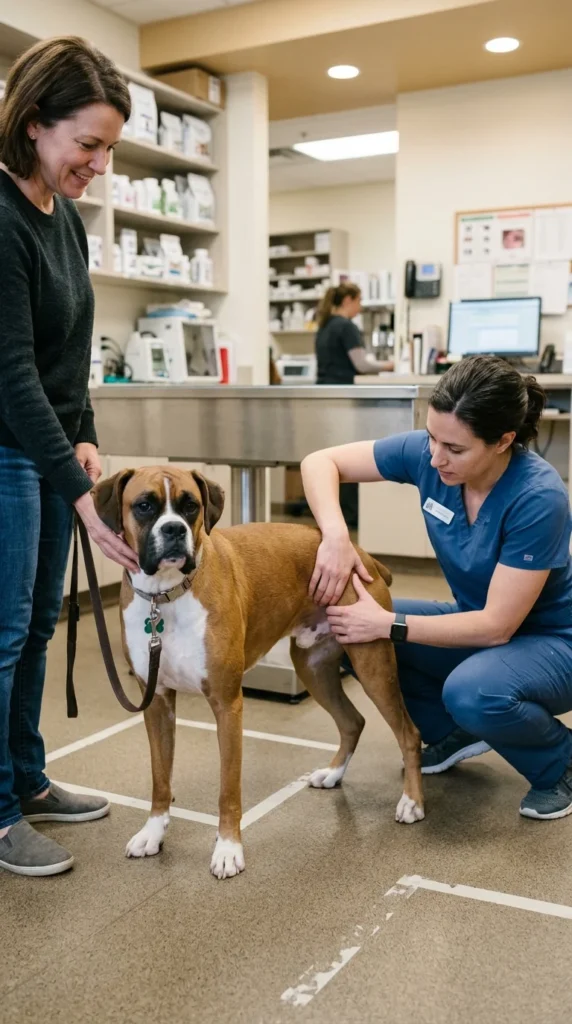
Your vet will take a history, examine your dog’s body and movement, and may recommend X-rays, bloodwork, or other tests. Treatment depends on the cause. It may include prescription pain relief, anti-inflammatory medication, rest, treatment of the underlying problem, weight management, or rehabilitation. Many dogs improve noticeably once pain is addressed, and owners often report a happier, more playful dog.
Mistakes to Avoid
- Assuming it’s just aging: Pain is common in older dogs and often treatable.
- Waiting for obvious crying: Many dogs stay silent.
- Giving human medicine: This can be dangerous.
- Forcing exercise to “work it out”: It can worsen an injury.
- Punishing grumpy behavior: It may be a sign of pain.
- Ignoring small changes: Early help is easier than treating long-standing pain.
Frequently Asked Questions
How can I tell if my dog is in pain but hiding it?
Look for subtle changes, such as less play, slower movement, new reluctance to jump, hiding, restlessness, or changes in sleep and appetite. Comparing your dog to their own normal is the best guide.
Why is my dog panting when resting?
It can be a sign of pain or distress, but also heat, anxiety, or other medical problems. If it is new, heavy, or persistent, call your vet.
Is my dog limping serious?
It depends. A mild limp that resolves within a day may be minor, but limping that continues, worsens, or comes with swelling or yelping needs a vet exam. Sudden inability to use a leg is an emergency.
Can I give my dog ibuprofen or Tylenol?
No. Human pain relievers can be toxic to dogs. Ask your veterinarian which medication is safe and appropriate.
Do older dogs always have pain?
No, but joint pain and arthritis are common in senior dogs. Many signs get dismissed as aging, so mention changes to your vet.
Can pain make a dog aggressive?
Yes. Pain can make dogs irritable, and some will snap when touched. Sudden behavior changes deserve a veterinary check, and a painful dog should be handled carefully.
Final Thoughts
Knowing the signs of pain in dogs comes down to noticing changes: how your dog moves, acts, eats, sleeps, and carries their body. Trust your instincts, write down or film what you see, and call your veterinarian rather than waiting. Early attention can spare your dog discomfort and help them stay comfortable and active longer.
This article is for general education and is not a substitute for veterinary advice. If you think your dog is in pain, contact your veterinarian or an emergency clinic.