
By Emma Vensley | Dog Care & Lifestyle Writer
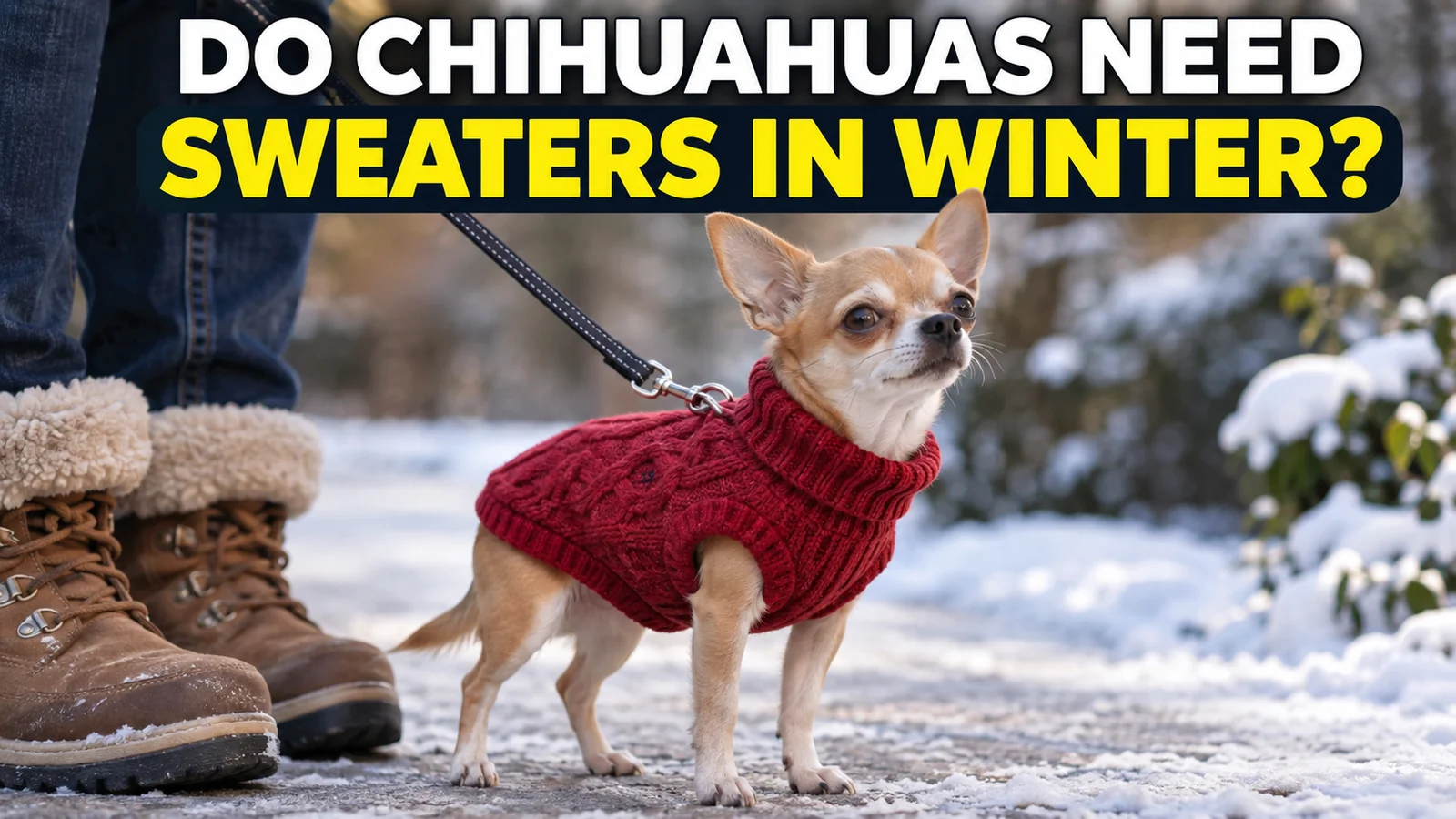
Quick answer: Many Chihuahuas benefit from a sweater or coat in chilly weather, especially those with short hair, little body fat, or age-related or health-related issues.
Table of Contents
Quick Answer: Do Chihuahuas Need Sweaters?
Many Chihuahuas benefit from a sweater or coat in chilly weather, particularly those with short hair, little body fat, older age or health problems. Their small size makes it harder to stay warm outdoors, but the right layer depends on the individual dog and conditions—not a fixed temperature cutoff.
Watch for shivering, hunched posture, paw lifting, reluctance to walk or repeated attempts to return indoors. Move to a warm place when these appear. Read our general winter-care guidance alongside this breed-focused guide.
Why Tiny Dogs Feel the Cold
Body size, coat thickness, age and overall health affect how quickly a dog loses heat. Chihuahuas are small, and many have smooth coats that provide relatively little insulation. A long-haired Chihuahua may be somewhat better protected, but cold rain, wind and prolonged exposure still matter.
The Cornell Riney Canine Health Center identifies toy breeds, short-coated dogs, seniors and dogs with health problems among those commonly needing additional winter protection. A Chihuahua living in a warm climate may also be less used to sudden cold than a dog accustomed to gradual seasonal changes.
A Sweater Is a Comfort Aid, Not a Winter Shield
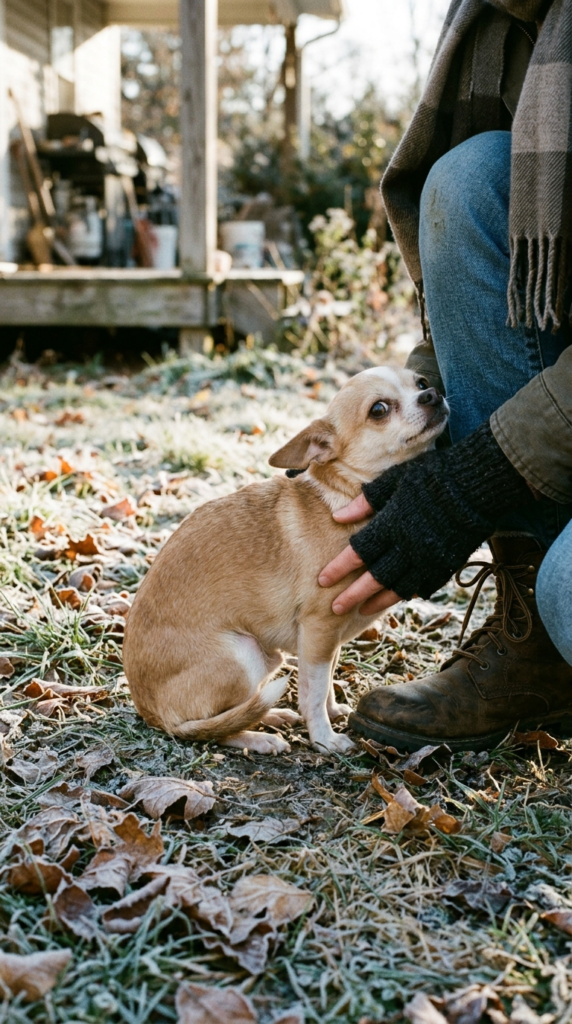
Warm clothing can help with brief outdoor trips and chilly indoor rooms, but it does not make long exposure to freezing conditions safe. Wind, rain, icy sidewalks and snow are still concerns. Consider a light sweater in dry mild chill and a weather-resistant outer layer for short outings in wet or windy conditions.
Even with clothing, move indoors if your dog starts to shiver, becomes sluggish or refuses to walk. Dogs can develop hypothermia and frostbite, and a dog that is weak, unusually sleepy, confused, or hard to warm after exposure needs urgent veterinary attention.
How to Measure a Chihuahua for a Sweater
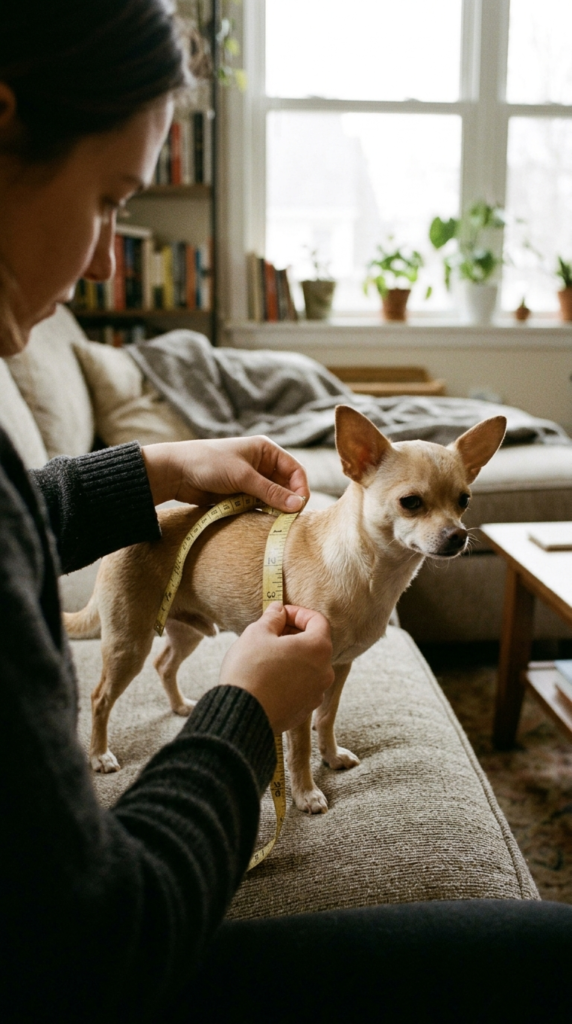
Ignore size labels such as XS until you have the measurements. With your Chihuahua standing naturally, measure the chest girth just behind the front legs, neck circumference and back length from the base of the neck to the base of the tail. Compare them with the exact product chart. If chest and back fall in different sizes, contact the manufacturer rather than assuming stretching will solve the problem.
Choose smooth seams, a flexible chest panel and leg openings that do not rub the shoulders. The dog must be able to sit, stand, take normal steps and use the bathroom freely. Check that no fabric covers the eyes or pulls on the ears.
Teach Your Chihuahua to Enjoy Clothing
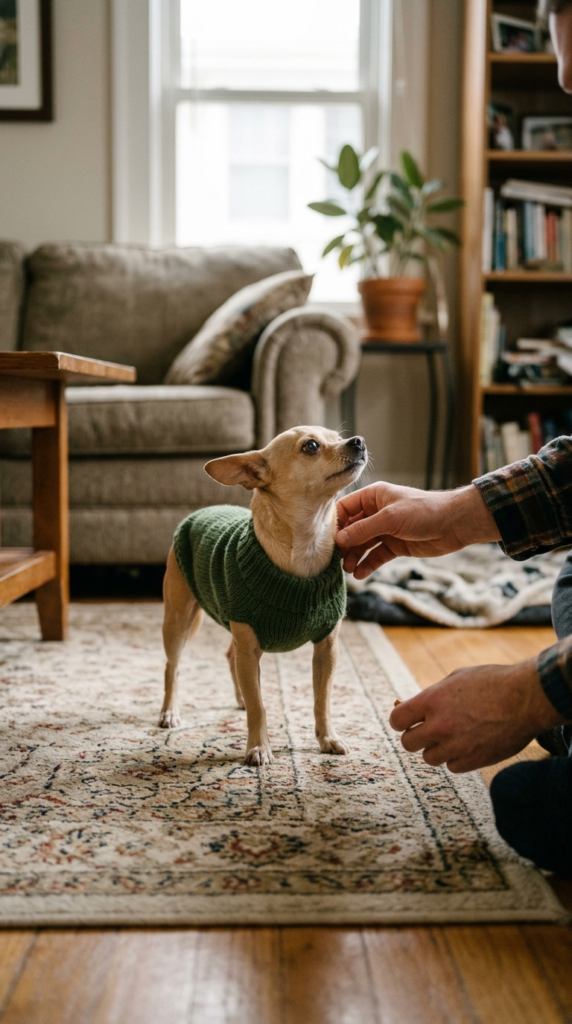
Place the sweater nearby and reward relaxed sniffing. Touch the fabric gently to the shoulder, reward and remove it. When your dog is comfortable, briefly slip it on without fastening, then reward and take it off. Work toward a few relaxed steps indoors before wearing it on walks.
Do not wrestle a frightened dog into a tight pullover. If your dog freezes, hides or paws at the garment, return to an easier step or try a different closure style. Some dogs remain uncomfortable in clothes; a warmer room, brief trips and careful planning may be better options.
Sweater Safety Inside and Outside
Check the sweater for loose buttons, ties, zippers and areas that could snag. Remove clothing if it becomes damp, soiled or too warm. Avoid leaving your Chihuahua unsupervised in a garment that may snag or be chewed. For active outdoor use, a proper harness generally offers more reliable leash control than a sweater’s decorative D-ring.
In winter, short frequent potty breaks can be more comfortable than one lengthy walk. A sweater is not a replacement for wiping the paws after exposure to salt or icy slush.
Protect Paws and Avoid Slippery Walks
Chihuahuas have small paws that are vulnerable to rough ice and irritating de-icers. Inspect pads and between toes after walks. Wipe away salt and mud with a lukewarm damp cloth, then dry. Avoid heavily treated sidewalks if possible and choose shorter, safer routes when the ground is icy.
Some dogs benefit from properly fitted booties, but training may take time. For safe handling fundamentals, visit our coat-care guide and the broader breed guides.
Optional Gear for This Routine
Affiliate disclosure: As an Amazon Associate, we may earn from qualifying purchases at no additional cost to you. No purchase is required to follow this guide.
- Gooby fleece vest for small dogs: Consider for an appropriate chest size and easy indoor fitting. See this exact product on Amazon (ASIN: B01FJJ1DL6).
- Kuoser reversible dog winter coat: One possible outer shell in cold wet conditions after checking its specific sizing and fasteners. See this exact product on Amazon (ASIN: B07T1Y2CJQ).
Always check the manufacturer’s fit, instructions and product ingredients. Products are not a substitute for medical advice.
What About Puppies, Seniors and Long-Haired Chihuahuas?
Young puppies may struggle more with temperature regulation, while older dogs or those with health conditions can be less resilient in the cold. Ask your veterinarian for individualized advice if your dog has a heart condition, significant arthritis, weight loss or unusual cold sensitivity. Long-haired Chihuahuas still need monitoring, particularly when their fur becomes wet.
The Dog Age Calculator and breed tools hub can be useful for organizing general questions, though calculators cannot determine an individual dog’s medical needs or cold tolerance.
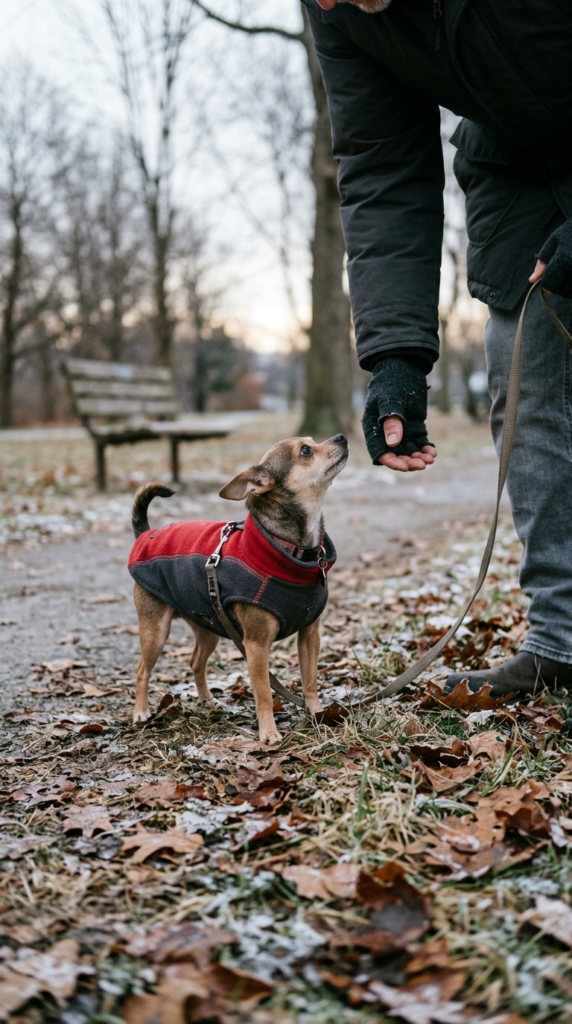
Sweater Mistakes to Avoid
- Choosing based only on breed or weight rather than chest girth.
- Keeping damp clothing on your dog.
- Covering a dog’s feet or chest so tightly that they cannot walk naturally.
- Assuming a sweater makes extreme cold safe.
- Leaving loose strings or decorative buttons within chewing reach.
Frequently Asked Questions
Should a Chihuahua wear a sweater to sleep?
Usually not in a comfortably heated home unless your veterinarian recommends a specific solution. An appropriate bed away from drafts is often simpler.
Can a long-haired Chihuahua still get cold?
Yes. Longer fur does not guarantee warmth in windy, freezing or wet weather.
Do tiny dogs need coats below a certain temperature?
There is no one number for every dog. Consider exposure, wind, precipitation and the dog’s behavior.
How to Choose Between a Knit Sweater and a Weatherproof Coat
A soft knit or fleece layer can be comfortable for brief trips in dry, cool conditions. A wetter and windier day may call for an outer layer that blocks moisture better, but the fit must still allow full freedom of movement. A heavy coat that compresses the chest can make walking harder rather than warmer. Think about what your Chihuahua will actually do—short bathroom breaks, a slow neighborhood stroll or simply spending time in a cooler room.
Check neck and chest measurements for both types of clothing, and inspect fasteners after each wash. If an outer shell rustles loudly or has stiff hardware that startles your dog, practice slowly indoors. Do not layer multiple garments tightly. A sweater that feels warm in your hand is not proof that it is comfortable on a tiny moving dog.
A Simple Winter Morning Routine for Small Dogs
Before going outside, look at the actual temperature, wind and ground conditions. Choose a brief route with sheltered sections and avoid icy slopes. Check whether the sweater is completely dry, whether the harness fits without compressing the layer and whether your Chihuahua can stand and take several normal steps.
Once outdoors, let the dog sniff and move at their pace; do not drag a reluctant dog along. Return promptly at the first signs of chill. After coming home, remove wet clothing, dry the paws and warm the dog naturally in a comfortable room. Record the weather and the dog’s response for a few walks to learn what works for your individual companion. These observations are more useful than a blanket recommendation for all Chihuahuas.
Final Thoughts
A well-fitted sweater can make a big difference to a cold-sensitive Chihuahua, but short safe outings and attention to your dog’s signals matter more than style. Measure carefully, introduce clothing gradually and never ignore signs of discomfort.
More Dogs Daily Care resources: Explore our recommended dog products for practical gear, browse our dog books for learning resources, and visit the free dog-care tools to explore breed and age resources. You can always return to the Dogs Daily Care homepage for the latest guides.