

The first few months of your puppy’s life leave a lasting mark. The people, sounds, surfaces, and animals a puppy meets early on shape how comfortable they feel in the world as an adult. That is why these puppy socialization tips matter so much: done well, early socialization helps raise a calm, confident dog who handles new situations with curiosity instead of fear.
This guide explains when to start, how to socialize safely before vaccines are finished, what to introduce, and how to tell when your puppy needs a break. The goal is not to expose your puppy to everything at once. It is to make good experiences feel normal.
Table of Contents
Quick Answer: What Is Puppy Socialization?
Puppy socialization means gently introducing your puppy to new people, animals, places, sounds, and surfaces in a positive, low-pressure way. The most important window is the first three months of life, so start as soon as your puppy comes home. Keep experiences short and rewarding, and stop if your puppy shows signs of stress.
Why the Early Months Matter So Much
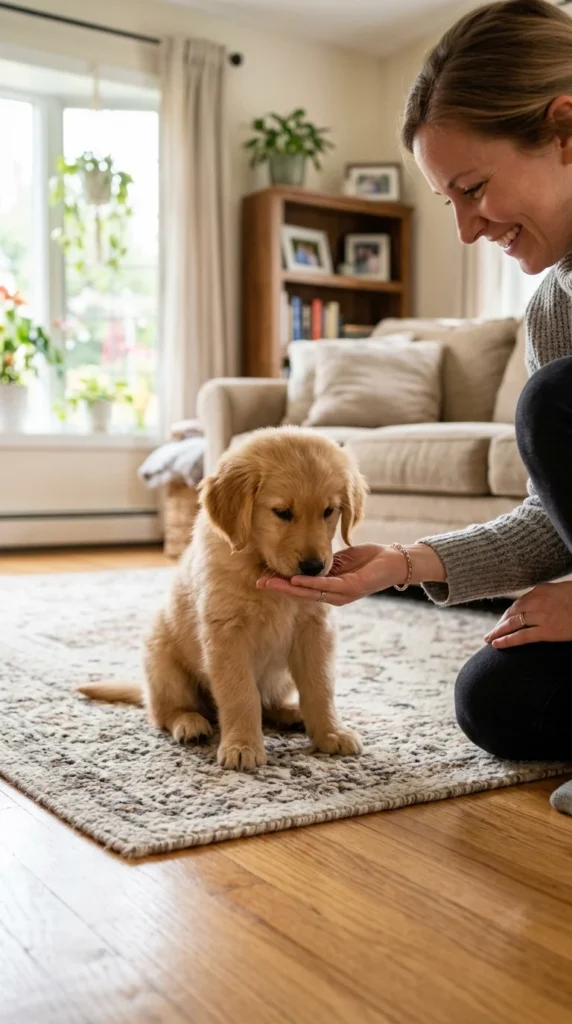
Veterinary behavior experts describe the first three months as the period when puppies are naturally more curious than fearful. This is the best window for puppies to learn that new things are safe. Missing out on those experiences can raise the risk of fear, avoidance, and sometimes aggression later in life.
The American Veterinary Society of Animal Behavior points out that behavior problems are a major threat to the bond between dogs and their owners and a leading reason dogs are surrendered to shelters. Socialization is one of the simplest ways to reduce that risk.
The window does not slam shut overnight, and learning continues throughout adolescence and adulthood. But the early weeks are when positive experiences stick most easily, so it pays to make them count.
Can You Socialize a Puppy Before Vaccines Are Finished?
Yes, with sensible precautions. This is one of the most common worries for new owners, and veterinary behaviorists have addressed it directly. The AVSAB position is that socialization before a puppy is fully vaccinated should be the standard of care, because the risk of missing the window generally outweighs the risk of carefully managed exposure.
In practice, that means safe socialization, not a free-for-all:
- Start early with controlled experiences. Puppy classes can often begin around 7 to 8 weeks, provided your puppy has had at least one set of vaccines, given at least a week earlier.
- Choose clean, controlled environments. Well-run classes check vaccine records and sanitize between sessions.
- Avoid high-risk areas. Skip dog parks, pet store floors, and places where unvaccinated or unknown dogs gather until your vet says it is safe.
- Keep your puppy healthy. If your puppy seems sick, postpone outings and call your vet.
Ask your veterinarian what is right for your area and your puppy, since local disease risk varies.
How to Socialize a Puppy Safely: Step by Step
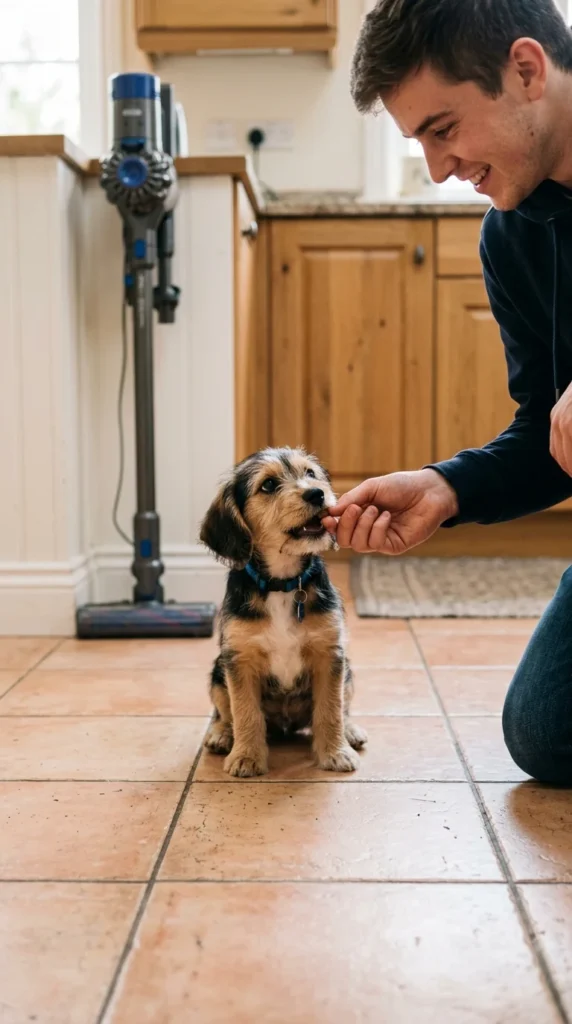
- Start at home. Let your puppy explore different rooms, floor surfaces, and household sounds like the vacuum or doorbell at a comfortable distance.
- Introduce one new thing at a time. Keep each experience short and pleasant, and finish before your puppy gets tired or worried.
- Pair new things with rewards. Treats, praise, and play teach your puppy that new things predict good things.
- Let your puppy set the pace. Allow them to approach on their own. Never push, drag, or force an interaction.
- Increase difficulty gradually. Move from quiet to busier places, and from short to longer visits.
- End on a good note. Stop while your puppy is still doing well.
A Practical Puppy Socialization Checklist
Aim for variety. Many owners find it helpful to keep a simple list and check items off over several weeks.
People
- Men, women, and children of different ages, introduced calmly
- People wearing hats, glasses, uniforms, or carrying umbrellas or bags
- Gentle handling by visitors, with treats from their hands
- Veterinary-style touching, such as looking at ears, paws, and mouth
Other Animals
- Calm, vaccinated, friendly adult dogs in a controlled setting
- Other puppies of similar age, in a well-managed class or playgroup
- Household cats or other pets, introduced slowly and safely
Places and Surfaces
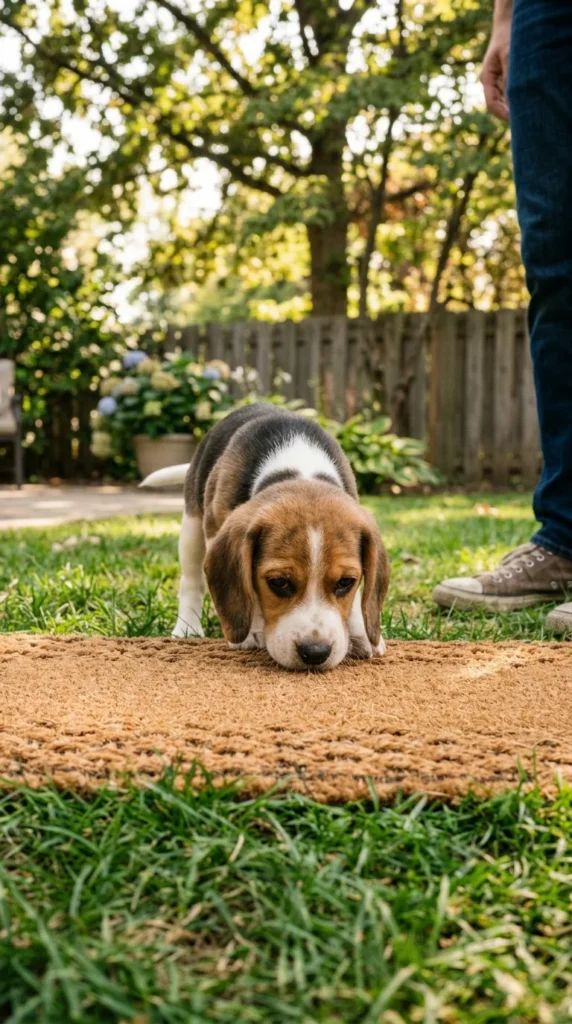
- Tile, carpet, grass, gravel, and stairs
- Car rides, starting with short, calm trips
- Quiet outdoor spots, with your puppy carried or on a clean surface if vaccines are incomplete
- Friends’ homes and, later, pet-friendly stores
Sounds and Sights
- Vacuums, hair dryers, doorbells, and kitchen noises
- Traffic, bicycles, and skateboards from a distance
- Recordings of thunder, fireworks, or crowds played at low volume while your puppy enjoys a treat
Handling and Grooming
- Gentle brushing, paw handling, and nail-trim practice
- Wearing a collar, harness, and leash
- Short stays in a crate or pen with a chew
Quality matters more than quantity. A few calm, successful experiences are worth more than a long list of overwhelming ones.
How to Tell If Your Puppy Is Stressed or Overwhelmed
Socialization should build confidence. Learning to read your puppy’s body language helps you keep it that way.
Signs your puppy is comfortable:
- Loose, wiggly body and relaxed face
- Curious sniffing and approaching on their own
- Taking treats readily
- Bouncing back quickly after a surprise
Signs your puppy may be stressed:
- Tucked tail or lowered body
- Lip licking, yawning, or turning away
- Trembling, hiding, or trying to leave
- Refusing food they would normally take
- Freezing, barking, or growling
If you see stress signs, calmly create more distance from whatever worried your puppy, let them relax, and try again later with a gentler version. Do not force your puppy to face the scary thing. Pushing a nervous puppy forward can make fear stronger.
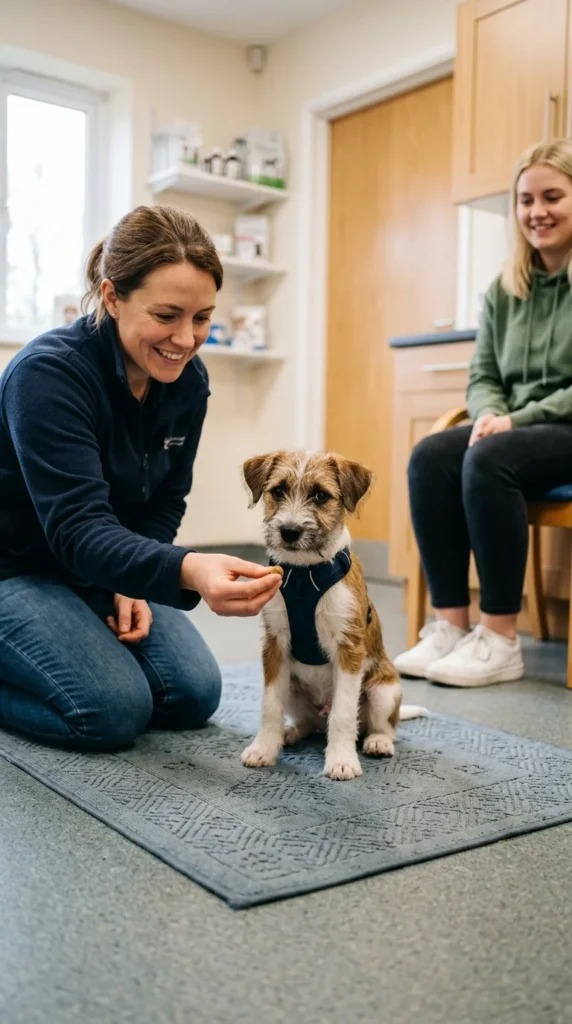
Choosing a Good Puppy Class
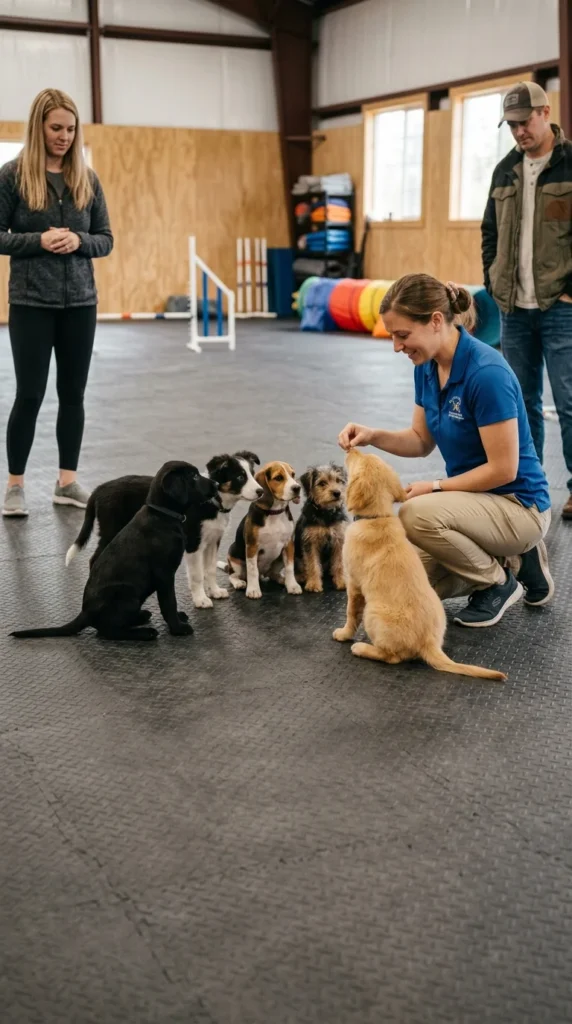
A well-run puppy class can be one of the safest and most useful ways to socialize. Look for:
- Proof of vaccination and a deworming requirement for all puppies
- Clean spaces that are sanitized between sessions
- Small groups matched by age and size
- Reward-based, force-free training methods
- Instructors who supervise play and step in when a puppy is overwhelmed
- Time for calm exposure, not just free-for-all play
Visit or ask to observe a class before enrolling. If puppies are being bullied, flooded, or punished, look elsewhere.
Common Socialization Mistakes to Avoid
- Flooding. Too much, too fast can backfire, especially for a sensitive puppy.
- Forcing interactions. Let your puppy choose to approach.
- Letting strangers grab or hover. Ask visitors to be calm and let your puppy come to them.
- Relying only on dog play. Meeting people, noises, and places matters just as much.
- Unsupervised rough play. Bullying can teach fear.
- Waiting until all the vaccines are done to begin. Start safely now, with your vet’s guidance.
- Stopping after the puppy months. Keep up positive experiences through adolescence.
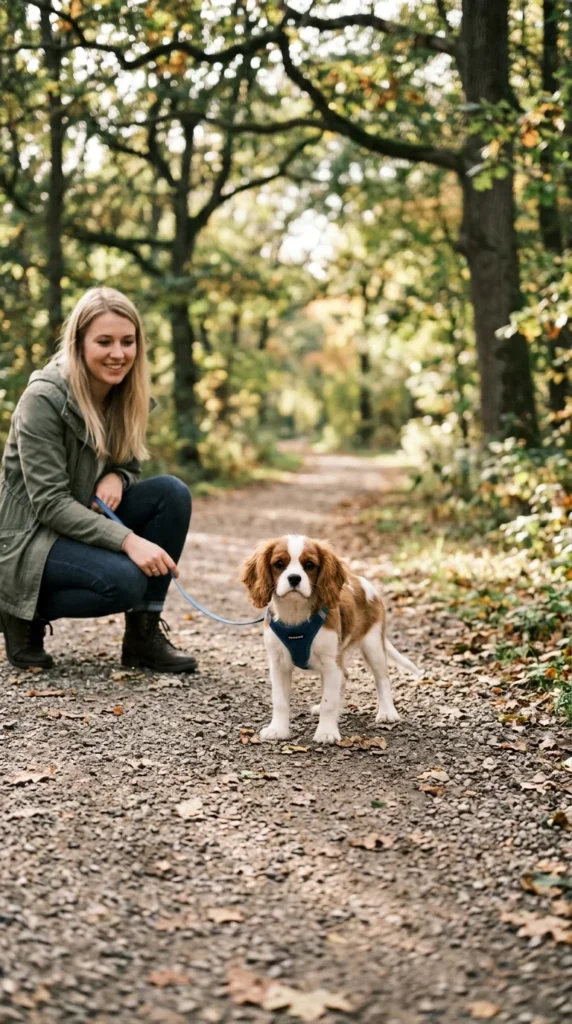
What If Your Puppy Is Shy or You Missed the Window?
Some puppies are naturally cautious, and some arrive in homes after a rough start. Neither situation is hopeless. Dogs can keep learning throughout life, though progress may be slower and take more patience.
For a shy puppy or an older dog, go slowly, keep distance from triggers, and reward calm behavior. Let your dog set the pace and celebrate small wins. If fear is intense, or you see growling, snapping, or panic, talk to your veterinarian. They can rule out health causes and may refer you to a qualified trainer or a veterinary behaviorist.
Frequently Asked Questions
When should I start socializing my puppy?
As soon as your puppy comes home, usually around 8 weeks, with safe, controlled experiences. Puppy classes can often begin around 7 to 8 weeks once your puppy has had at least one set of vaccines.
How long does the puppy socialization window last?
The most sensitive period is the first three months or so, and many experts describe it as lasting until roughly 14 weeks. Learning continues beyond that, so keep providing positive experiences as your puppy grows.
Is it safe to take my puppy outside before all their shots?
With care, yes. Stick to controlled settings and avoid places where unknown dogs gather. Ask your vet what is appropriate for your area.
Should my puppy meet every dog and person?
No. Quality beats quantity. Choose calm, friendly, vaccinated dogs and gentle people, and keep interactions short and positive.
My puppy is afraid of new things. Is that normal?
Some wariness is normal. Slow down, reward bravery, and keep experiences small. If fear is strong or getting worse, talk with your veterinarian or a qualified trainer.
Can puppy socialization prevent all behavior problems?
No. Socialization lowers risk but is not a guarantee, since genetics, health, and later experiences also matter. It is still one of the best investments you can make in your dog’s future.
Final Thoughts
Good puppy socialization is about small, positive moments added up over weeks: a friendly visitor, a new floor surface, a calm trip in the car. Start early, move at your puppy’s pace, keep things safe, and watch their body language. Your next step is to ask your veterinarian about safe outings and local puppy classes so you can begin right away.
This article is for general education and is not a substitute for veterinary or professional behavior advice. If your puppy shows intense fear or aggression, consult your veterinarian.