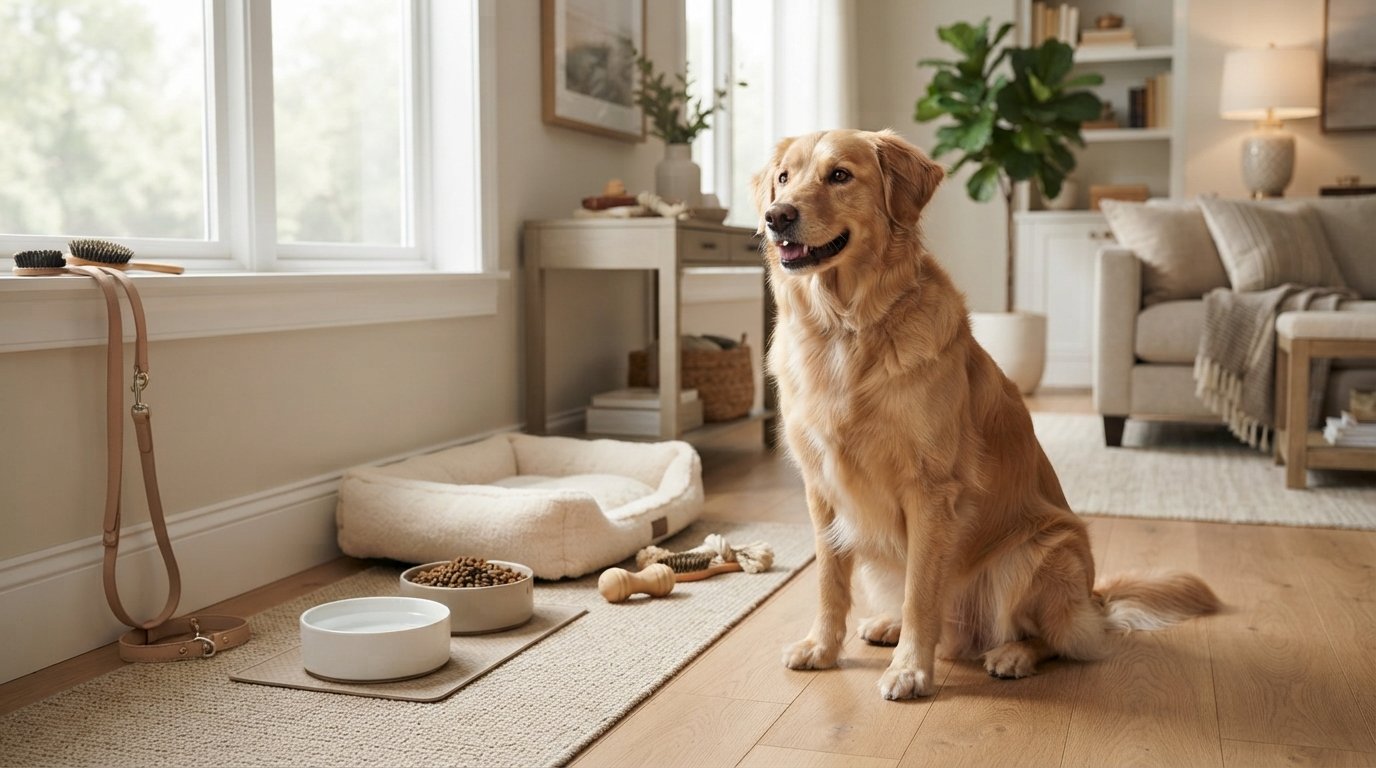
Taking care of a dog is easier when you have a simple daily routine. Dogs need more than food and water. They also need exercise, bathroom breaks, attention, grooming, mental activity, and basic health checks.
A daily dog care checklist helps you remember these small tasks. It can also help you notice changes in your dog’s behavior, appetite, energy, or bathroom habits.
The exact routine depends on your dog’s age, breed, health, activity level, and lifestyle. Puppies, adult dogs, and seniors may have very different needs.
Use this checklist as a practical starting point. Your veterinarian can help you adjust it for your individual dog.
Table of Contents
Daily Dog Care Checklist
Here is a simple daily routine you can save or print:
- Fresh water: Refill and check the water bowl.
- Meals: Feed the correct portion at the planned times.
- Bathroom breaks: Give regular chances to urinate and poop.
- Exercise: Provide age- and health-appropriate activity.
- Mental activity: Add play, training, sniffing, or enrichment.
- Dental care: Brush teeth with dog-safe toothpaste when possible.
- Grooming check: Check coat, skin, paws, ears, and eyes.
- Health check: Notice changes in appetite, energy, movement, or behavior.
- Attention: Spend positive one-on-one time together.
- Waste cleanup: Pick up poop from the yard or during walks.
- Safety check: Remove hazards and keep your dog’s area comfortable.
This list covers the main everyday needs of most dogs. Some tasks, such as medication or parasite prevention, follow a veterinarian’s schedule rather than a daily schedule.
1. Provide Fresh, Clean Water
Fresh water should always be available to your dog.
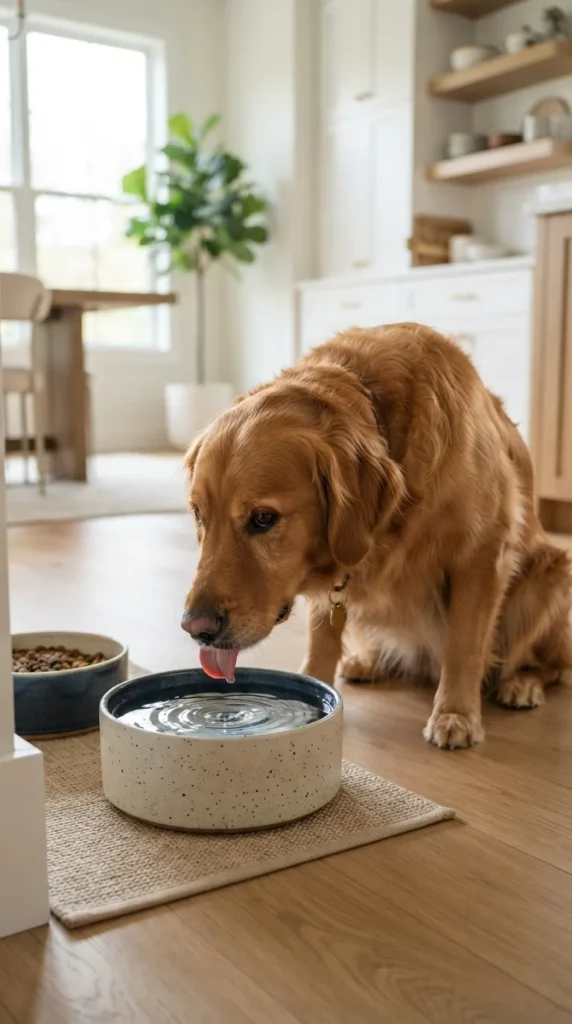
Check the bowl several times during the day. Refill it when needed and clean the bowl regularly.
Dogs may drink more after exercise or during hot weather. Puppies, seniors, and dogs with certain medical conditions may also have different water needs.
A sudden major change in drinking can be worth discussing with your veterinarian, especially when it happens with other symptoms.
Quick water check
- Is the bowl full?
- Is the water clean?
- Is the bowl free from slime or debris?
- Does your dog have easy access to it?
2. Feed the Right Food and Portion
Feeding is one of the most important parts of your dog’s daily routine.
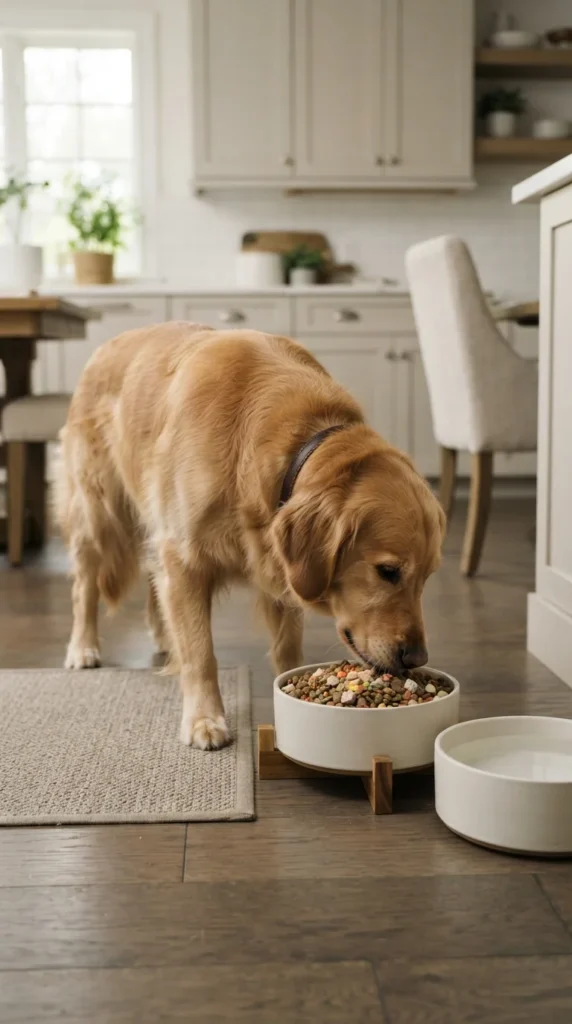
Use a complete and balanced diet that fits your dog’s life stage and individual needs. Follow the food label and your veterinarian’s guidance when deciding how much to feed.
Avoid guessing portions based only on your dog’s size. Activity level, age, body condition, and health can all affect nutritional needs.
Treats should also be counted as part of the overall diet. Using small treat pieces can make training easier without adding unnecessary calories.
Daily feeding checklist
- Measure your dog’s food.
- Follow the planned feeding schedule.
- Provide fresh water.
- Keep treats reasonable.
- Avoid giving unsafe human foods.
- Watch for sudden changes in appetite.
If your dog suddenly refuses food or has a major change in eating habits, contact your veterinarian for guidance.
3. Give Your Dog Daily Exercise
Dogs need regular physical activity, but there is no single exercise schedule that works for every dog.
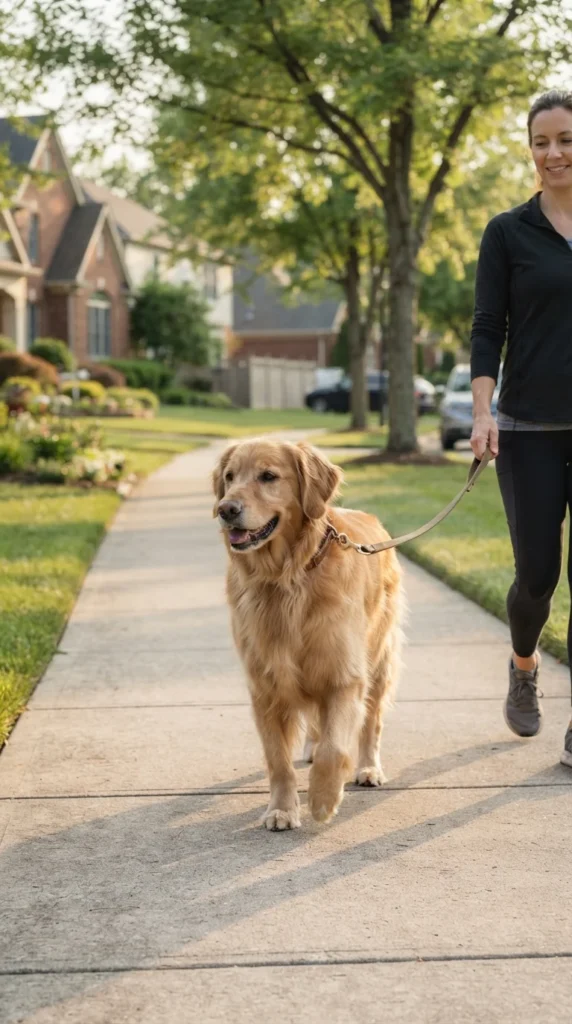
A young working breed may need much more activity than an older dog. Health conditions, body condition, breed traits, and age can also change exercise needs.
Your daily routine might include:
- A walk
- A supervised yard session
- Fetch
- Gentle play
- Short training sessions
- Sniffing activities
- Age-appropriate games
Pay attention to how your dog responds. Exercise should be appropriate for the dog’s health and abilities.
Avoid suddenly increasing intense exercise, especially if your dog is older, overweight, very young, or has a known health condition.
4. Add Mental Stimulation
Physical exercise is only one part of a good dog routine.
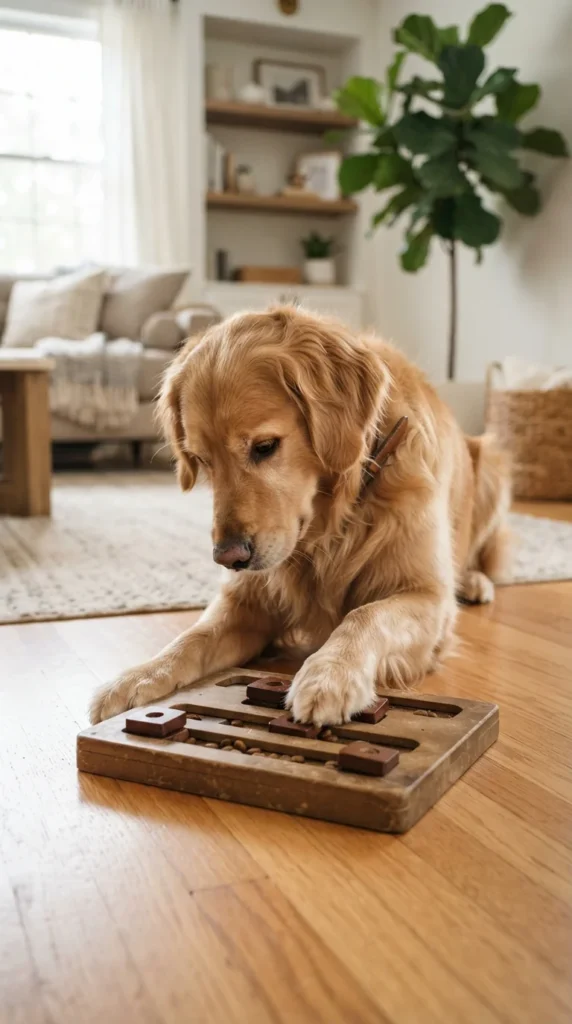
Dogs also benefit from activities that let them explore, solve simple problems, use their senses, and interact with their owners.
Try rotating simple activities instead of using the same game every day.
For example:
- Hide treats for your dog to find.
- Practice basic commands.
- Use a safe food puzzle.
- Play a supervised sniffing game.
- Teach a new simple behavior.
- Rotate safe toys.
Short sessions can be enough. The goal is to keep your dog engaged without making the activity stressful.
5. Give Your Dog Positive Attention
Dogs need social interaction as part of responsible care.
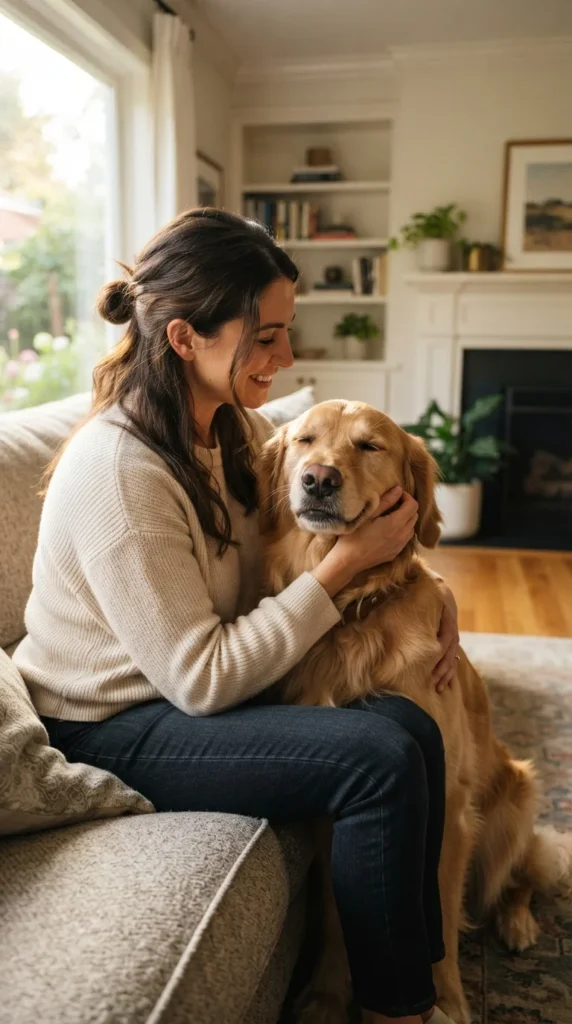
Spend some quiet time with your dog each day. This might mean playing, training, cuddling, grooming, or simply relaxing together.
The ASPCA includes social interaction, exercise, training, grooming, and companionship among the elements of responsible pet care.
Pay attention to what your dog enjoys. Some dogs love active games, while others prefer calm time beside their owner.
Quality matters more than making every interaction complicated.
6. Brush Your Dog’s Teeth
Dental care deserves a place on your daily dog care checklist.
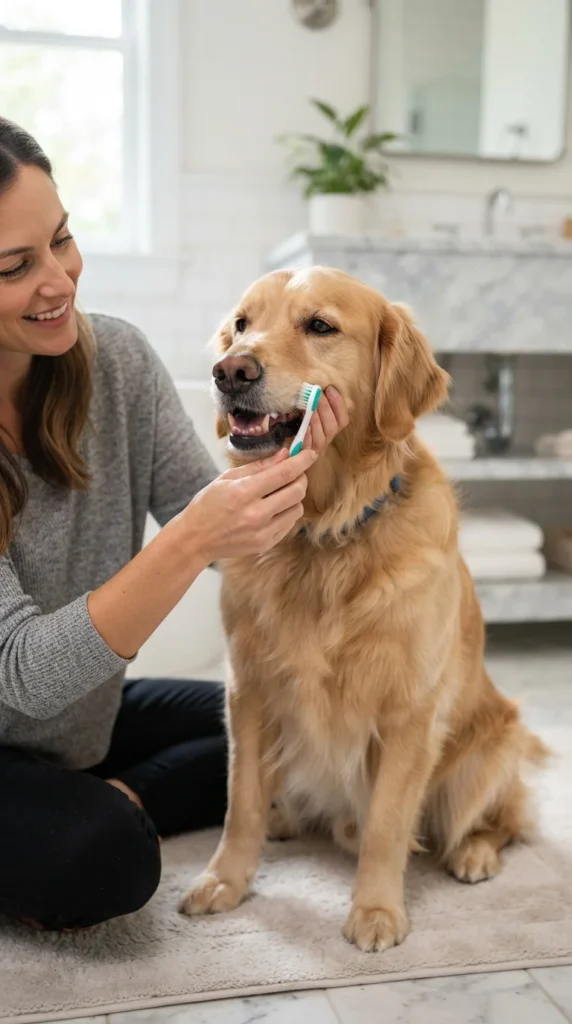
Plaque can begin building up soon after a dog eats. AAHA states that daily brushing is the best way to help reduce plaque buildup at home.
Use a toothbrush and toothpaste made specifically for dogs. Do not use human toothpaste unless your veterinarian specifically tells you otherwise.
If your dog is not used to brushing, start slowly. Let your dog become comfortable with the brush and the process before trying to clean every tooth.
Brushing helps remove plaque, but it does not replace professional dental exams and cleanings when your veterinarian recommends them.
Watch for signs such as:
- Bad breath
- Red or swollen gums
- Drooling
- Difficulty eating
- Changes in chewing behavior
These signs can need a veterinary dental evaluation.
7. Check Your Dog’s Coat and Skin
A quick grooming check can become part of your everyday routine.
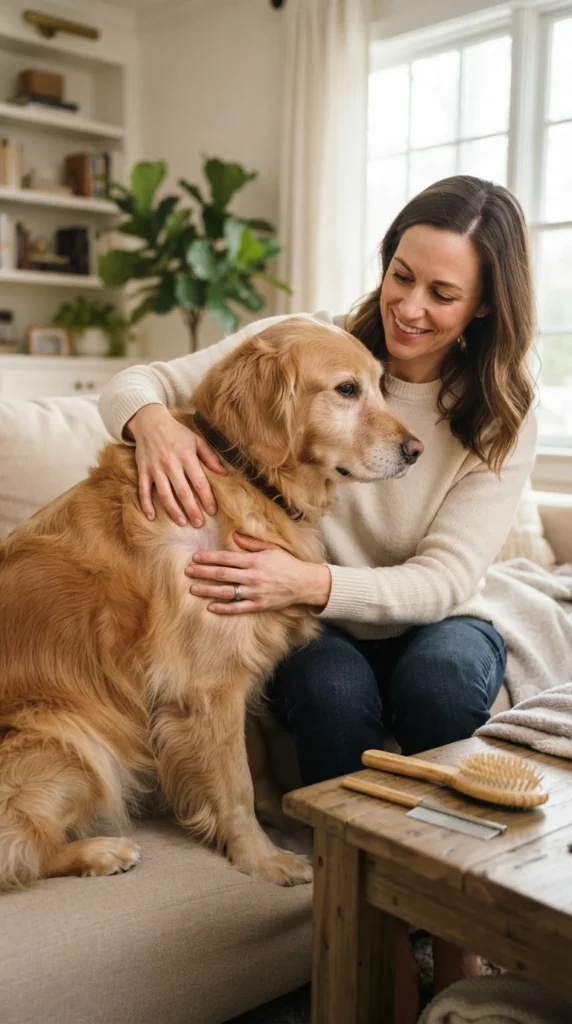
Run your hands gently through your dog’s coat. Look for unusual bumps, irritated skin, mats, debris, or parasites.
Dogs with long or thick coats may need more frequent brushing. Dogs with short coats may need less grooming.
Your dog’s grooming needs depend on the coat type and individual dog.
During warmer seasons, ASPCA recommends daily checks for fleas and ticks.
Look for:
- Fleas or ticks
- New lumps or bumps
- Red or irritated skin
- Mats
- Excessive scratching
- Unusual hair loss
- Dirt or debris
If you notice a new or concerning skin problem, ask your veterinarian before trying treatments at home.
8. Check Paws After Walks
Your dog’s paws can collect dirt, grass, mud, ice, salt, or other debris.
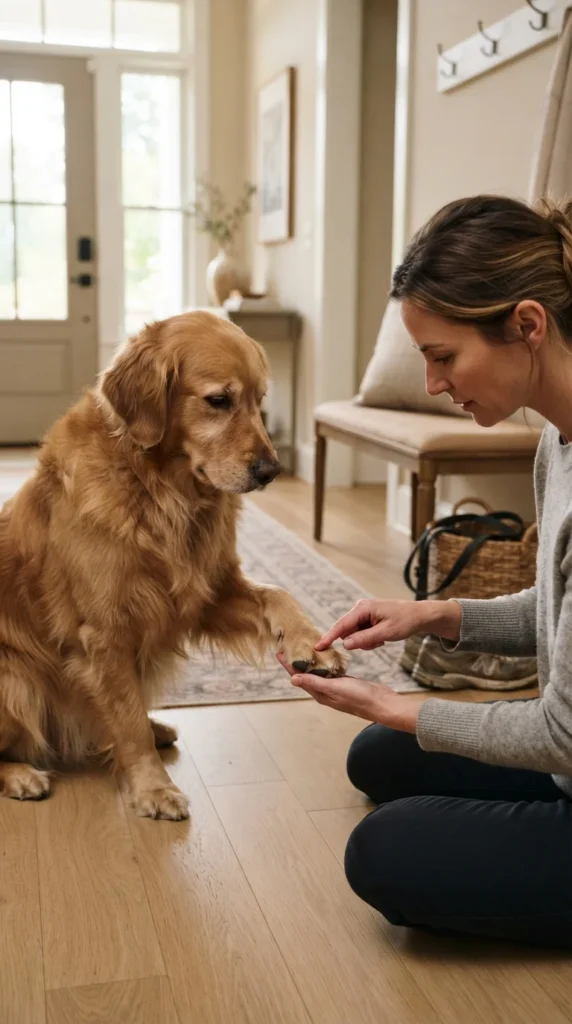
After outdoor walks, take a quick look at each paw.
Check between the toes and around the pads. Look for cuts, swelling, stuck objects, or obvious irritation.
This is especially useful after walking on rough surfaces or areas treated with chemicals.
A quick paw check can also help your dog become comfortable with routine handling.
9. Watch Your Dog’s Bathroom Habits
Bathroom habits can give you useful information about your dog’s health.
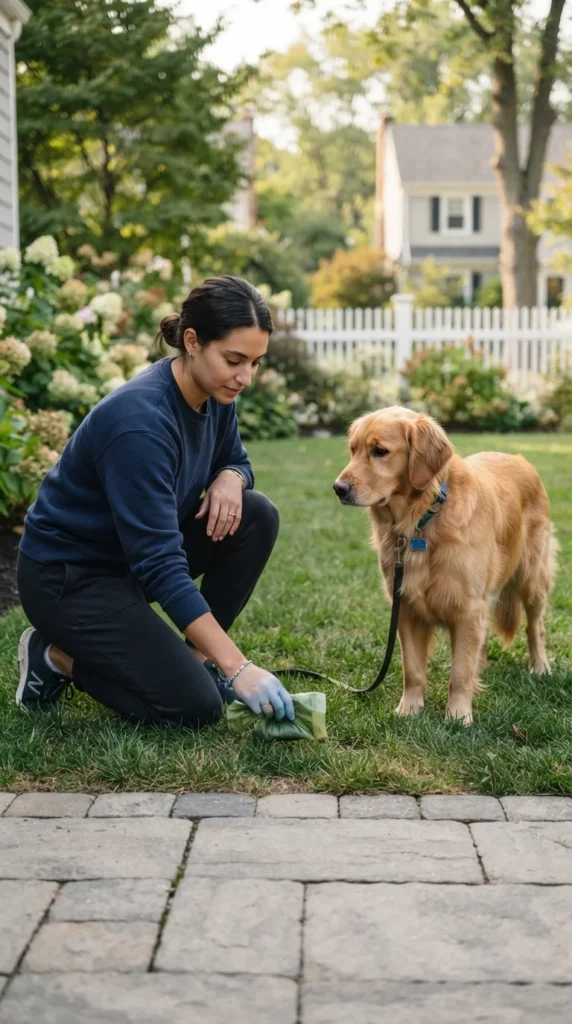
Notice whether your dog is urinating and passing stool normally. Pay attention to major changes in frequency, appearance, effort, or accidents.
You do not need to inspect every bathroom break closely. However, sudden changes are worth noticing.
Also clean up dog waste promptly. CAPC recommends immediate feces removal in public areas and daily removal from yards.
Contact your veterinarian if your dog has concerning changes, especially repeated vomiting, diarrhea, difficulty urinating, blood, severe straining, or other signs of illness.
10. Check Your Dog’s Behavior and Energy
You know your dog’s normal personality better than anyone.
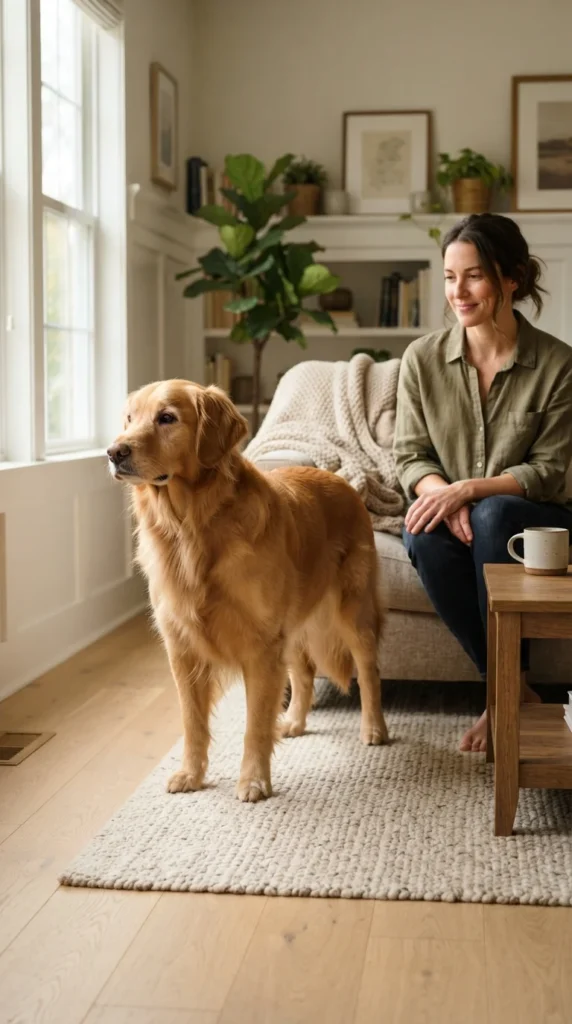
That makes your daily routine a useful time for basic observation.
Ask yourself:
- Is my dog eating normally?
- Is my dog drinking normally?
- Does my dog seem comfortable?
- Is my dog moving normally?
- Is my dog interested in normal activities?
- Does my dog’s behavior seem different?
- Is my dog sleeping much more or less than usual?
A single quiet day does not always mean something is wrong. But a noticeable or persistent change can be important.
Veterinary preventive-care guidelines emphasize behavior, nutrition, dental health, parasite prevention, and physical health as important parts of ongoing canine care.
11. Give Regular Bathroom and Rest Breaks
A healthy daily routine needs both activity and rest.
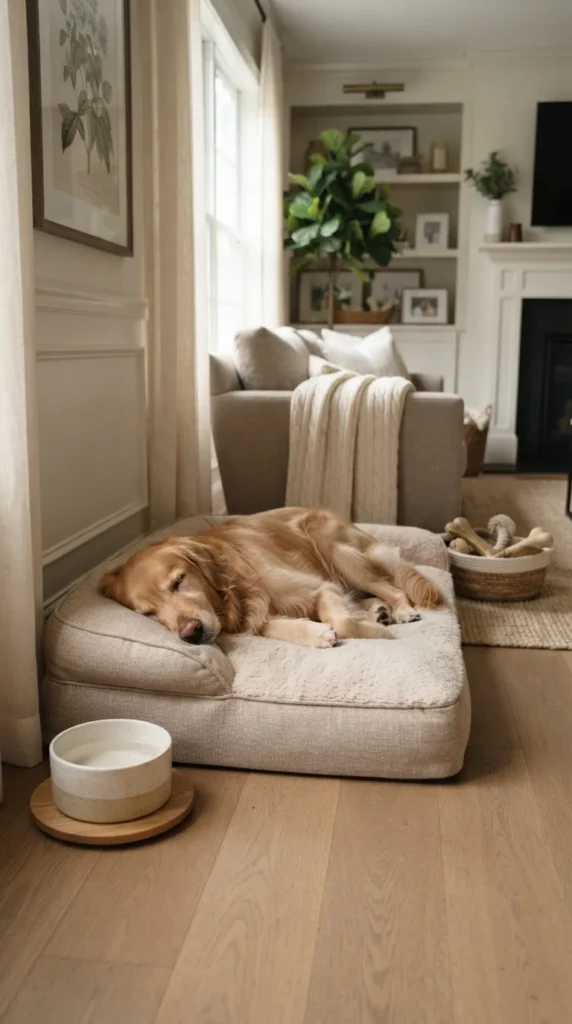
Give your dog regular opportunities to go outside. Puppies may need much more frequent bathroom breaks than adult dogs.
After exercise and play, allow your dog time to relax.
Your dog should have a comfortable place to sleep and rest. Keep the sleeping area clean and suitable for the weather.
Older dogs may need additional rest or easier access to their preferred resting area.
12. Keep Your Dog’s Environment Safe
A daily safety check takes only a few minutes.
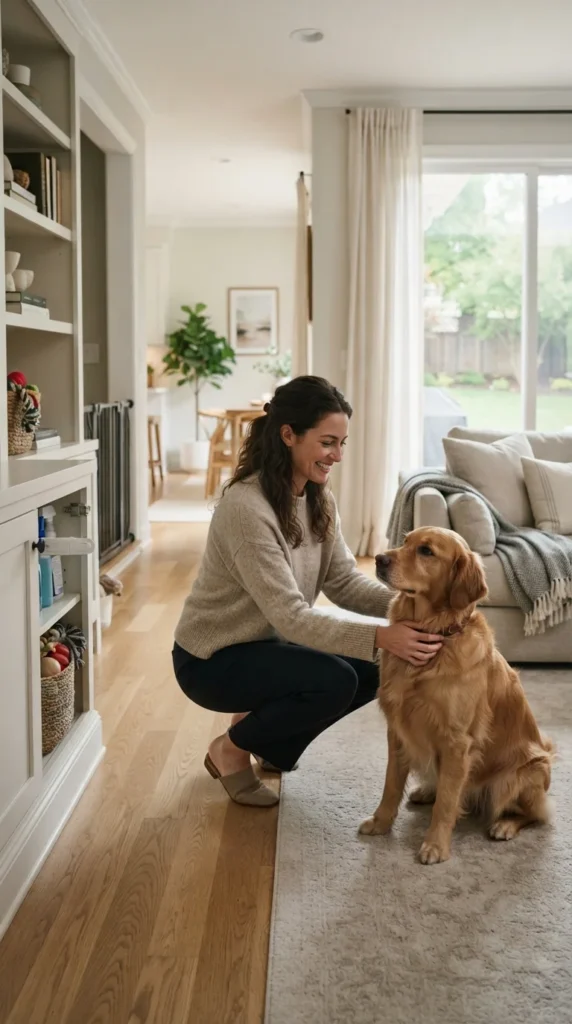
Look around your dog’s main living areas for anything they could chew, swallow, or knock over.
Keep medications, cleaning products, toxic foods, chemicals, and other dangerous items away from your dog.
Check gates, fences, doors, collars, and leashes when needed.
Identification also matters. A collar with identification and permanent identification such as a microchip can improve the chances of recovering a lost dog.
What Does Not Need to Happen Every Day?
Not every dog-care task belongs on a daily checklist.
Some responsibilities should follow a schedule based on your dog’s needs and veterinary advice.
Weekly or as needed
- Wash bedding.
- Clean crates and sleeping areas.
- Deep-clean food and water bowls.
- Brush dogs according to coat needs.
- Check grooming tools.
- Inspect collars and harnesses.
Monthly or according to schedule
- Give veterinarian-approved parasite preventives as scheduled.
- Trim nails when needed.
- Review medication supplies.
- Check identification information.
- Replace damaged toys or equipment.
Parasite prevention should follow your veterinarian’s recommendations. CAPC recommends year-round broad-spectrum parasite control for dogs, covering heartworm, intestinal parasites, fleas, and ticks.
Veterinary care
Routine veterinary visits are also part of responsible dog ownership.
AAHA recommends veterinary examinations at least annually for dogs, while some dogs may need more frequent visits based on age, breed, health, and lifestyle.
Vaccines, parasite testing, dental care, nutrition, and other preventive services should be personalized to your dog.
A Simple Morning-to-Night Dog Care Routine
You don’t need to complete the entire checklist at once.
Breaking it into smaller parts can make daily care easier.
Morning
- Refresh the water.
- Feed the planned meal.
- Take your dog outside.
- Check energy and behavior.
- Give a walk or appropriate activity.
Afternoon
- Provide another bathroom break.
- Offer fresh water.
- Add a short play or training session.
- Check paws or coat after outdoor activity.
- Give your dog time to rest.
Evening
- Feed the planned meal.
- Take your dog outside.
- Provide gentle exercise or enrichment.
- Brush teeth when possible.
- Give attention and calm interaction.
- Check that the sleeping area is clean and comfortable.
The routine does not need to happen at exactly the same minute every day. Consistency is more important than perfection.
When Should You Call the Veterinarian?
A daily checklist is not a substitute for veterinary care.
Contact your veterinarian when you notice a concerning change that does not seem normal for your dog.
Examples can include:
- Sudden loss of appetite
- Repeated vomiting
- Persistent diarrhea
- Difficulty breathing
- Severe weakness
- Trouble walking
- Difficulty urinating
- Significant behavior changes
- Signs of pain
- Unexplained bleeding
- A suspected poisoning or toxin exposure
Do not give your dog human medication unless a veterinarian has specifically instructed you to do so. ASPCA also advises owners to contact veterinary professionals when illness, injury, or poisoning is suspected.
For emergencies, seek veterinary care promptly rather than waiting to see if the problem improves.
FAQs About Daily Dog Care
What should I do for my dog every day?
Every dog should have access to fresh water, appropriate food, bathroom opportunities, exercise, social interaction, and a safe place to rest. Daily observation, grooming checks, and dental care can also support overall wellness.
How often should I feed my dog?
Feeding schedules depend on the dog’s age, health, diet, and individual needs. Many adult dogs are fed on a regular schedule, often twice daily, but your veterinarian can help determine the best plan for your dog.
Does my dog need exercise every day?
Most dogs need regular daily activity, but the right amount varies. Age, breed or breed mix, health, fitness, and lifestyle all affect exercise needs.
Should I brush my dog’s teeth every day?
Daily toothbrushing is the preferred home dental-care routine for helping reduce plaque. Use dog-specific toothpaste and introduce brushing gradually if your dog is not used to it.
Do dogs need grooming every day?
Not every dog needs full grooming every day. However, a quick coat, skin, paw, and parasite check can be useful, while brushing frequency should match your dog’s coat and grooming needs.
Should flea and tick prevention be given every day?
Not necessarily. Preventive products have specific dosing schedules. Follow the product directions and your veterinarian’s plan. CAPC recommends year-round parasite control for dogs.
How often should my dog see a veterinarian?
Dogs should generally receive a veterinary examination at least once a year. Puppies, seniors, and dogs with health problems may need more frequent visits.
What is the most important part of a daily dog routine?
There is not one single task that replaces all the others. A healthy routine combines nutrition, water, exercise, bathroom care, mental activity, dental care, observation, social interaction, and safety.
Bottom Line
A daily dog care checklist makes responsible pet care easier to manage.
Focus on the basics: fresh water, proper meals, bathroom breaks, exercise, enrichment, dental care, grooming checks, attention, and daily observation.
You don’t need a complicated routine. Small habits done consistently can make it easier to notice changes and keep your dog comfortable.
Your veterinarian can help turn this general checklist into a routine that fits your dog’s age, health, lifestyle, and individual needs.
This article is for general education and is not a substitute for veterinary advice. If you are concerned about your dog’s health, contact your veterinarian.