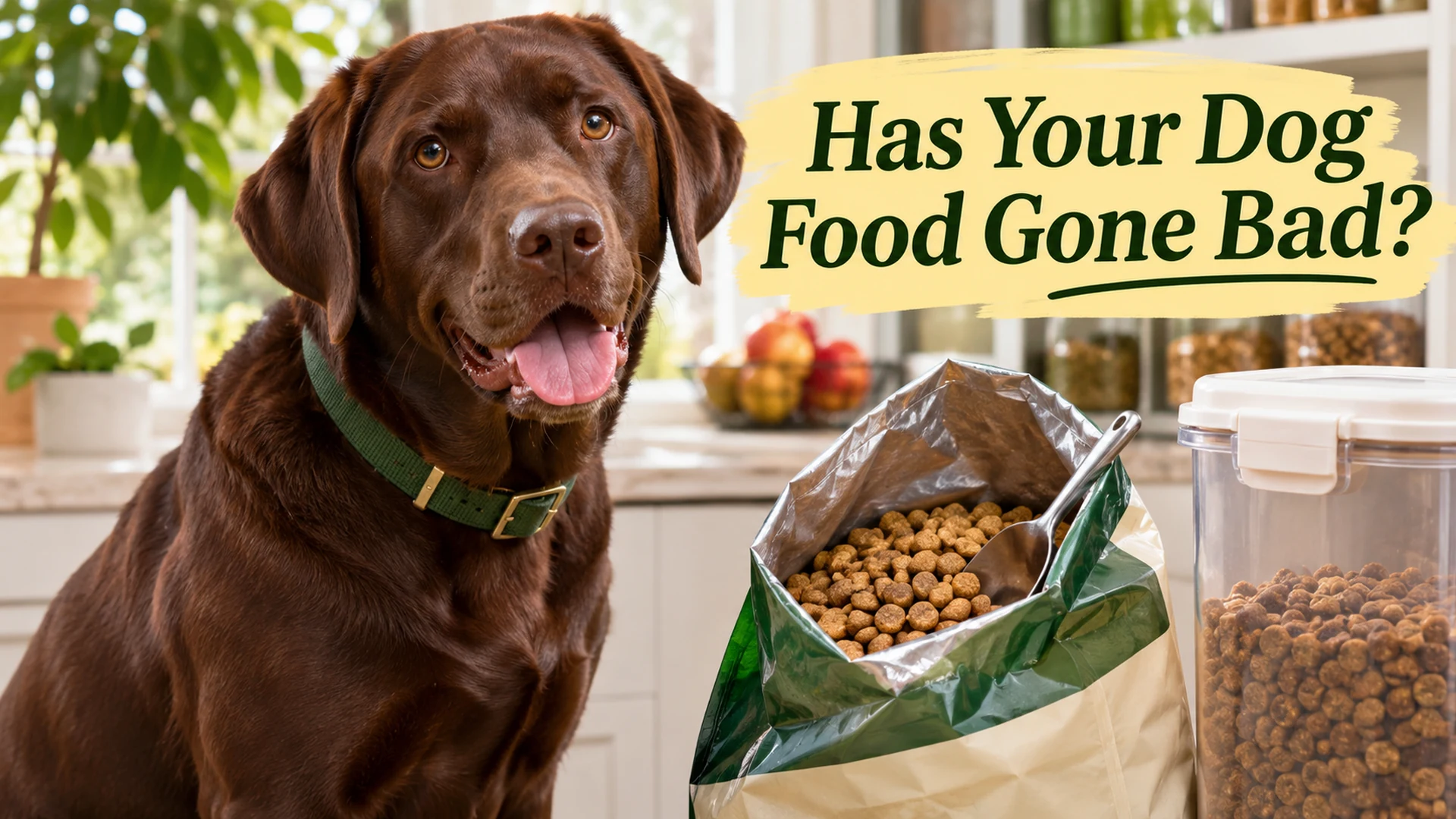
A new bag of kibble may smell stronger than yesterday’s, and an old bag may look normal even when it has been damaged by heat or moisture. Understanding how to tell if dog food has gone bad helps you make a safer decision without guessing. This guide shows the practical signs to check, how to handle a suspicious bag, and what to do if your dog has already eaten it.
Quick answer: Stop feeding suspect food if it smells rancid, looks moldy or discolored, feels damp or sticky, has pest evidence, or comes from damaged packaging. Save the label and lot code; discard clearly spoiled food and contact a veterinarian if your dog becomes ill.
Helpful references for this topic include FDA pet food safety, FDA pet food storage, FDA lot number guidance. This article offers general education, not a diagnosis or individualized veterinary or training plan.
Table of Contents
What spoiled dog food can look, smell, and feel like
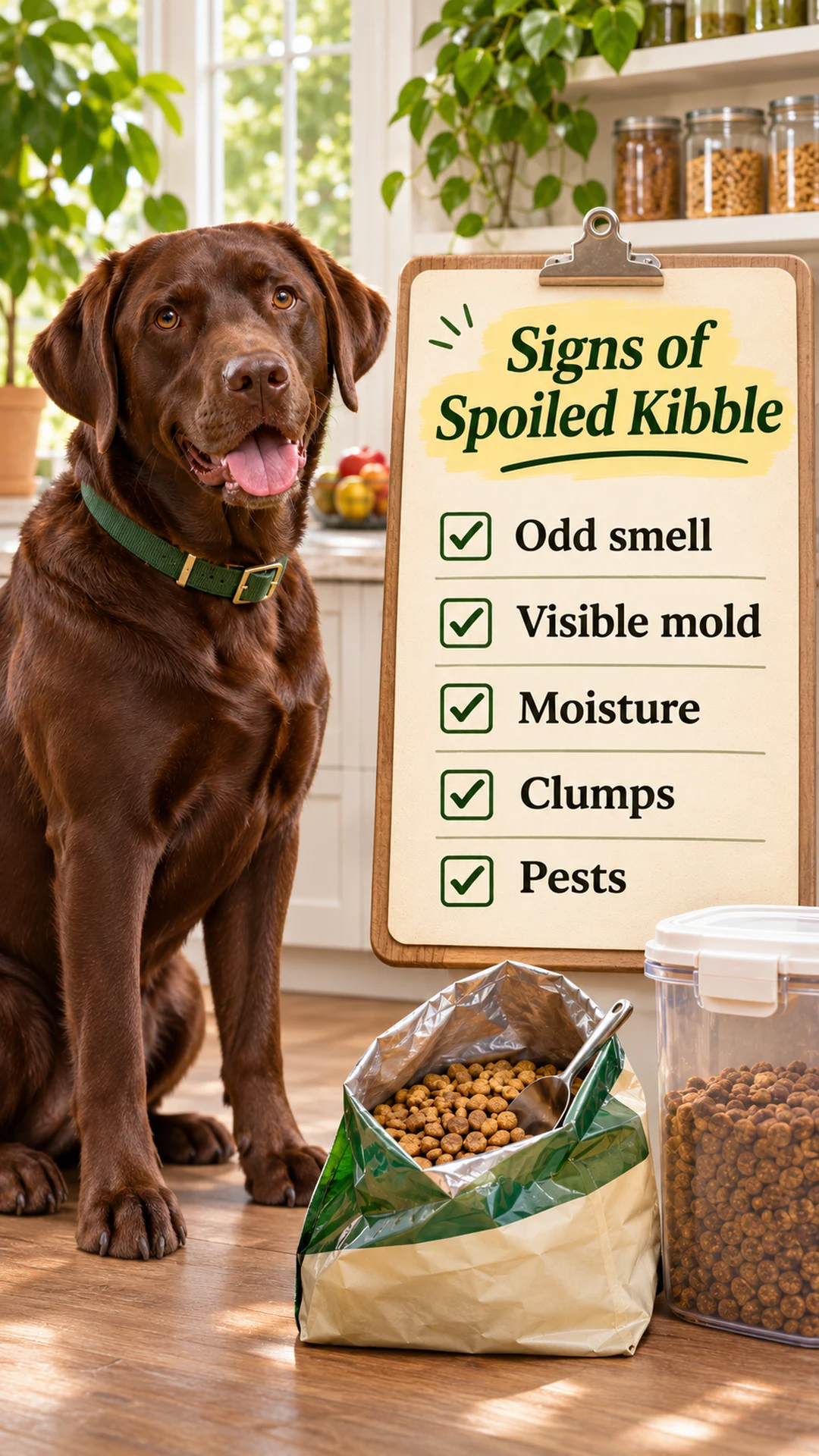
Dry kibble is designed to remain shelf-stable when sealed and stored as directed, but it is not indestructible. Fats in the food may oxidize, moisture can promote microbial growth, and pests may contaminate the contents. A quick check before feeding is worthwhile whenever a bag has been open for some time or has been stored in a warm or humid place.
- Rancid, sour, chemical, or unusually strong odor compared with a fresh bag of the same formula.
- Visible fuzzy mold, unusual spots, or marked color changes.
- Dampness, condensation, sticky pieces, or clumps in what should be dry kibble.
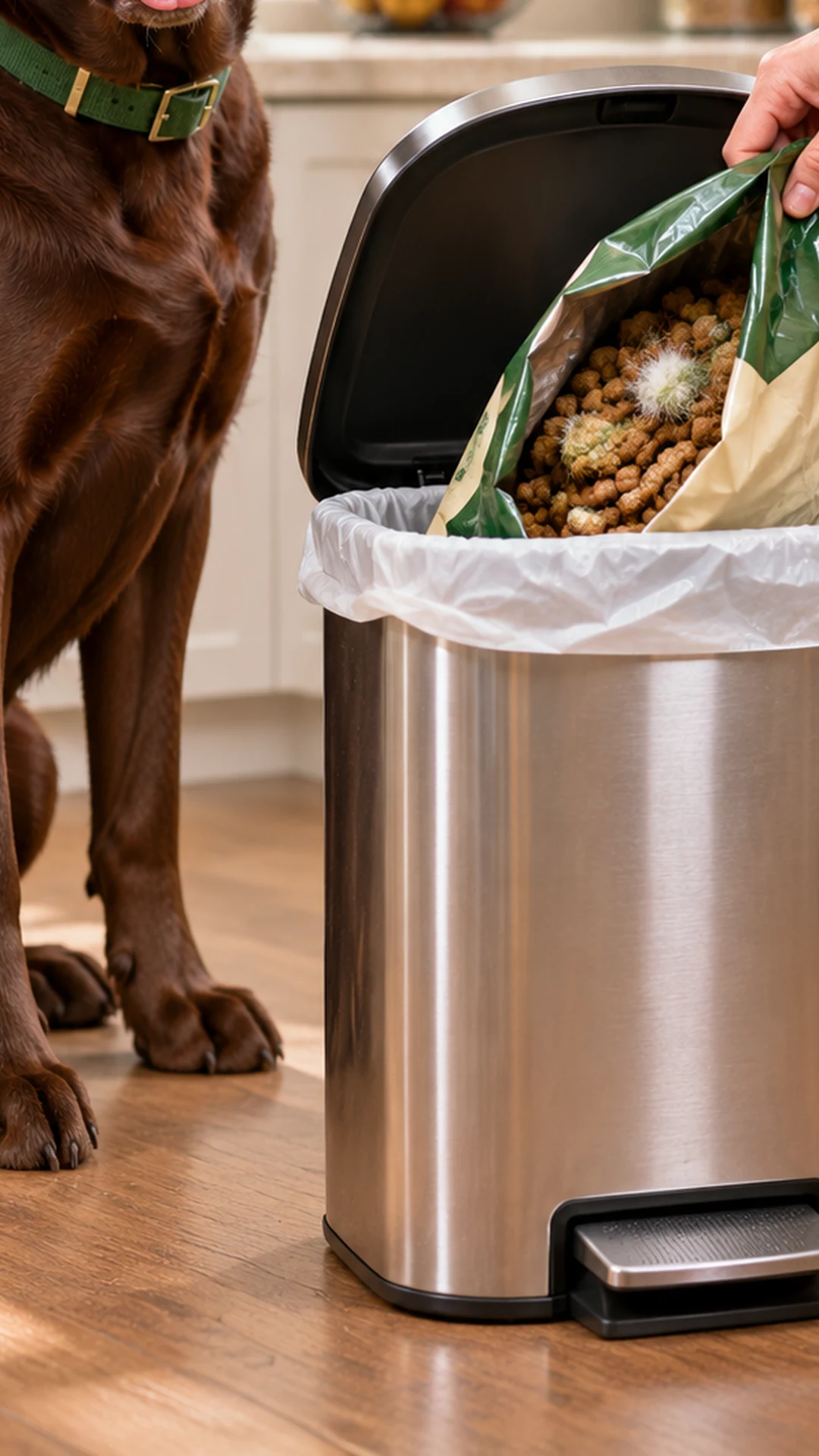
- Insects, larvae, rodent evidence, or holes and tears in the packaging.
- A change in texture or surface oiliness that is not normal for that formula.
None of these warning signs requires you to taste the food. Do not test questionable kibble by offering a small amount to your dog. When in doubt, dispose of the suspect food and contact the manufacturer if you need help identifying a possible product defect.
Can dog food be bad even before its best-by date?
Yes. The best-by date generally describes expected quality under appropriate storage conditions; it cannot guarantee that a torn, wet, overheated, or contaminated bag is safe. The FDA recommends checking packaging for damage before buying food and storing dry pet food in a cool, dry place. A damaged bag should be rejected even if its printed date is many months away.
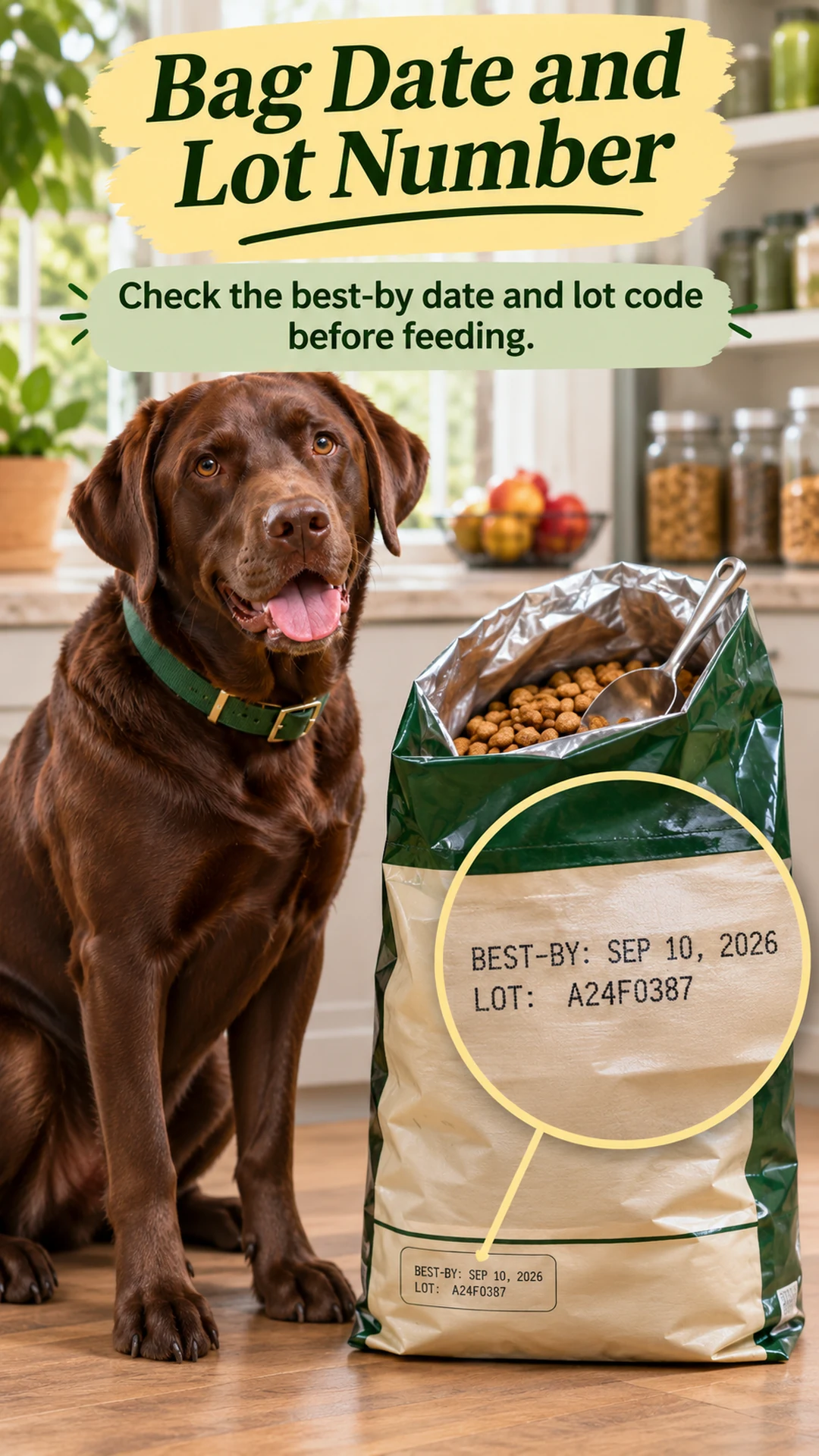
Check the exact product name, batch or lot number, and best-by date before discarding the packaging. Keeping a photo of these details can help if the manufacturer announces a recall. If there is a suspected food problem, the FDA provides a process for reporting pet-food complaints, and the lot code helps identify the exact batch.
Dry kibble versus opened wet food
The same safety logic applies, but storage needs differ. Dry kibble should be resealed promptly, kept away from moisture, and used according to the manufacturer’s instructions. Opened wet food is perishable; cover and refrigerate it promptly according to the label. Do not treat a can left in a warm room like shelf-stable kibble.
If your dog uses a combination of wet and dry food, store each component separately. Keep feeding bowls clean and remove uneaten portions according to product guidance. The unopened can may remain shelf-stable, but once opened it does not behave like the unopened product.
How to check a questionable bag step by step
- Stop feeding from the bag while you inspect it.
- Look for packaging damage, pest activity, water marks, or punctures.
- Compare the kibble odor with a fresh sample of the same food if one is available.
- Check for discoloration, clumps, visible growth, or unusual oily residue.
- Photograph the bag label, lot number, and unusual food condition.
- Contact the manufacturer for guidance and keep the food away from pets until the issue is resolved.
Do not mix suspicious kibble with a new bag to avoid wasting it. Mixing can contaminate otherwise usable food and makes it harder to identify the problem.
Store food to reduce spoilage risk
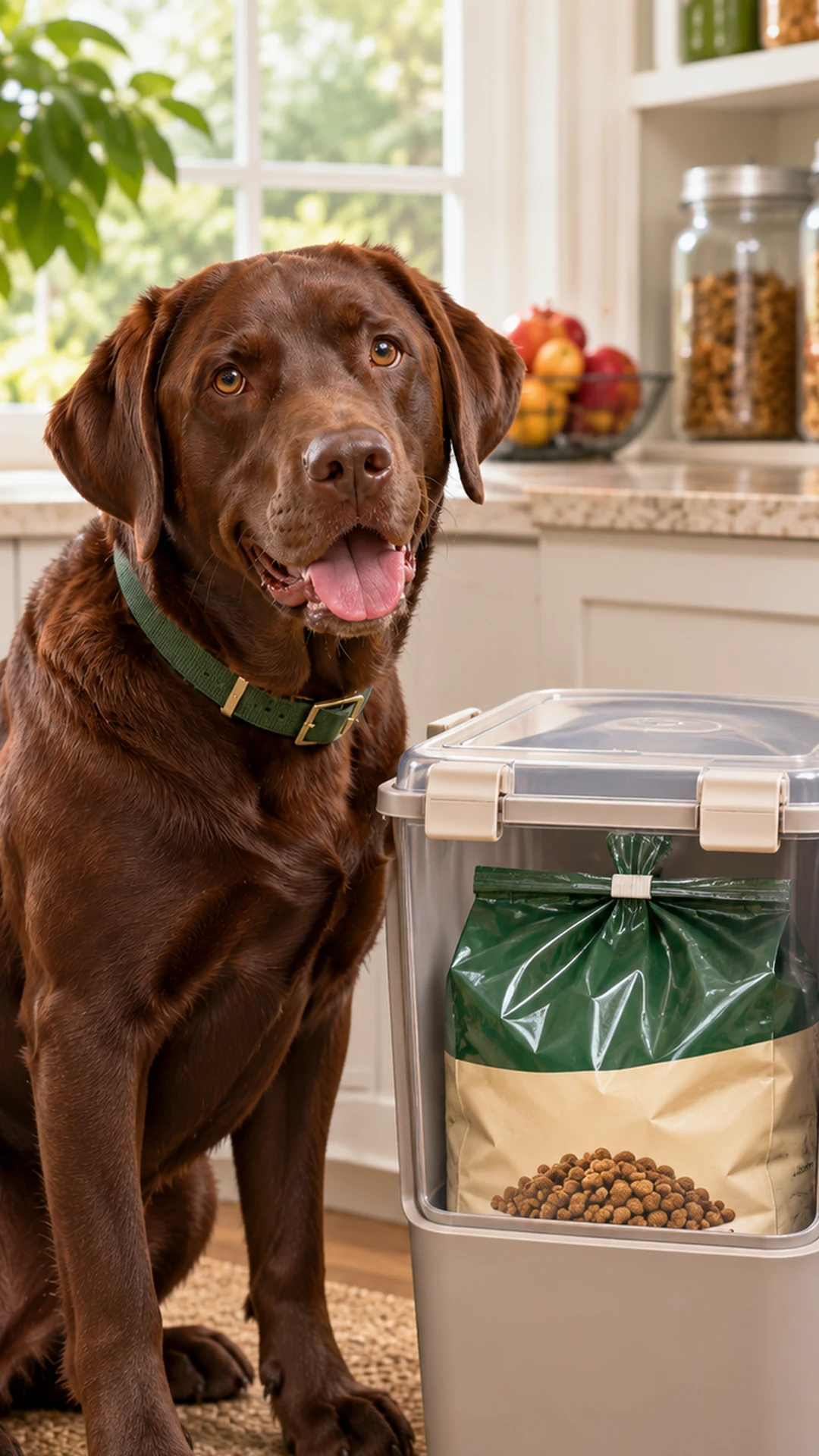
Keep dry food in its original bag, tightly closed, ideally with the entire bag placed inside a clean, dry storage container. The FDA advises storing dry pet food in a cool, dry location below 80°F. Avoid a hot garage, damp basement, sunny porch, or area beside a stove.
Wash food scoops and bowls regularly. If a bin is used, clean and thoroughly dry it between bags rather than leaving old crumbs beneath fresh kibble. Never pour new food on top of stale food left in the bottom of a container. For more detail, see our guide to keeping food in its original bag.
What if your dog already ate suspect food?
If your dog eats possibly spoiled food, remove access to it and monitor for signs such as vomiting, diarrhea, lethargy, abdominal discomfort, or refusal to eat. Contact your veterinarian for individualized instructions, especially if your dog is very young, elderly, has a medical condition, or shows repeated or severe symptoms.
Seek urgent veterinary care for collapse, marked weakness, repeated vomiting, blood in stool, trouble breathing, or an inability to keep water down. Do not induce vomiting or give human medication without veterinary advice. Keep the food package and lot information available when you call.
Common storage mistakes
- Leaving a bag rolled open for days.
- Transferring kibble into a dirty or damp bin.
- Throwing away the lot code and best-by date.
- Keeping large quantities of food long after opening because the bag was cheaper per pound.
- Ignoring an unusual smell because the kibble still looks normal.
A good buying habit is to select a bag size you can finish within the manufacturer’s recommended after-opening period. Good storage reduces waste, but it cannot reverse oxidation or contamination once it occurs.
Frequently asked questions
Can a dog tell if kibble is spoiled? Some dogs refuse food that smells different, but others will eat it, so appetite is not a reliable safety test.
What does rancid dog food smell like? It may smell distinctly sour, stale, paint-like, or unusually oily. Compare against the normal scent of that exact product.
Does kibble always show mold when spoiled? No. Unusual odor, packaging damage, or suspected contamination can justify discarding food even without visible mold.
Should I feed kibble past its printed date? Follow the manufacturer’s instructions and do not use food that is beyond its recommended period or shows any signs of damage or deterioration.
A five-minute kitchen check before each new bag
Give every new bag a simple routine. First, read the product name and confirm it is the intended formula for your dog. Next, inspect the seal, corners, and underside for damage, then photograph the best-by date and lot code before putting the bag away. When you open the package, note the normal appearance and odor rather than relying only on memory weeks later. Finally, write the opening date on a label or your phone. This makes it easier to decide whether a bag has been kept open too long under the manufacturer’s guidance. If the product already seems damaged or unusual, do not feed it while you seek clarification.
What to tell the manufacturer or veterinarian
If you suspect a product problem, be ready to share the brand and formula, package size, lot number, best-by date, purchase location, storage conditions, and when you first noticed a change. Describe the appearance and smell in plain language. Avoid claiming that a particular product caused illness without a professional assessment. For your veterinarian, record what your dog ate, the approximate amount, when the meal occurred, and any symptoms with their times of onset. Those practical details help the veterinary team decide what care may be appropriate and whether further product reporting is useful.
A safer replacement plan after discarding food
Do not automatically replace spoiled kibble with a sudden large serving of an unrelated formula. If your dog is well and the original product is available in a sound, uncontaminated bag, check with the manufacturer about the particular concern. If a different diet is necessary, a gradual change is often better tolerated by a healthy dog, but suspected contamination, illness, or prescription food may change the plan. Ask the veterinarian how to feed your individual dog. Wash and thoroughly dry the bowl and storage tools, and keep the discarded material secured away from pets and wildlife.
Related Dogs Daily Care guides
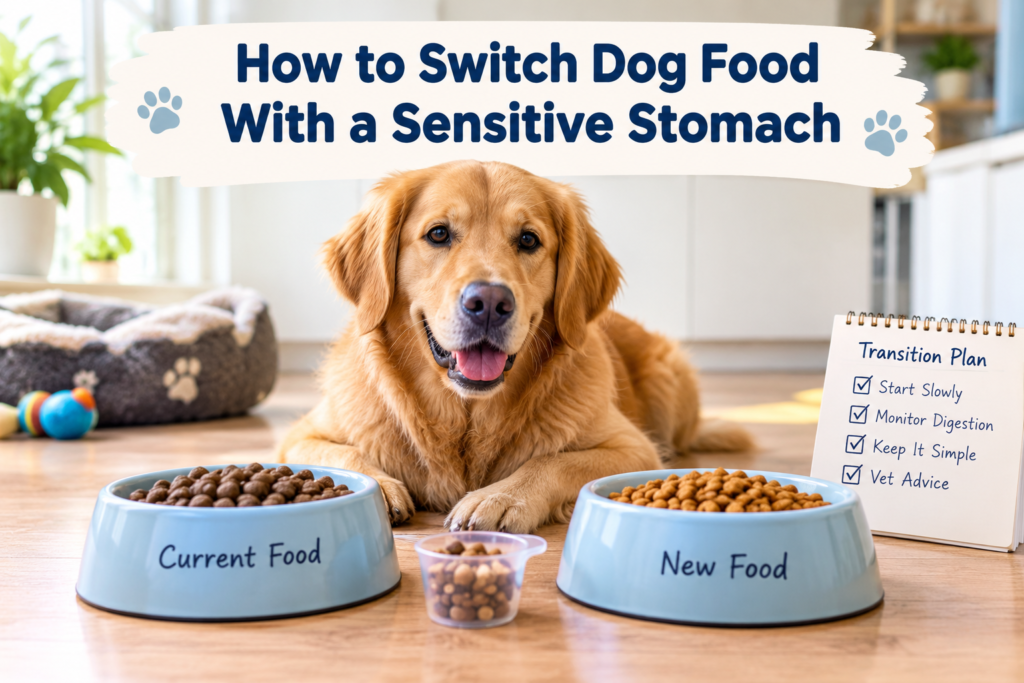
For more storage detail, read Should Dog Food Be Stored in the Original Bag?. If changing your dog’s food after a suspected problem, see How to Switch Dog Food With a Sensitive Stomach and consult your veterinarian when symptoms are present.
Sources and further reading
- U.S. Food and Drug Administration — safe handling of pet food
- U.S. Food and Drug Administration — proper storage
- FDA — save your pet-food lot number
- FDA — reporting a pet-food complaint
- American Veterinary Medical Association — safe food handling
Editorial note: This guide is for educational purposes and is not a substitute for advice from your veterinarian or qualified professional.