
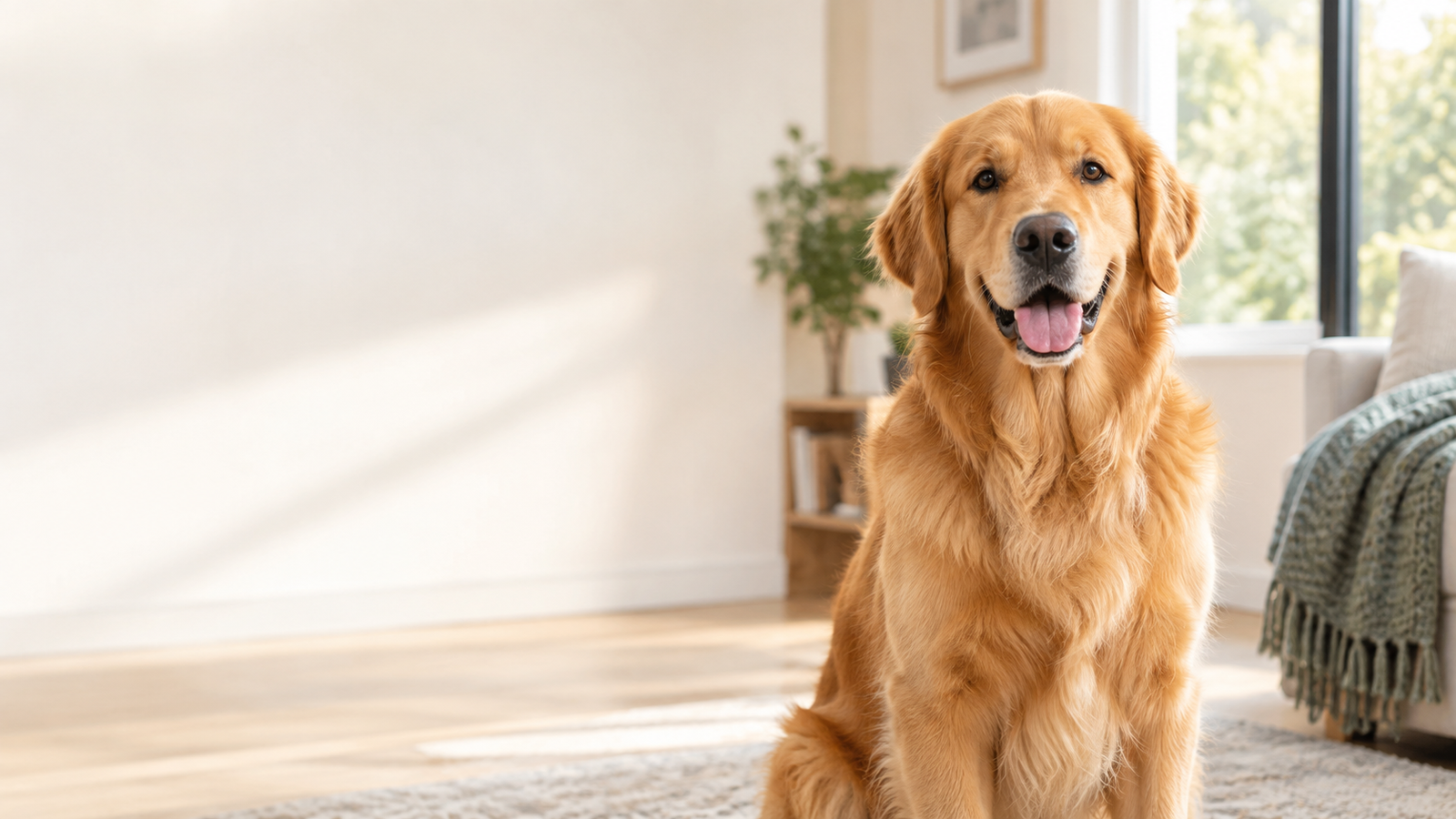
Your puppy should learn that hearing their name means something positive and that they should pay attention to you.
Stand near your puppy and say their name once in a cheerful voice.
When your puppy looks toward you, immediately praise them and give a small treat.
Repeat this during short sessions throughout the day.
Avoid repeatedly saying the name when your puppy ignores you. You want the name to become a useful attention cue rather than background noise.
Table of Contents
2. Use Positive Reinforcement
Reward-based training makes it easier to show your puppy which behaviors you want.
When your puppy does something correctly, reward them quickly.
Useful rewards include:
- Tiny puppy-safe treats
- Praise
- A favorite toy
- A short play session
- Gentle affection
The timing of the reward matters. Give it immediately after the desired behavior so your puppy can connect the action with the reward.
Avoid frightening or physically punishing your puppy. Instead, focus on rewarding the behaviors you want and managing situations that make unwanted behavior likely.
3. Keep Training Sessions Short
Puppies can become distracted quickly.
Instead of planning one long lesson, practice for a few minutes at a time throughout the day.
For example, you might practice “sit” before breakfast, recall in the afternoon, and leash skills before an evening walk.
Stop while your puppy is still interested.
Short, successful sessions can make training feel like a game rather than a chore.
4. Teach Your Puppy to Sit
“Sit” is one of the easiest basic commands to teach.
Hold a small treat near your puppy’s nose.
Slowly move the treat upward and slightly backward. As your puppy follows the treat, their bottom will often move toward the floor.
As soon as they sit, reward them.
After several successful repetitions, begin adding the word “sit” just before the behavior.
Never force your puppy into position. Give them time to work it out.
5. Teach Your Puppy to Come When Called
Recall is an important skill because it teaches your puppy to return to you.
Start indoors where distractions are low.
Move a short distance away and cheerfully call your puppy. When they come toward you, praise them and reward them when they reach you.
Make coming to you rewarding.
Never call your puppy to you just to punish or scold them. You want your puppy to associate returning to you with safety and good things.
Practice in secure environments before attempting recall around stronger distractions.
6. Begin Potty Training Immediately
A predictable routine makes house training easier.
Take your puppy to an appropriate toilet area regularly, especially:
- After waking up
- After eating
- After drinking